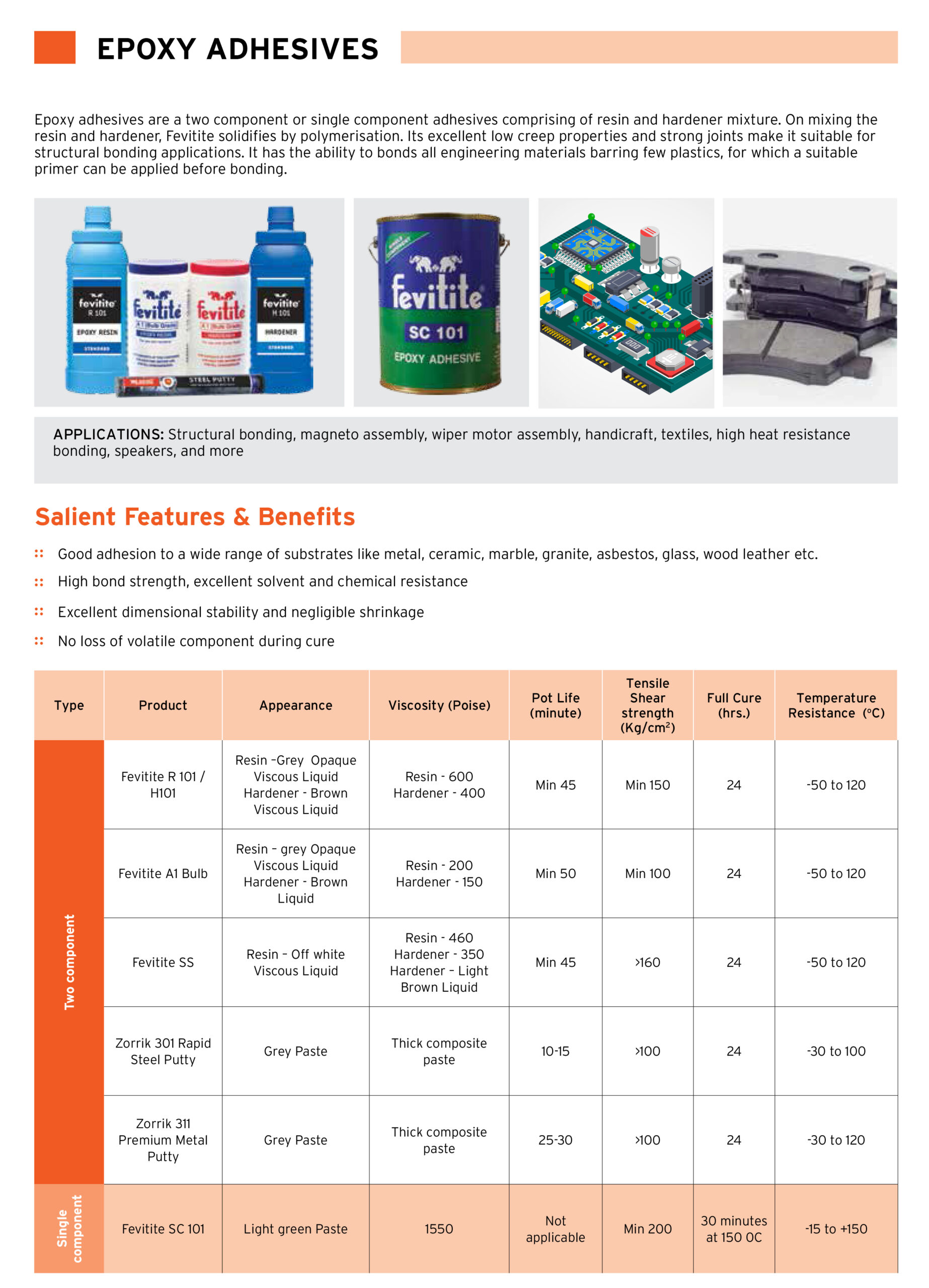
Adhesive technology in 2026 focuses on high-performance structural bonding, sustainability through bio-polymers, and "smart" curing mechanisms. Selecting the right adhesive requires balancing substrate compatibility, environmental exposure, and required load-bearing capacity to ensure long-term joint integrity in industrial and consumer applications. Modern advancements emphasize debonding-on-demand to support the circular economy and automated high-speed manufacturing.
Understanding the Fundamentals of Modern Adhesive Chemistry
Adhesive technology is no longer just about "glue"; it is a sophisticated branch of materials science that utilizes polymer chemistry to join surfaces. At its core, an adhesive must perform two functions: adhesion (sticking to the substrate) and cohesion (holding itself together). In 2026, the industry categorizes adhesives primarily by their chemical composition and curing mechanism, which dictates their suitability for specific mechanical loads.
Structural vs. Non-Structural Adhesives
Structural adhesives are engineered to bear significant loads and often replace traditional fasteners like rivets, bolts, or welds. These include epoxies, polyurethanes, and certain acrylics. Their primary advantage is the ability to distribute stress evenly across the entire bonded area, whereas mechanical fasteners create "stress concentrations" that can lead to material fatigue. Non-structural adhesives, such as pressure-sensitive tapes or contact cements, are used for temporary positioning or lightweight applications where the load is minimal.
The Role of Polymer Chains
The strength of a modern bond is determined by how the polymer chains within the adhesive interact. Thermosetting adhesives, like epoxies, undergo a chemical reaction that creates a cross-linked network of molecules. Once cured, these cannot be re-melted, providing excellent heat and chemical resistance. In contrast, thermoplastic adhesives (like hot melts) soften when heated, making them ideal for high-speed packaging but less suitable for high-temperature environments.
The Science of Surface Energy and Preparation
One of the most common reasons for adhesive failure is a misunderstanding of surface energy. For an adhesive to work, it must "wet" the surface—meaning it must spread out and make intimate contact with the substrate. This is only possible if the surface energy of the substrate is higher than the surface tension of the liquid adhesive.
High-Energy vs. Low-Energy Surfaces
Metals like steel and aluminum have high surface energy, making them relatively easy to bond. However, modern plastics like polyethylene (PE) and polypropylene (PP) are "low surface energy" (LSE) materials. Bonding to these requires specialized adhesive technology or aggressive surface treatment. By 2026, many manufacturers have moved toward using plasma or corona treatments to temporarily increase the surface energy of plastics, allowing for robust bonds without the use of toxic primers.
Essential Surface Preparation Steps
To ensure a successful bond, three steps are generally non-negotiable:
- Degreasing: Removing oils, waxes, and mold-release agents using solvents like isopropyl alcohol or specialized aqueous cleaners.
- Abrasion: Mechanical sanding or grit-blasting creates "micro-interlocking" sites, increasing the surface area for the adhesive to grab.
- Chemical Priming: In some cases, a molecular bridge (primer) is applied to the substrate to change its chemical nature, making it more receptive to the adhesive.
Primary Adhesive Categories and Their Applications
Choosing the right adhesive involves matching the chemistry to the operational environment. In 2026, the four most prevalent industrial adhesive technologies offer distinct trade-offs in terms of speed, strength, and flexibility.
Epoxy Resins
Epoxies remain the gold standard for high-strength applications. Available in one-part (heat-cured) or two-part (room-temperature cured) systems, they offer the highest shear strength and best resistance to environmental aging. They are frequently used in aerospace and automotive manufacturing where structural integrity is a safety requirement.
Cyanoacrylates (Instant Adhesives)
Often called "super glues," cyanoacrylates cure almost instantly when they contact the moisture present on the substrate surface. While excellent for small parts and high-speed assembly, they are generally brittle and have lower resistance to high temperatures and impact compared to epoxies.
Polyurethanes (PU)
Polyurethanes are valued for their toughness and flexibility. They are excellent at bonding dissimilar materials—such as wood to metal—because they can absorb the internal stresses caused by different rates of thermal expansion. They are widely used in the construction and marine industries due to their inherent moisture resistance.
Acrylics and Methacrylates
Structural acrylics (MMAs) offer a middle ground between the strength of epoxies and the speed of cyanoacrylates. They are unique in their ability to bond through light layers of oil or surface contamination, making them a favorite in "dirty" manufacturing environments like metal fabrication.
Comparative Performance of Modern Adhesive Technologies
The following table compares the typical properties of the most common adhesive types used in industrial settings as of 2026.
| Adhesive Type | Typical Cure Time | Shear Strength | Impact Resistance | Best Substrates |
|---|---|---|---|---|
| Epoxy | 2–24 Hours | Very High | Moderate | Metals, Ceramics, Composites |
| Cyanoacrylate | 5–90 Seconds | High | Low (Brittle) | Plastics, Rubbers, Small Metals |
| Polyurethane | 30 Min – 4 Hours | Moderate | High (Flexible) | Wood, Plastics, Glass, Masonry |
| Acrylic (MMA) | 5–30 Minutes | High | High | Metals, Thermoplastics, Oily Steel |
| Silicone | 24 Hours | Low | Very High | Glass, Gaskets, High-Temp Zones |
Sustainability and "Smart" Adhesives in 2026
The most significant shift in adhesive technology over the last few years has been the move toward sustainability. Regulatory pressures and corporate ESG (Environmental, Social, and Governance) goals have accelerated the development of adhesives that do not compromise the recyclability of the final product.
Debonding-on-Demand
Traditional structural adhesives are designed to stay stuck forever. However, this makes recycling electronics or vehicles difficult. "Smart" adhesives now incorporate micro-particles that react to specific stimuli—such as a specific UV wavelength, an electromagnetic field, or a precise temperature—to trigger a rapid loss of adhesion. This allows a manufacturer to disassemble a product at the end of its life without damaging the components, facilitating a circular economy.
Bio-Based and Solvent-Free Formulations
The industry has largely moved away from volatile organic compounds (VOCs). Modern adhesives utilize bio-resins derived from lignin, vegetable oils, or starch. In 2026, these bio-based adhesives have reached performance parity with petroleum-based versions in the packaging and woodworking sectors, significantly reducing the carbon footprint of mass-produced goods.
Designing Joints for Adhesive Success
In adhesive technology, the geometry of the joint is just as important as the glue itself. Adhesives are strongest when loaded in shear (pulling parallel to the bond line) or tension (pulling perpendicular to the bond line). They are weakest when subjected to peel or cleavage forces, which concentrate all the stress on a single leading edge of the bond.
Common Design Strategies
To maximize bond life, engineers use specific joint designs:
- Lap Joints: These maximize the surface area for shear forces and are the most common in structural bonding.
- Joggle Lap Joints: These maintain a flush surface and reduce the "offset" stress found in standard lap joints.
- Scarf Joints: These are used primarily in woodworking and composites to maintain the thickness of the material while providing a large bonding area.
Managing Thermal Expansion
When bonding two different materials (e.g., aluminum to plastic), the materials will expand and contract at different rates as the temperature changes. This creates internal stress at the bond line. In 2026, engineers use high-elongation adhesives, such as modified silanes or polyurethanes, to act as a "buffer" that can stretch slightly to accommodate these movements without cracking.
FAQ: Common Challenges in Adhesive Technology
How do I know if an adhesive is compatible with a specific plastic?
You must check the Surface Energy (measured in dynes/cm) of the plastic. Plastics like PTFE or Polyethylene have very low surface energy and will require either a specialized "LSE" adhesive or a surface primer. Most manufacturers provide compatibility charts based on ASTM D3359 cross-hatch tape tests to verify adhesion levels.
Why did my epoxy bond fail even though it felt hard?
This is often due to "under-curing" or "off-ratio mixing." If a two-part epoxy is not mixed in the exact ratio specified by the manufacturer, or if it is applied in temperatures below its minimum cure threshold (usually 10°C/50°F), the polymer chains will not cross-link fully. This results in a bond that looks solid but lacks its rated shear strength.
Can adhesives really replace welding in automotive applications?
Yes. Modern structural adhesives are widely used in "body-in-white" automotive assembly. They provide superior crashworthiness by absorbing energy more effectively than spot welds and prevent galvanic corrosion by acting as an insulator between different types of metals (like aluminum and steel).
What is the shelf life of modern industrial adhesives?
Most reactive adhesives (epoxies, cyanoacrylates) have a shelf life of 6 to 12 months when stored in a cool, dry place. Moisture-sensitive adhesives like polyurethanes can skin over in the container if exposed to humidity. Always check the "Use By" date, as expired adhesives may lose their ability to reach full mechanical properties.
Is UV-curing adhesive better than heat-curing?
UV-curing is faster (often taking seconds) and is ideal for clear substrates like glass or medical-grade plastics. However, it requires a "line of sight" for the light to reach the adhesive. Heat-curing is better for opaque, heavy-duty metal parts where a deep, uniform cure is required regardless of geometry.
Selecting and Implementing Your Adhesive Solution
To successfully integrate adhesive technology into your project, follow a structured selection process. Begin by defining the environmental constraints: What is the maximum temperature the bond will face, and will it be exposed to chemicals or UV light? Next, identify the mechanical requirements: Will the joint be under constant tension, or must it withstand vibration and impact?
Once these parameters are set, conduct a "coupon test." Bond small samples of your actual materials using two or three candidate adhesives. Test these samples to failure (ideally using a calibrated pull-tester) to ensure the adhesive is stronger than the substrate itself. In the world of modern assembly, the goal is often "cohesive failure," where the material breaks before the glue does, proving that the adhesive bond is no longer the weakest link in your design.
For complex industrial applications, consulting the technical data sheets (TDS) from established standards bodies like ASTM International or ISO is essential. These documents provide standardized testing results for lap shear (ISO 4587) and peel strength, allowing for an apples-to-apples comparison between different chemical formulations.