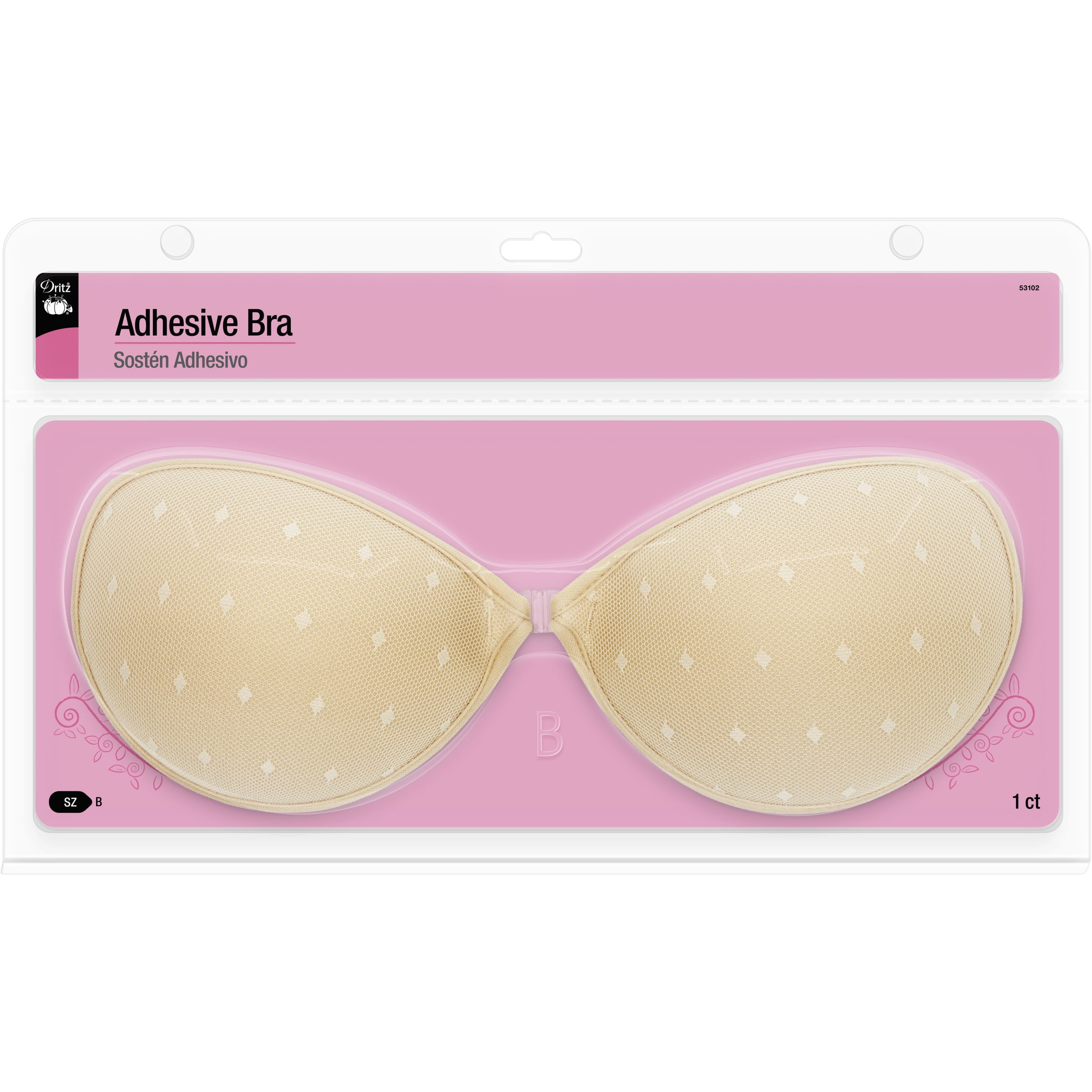
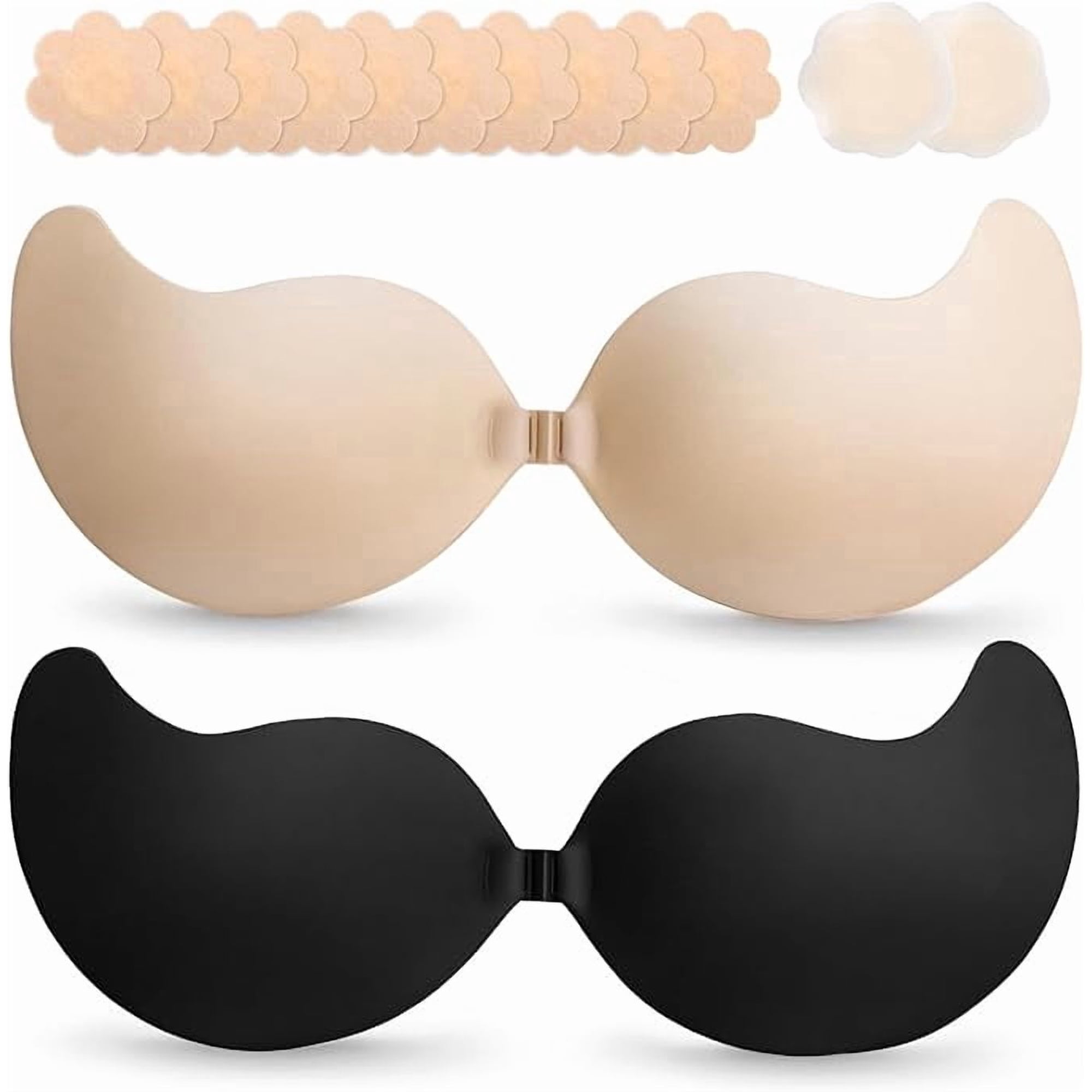
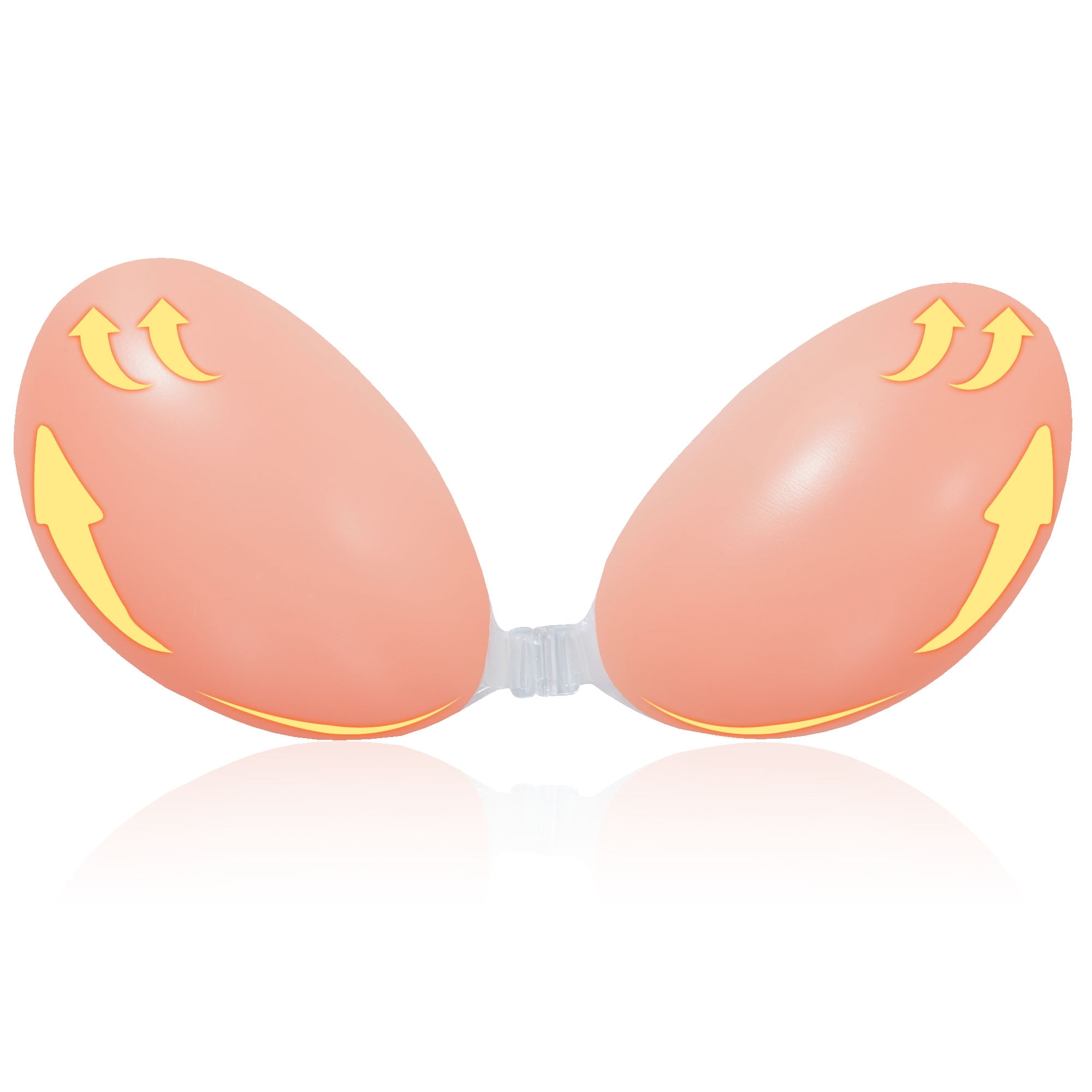
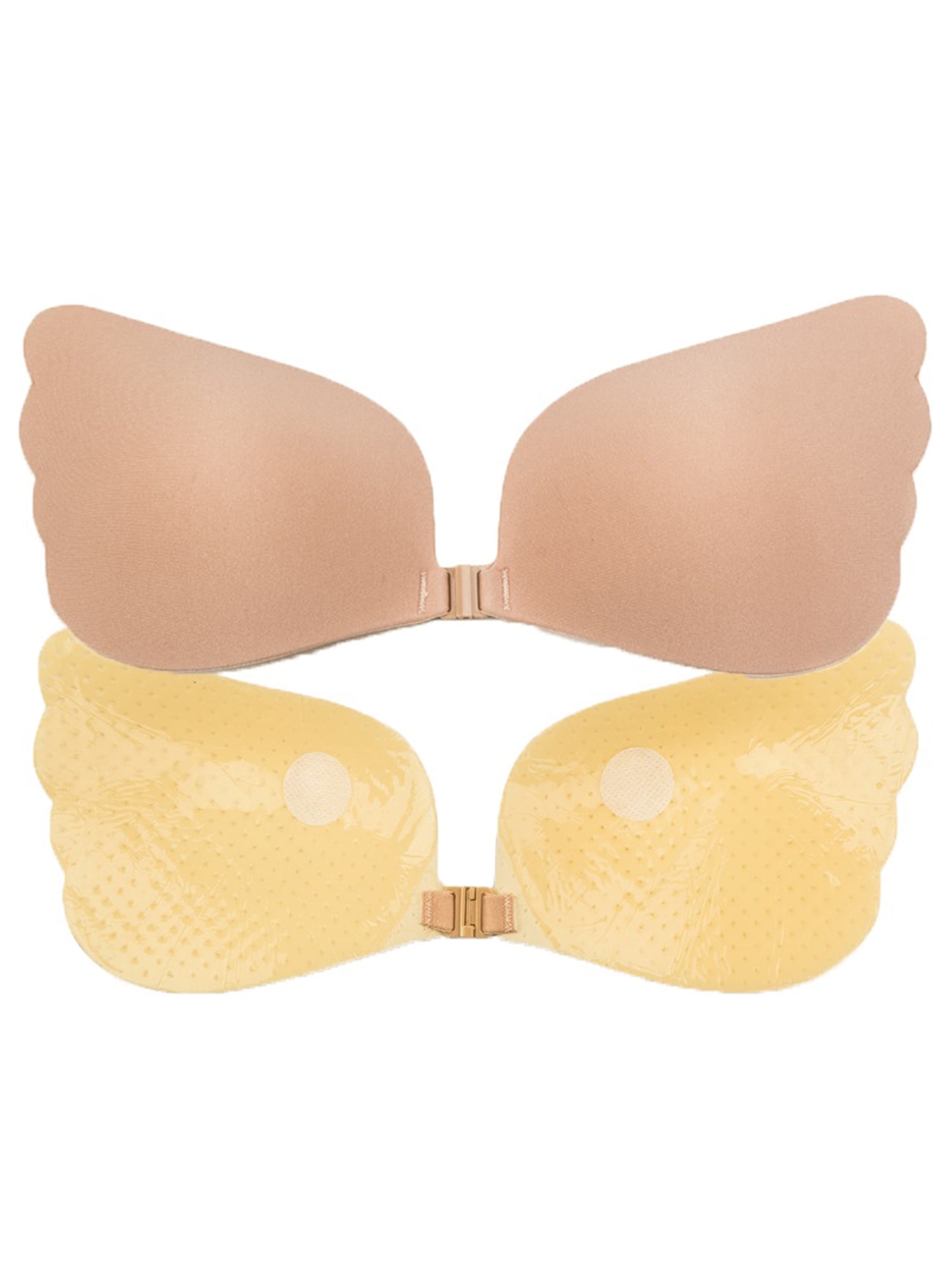
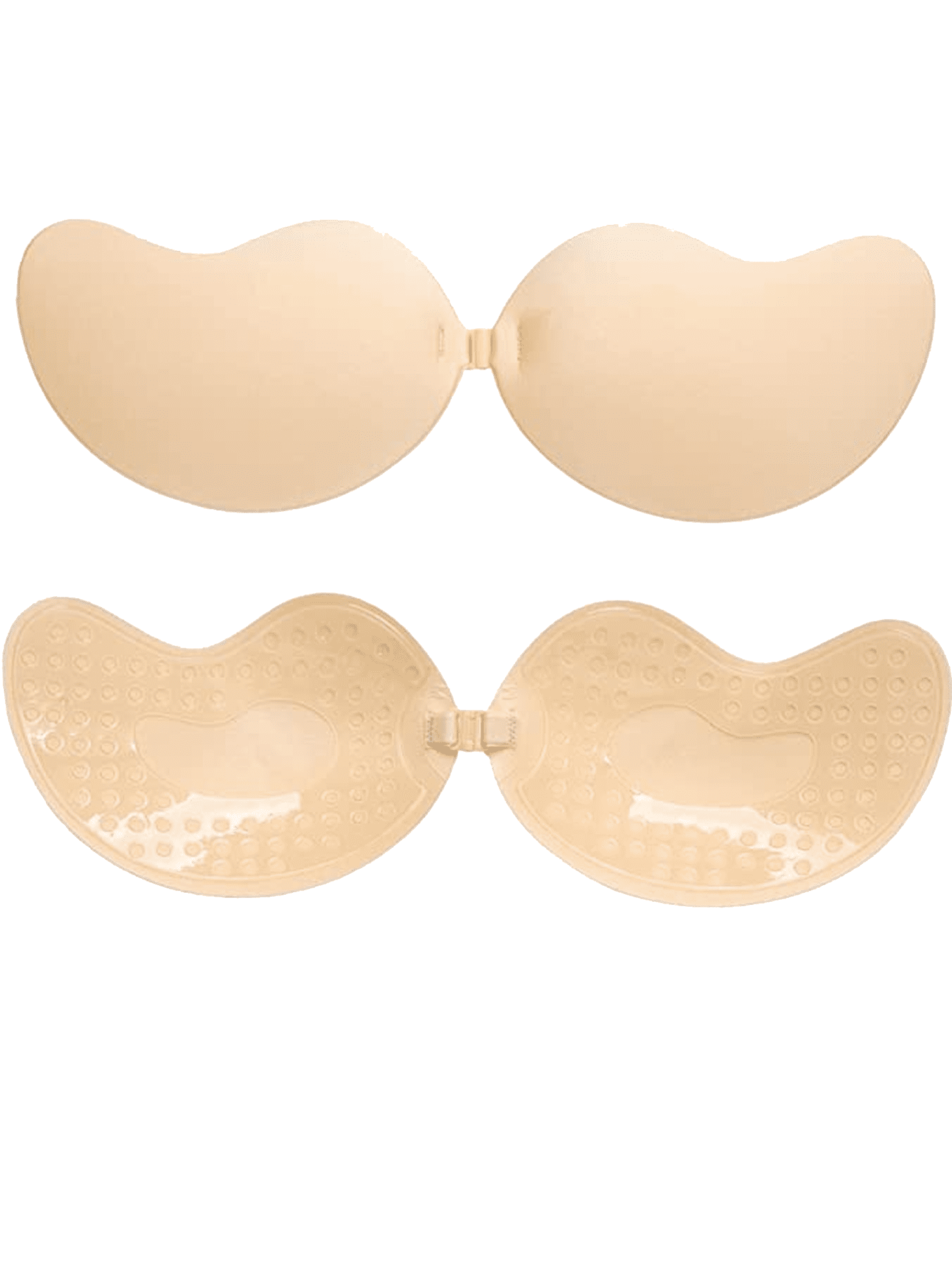
An adhesive bra is a specialized, strapless, and backless undergarment designed to stick directly to the skin using medical-grade silicone or specialized adhesives. It provides coverage and subtle shaping for outfits where traditional bra straps or bands would be visible, such as backless dresses, plunge necklines, or halter tops.
As we navigate the fashion landscape of 2026, the adhesive bra has evolved from a niche "special occasion" item into a versatile staple of the modern wardrobe. While early versions often suffered from poor breathability and unreliable grip, modern iterations utilize advanced biomimetic adhesives and lightweight polymers to provide security without sacrificing skin health. Choosing the right adhesive bra requires an understanding of materials, your specific skin type, and the architectural demands of your clothing. This guide explores everything you need to know to achieve a seamless look while ensuring the longevity of your garment.
Understanding Adhesive Bra Materials and Construction
The efficacy of an adhesive bra is primarily determined by its material composition. By 2026, the industry has standardized around two primary categories: silicone-based and fabric-based (often polyester or nylon) bras. Each serves a distinct purpose depending on the desired silhouette and the environment in which it will be worn.
Silicone Adhesive Bras
Silicone bras are molded from a flexible, skin-like material that mimics the texture and weight of natural breast tissue. These are often the preferred choice for those seeking a natural look under thinner fabrics like silk or satin. The weight of the silicone provides a slight downward pull that can look more realistic than the "pushed-up" look of foam. However, silicone is non-porous, meaning it does not breathe well. In 2026, many high-end brands have introduced micro-perforated silicone to alleviate the "sweat-pooling" effect common in older models.
Fabric Adhesive Bras
Fabric versions are typically made from a lightweight foam core covered in breathable cloth. These are significantly lighter than silicone, making them ideal for long-duration wear or for individuals with larger cup sizes who do not want to add extra weight. Fabric bras are often better at providing a "lift" effect because they can be engineered with internal structures or "wings" that pull the tissue upward and outward toward the armpits.
Medical-Grade Adhesives
The "sticky" part of the bra is generally a pressure-sensitive adhesive (PSA). In current manufacturing, medical-grade silicone gel is the gold standard. It is designed to be hypoallergenic and repositionable. Unlike traditional tapes, these adhesives are meant to be washed and reused. The bond works through a combination of vacuum-like suction and chemical adhesion to the stratum corneum (the outermost layer of skin).
Choosing the Right Style for Your Outfit
Not all adhesive bras are created equal; the "best" one depends entirely on the cut of your clothing. Before purchasing, evaluate the "voids" in your outfit—where is the skin exposed, and where do you need support?
- Individual Cups with Center Clasp: This is the most common design. Two separate cups are applied and then clipped together in the center. This creates significant cleavage by pulling the breasts toward the midline. It is ideal for deep V-neck tops but may not work for extreme plunge necklines that go below the sternum.
- Adhesive Wings: These bras have a traditional front but feature adhesive "paws" or wings that wrap around the side of the ribs. These provide the most security and "lift" because they use the side of the body as an anchor point. They are perfect for backless dresses but require the sides of the outfit to be closed.
- Nipple Covers and Pasties: For outfits with extreme cut-outs where even a standard adhesive bra would show, nipple covers provide modesty without shaping. Modern "XL" covers often provide a slight lifting effect through integrated tabs that pull upward.
- U-Plunge Adhesive Bras: These feature a rigid U-shaped wire or molded foam bridge between the cups that sits very low on the torso. This design is specifically engineered for garments with necklines that reach the navel.
Step-by-Step Application for Maximum Security
The most frequent cause of adhesive bra failure is improper application. Even the strongest adhesive will fail if there is a barrier between the gel and the skin.
Phase 1: Skin Preparation
The skin must be completely free of oils, sweat, and residues. In 2026, dermatologists recommend cleaning the area with a gentle, oil-free cleanser or a quick swipe of 70% isopropyl alcohol for those with oily skin types. Do not apply lotions, perfumes, powders, or body oils to the chest area before application. These substances act as lubricants, causing the adhesive to slide off within minutes.
Phase 2: Positioning
Do not try to apply the bra like a standard bra. Instead, work with one cup at a time. Flip the cup outward (convex) and position it at the bottom of your breast. Gradually roll the cup upward and inward, smoothing out any air bubbles as you go. For maximum cleavage, place the cups further apart and at a slight angle; when you clip them together, they will pull the tissue toward the center.
Phase 3: Setting the Bond
Once both cups are in place, press and hold your hands firmly over the cups for about 30 seconds. The warmth from your palms helps "activate" the pressure-sensitive adhesive, ensuring a more secure bond with the contours of your body.
Comparison of Adhesive Support Systems
The following table compares the three most common adhesive solutions available in 2026 to help you decide which fits your specific needs.
| Feature | Silicone Adhesive Bra | Fabric Adhesive Bra | Boob Tape (Roll) |
|---|---|---|---|
| Primary Benefit | Natural feel and look | Lightweight and breathable | Customization and max lift |
| Reusability | High (20–50 wears) | Moderate (15–25 wears) | Single-use only |
| Breathability | Low (unless perforated) | Moderate to High | Low to Moderate |
| Best For | Silk/Tight clothing | Long events/Hot weather | Extreme plunges/Large busts |
| Support Level | Light to Moderate | Moderate | High (with proper technique) |
| Water Resistance | High (Sweat resistant) | Low (Absorbs moisture) | Moderate (Sweat resistant) |
Maintenance: Cleaning and Storage to Extend Life
The longevity of an adhesive bra depends on how well you manage the buildup of skin cells and oils on the adhesive surface. High-quality bras can last for dozens of wears if maintained correctly.
- Wash after every use: Even if you didn't sweat, skin cells accumulate on the adhesive. Use lukewarm water and a drop of mild, fragrance-free soap. Avoid using your fingernails; use the pads of your fingers to gently massage the adhesive surface.
- Avoid harsh chemicals: Never use bleach, alcohol, or abrasive scrubbers on the adhesive, as these will dissolve the silicone bond.
- Air dry only: Shake off excess water and lay the cups adhesive-side up in a dust-free area. Never use a towel to dry the adhesive side, as lint will permanently stick to it and ruin the grip.
- Original Packaging is Key: Once dry, reapply the original plastic protective films to the adhesive surfaces. This prevents the adhesive from drying out or collecting dust. Store them in their original contoured travel case to maintain the cup shape.
Troubleshooting Common Issues
The "Peeling" Edge
If the edges of the bra start to lift, it is usually because the cup is too small or the skin was not dry during application. If this happens while you are out, avoid touching the adhesive with your fingers. If possible, find a restroom, clean the skin with water, let it dry completely, and press the cup back into place.
Sweat and Humidity
Sweat is the natural enemy of adhesion. In high-humidity environments, a fabric adhesive bra is often superior because it can absorb a small amount of moisture before the bond is compromised. If you are prone to heavy sweating, consider using a skin barrier spray (often sold for medical or athletic use) which creates a tacky, sweat-resistant film on the skin.
Skin Irritation
Most adhesive bras use medical-grade silicone, which is inert. However, the lack of airflow can cause "miliaria" (heat rash) if worn for more than 8–10 hours. If you develop redness or itching, remove the bra immediately. Do not wear adhesive bras on sunburnt or broken skin.
Frequently Asked Questions
Can I wear an adhesive bra if I have a large bust (D cup or above)?
Yes, but the goal shifts from "lift" to "coverage and containment." In 2026, many brands offer reinforced adhesive bras with larger surface areas to distribute the weight. For maximum lift in larger sizes, "boob tape" or adhesive bras with side-wing extensions are generally more effective than standard clip-front silicone cups.
How many times can I actually reuse a sticky bra?
With proper care, a high-quality silicone bra can last between 30 and 50 applications. Fabric versions typically last between 15 and 25. The adhesive doesn't "run out," but it does become clogged with microscopic debris over time. When the edges no longer stay down after a thorough cleaning, it is time for a replacement.
Is it safe to wear an adhesive bra every day?
It is not recommended for daily use. The skin on the chest is thin and sensitive; constant application and removal of adhesive can cause mechanical irritation (stripping of the skin layers). Furthermore, the lack of breathability can lead to bacterial growth or clogged pores if the skin isn't allowed to breathe regularly.
Can I swim in an adhesive bra?
While some silicone bras are marketed as water-resistant, they are generally not designed for active swimming. The force of the water combined with the movement of the body will likely break the seal. For swimwear, it is better to use sewn-in silicone inserts or "swim-specific" adhesive pads that have a much stronger, single-use bond.
How do I remove the bra without hurting my skin?
Never rip the bra off like a bandage. Slowly peel it from the top edge downward while holding the skin taut with your other hand. If the adhesive feels particularly stubborn, you can apply a small amount of baby oil or warm water to the edges to help break the bond, though keep in mind that oil will ruin the bra's reusability.
Professional Advice and Final Recommendation
When investing in an adhesive bra, prioritize the quality of the adhesive over the price point. Cheap, non-medical grade adhesives can cause chemical burns or allergic contact dermatitis. If you are preparing for a major event, such as a wedding or gala, conduct a "wear test" at least one week prior. Wear the bra for 4–6 hours in a controlled environment to ensure you do not have an adverse reaction to the adhesive and to verify that the support is sufficient for your outfit. For the best results in 2026, look for brands that offer "biomimetic" or "breathable" labels, as these represent the current peak of comfort and reliability in adhesive garment technology.