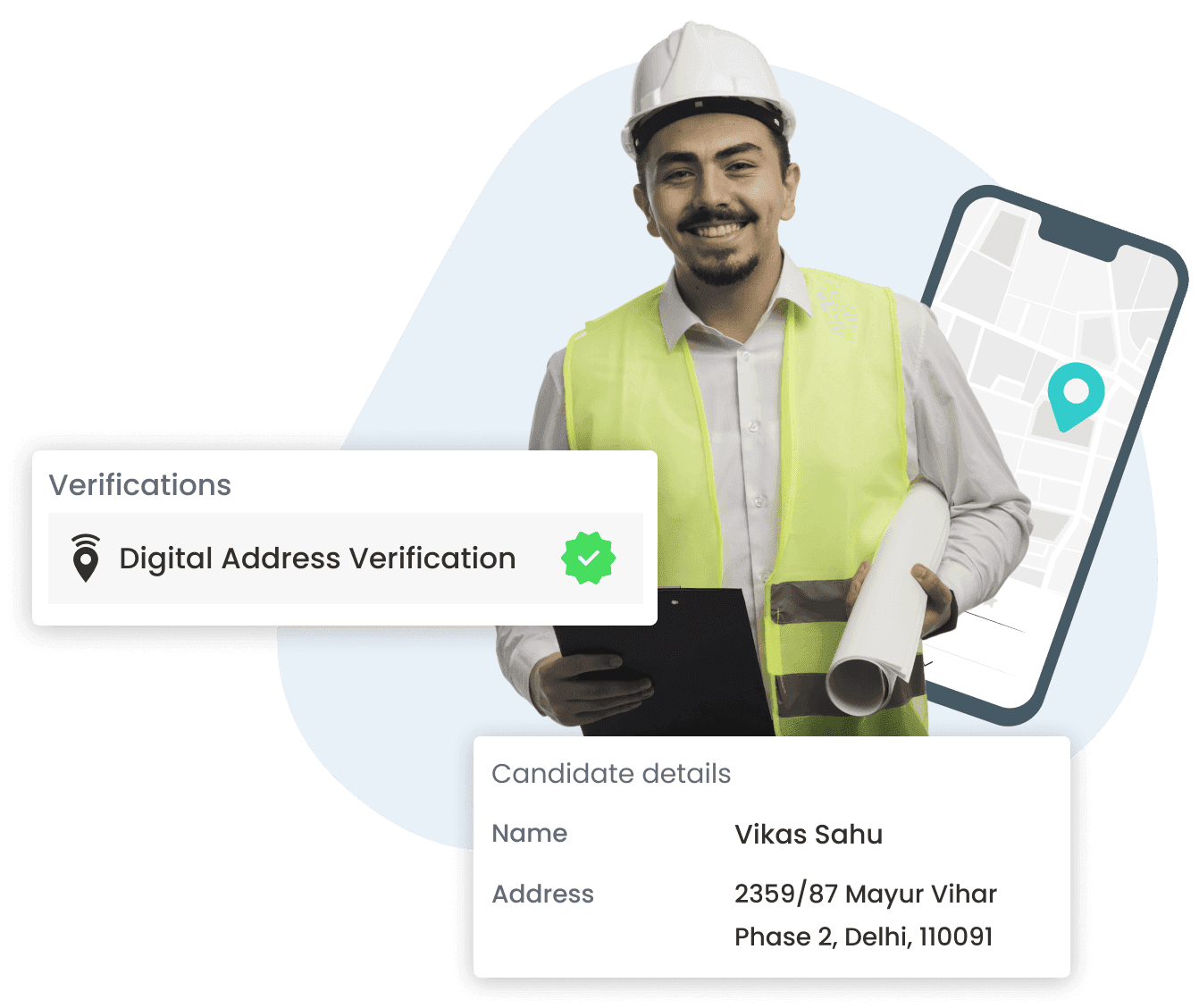
Address verification is the process of checking a physical address against an authoritative database to ensure it exists, is correctly formatted, and is deliverable. By comparing user-provided data with official records like the USPS in the United States or Royal Mail in the UK, businesses eliminate shipping errors, reduce fraud, and maintain high-quality data for logistics and compliance.
The Core Mechanics of Address Verification
Address verification, often used interchangeably with address validation, is not a single action but a three-stage technical process designed to transform "dirty" or unstructured data into a clean, actionable format. In 2026, this process has become the backbone of global logistics and digital identity verification, moving far beyond simple zip code lookups.
The first stage is parsing. When a user enters an address into a web form, they often do so in a single string or with inconsistent capitalization and punctuation. Parsing software uses sophisticated algorithms to break this string into its constituent parts: the house number, street name, street type (e.g., Avenue vs. Blvd), unit or suite number, city, state/province, and postal code.
The second stage is standardization. Every national postal authority has a preferred format. In the U.S., the United States Postal Service (USPS) mandates specific abbreviations and formatting under the Coding Accuracy Support System (CASS). Standardization ensures that "123 North Main Street, Apartment 4" becomes "123 N MAIN ST APT 4". This step is crucial because it allows the system to compare the input against a master database without being tripped up by minor variations in spelling or formatting.
The final and most critical stage is validation or verification. This is where the standardized address is checked against an official, authoritative database. The system confirms whether the address actually exists in the real world. In the U.S., this often involves Delivery Point Verification (DPV), which confirms whether the mail carrier actually stops at that specific door. An address can be "valid" in terms of format but "undeliverable" if the building is vacant or the address has not yet been activated in the postal database.
Why Address Verification is Essential for Modern Business
In the current landscape of 2026, the cost of inaccurate data is higher than ever. Businesses across e-commerce, finance, and healthcare rely on address verification to protect their bottom line and ensure regulatory compliance.
Reducing Logistics and Operational Costs
For e-commerce and logistics companies, "Return to Sender" is a significant expense. When a package is sent to an incorrect or incomplete address, the company incurs the cost of the initial shipping, the return shipping, and the labor required to process the failed delivery and contact the customer. Address verification at the point of entry—usually the checkout page—drastically reduces these occurrences. By prompting a user to correct a typo or suggesting a standardized version of their address, businesses ensure a higher first-time delivery success rate.
Fraud Prevention and Identity Verification
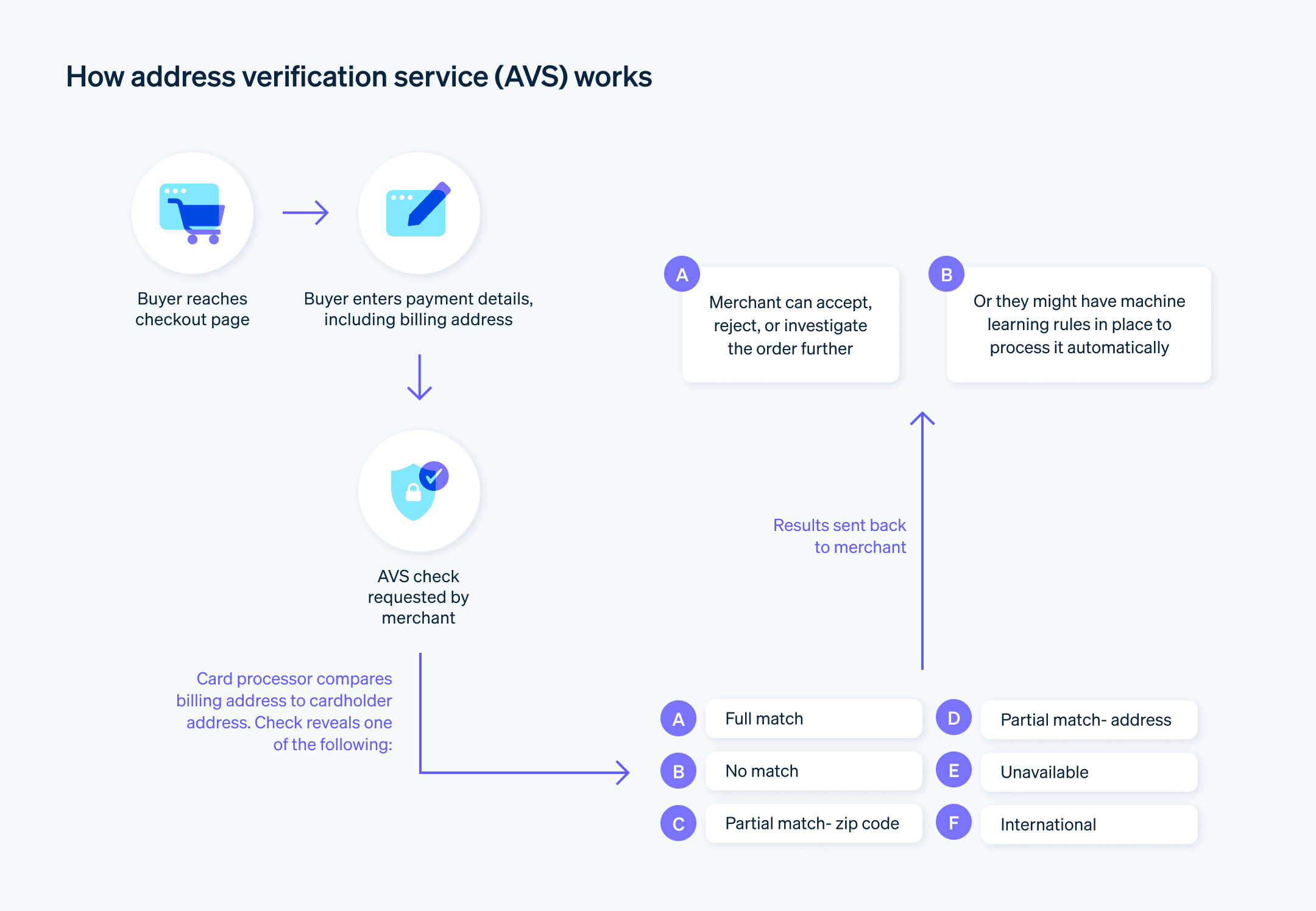
Address verification serves as a primary layer of defense in fraud prevention. In financial services, the Address Verification Service (AVS) is used during credit card transactions to compare the billing address provided by the customer with the address on file at the issuing bank. If the addresses do not match, the transaction can be flagged or declined. Beyond simple credit card checks, verified addresses are a core component of Know Your Customer (KYC) and Anti-Money Laundering (AML) protocols, helping to verify that an individual is who they claim to be and resides where they say they do.
Data Integrity and CRM Health
For marketing and sales departments, a Clean Customer Relationship Management (CRM) system is vital. Duplicate entries often occur because the same address is entered in different ways (e.g., "123 5th Ave" vs. "123 Fifth Avenue"). Address verification standardizes these entries upon input, preventing duplicates and ensuring that location-based analytics and marketing campaigns are based on accurate data.
Technical Implementation: API vs. Batch Processing
Organizations typically implement address verification through two primary methods: real-time APIs or batch processing. The choice depends on the specific use case and the volume of data.
Real-Time Address Verification APIs
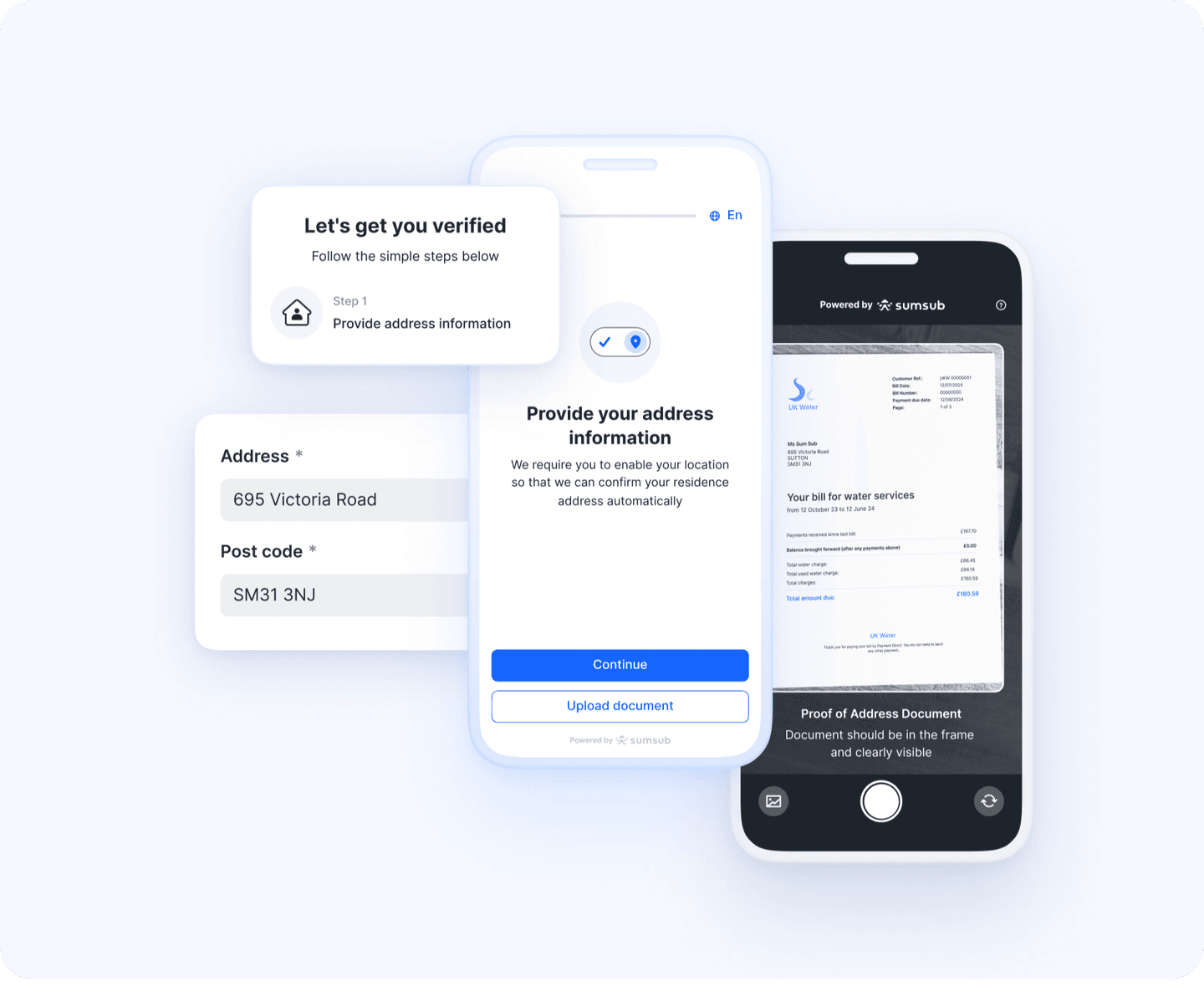
This is the most common implementation for customer-facing applications. When a user begins typing their address into a field, the API provides "auto-complete" suggestions based on authoritative data. This not only ensures accuracy but also improves the user experience by reducing the amount of typing required. These APIs are integrated into checkout pages, registration forms, and mobile apps. They offer the highest level of accuracy because the data is verified at the moment of creation.
Batch Processing for Legacy Data
Companies that have accumulated millions of records over decades often use batch processing. In this scenario, a database file is uploaded to a verification service, which processes the records in bulk. The service appends missing data (such as ZIP+4 codes), corrects formatting, and flags addresses that are no longer valid. This is essential for organizations preparing for large-scale direct mail campaigns or migrating data to a new CRM system.
Geocoding and Spatial Intelligence
Modern address verification often includes geocoding, which is the process of converting a physical address into geographic coordinates (latitude and longitude). In 2026, geocoding is used for more than just mapping; it enables "rooftop level" accuracy. This is critical for insurance companies assessing risk (e.g., proximity to a flood zone) or for delivery services optimizing routes for autonomous drones and electric vehicle fleets.
Comparison of Address Verification Methods
The following table compares the different approaches to verifying address data to help organizations choose the right strategy for their needs.
| Feature | Real-Time API | Batch Processing | Manual Verification |
|---|---|---|---|
| Primary Use Case | E-commerce Checkouts, Sign-ups | Database Cleaning, Direct Mail | High-Value KYC, Legal Audits |
| Speed | Instant (Milliseconds) | High Volume (Minutes/Hours) | Very Slow (Days) |
| Accuracy | Highest (Validated at source) | High (Depends on data age) | Variable (Human Error) |
| Cost | Per-lookup fee | Bulk pricing (lower per record) | High labor costs |
| Implementation | Requires developer integration | File upload/No-code tools | Administrative process |
| User Experience | Excellent (Auto-complete) | N/A (Back-office) | Poor (Delayed) |
Global Challenges in International Address Verification
Verifying addresses within a single country is relatively straightforward, but global operations face significant complexity. There is no single universal format for addresses; for example, the postal code precedes the city in some countries and follows it in others.
Some nations, such as the United Arab Emirates, have historically relied on PO Boxes or descriptive addresses rather than traditional street numbers. In these regions, verification services must utilize alternative data sources, such as the Universal Postal Union (UPU) standards and local governmental data, to ensure accuracy.
Furthermore, character sets pose a challenge. A robust global verification system must support transliteration, converting addresses from non-Latin scripts (such as Cyrillic, Kanji, or Arabic) into Latin characters while maintaining the integrity of the data for local delivery. As of 2026, AI-driven parsing has significantly improved the ability to handle these international nuances, allowing businesses to expand into emerging markets with greater confidence in their logistics chains.
Common Mistakes and Troubleshooting
Despite the availability of advanced tools, many organizations struggle with address verification due to poor implementation or a lack of understanding of postal data.
- Confusing Validation with Deliverability: As mentioned previously, an address can be formatted correctly according to postal standards but still be undeliverable. This happens if a building is under construction, demolished, or vacant. It is essential to use services that provide a "deliverability" flag, not just a "valid format" flag.
- Neglecting the "Suite" or "Apartment" Number: One of the leading causes of delivery failure is the omission of secondary address units. Modern verification tools should use Sub-Premise data to ensure that the specific unit within a high-rise or office complex exists.
- Relying on Outdated Databases: Postal databases change daily as new streets are built and zip codes are realigned. Using a local, "static" copy of a postal database is a recipe for error. Cloud-based APIs are the gold standard because they are updated in real-time by the service provider.
- Ignoring Multi-Unit Dwellings: In dense urban environments, "rooftop" geocoding might point to a building that contains 500 different addresses. Verification must go beyond the coordinates to confirm the specific delivery point within that structure.
FAQ: Common Questions About Address Verification
What is CASS certification in address verification?
CASS (Coding Accuracy Support System) is a certification issued by the USPS to software providers. It ensures that the software correctly identifies, corrects, and adds missing zip code information to addresses. Using CASS-certified software is a requirement for businesses that want to qualify for bulk mailing discounts in the United States.
Does address verification work for P.O. Boxes?
Yes, authoritative databases like those from the USPS include P.O. Box information. Verification services can confirm if a P.O. Box exists at a specific post office and if it is currently active. However, some private couriers (like FedEx or UPS) may have restrictions on delivering to P.O. Boxes, so verification must be paired with shipping logic.
How often should I clean my existing address database?
For most businesses, a quarterly "scrub" of the database is recommended. Approximately 10-15% of the population moves every year, and postal boundaries change frequently. If you are running a high-volume direct mail campaign, you should perform a batch verification immediately before printing to minimize waste.
Is address verification the same as identity verification?
No, but it is a component of it. Address verification confirms that an address is real and deliverable. Identity verification confirms that a specific person is associated with that address. While a verified address is a strong indicator, true identity verification requires additional checks, such as social security numbers, government IDs, or biometric data.
Can address verification identify if an address is residential or commercial?
Yes, many premium address verification APIs provide an RDI (Residential Delivery Indicator). This is particularly useful for shipping companies, as many carriers charge different rates or have different delivery schedules for residential versus business addresses.
Strategic Recommendations for Implementation
To maximize the value of address verification in 2026, organizations should move away from reactive "data cleaning" toward proactive "data integrity."
The first step is to implement verification at the point of capture. Use a real-time API with auto-complete functionality to ensure that errors never enter your system in the first place. This improves user experience and immediately validates the data.
Secondly, standardize your global data. If you operate in multiple countries, use a provider that offers a single, unified API for international addresses. This simplifies your technical stack and ensures consistent reporting across your entire organization.
Finally, leverage spatial data. Don't stop at just the text of the address. By integrating geocoding and RDI data, you can optimize your logistics, target your marketing more effectively, and gain deeper insights into your customer base. Address verification is no longer just a utility for the mailroom; it is a fundamental tool for digital transformation and operational excellence.