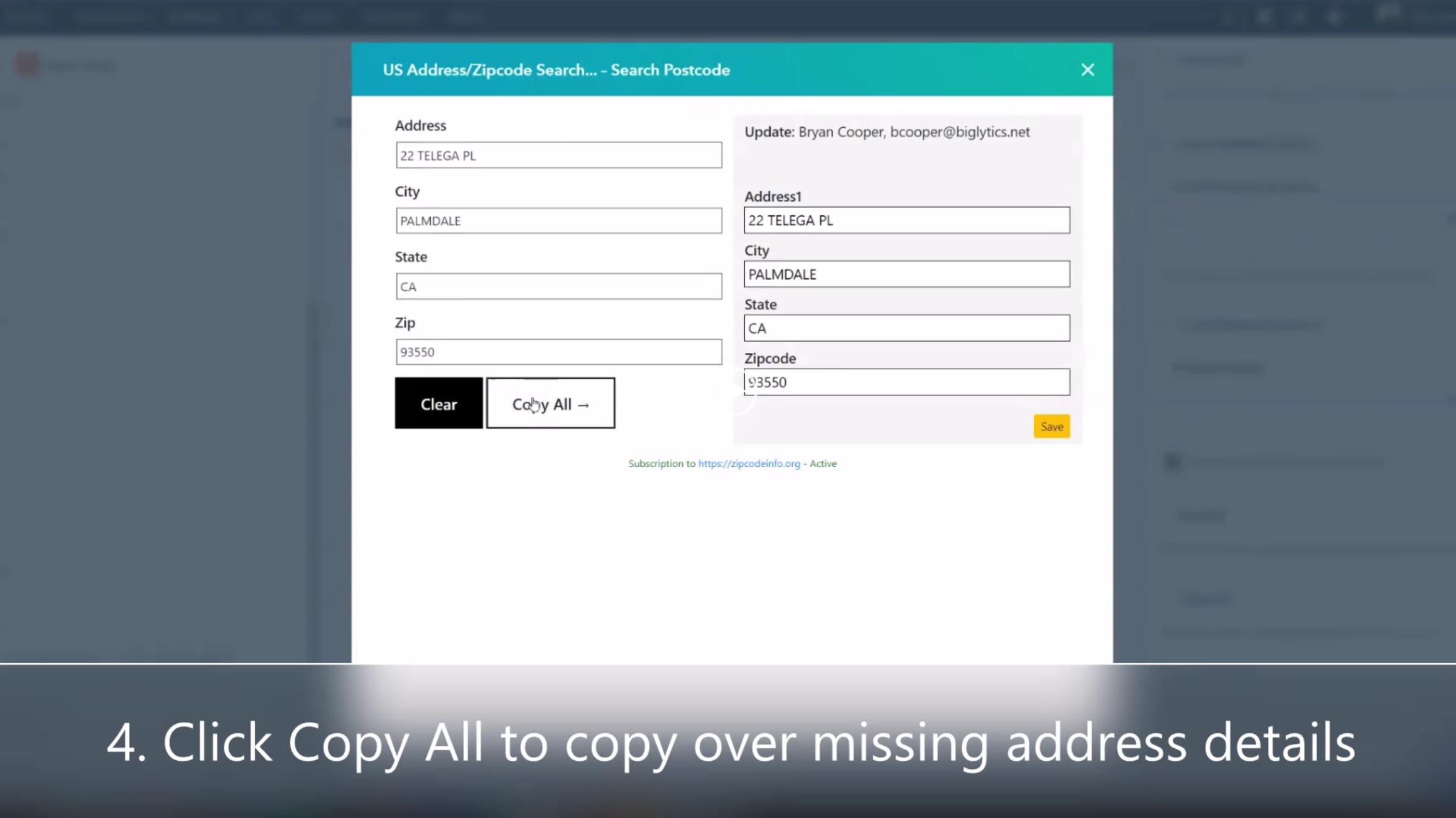
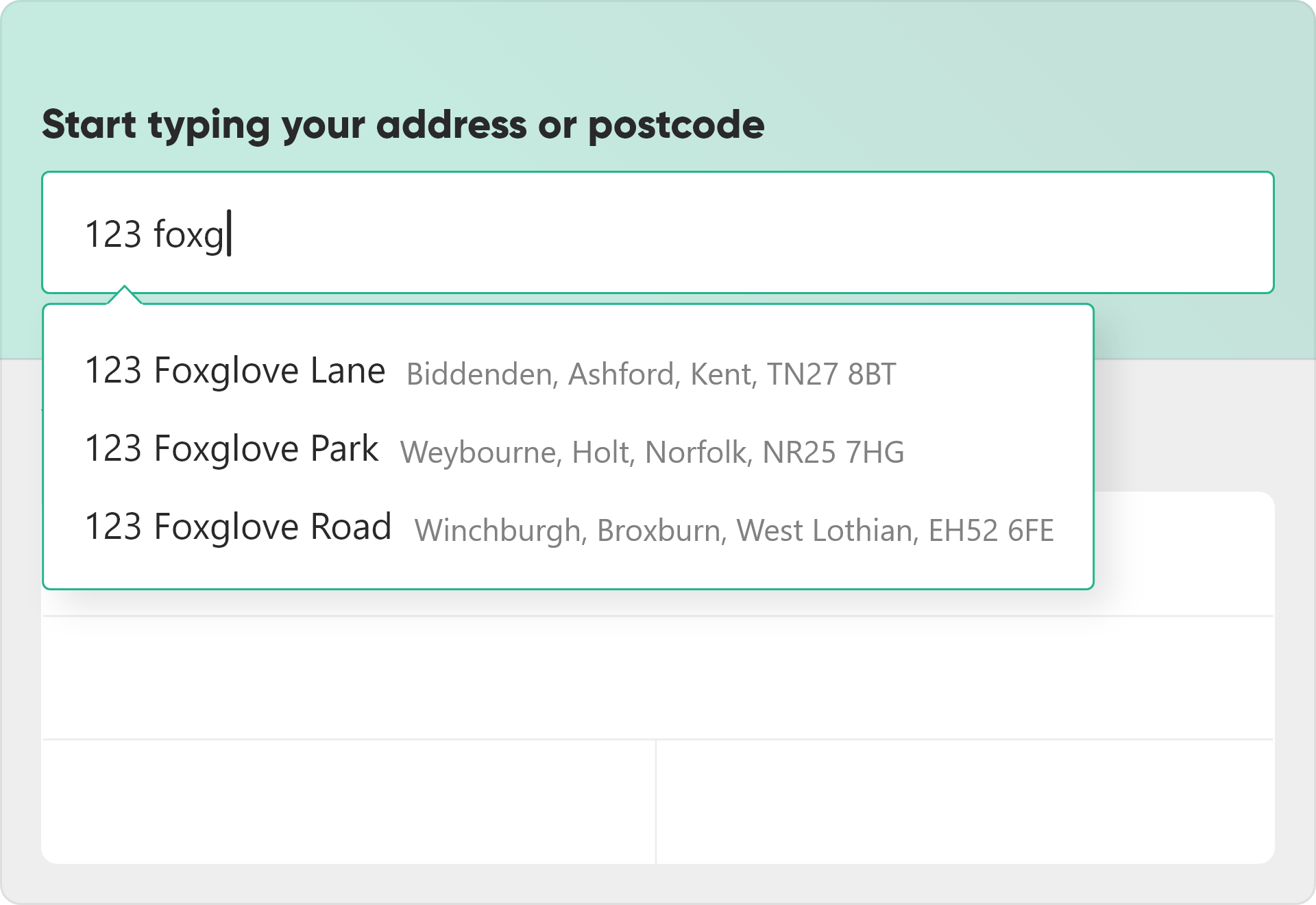
An address search is the process of locating a specific physical geographic location or retrieving detailed information about a property and its occupants. In 2026, this is primarily achieved through a combination of government public records, postal standardization tools, and private data aggregators. Whether you are verifying a delivery destination, conducting real estate due diligence, or attempting to locate a person, understanding the specific databases and legal frameworks involved is essential for obtaining accurate, actionable data.
While the term most commonly refers to physical property locations, it can occasionally apply to digital identifiers like IP addresses. However, for the vast majority of consumer and professional inquiries, an address search focuses on the "built environment"—the houses, offices, and land parcels that constitute our physical communities.
The Evolution of Address Search Technology in 2026
The landscape of address searching has shifted significantly over the last decade. As of 2026, the integration of high-resolution satellite imagery, real-time logistics data, and centralized municipal databases has made the process faster and more precise than ever before. We no longer rely solely on static "phone books" or outdated maps. Modern searches utilize Geographic Information Systems (GIS) to provide layered data, including property boundaries, tax history, and even environmental risk factors.
The primary goal of a modern search is often verification. In an era of increased remote work and digital-first commerce, ensuring that a physical address is "deliverable" and "valid" is a critical first step for businesses. For individuals, the intent is often more personal, such as skip tracing for legal reasons or researching the history of a potential new home. Understanding the distinction between "Forward" searches (finding an address from a name) and "Reverse" searches (finding information about a specific location) is the first step in mastering these tools.
Primary Methods for Physical Address Verification
When the goal is simply to confirm that an address exists and is formatted correctly, specialized tools are required. Using a standard search engine may yield results, but it does not guarantee that the address is recognized by official mail carriers or government agencies.
USPS and Postal Standardization Tools
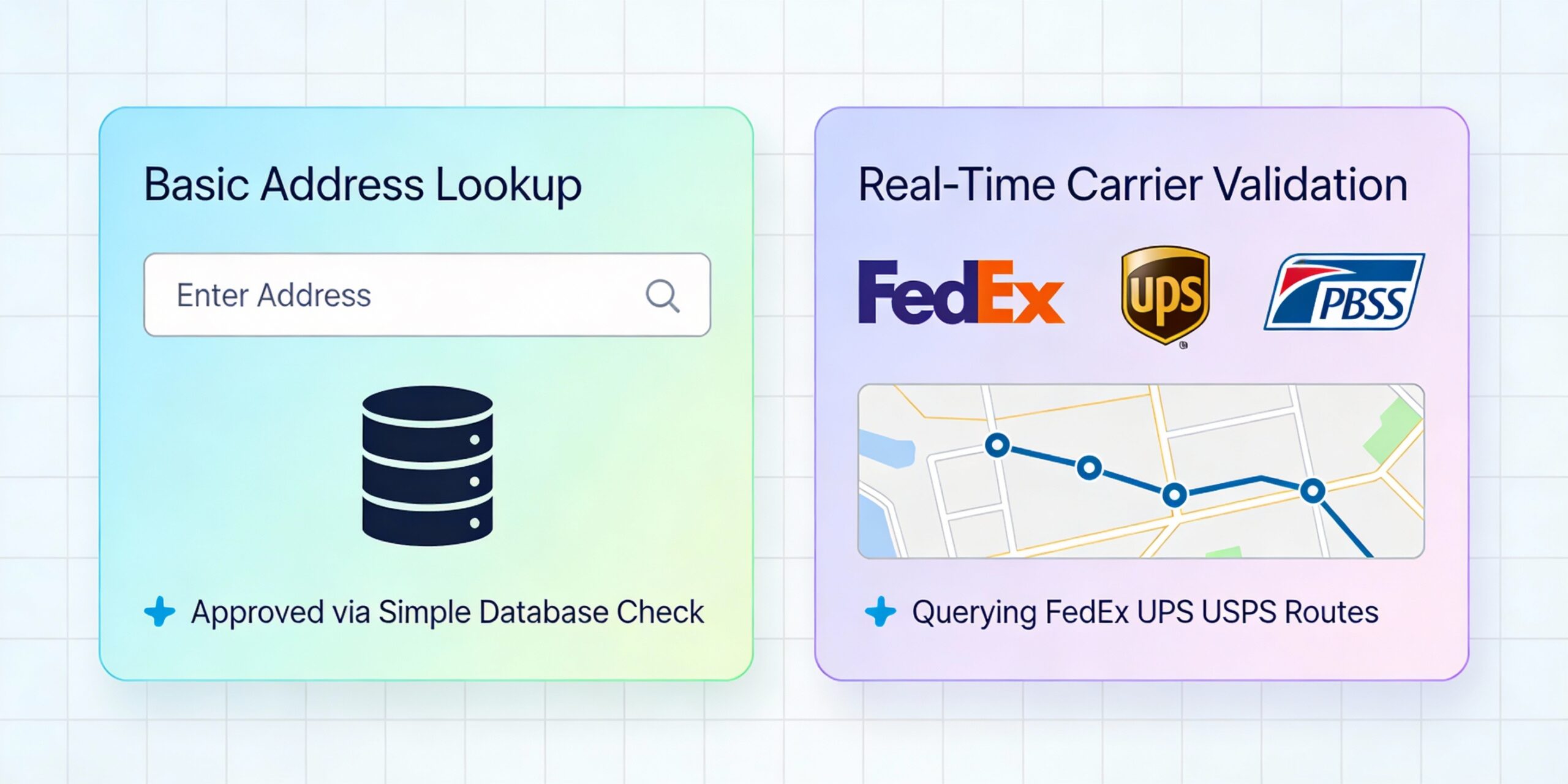
The United States Postal Service (USPS) provides the foundational data for most address searches in the U.S. through the ZIP Code Lookup tool. In 2026, this remains a vital resource for ensuring an address meets "CASS" (Coding Accuracy Support System) standards. When you input an address, the system corrects abbreviations, adds the "ZIP+4" extension, and confirms whether the location is a residential or commercial "drop point." This is essential for preventing shipping errors and ensuring legal notices are served to a valid location.
Mapping Services and GIS
Google Maps, Apple Maps, and specialized GIS platforms like Esri provide the visual and spatial context for an address. These services go beyond text-based confirmation by showing the physical characteristics of the site. In a professional context, GIS is used by urban planners and real-estate developers to see how a specific address interacts with local infrastructure, zoning laws, and topography.
Deep Dive into Public Records and Property Data
For those needing more than just a location, public records offer a wealth of information regarding ownership, value, and legal status. Every municipality maintains records that are, by law, accessible to the public, though the ease of access varies by jurisdiction.
The Role of the County Assessor
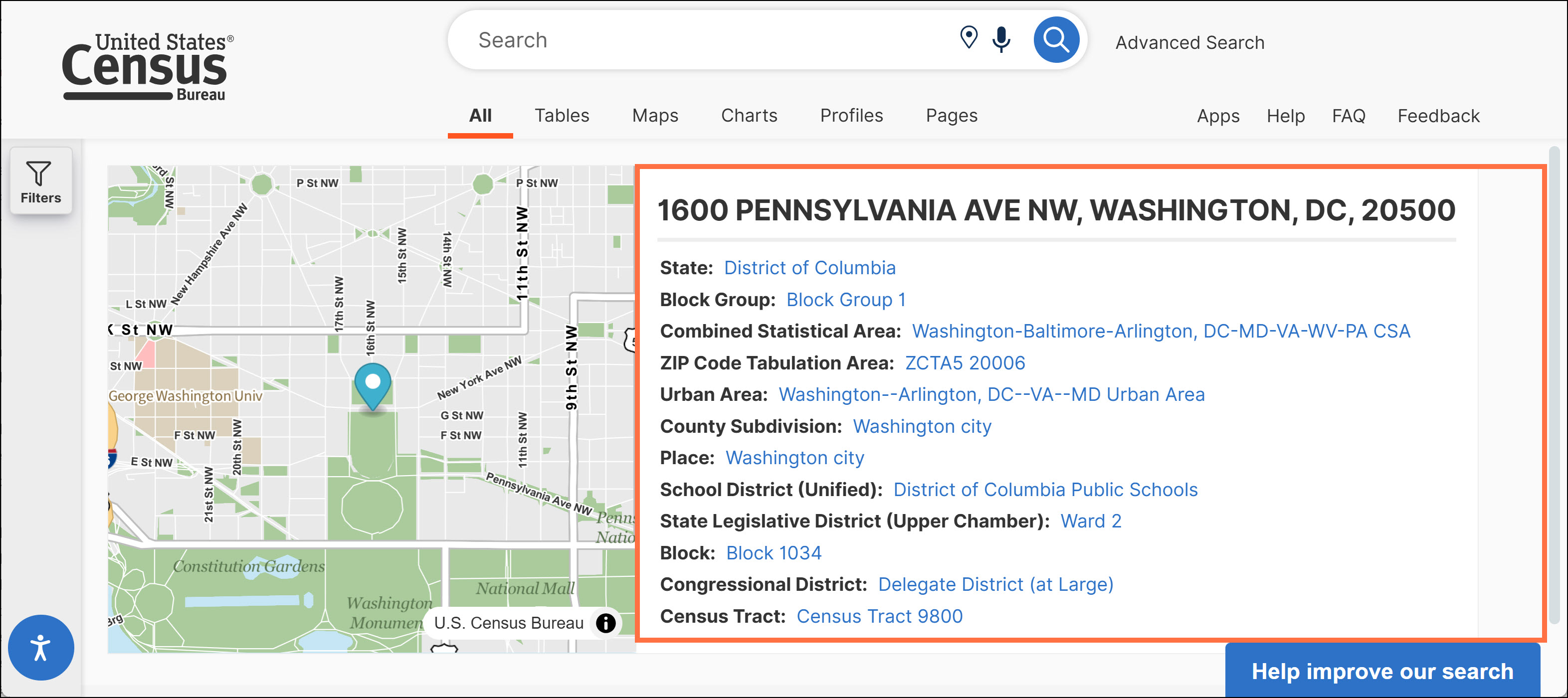
The County Assessor’s office is the most reliable source for property-specific address searches. Their databases are designed to track property value for taxation purposes, but they also include the owner of record, the total acreage, the year the structure was built, and a history of property assessments. Most counties in 2026 offer online portals where users can search by "Parcel Identification Number" (PIN) or the physical street address.
The Register of Deeds and Title History
If your search is intended to uncover the "chain of title," you must look toward the Register of Deeds or County Recorder. This office manages the actual legal documents—deeds, mortgages, liens, and easements—associated with an address. This level of search is critical for real estate transactions to ensure the property is free of "clouds" or legal encumbrances that could prevent a clean sale.
| Search Type | Primary Tool/Source | Data Provided | Best Use Case |
|---|---|---|---|
| Verification | USPS ZIP Lookup | Standardized format, ZIP+4 | Shipping and mailing |
| Ownership | County Assessor | Owner name, tax value, lot size | Real estate research |
| Legal Status | Register of Deeds | Liens, mortgages, easements | Due diligence/Closing |
| Visual/Spatial | Google/Apple Maps | Street view, proximity, traffic | Navigation and logistics |
| Identity | People Search Sites | Occupant history, phone numbers | Reconnecting/Skip tracing |
Reverse Address Search: Uncovering Occupant Information
A "Reverse Address Search" is used when you have the location but need to know who lives or works there. This method is frequently used by legal professionals, private investigators, and marketers.
Commercial Data Aggregators
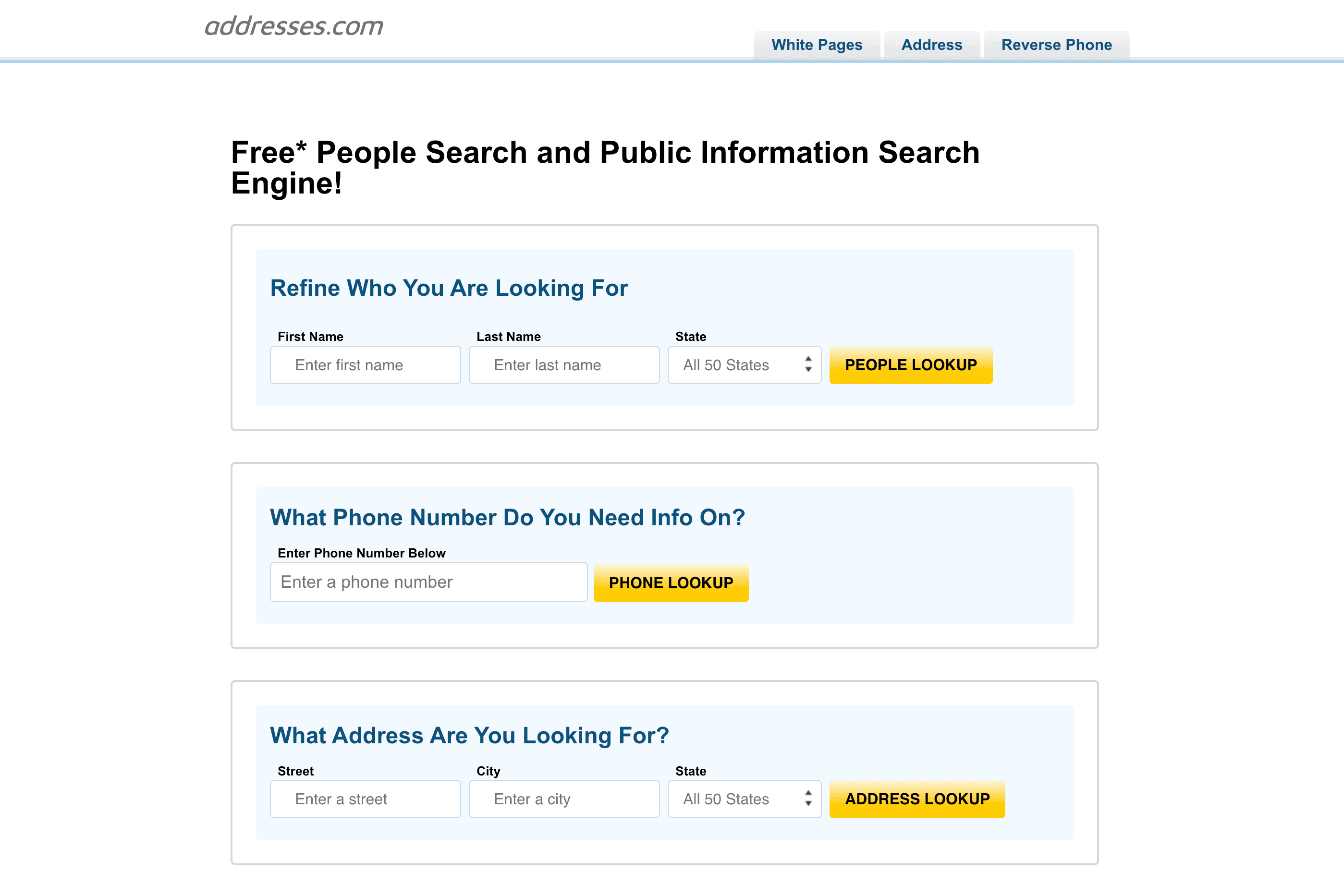
Companies like White Pages, Spokeo, and Intelius aggregate data from various sources, including utility records, credit headers, and marketing sign-ups. When you perform a reverse search on these platforms, they return a list of current and past residents associated with the address. By 2026, these tools have become more sophisticated, often linking social media profiles and professional affiliations to the physical location.
Accuracy and Latency Issues
It is important to note that commercial databases often suffer from "data latency." While government property records are updated based on legal filings, private aggregators may still show a previous tenant or owner months after they have moved. Users should always cross-reference commercial results with official municipal records to ensure the most current information.
Legal Frameworks and Privacy Considerations in 2026
The ability to perform an address search comes with significant legal responsibilities. In 2026, privacy regulations have tightened globally, placing stricter limits on how data can be accessed and used.
The Fair Credit Reporting Act (FCRA)
In the United States, the Fair Credit Reporting Act governs how information found through "people search" sites can be used. It is illegal to use data from a non-FCRA compliant address search for:
- Employment screening
- Tenant background checks
- Determining eligibility for credit or insurance
Most consumer-facing search tools are not compliant with the FCRA, and using them for these purposes can result in severe legal penalties.
State-Level Privacy Laws (CCPA/CPRA and Beyond)
Laws like the California Consumer Privacy Act (CCPA) and its successors allow residents to "opt-out" of having their information sold by data brokers. This means that a search for a resident in a state with strong privacy protections may return fewer results than in other regions. In 2026, many individuals have taken steps to "scrub" their addresses from public-facing commercial sites, making official government records the only reliable fallback.
Practical Steps for a Successful Address Search
If you are starting a search today, following a structured process will save time and improve the accuracy of your results.
- Standardize the Input: Start by running the address through the USPS ZIP Code Lookup. This ensures you are using the correct spelling and suffix (e.g., "Street" vs. "Avenue").
- Check Local Government Portals: Visit the website of the County Assessor for the area. Search for the owner’s name and property tax status. This is the most "official" data you can get for free.
- Utilize GIS Maps: Use a mapping service to see the physical layout. This can reveal if an address is a single-family home, a multi-unit apartment building, or a commercial warehouse.
- Reverse Search for Occupants: If you need the name of an individual, use a reputable people-search tool, but be wary of the "paywalls" and the age of the data.
- Verify via Social/Professional Networks: For business addresses, LinkedIn or official corporate filings (Secretary of State) often provide the most current office location data.
Common Obstacles in Address Searching
Despite the abundance of data in 2026, several factors can complicate an address search. One common issue is the use of "Private Mailboxes" (PMBs) or P.O. Boxes. These addresses represent a mailing destination but not a physical residence. In such cases, the searcher may find the address of a UPS Store or a post office rather than the individual's actual home.
Another obstacle is the "unincorporated" area. In many parts of the country, an address might list a city name for mailing purposes, but the property actually sits outside city limits in a county jurisdiction. This changes which government office holds the records, often requiring the searcher to pivot from municipal to county-level databases.
FAQ
How can I find out who lives at a specific address for free?
The most reliable free method is to check the County Assessor’s website for the property owner's name. For renters, you can try searching the address in quotes on search engines to find old rental listings or white-pages directories, though these are often less accurate than owner records.
Are reverse address searches legal in 2026?
Yes, they are generally legal as they rely on public records and voluntarily shared data. However, you must comply with the FCRA if you intend to use the information for credit, insurance, or employment purposes. Some states also allow residents to opt-out of commercial data sharing.
Why does the USPS say an address is invalid when I can see it on a map?
An address might be "invalid" to the USPS if it is not a recognized mail delivery point. This often happens with new construction that hasn't been added to the postal database yet, or with structures that share a single primary mailbox (like some ADUs or subdivided lots).
How do I find the history of a property?
Property history is best tracked through the County Recorder or Register of Deeds. You can search for "Grantor/Grantee" indexes to see a list of every person who has owned the property and any legal actions, such as foreclosures or easements, that have been recorded over time.
Can I find a physical address using an IP address?
An IP address search (geolocation) usually only provides a general area, such as a city or a ZIP code. It does not provide a specific street address or house number due to privacy protections and the way internet service providers (ISPs) route traffic.
Advancing Your Search with Professional Tools
For those whose needs go beyond basic verification, professional-grade tools offer deeper insights. Skip-tracing software used by legal professionals provides "best-match" address history by analyzing high-frequency data points like utility connections and magazine subscriptions. Meanwhile, real estate investors use "skip-tracing" platforms that integrate with the MLS (Multiple Listing Service) to identify distressed properties or "off-market" opportunities.
In 2026, the key to a successful address search is not just finding the data, but verifying it across multiple independent sources. By combining the official weight of government records with the visual clarity of modern mapping and the breadth of commercial aggregators, you can build a complete and accurate profile of any location.