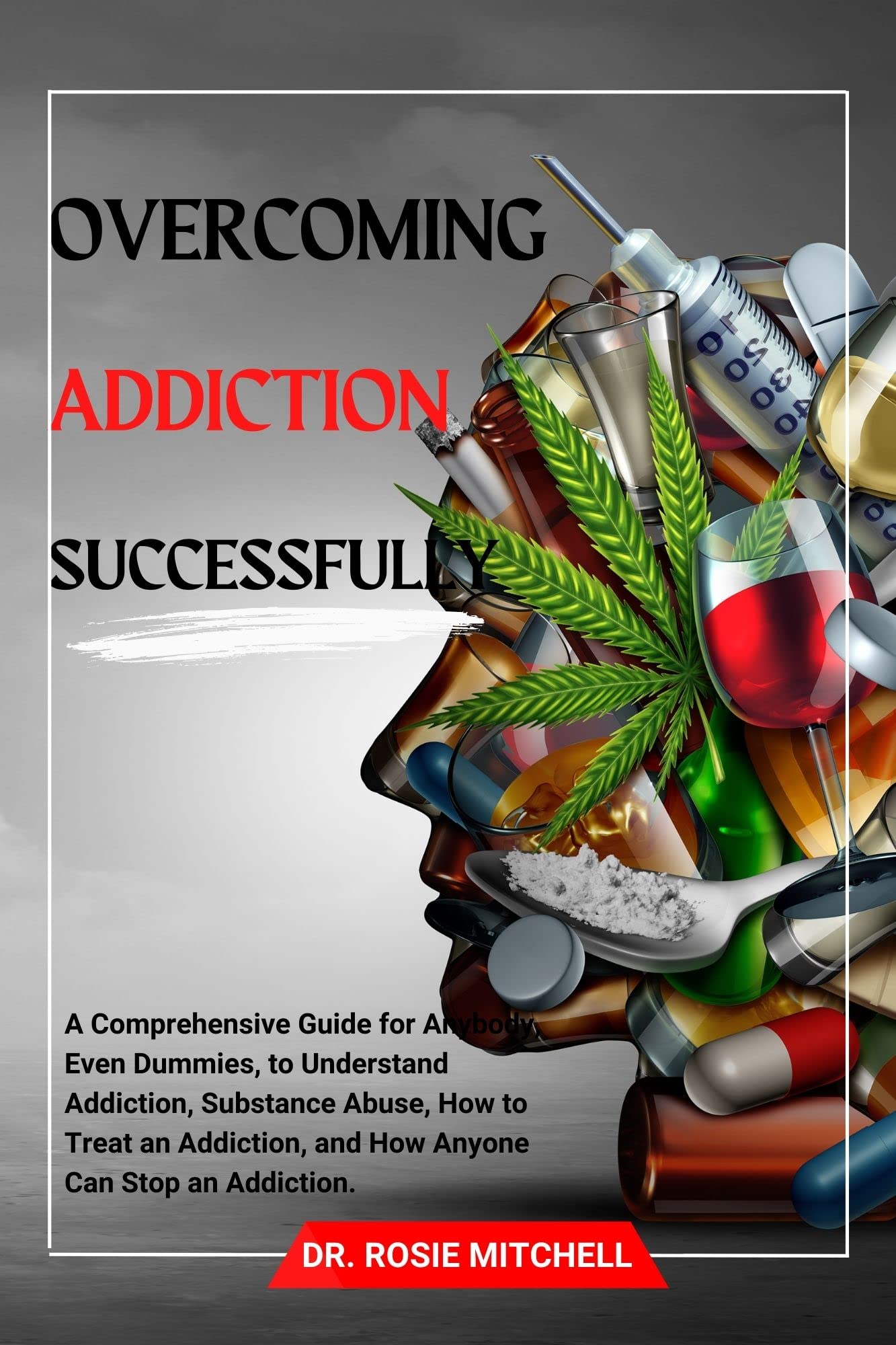
Addict Brand is a comprehensive recovery framework and educational resource designed to help individuals deconstruct the psychological identity of dependency and replace it with a resilient, sober lifestyle. By 2026, this methodology has gained significant traction for its focus on identity rebranding, combining clinical cognitive-behavioral strategies with modern tools for sustainable habit formation and long-term sobriety.
The Philosophy of the Addict Brand Methodology
The core premise of the Addict Brand guide is that addiction is not just a physiological chemical dependency, but a pervasive personal "brand" that an individual unknowingly adopts. This brand dictates their social circles, their daily routines, their self-image, and their decision-making processes. When an individual is "branded" by addiction, their choices are filtered through the lens of maintaining that dependency, often at the expense of their authentic self.
To overcome this, the guide argues that one must engage in a process of "radical rebranding." This is not merely about stopping the use of a substance or a behavior; it is about systematically dismantling the habits associated with the old identity and building a new, high-value personal brand centered on health, transparency, and purpose. In the 2026 landscape of mental health, this approach aligns with neuroplasticity research, which suggests that identity-based habit change is more effective for long-term retention than willpower-based abstinence alone.
Understanding the "Addict Brand" requires looking at three distinct layers:
- The Biological Brand: How substances or behaviors have hijacked the brain's reward system (the dopamine loop).
- The Social Brand: How an individual’s environment and peer groups reinforce the cycle of use.
- The Internal Brand: The self-talk and limiting beliefs that convince an individual they are incapable of change.
The Science of Addiction in 2026: Neurobiology and Behavior
By 2026, our understanding of addiction has moved beyond the simple "disease vs. choice" debate. Modern neuroscience, as highlighted in the Addict Brand guide, views addiction as a form of "deep learning" or "maladaptive neuroplasticity." The brain's prefrontal cortex—the area responsible for executive function and impulse control—becomes physically weakened, while the midbrain's reward center becomes hyper-sensitized.
In chemical addictions, such as those involving opioids or alcohol, the brain stops producing natural neurotransmitters because it expects the external substance to provide them. In process addictions—such as gambling, social media, or high-frequency trading—the "high" comes from the intermittent reinforcement of dopamine. The Addict Brand guide provides specific protocols for "Dopamine Fasting 2.0," a structured 2026 approach to resetting these neural pathways through controlled stimulus deprivation and gradual reintroduction of healthy rewards.
The Role of Dual Diagnosis
A critical component of the guide involves addressing co-occurring disorders. Approximately 50% of individuals struggling with the "Addict Brand" identity also face underlying mental health challenges such as clinical depression, generalized anxiety disorder (GAD), or ADHD. Effective recovery in 2026 necessitates a "Whole-Person Audit" to determine if the addiction is a primary condition or a secondary coping mechanism for an undiagnosed psychological issue.
The Four Pillars of Radical Rebranding
The Addict Brand guide outlines a four-stage process for overcoming addiction. Each pillar is designed to transition the individual from a state of reactive dependency to proactive self-mastery.
Pillar 1: The Radical Audit
The first step is a fearless inventory of the "current brand." This involves tracking every "marketing" effort the addiction makes. This includes:
- Trigger Mapping: Identifying the people, places, and emotional states that lead to cravings.
- Financial Cost Analysis: A line-item breakdown of the direct and indirect costs of the addiction over the last five years.
- Relationship Impact Assessment: Evaluating which relationships are "brand-positive" (supportive) and which are "brand-toxic" (enabling or triggering).
Pillar 2: Cognitive Reconditioning
Once the audit is complete, the individual must rewrite the internal script. This utilizes Cognitive Behavioral Therapy (CBT) and Dialectical Behavior Therapy (DBT) techniques to challenge the "Addict Brand's" lies. For example, if the internal brand says, "I need this to be social," cognitive reconditioning replaces it with, "My social anxiety is a skill gap that I can bridge with practice, not a chemical deficiency."
Pillar 3: Community Integration
Recovery is rarely successful in isolation. The Addict Brand methodology emphasizes finding a "New Market." This means surrounding oneself with a community that reflects the desired new identity. In 2026, this includes a mix of traditional support groups, digital recovery communities, and professional mentorship. The goal is to create a social environment where sobriety is the status symbol, not the exception.
Pillar 4: Lifestyle Architecture
The final pillar focuses on the "product" itself: the individual's life. This involves building a daily routine that makes relapse physically and psychologically difficult. Key elements include:
- Precision Nutrition: Using diet to stabilize mood and neurotransmitter levels.
- Physical Optimization: Using high-intensity interval training (HIIT) or resistance training to trigger natural endorphin releases.
- Skill Acquisition: Learning new high-value skills to boost self-esteem and provide a sense of forward momentum.
Comparison of Recovery Frameworks (2026 Status)
Choosing the right path is essential. The following table compares the Addict Brand methodology with other established recovery models available in 2026.
| Feature | Addict Brand Methodology | 12-Step Programs (e.g., AA) | SMART Recovery | Holistic/Alternative |
|---|---|---|---|---|
| Core Focus | Identity Rebranding & Neuroplasticity | Spiritual Surrender & Fellowship | Science-Based Self-Empowerment | Mind-Body-Spirit Alignment |
| Primary Tool | Radical Audit & Lifestyle Design | The 12 Steps & Sponsorship | 4-Point Program (CBT/REBT) | Yoga, Meditation, Nutrition |
| View of Identity | A "Brand" that can be changed | Powerless over the substance | An individual with a behavior | A disconnected whole |
| Digital Integration | High (AI Tracking, Biometrics) | Low (Primarily In-Person) | Moderate (Online Tools) | Variable |
| Success Metric | Holistic Life Upgrading | Continuous Abstinence | Goal Achievement | General Wellbeing |
Navigating the Early Stages of Recovery
The initial 30 to 90 days are the most volatile. During this period, the brain is in a state of "acute withdrawal" followed by "Post-Acute Withdrawal Syndrome" (PAWS). The Addict Brand guide recommends a highly structured "Maintenance Protocol" during this time to prevent executive function fatigue.
- Environment Cleaning: Removing all physical reminders of the old brand from the home and workplace.
- Digital Scrubbing: Unfollowing accounts, deleting apps, and blocking contacts that reinforce addictive behaviors.
- The "Safety Net" Protocol: Establishing a list of three people who can be called 24/7 if a craving becomes unmanageable.
- Biological Stabilization: Utilizing prescribed Medication-Assisted Treatment (MAT) where clinically indicated to manage withdrawal symptoms safely. In 2026, MAT has become more personalized through genetic testing to ensure the highest efficacy with the lowest side-effect profile.
Overcoming Common Obstacles and Relapse
Relapse is often viewed as a failure of will, but the Addict Brand perspective treats it as a "Brand Crisis." Just as a corporation manages a PR disaster, an individual must have a crisis management plan.
Relapse Triggers in the Modern Age:
- The "Pink Cloud" Effect: An overconfidence that occurs in early recovery when the individual feels "cured," leading them to drop their protective routines.
- Social Isolation: In an increasingly digital world, a lack of physical human connection can lead back to digital or chemical numbing.
- Unresolved Trauma: If the underlying "why" of the addiction (PTSD, childhood trauma) isn't addressed, the old brand will eventually reassert itself.
The guide encourages a "Fast-Fail" mentality: if a lapse occurs, analyze the data immediately. What was the trigger? What was the internal self-talk? What gap in the Lifestyle Architecture allowed this to happen? Fix the gap and resume the rebranding process immediately, rather than spiraling into shame-based cycles.
Frequently Asked Questions
Is the Addict Brand guide suitable for all types of addiction?
Yes, the methodology is designed to address both substance use disorders (alcohol, drugs) and behavioral addictions (gambling, internet, pornography). Because the focus is on the psychological identity and the brain's reward system, the principles remain consistent regardless of the specific "drug of choice."
How long does the "Radical Rebranding" process take?
While the initial audit and stabilization can happen within 30 to 90 days, true identity shifting usually takes 18 to 24 months of consistent practice. This timeframe allows the brain to physically rewire its neural pathways through repeated positive behaviors and environment-based reinforcement.
Can I follow this guide while working a full-time job?
The Addict Brand methodology is specifically designed for integration into a high-performance life. It emphasizes "micro-habits" and lifestyle architecture that can be implemented without necessarily taking a hiatus from professional responsibilities, although an initial medical detox may be required for certain physical dependencies.
Does insurance cover Addict Brand-based treatments?
By 2026, many private insurance providers and corporate wellness programs recognize identity-based and cognitive-behavioral recovery models. However, coverage varies significantly based on the specific clinical setting (outpatient vs. inpatient) and the state or country of residence. Always verify with your provider regarding "Behavioral Health Rebranding" coverage.
What is the role of family in the Addict Brand process?
Family members are treated as "Stakeholders." The guide includes a specific module for "Stakeholder Management," which helps families stop enabling the "Addict Brand" and start supporting the "New Brand." This often involves family therapy to repair the trust broken during the period of active addiction.
Establishing Your Day Zero
The most critical step in overcoming addiction is the transition from "contemplation" to "action." To begin the Addict Brand journey, you must establish a "Day Zero"—the day you commit to the Radical Audit. This is not the day you are "perfect," but the day you stop hiding the data of your life from yourself.
Start by downloading a dedicated recovery tracking app or securing a physical journal. For the next 72 hours, do not attempt to change anything. Simply record every urge, every usage, and every emotional state. This data is the raw material for your new identity. Once you see the "Addict Brand" for what it truly is—a series of predictable patterns and high costs—you can begin the process of building something better.
Disclaimer: This guide is for educational purposes and does not replace professional medical advice, diagnosis, or treatment. Always seek the advice of your physician or other qualified health provider with any questions you may have regarding a medical condition or addiction.