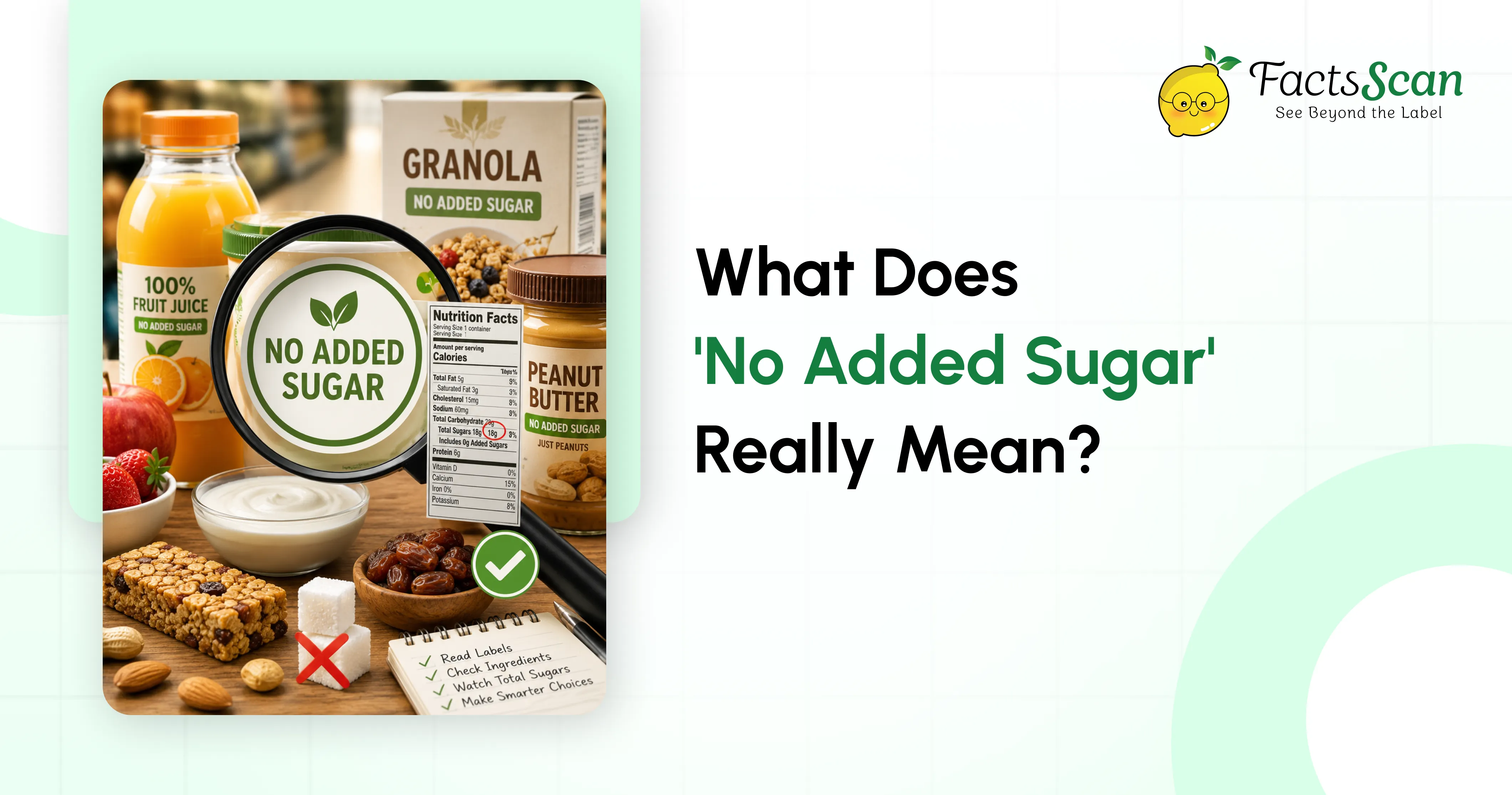
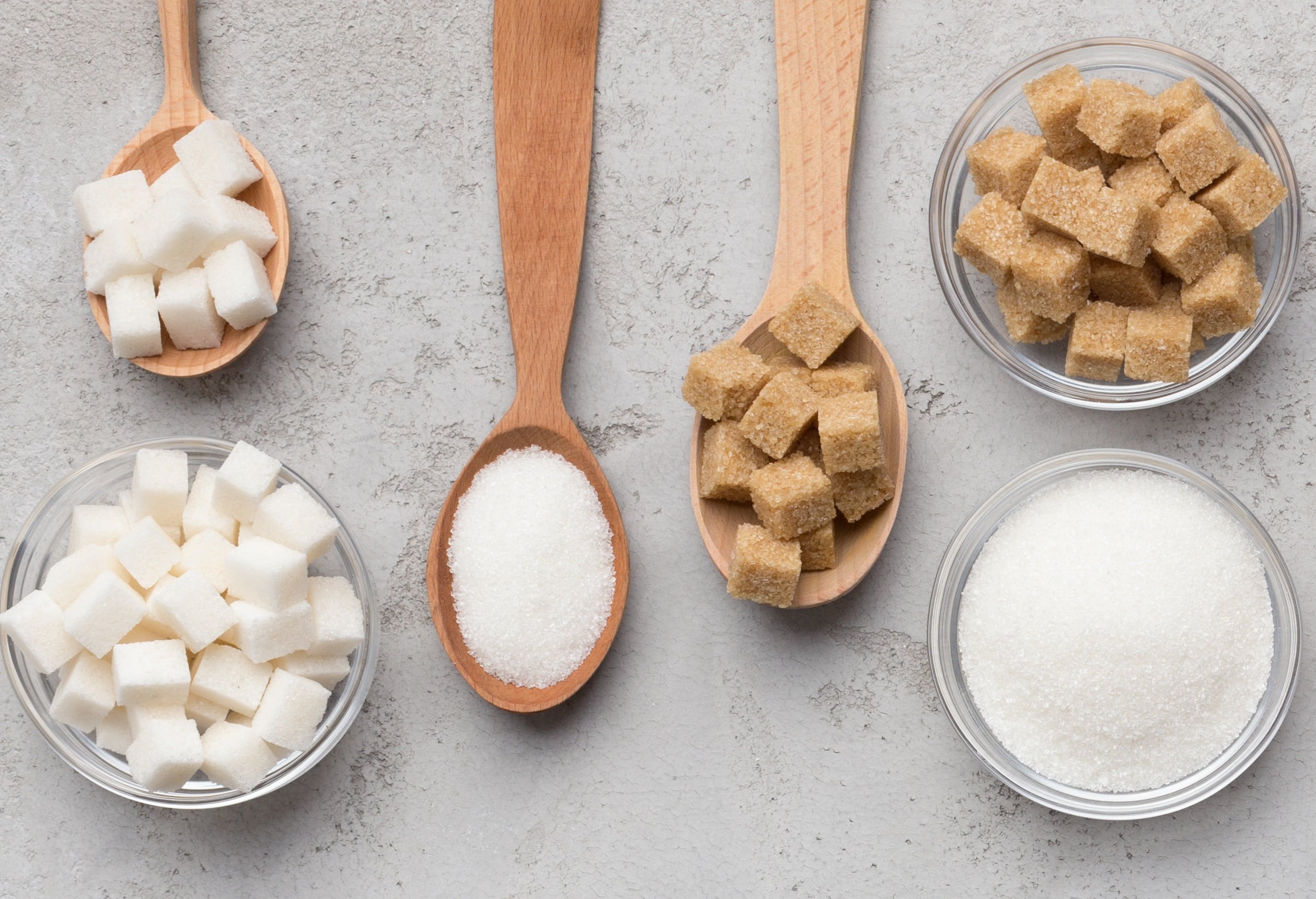
Added sugar refers to any caloric sweeteners, such as sucrose or high-fructose corn syrup, added to foods and beverages during processing or preparation. Unlike natural sugars found in whole fruits and dairy, added sugars provide "empty calories" without the buffering benefits of fiber or essential micronutrients, directly contributing to metabolic dysfunction.
As of 2026, nutritional science and public health guidelines have reached a firm consensus: excessive consumption of added sugar is a primary driver of the global metabolic health crisis. While sugar in its various forms has been a part of the human diet for centuries, the sheer volume and ubiquity of industrial sweeteners in the modern food supply have fundamentally altered human biochemistry. To manage health effectively, it is essential to distinguish between the sugars naturally occurring in whole foods and the concentrated sweeteners introduced by manufacturers to enhance flavor, texture, and shelf life.
The Biochemical Distinction: Natural vs. Added Sugar
To understand the impact of added sugar, one must first understand the matrix in which sugar is consumed. Sugars are simple carbohydrates that provide the body with glucose, its primary fuel source. However, the delivery mechanism matters immensely for glycemic control and insulin response.
Natural Sugars
Natural sugars are found in whole, unprocessed foods. Fructose is found in fruits and vegetables, while lactose is found in milk and dairy products. These sugars come "packaged" with essential nutrients. For instance, an apple contains fructose, but it also contains fiber, vitamin C, and phytochemicals. The fiber slows the digestion and absorption of the sugar, preventing a rapid spike in blood glucose levels.
Added Sugars
Added sugars are isolated and concentrated. Whether it is granulated white sugar (sucrose), honey, agave nectar, or high-fructose corn syrup (HFCS), these substances are added to products like sodas, cereals, yogurts, and even savory sauces. Because they lack the structural fiber of whole plants, they enter the bloodstream rapidly. This creates a sharp rise in blood glucose, forcing the pancreas to secrete high levels of insulin to move the sugar into cells. Over time, frequent insulin spikes can lead to insulin resistance, the precursor to Type 2 diabetes.
The Health Consequences of Excessive Added Sugar
The physiological impact of added sugar extends far beyond weight gain. While calories from sugar do contribute to obesity, the metabolic effects are uniquely damaging to several organ systems.
Cardiovascular Health and Hypertension
Research solidified by 2026 confirms that high-sugar diets are linked to an increased risk of dying from heart disease. Excess sugar intake stimulates the liver to dump more harmful fats into the bloodstream and increases chronic inflammation. Furthermore, high sugar consumption is associated with higher blood pressure and increased triglyceride levels, both of which are major risk factors for atherosclerosis and stroke.
Hepatic Impact: Non-Alcoholic Fatty Liver Disease (NAFLD)
The fructose component of added sugar is particularly taxing on the liver. Unlike glucose, which can be used by nearly every cell in the body, fructose is primarily processed by the liver. When the liver is overwhelmed by a bolus of fructose—common in sugar-sweetened beverages—it converts the excess into fat. This process, known as de novo lipogenesis, can lead to the accumulation of fat in liver cells, progressing to NAFLD and potentially cirrhosis or liver cancer.
Systemic Inflammation and Aging
Added sugars contribute to the formation of Advanced Glycation End-products (AGEs). These are molecules formed when sugar bonds with proteins or fats in the bloodstream. AGEs damage collagen and elastin, leading to premature skin aging, and contribute to systemic inflammation that can exacerbate autoimmune conditions and cognitive decline.
Medical Disclaimer: The information provided in this article is for educational purposes and should not replace professional medical advice, diagnosis, or treatment. Always seek the advice of your physician or other qualified health provider with any questions regarding a medical condition.
Identifying Added Sugars on Food Labels
By 2026, labeling regulations in many jurisdictions have improved, but identifying added sugar still requires vigilance. Manufacturers often use multiple types of sugar to prevent any single one from appearing at the top of the ingredient list, which is organized by weight.
Common Aliases for Sugar
There are over 60 different names for added sugar. If you see any of the following on a label, the product contains added sweeteners:
- Basic Sugars: White sugar, brown sugar, raw sugar, beet sugar, cane sugar.
- Syrups: High-fructose corn syrup, malt syrup, maple syrup, rice syrup, golden syrup, agave nectar.
- Chemical Names (ending in -ose): Fructose, glucose, dextrose, lactose, maltose, sucrose.
- "Natural" Additives: Fruit juice concentrates, honey, molasses, coconut sugar.
Analyzing the Nutrition Facts Panel
The "Total Sugars" line on a label includes both natural and added sugars. However, modern labels (consistent with FDA and international standards updated by 2026) include a mandatory "Includes Xg Added Sugars" sub-line. This is the most critical metric for consumers. If a yogurt has 15g of total sugar but "Includes 10g Added Sugars," you know that only 5g comes naturally from the milk (lactose), while the rest was added for flavor.
Comparative Analysis of Sweetener Profiles
Understanding the relative impact of different sweeteners helps in making informed dietary choices. The table below compares common added sugars based on their source and primary characteristics.
| Sweetener Type | Primary Source | Glycemic Index (Approx.) | Notable Characteristics |
|---|---|---|---|
| Table Sugar (Sucrose) | Sugar cane or beets | 65 | 50% glucose, 50% fructose; the standard reference for sweetness. |
| High-Fructose Corn Syrup | Corn starch | 58–68 | Economical for manufacturers; high fructose content linked to liver stress. |
| Honey | Bees (Flower nectar) | 50–58 | Contains trace antioxidants; still processed by the body as added sugar. |
| Agave Nectar | Agave plant | 15–30 | Very high fructose content (up to 90%); low GI but high impact on liver fat. |
| Coconut Sugar | Coconut palm sap | 35–54 | Contains small amounts of inulin (fiber); often marketed as "healthier" but caloric. |
| Maple Syrup | Sap of maple trees | 54 | Rich in manganese and zinc; remains an added sugar despite mineral content. |
Recommended Daily Limits
Health organizations have established clear thresholds to mitigate the risks associated with added sugar. These limits are typically based on a percentage of total daily caloric intake.
- World Health Organization (WHO): Recommends that added sugars make up less than 10% of total energy intake, with a further "conditional" recommendation to reduce it to below 5% (approximately 25 grams or 6 teaspoons for an average adult) for additional health benefits.
- American Heart Association (AHA): Suggests stricter limits: no more than 6 teaspoons (25g) per day for women and 9 teaspoons (38g) per day for men.
- 2025–2030 Dietary Guidelines: These guidelines emphasize that children under the age of two should consume zero added sugars, as this period is critical for developing taste preferences and metabolic programming.
Strategies for Reducing Added Sugar Intake
Transitioning to a lower-sugar diet requires a combination of behavioral changes and savvy shopping. Because sugar has addictive properties—stimulating dopamine release in the brain—reduction should often be incremental to avoid "withdrawal" symptoms like headaches or irritability.
Practical Swaps and Adjustments
- Beverage Reformulation: Sugary drinks are the single largest source of added sugar in the modern diet. Replacing soda, sweetened lattes, and "energy" drinks with sparkling water, herbal teas, or black coffee can eliminate dozens of grams of sugar instantly.
- Whole Fruit vs. Juice: Avoid fruit juices, which lack fiber and provide a concentrated sugar hit. Opt for whole fruit, which provides satiety and a slower insulin response.
- Condiment Awareness: Ketchup, BBQ sauce, and salad dressings are often hidden sugar traps. Look for "unsweetened" versions or use vinegar, mustard, and spices for flavor.
- The "Rule of Three": When checking labels, if sugar (or any of its aliases) appears in the first three ingredients, the product is likely a high-sugar food and should be consumed sparingly.
Managing Cravings
Cravings are often a sign of blood sugar instability. To counter them, ensure meals are balanced with adequate protein, healthy fats, and fiber. These macronutrients promote satiety and prevent the "crashes" that trigger the urge for a quick sugar fix.
Frequently Asked Questions
Is honey better for you than white sugar?
While honey contains trace amounts of enzymes, minerals, and antioxidants, the body still recognizes it primarily as a concentrated source of glucose and fructose. From a metabolic standpoint, honey is still considered an added sugar and should be limited. It has a slightly lower glycemic index than table sugar but contains more calories per tablespoon.
Does "No Added Sugar" mean a product is sugar-free?
No. A label stating "No Added Sugar" means that no caloric sweeteners were added during processing. However, the product may still be high in natural sugars. For example, a bottle of 100% grape juice has "no added sugar" but contains a very high concentration of natural fructose that can still impact blood glucose levels.
Are artificial sweeteners a safe alternative to added sugar?
Artificial sweeteners (like aspartame or sucralose) and natural non-caloric sweeteners (like stevia or monk fruit) can help reduce calorie intake. However, some research suggests they may maintain a preference for intensely sweet flavors and potentially alter the gut microbiome. They are generally considered a "bridge" tool rather than a perfect health food.
Why is fruit juice considered "added sugar" by some health authorities?
When fruit is juiced, the insoluble fiber is removed. This turns a slow-release carbohydrate into a fast-acting sugar. Many health guidelines categorize fruit juice as "free sugar"—a category that includes added sugars and juices—because the metabolic effect is similar to drinking a sugar-sweetened beverage.
How long does it take for taste buds to adjust to less sugar?
Generally, it takes about two to four weeks for taste buds to recalibrate. As you reduce added sugar, you will likely find that naturally sweet foods, like berries or bell peppers, taste much more intense, and previously enjoyed processed foods may start to taste cloyingly sweet.
Taking the Next Step Toward Metabolic Health
Reducing added sugar is one of the most impactful dietary changes an individual can make. To begin, audit your kitchen for the "hidden" sugars in breads, sauces, and crackers. Start by eliminating liquid sugars—sodas and sweetened juices—as these provide the highest metabolic load with the least satiety. By focusing on whole, single-ingredient foods and carefully reading the "Includes Added Sugars" line on nutritional labels, you can significantly reduce your risk of chronic disease and improve your overall energy levels.