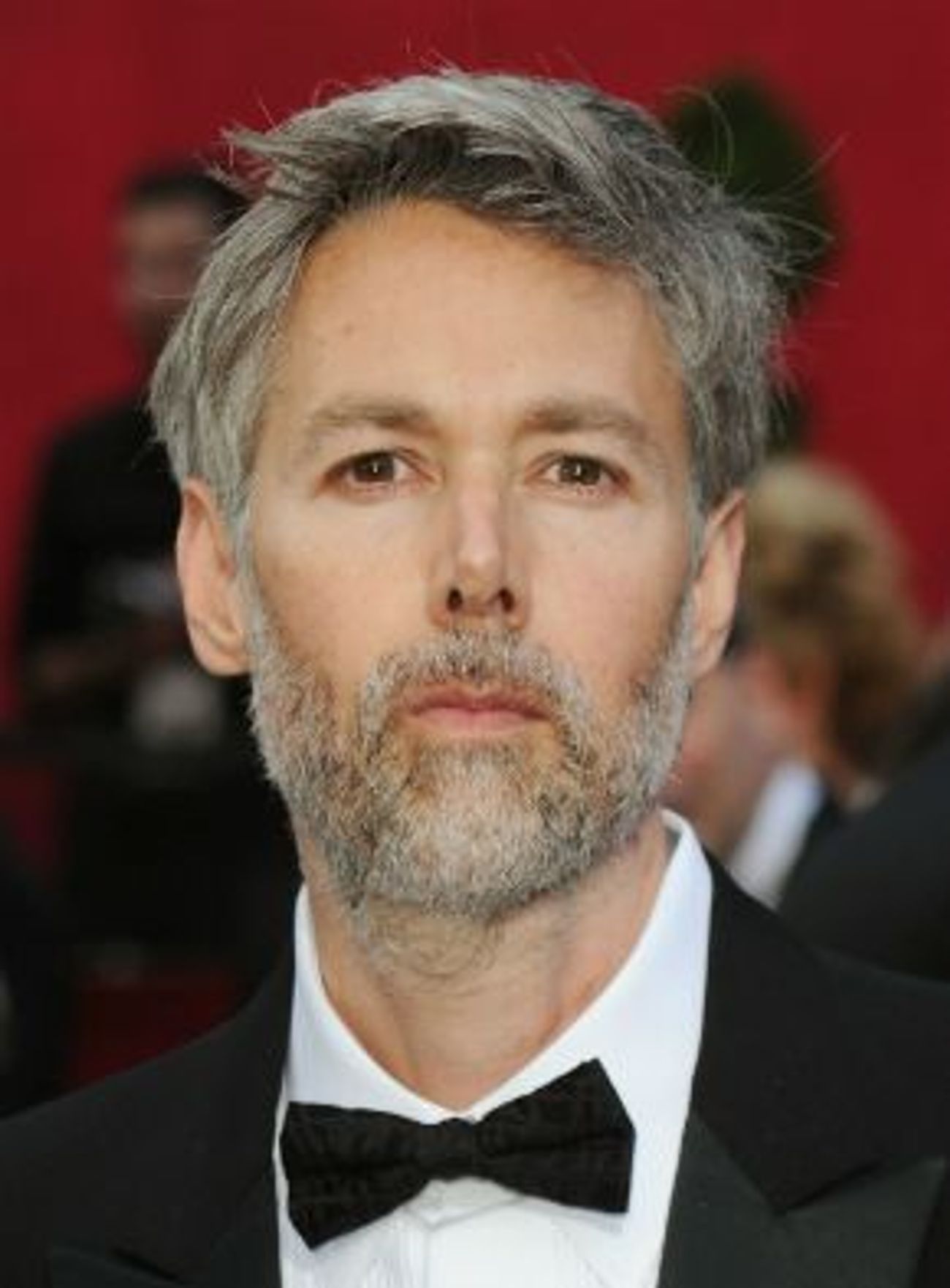
Adam Yauch, professionally known as MCA, was a founding member of the Beastie Boys, a pioneering hip-hop group that bridged the gap between punk rock and rap. Beyond his musical contributions, Yauch was a visionary film director, a dedicated activist for Tibetan independence, and the founder of the independent film distribution company Oscilloscope Laboratories.
As of 2026, Adam Yauch’s influence remains a cornerstone of modern alternative culture. His evolution from a teenage punk bassist to a socially conscious musician and filmmaker provides a blueprint for artistic growth and ethical responsibility. This profile examines his multifaceted career, his technical contributions to music and film, and the enduring legacy of his humanitarian efforts.
The Evolution of a Brooklyn Original: Early Life and Punk Roots
Born on August 5, 1964, in Brooklyn, New York, Adam Nathaniel Yauch was the only child of an artist and a social worker. His upbringing in the diverse cultural landscape of New York City in the 1970s heavily influenced his eclectic creative tastes. While he is most famous for his role in hip-hop, Yauch’s musical journey began in the hardcore punk scene.
In 1981, for his 17th birthday, Yauch formed the Beastie Boys originally as a four-piece hardcore punk band. This early iteration included Mike Diamond (Mike D), John Berry, and Kate Schellenbach. The group’s first EP, Polly Wog Stew, was a quintessential example of the fast, aggressive New York hardcore sound of the era. Yauch, who taught himself to play the bass guitar, provided the rhythmic foundation that would later define the group's transition into live-instrumentation hip-hop.
The shift toward rap began with the 1983 single "Cooky Puss," an experimental track based on a prank call to Carvel ice cream. This transition was solidified when the group met Rick Rubin and Russell Simmons, leading to the formation of Def Jam Recordings. Yauch’s role during this period was crucial; he helped cultivate the rebellious, "bad boy" persona that propelled their debut album, Licensed to Ill (1986), to become the first rap record to top the Billboard album charts.
Musical Innovation and the Return to Instrumentation
Following the massive commercial success and subsequent burnout of the mid-80s, Yauch was instrumental in the group’s move to Los Angeles and their departure from Def Jam. This period marked a significant technical and creative shift for the Beastie Boys.
The Paul’s Boutique Era
Collaborating with the Dust Brothers, the group produced Paul’s Boutique (1989). While initially considered a commercial disappointment compared to their debut, the album is now recognized by musicologists as a masterpiece of multi-layered sampling. Yauch’s gravelly, authoritative voice became a distinct counterpoint to the higher registers of Mike D and Ad-Rock.
Check Your Head and the DIY Ethos
By the early 1990s, Yauch pushed the band to return to their roots as musicians. For the album Check Your Head (1992), Yauch insisted on building a home studio (G-Son Studios in Atwater Village) and playing their own instruments. This move was revolutionary in hip-hop, blending funk, jazz, and rock with traditional rap structures.
Yauch’s technical contributions during this era included:
- Bass Performance: His use of heavy distortion and "fuzz" pedals on the bass guitar created the iconic riffs for songs like "Gratitude" and "Sabotage."
- Production Philosophy: He championed a "lo-fi" aesthetic that valued grit and character over the polished, digital sounds that were becoming prevalent in the industry.
- Genre Blending: He was the primary advocate for incorporating instrumental "lounge" and jazz tracks into their albums, leading to the release of the compilation The In Sound from Way Out! (1996).
The Creative Vision of Nathanial Hörnblowér
Adam Yauch’s creativity extended far beyond the recording booth. Under the pseudonym Nathanial Hörnblowér, a fictional Swiss filmmaker often depicted with a fake beard and lederhosen, Yauch directed many of the Beastie Boys’ most iconic music videos.
His directorial style was characterized by a deep knowledge of cinema history, a penchant for camp, and technical experimentation. For example, the music video for "Sabotage" (1994) is a brilliant parody of 1970s police procedurals. Yauch’s use of fast-motion photography, hand-held camera work, and specific costume design transformed the song into a visual cultural landmark.
In 2008, Yauch moved into feature-length filmmaking with the documentary Gunnin' for That #1 Spot, which followed eight high school basketball prospects. His technical approach involved shooting on high-definition video but processing it to retain a film-like texture, showcasing his bridge between old-school craft and new-school technology.
Activism and the Tibetan Freedom Concerts
One of the most significant aspects of Adam Yauch’s life was his spiritual and political awakening. Following a trip to Nepal and India in the early 1990s, Yauch became a practicing Buddhist and a vocal advocate for the independence of Tibet.
In 1994, he co-founded the Milarepa Fund, a non-profit organization dedicated to Tibetan independence and non-violence. Unlike many "celebrity causes," Yauch’s involvement was deeply logistical and long-term. He was the primary organizer of the Tibetan Freedom Concerts, a series of massive benefit shows held between 1996 and 2001.
Milestones of the Tibetan Freedom Concerts
| Year | Location | Attendance | Key Performers |
|---|---|---|---|
| 1996 | San Francisco, CA | 100,000+ | Beastie Boys, R.E.M., Björk, Rage Against the Machine |
| 1997 | New York City, NY | 50,000 | Radiohead, U2, Sonic Youth, Patti Smith |
| 1998 | Washington, D.C. | 120,000 | Red Hot Chili Peppers, Pearl Jam, Herbie Hancock |
| 1999 | Amsterdam/Tokyo/Sydney | Global | Various regional and international artists |
Yauch used his platform to educate a generation of fans about human rights. His lyrics also evolved; in the song "Bodhisattva Vow," he explicitly outlined his commitment to the path of compassion, a stark contrast to the hedonistic lyrics of the group’s early years.
Oscilloscope Laboratories: A Legacy in Film Distribution
In 2008, Yauch founded Oscilloscope Laboratories, an independent film distribution company based in New York City. The company was founded on the same DIY principles that guided the Beastie Boys. Yauch wanted to create a space where independent filmmakers could find a home for "art for art's sake" without the interference of major studio mandates.
Oscilloscope became known for its curated selection of high-quality, often challenging films. Notable releases under Yauch’s tenure included:
- The Messenger (2009)
- Exit Through the Gift Shop (2010)
- Wendy and Lucy (2008)
The company’s packaging was also a reflection of Yauch’s aesthetic. Oscilloscope DVDs and Blu-rays were famous for their eco-friendly, distinctively designed cardboard "digipaks," which became collectibles for film enthusiasts. In 2026, Oscilloscope continues to operate as a premier distributor of independent cinema, maintaining the high standards of curation Yauch established.
Enduring Influence in 2026
Adam Yauch passed away on May 4, 2012, at the age of 47 after a battle with parotid gland cancer. However, his impact on music, film, and social justice has only deepened over the intervening years.
In contemporary music, the "Beastie Boys sound"—that specific mixture of live instrumentation, intricate sampling, and vocal interplay—is cited as a primary influence by artists across the spectrum of alternative hip-hop and indie rock. His ability to mature as an artist while maintaining a sense of humor and curiosity remains a rare feat in the entertainment industry.
In New York City, the Adam Yauch Park in Brooklyn Heights serves as a physical memorial to his contributions. As of 2026, the park continues to host community events and serves as a pilgrimage site for fans globally. His legacy is also preserved through the Beastie Boys Book (2018) and the subsequent documentary Beastie Boys Story (2020), both of which emphasize Yauch’s role as the group’s conceptual "glue."
Key Career Milestones
- 1986: Licensed to Ill becomes the first #1 rap album.
- 1992: Foundation of G-Son Studios and the release of Check Your Head.
- 1996: Inaugural Tibetan Freedom Concert in San Francisco.
- 2008: Founding of Oscilloscope Laboratories.
- 2012: Induction into the Rock and Roll Hall of Fame.
Frequently Asked Questions
What was Adam Yauch's cause of death?
Adam Yauch passed away on May 4, 2012, following a three-year battle with cancer of the parotid (salivary) gland. He had first announced his diagnosis in 2009. Despite undergoing surgery and radiation, the disease eventually claimed his life just weeks after the Beastie Boys were inducted into the Rock and Roll Hall of Fame.
Who was Nathanial Hörnblowér?
Nathanial Hörnblowér was the filmmaking alter ego of Adam Yauch. Under this pseudonym, Yauch directed numerous music videos for the Beastie Boys. The character was often described as a disgruntled Swiss uncle. Yauch even appeared in character at the 1994 MTV Video Music Awards to protest the fact that Spike Jonze didn't win an award for the "Sabotage" video.
Did Adam Yauch win any Grammy Awards?
Yes, as a member of the Beastie Boys, Adam Yauch won three Grammy Awards. These included Best Rap Performance by a Duo or Group for "Intergalactic" (1999), Best Alternative Music Performance for Hello Nasty (1999), and Best Pop Instrumental Album for The Mix-Up (2008). These awards reflect the group's versatility across different musical genres.
What happened to the Beastie Boys after Adam Yauch died?
Following Yauch's death in 2012, Mike D and Ad-Rock decided to discontinue the Beastie Boys as a musical entity. Yauch’s will reportedly included a request that the group's music not be used in advertisements, a wish his bandmates have rigorously honored. They have since focused on preserving the group's history through memoirs and documentary projects.
How did Adam Yauch contribute to the Tibetan independence movement?
Yauch was one of the most effective celebrity advocates for Tibet. He co-founded the Milarepa Fund and organized the Tibetan Freedom Concerts, which raised millions of dollars and significantly increased global awareness of the political situation in Tibet. His approach was praised for being substantive and focused on long-term education rather than fleeting publicity.
Recommendations for Further Exploration
To truly understand Adam Yauch’s technical and creative depth, it is recommended to engage with his work beyond the radio hits. Listening to the Beastie Boys' instrumental album The Mix-Up provides insight into his skills as a bassist and arranger. Additionally, viewing the documentary Exit Through the Gift Shop, distributed by his company Oscilloscope, offers a window into his eye for unconventional and impactful storytelling. For those interested in the history of the group, the Beastie Boys Book provides a comprehensive, often humorous look at the group's dynamic and Yauch's pivotal role in steering their creative direction.