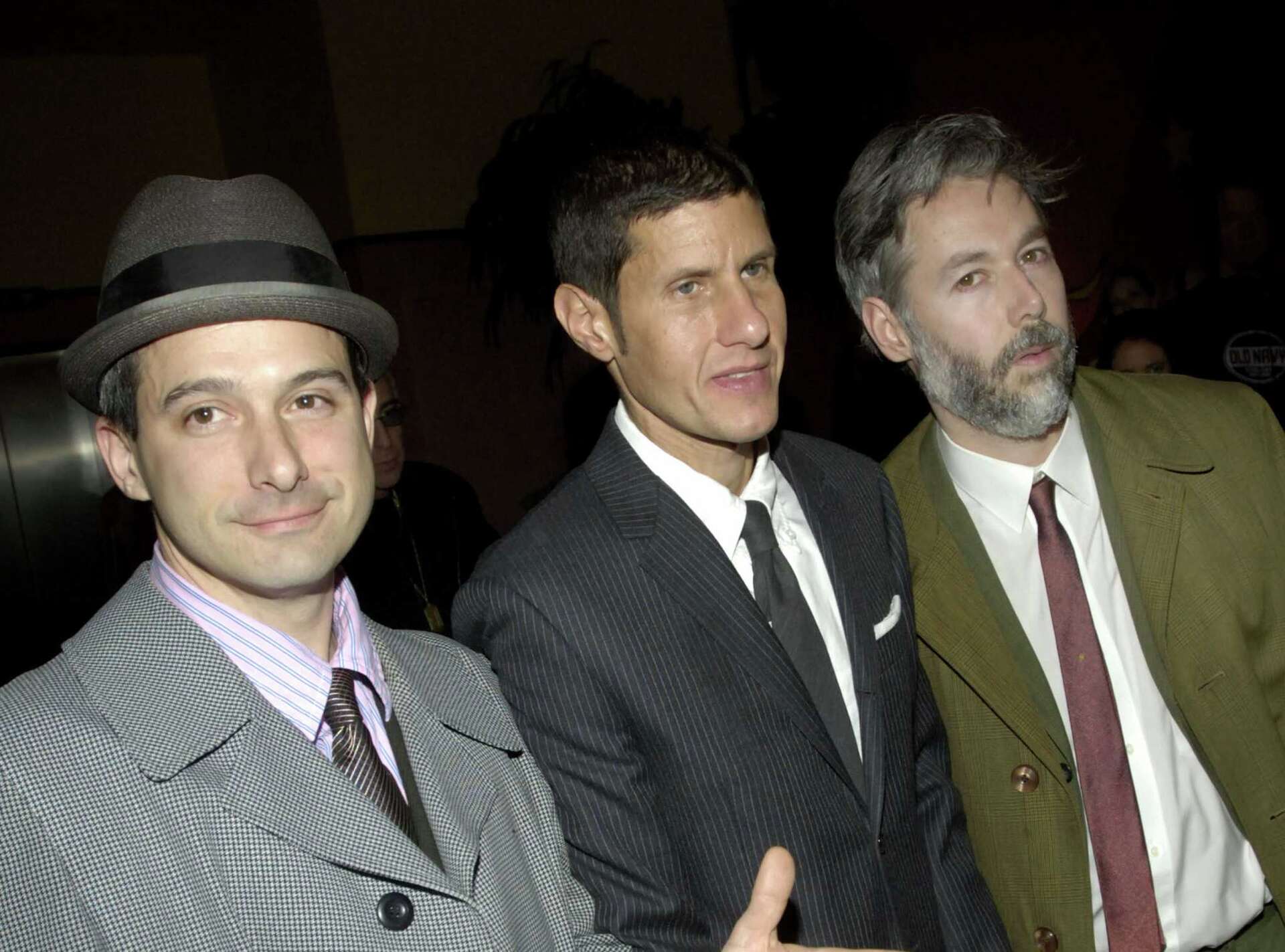
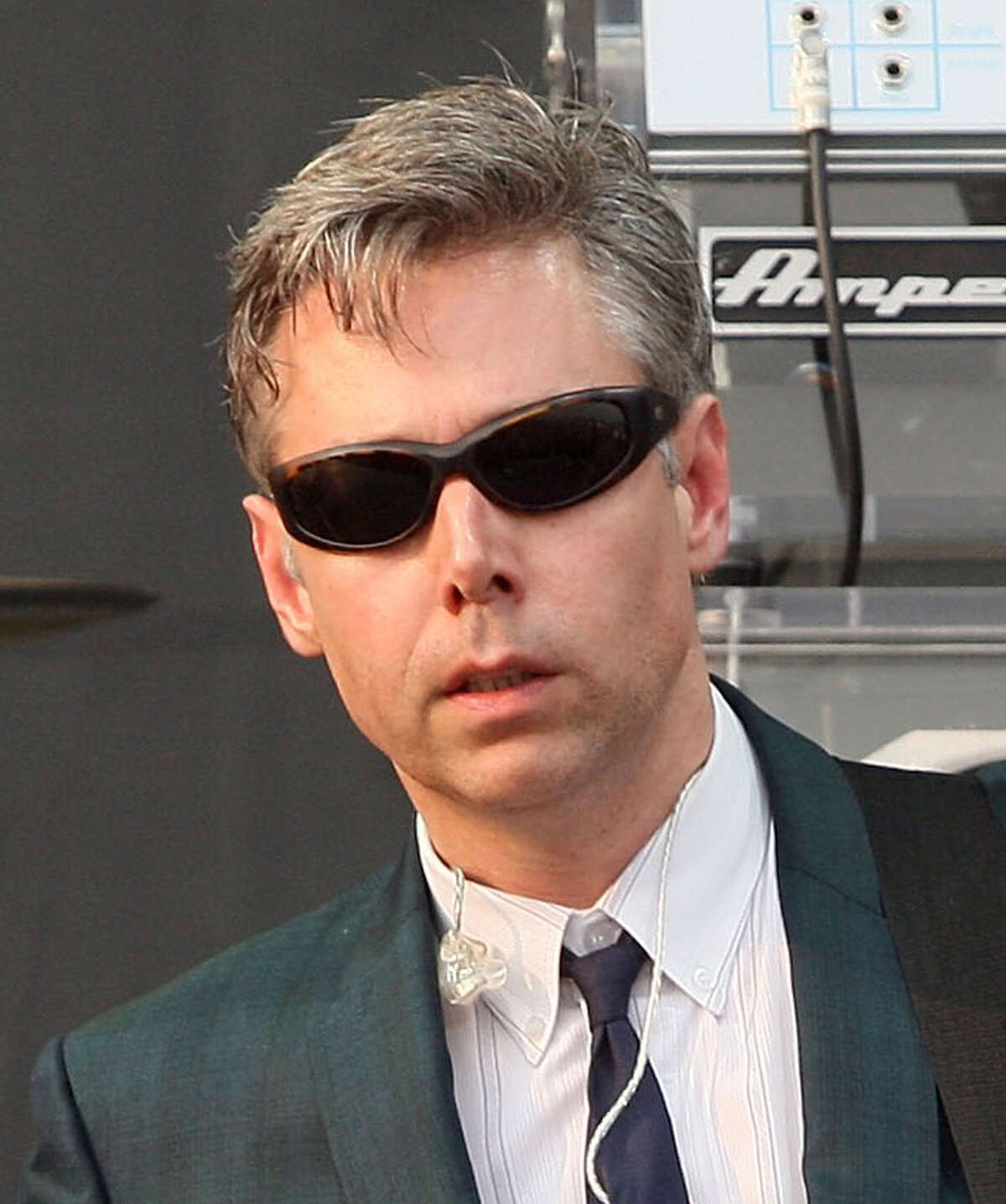
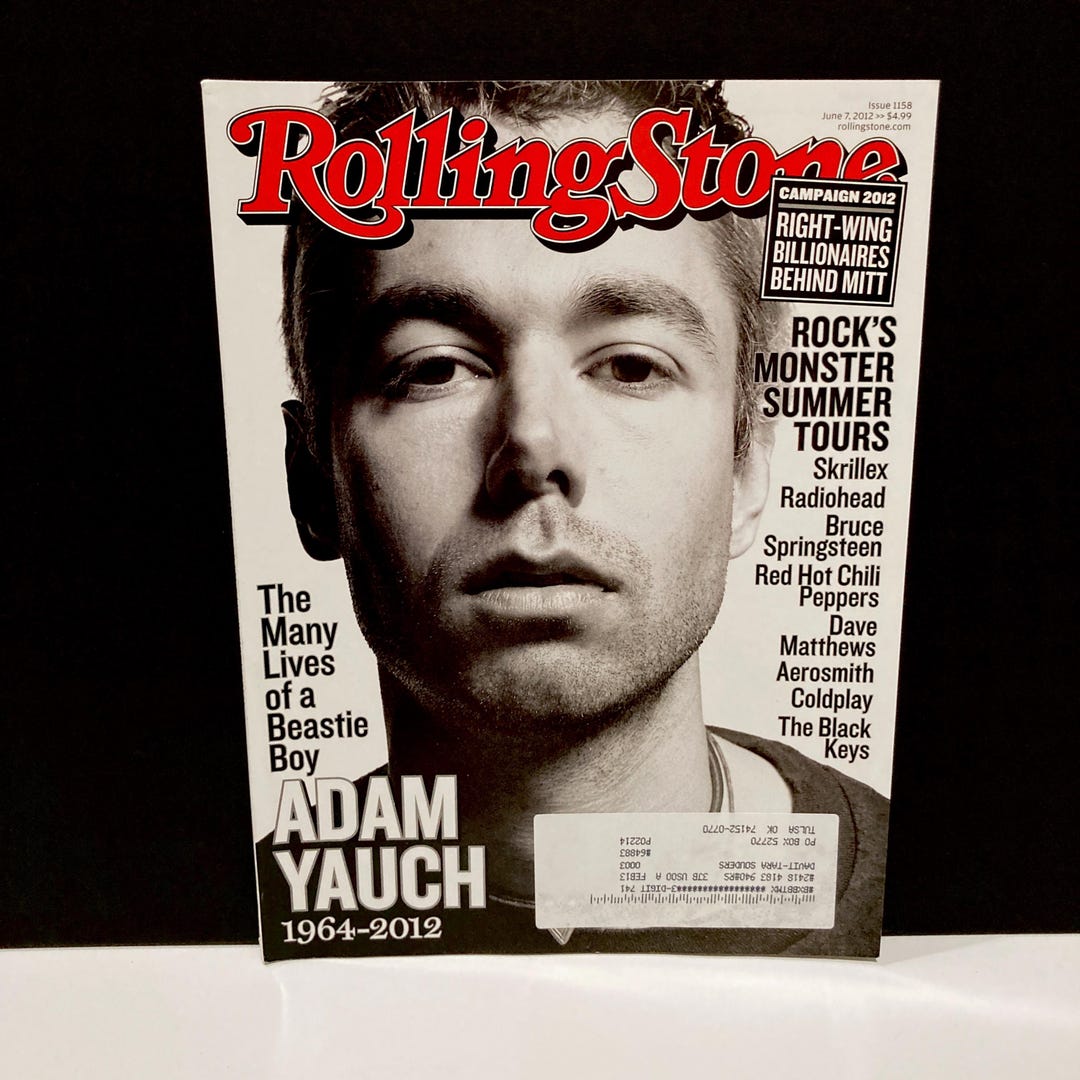
The essential Adam Yauch discography is synonymous with the Beastie Boys’ eight studio albums, spanning from the 1986 landmark Licensed to Ill to 2011’s Hot Sauce Committee Part Two. As a founding member, bassist, and creative visionary known as MCA, Yauch’s career is defined by a transformation from hardcore punk to multi-platinum hip-hop and experimental alternative rock.
Adam Yauch, known to the world as MCA, was far more than a rapper; he was the sonic architect and moral compass of the Beastie Boys. From their early days as a teenage hardcore band in New York City to their induction into the Rock and Roll Hall of Fame, Yauch’s influence permeated every snare hit and bassline the group produced. In 2026, his legacy continues to resonate through the band's timeless catalog, his pioneering work in film with Oscilloscope Laboratories, and his commitment to social justice via the Tibetan Freedom Concerts. To understand the "Adam Yauch albums" is to trace the evolution of three friends who changed the face of popular music by refusing to stay in one lane.
The Foundation: From Hardcore Punk to Licensed to Ill
Before they were the kings of hip-hop, the Beastie Boys were a four-piece hardcore punk outfit. Adam Yauch was instrumental in this transition, moving from the aggressive thrash of the Polly Wog Stew EP (1982) toward the drum-machine-heavy sounds of the mid-80s. When the group solidified as a trio—MCA, Ad-Rock (Adam Horovitz), and Mike D (Michael Diamond)—they signed with Rick Rubin’s fledgling Def Jam Recordings.
The result was Licensed to Ill (1986), the first hip-hop album to top the Billboard charts. While Yauch would later express regret over some of the album’s more juvenile lyrical themes, his gravelly voice and "cool" persona were essential to its success. Tracks like "(You Gotta) Fight for Your Right (To Party!)" and "No Sleep till Brooklyn" blended heavy metal riffs with hip-hop beats, a formula that defined the decade. Despite the commercial juggernaut it became, Yauch was already looking toward more complex sonic territories, dissatisfied with the "frat-boy" image the media had projected onto the band.
The Masterpiece of Sampling: Paul’s Boutique
If Licensed to Ill made them stars, Paul’s Boutique (1989) made them legends. Following a fallout with Def Jam and a move to Los Angeles, the trio partnered with the Dust Brothers to create what many critics now call the "Sgt. Pepper of Hip-Hop." This album is a dense, multilayered masterpiece of sampling that would be legally impossible to create today due to modern copyright restrictions.
Yauch’s contribution to Paul’s Boutique was profound. He pushed for a more cinematic, psychedelic sound, reflecting his growing interest in diverse musical genres and film. His verses on "Shake Your Rump" and "Looking Down the Barrel of a Gun" showed a significant leap in lyrical dexterity. Though the album was initially a commercial disappointment compared to its predecessor, it has since been recognized as one of the most important records in music history. It marked the moment Adam Yauch and his bandmates transitioned from a pop phenomenon into serious artists who prioritized creative integrity over radio hits.
Reclaiming the Instruments: Check Your Head and Ill Communication
By the early 1990s, Yauch felt a desire to return to his roots as a musician. He picked up the bass guitar again, and the band moved into their own studio, G-Son, in Atwater Village, California. This era produced Check Your Head (1992), a DIY-inspired record that blurred the lines between hip-hop, funk, and alt-rock.
This album is where the specific "Adam Yauch sound" truly crystallized. His distorted, fuzz-heavy basslines on tracks like "So What'cha Want" became a signature element of the band's 90s aesthetic. This period also saw Yauch’s personal transformation. He began traveling to Nepal and India, embracing Buddhism and becoming a vocal advocate for Tibetan independence.
This spiritual shift was even more evident on Ill Communication (1994). While the album featured the massive, Yauch-directed hit "Sabotage," it also included tracks like "Bodhisattva Vow," where MCA rapped about his spiritual path over a bed of Tibetan monks' chanting. According to the Beastie Boys Official Website, this era solidified the band as a global force that could headline festivals while simultaneously championing human rights.
Electronic Innovation and the Return to NYC: Hello Nasty
In 1998, the Beastie Boys released Hello Nasty, an album that saw them incorporating more electronic elements and the world-class scratching of Mix Master Mike. Adam Yauch’s role as the group’s "tinkerer" was on full display here. He was deeply involved in the technical side of the production, experimenting with vintage synthesizers and unconventional recording techniques.
Hello Nasty was a global success, spearheaded by the single "Intergalactic." The album won two Grammy Awards, including Best Alternative Music Album. For Yauch, the record represented a peak of technical proficiency. He was able to balance his roles as a bass player, an MC, and a producer, all while directing the group’s iconic music videos under his alias, Nathanial Hörnblowér. The humor remained, but the execution was that of seasoned professionals who had mastered the studio environment.
Late Career and Final Statements: To the 5 Boroughs to Hot Sauce Committee
In the 2000s, Yauch steered the band back to their New York roots. To the 5 Boroughs (2004) was a direct response to the post-9/11 landscape of their hometown, featuring a stripped-back, old-school hip-hop sound produced entirely by the trio. This was followed by the all-instrumental album The Mix-Up (2007), which showcased Yauch’s prowess as a funk bassist and won the band another Grammy.
The final chapter of the Adam Yauch discography is Hot Sauce Committee Part Two (2011). Originally delayed due to Yauch’s diagnosis with a cancerous parotid gland in 2009, the album was a triumphant return to form. It featured a gritty, distorted sound that felt like a culmination of every era of the band. Tracks like "Make Some Noise" proved that even in their 40s, the trio had lost none of their energy. Tragically, Yauch passed away in May 2012, and in accordance with his wishes and the bond between the members, the Beastie Boys ceased to record or perform as a group without him.
| Album Title | Release Year | Primary Genre | Essential Yauch Track | Technical Highlight |
|---|---|---|---|---|
| Licensed to Ill | 1986 | Rap-Rock | "The New Style" | Rick Rubin's 808-heavy production |
| Paul's Boutique | 1989 | Experimental Hip-Hop | "Egg Man" | Dense multi-layered sampling |
| Check Your Head | 1992 | Alt-Rock / Funk | "So What'cha Want" | Yauch's signature fuzz bass |
| Ill Communication | 1994 | Hip-Hop / Punk | "Bodhisattva Vow" | Integration of spiritual themes |
| Hello Nasty | 1998 | Electronic Hip-Hop | "Intergalactic" | Use of vocoders and vintage synths |
| To the 5 Boroughs | 2004 | East Coast Hip-Hop | "An Open Letter to NYC" | Return to digital 80s minimalism |
| The Mix-Up | 2007 | Instrumental Funk | "Off the Grid" | Live band performance focus |
| Hot Sauce Committee Pt. 2 | 2011 | Post-Punk Hip-Hop | "Make Some Noise" | Aggressive, distorted vocal processing |
The Impact of Nathanial Hörnblowér: Yauch as a Director
Beyond the music, Adam Yauch’s creative output included a prolific career as a film director. Using the pseudonym Nathanial Hörnblowér—often appearing in a fake lederhosen-clad persona—Yauch directed many of the Beastie Boys’ most famous videos. His style was characterized by a love for wide-angle "fisheye" lenses, 1970s cinema tropes, and a DIY aesthetic.
His work culminated in the founding of Oscilloscope Laboratories, an independent film distribution company. Through Oscilloscope, Yauch supported independent filmmakers and released acclaimed documentaries and features. This venture was a natural extension of his musical philosophy: providing a platform for authentic, non-commercial voices. His 2006 concert film, Awesome; I Fuckin' Shot That!, where he gave 50 cameras to fans in the audience, remains a landmark in music cinematography.
Analyzing Yauch’s Bass Style and Production
Technically, Adam Yauch was the "anchor" of the Beastie Boys’ live sound. Unlike many hip-hop groups of the era who relied solely on DJs, the Beastie Boys’ ability to play their own instruments gave them a unique edge in the alternative rock scene. Yauch’s bass playing was heavily influenced by 1970s funk and 1980s hardcore punk.
- Tone and Gear: Yauch frequently used a Fender Precision Bass, often run through a fuzz pedal (specifically the Univox Super-Fuzz or similar circuits) to create a "growling" texture that could cut through dense drum loops.
- Rhythmic Approach: His playing was often "behind the beat," giving the tracks a laid-back, "stoner-funk" feel that defined much of the Check Your Head and Ill Communication era.
- The "G-Son" Aesthetic: In the studio, Yauch was a proponent of using analog gear to warm up digital recordings. This "lo-fi" high-fidelity approach was revolutionary in the early 90s and has been widely imitated by modern lo-fi hip-hop producers.
Frequently Asked Questions
Did Adam Yauch ever release a solo album?
No, Adam Yauch never released a traditional solo studio album. He was fiercely loyal to the trio dynamic and channeled his individual creative energies into film directing and his work with Oscilloscope Laboratories. However, his influence is so distinct that certain tracks on Beastie Boys albums, particularly the instrumental and spiritual ones, are often viewed as "Yauch-centric" pieces.
What was the last song Adam Yauch recorded?
The last album Yauch recorded was Hot Sauce Committee Part Two. While the specific "last" vocal take is not publicly documented, the album was completed shortly before his health declined significantly. The music video for "Make Some Noise" was his final major creative project with the band, featuring a star-studded cast playing younger versions of the trio.
Why didn't the Beastie Boys continue after MCA died?
Mike D and Ad-Rock have consistently stated in interviews and in their 2018 memoir, Beastie Boys Book, that they could not imagine performing or recording as the Beastie Boys without Yauch. The group was built on a foundation of friendship and a three-way creative chemistry; without the "MCA" pillar, the entity of the Beastie Boys ceased to exist as a matter of respect and integrity.
What is the Milarepa Fund?
The Milarepa Fund was a non-profit organization co-founded by Adam Yauch in 1994. Its primary goal was to promote awareness about the struggle for Tibetan independence and to provide social and financial support to the Tibetan people. The fund was the driving force behind the Tibetan Freedom Concerts, which became some of the largest benefit concerts since Live Aid.
Exploring the Yauch Legacy in 2026
To truly appreciate the Adam Yauch albums, one must look beyond the hits. For a deeper dive into his legacy, listeners should explore the Beastie Boys Anthology: The Sounds of Science, which provides a comprehensive look at their evolution. Additionally, the documentary Beastie Boys Story (directed by Spike Jonze) offers an intimate, firsthand account from Mike D and Ad-Rock about Yauch's pivotal role in their lives.
For those looking to engage with his work in 2026, the best next step is to listen to the albums chronologically. This allows for a clear understanding of Yauch's growth from a rebellious youth to a sophisticated artist and humanitarian. His music serves as a blueprint for how to age gracefully in the music industry while maintaining a sense of humor and a commitment to positive change.