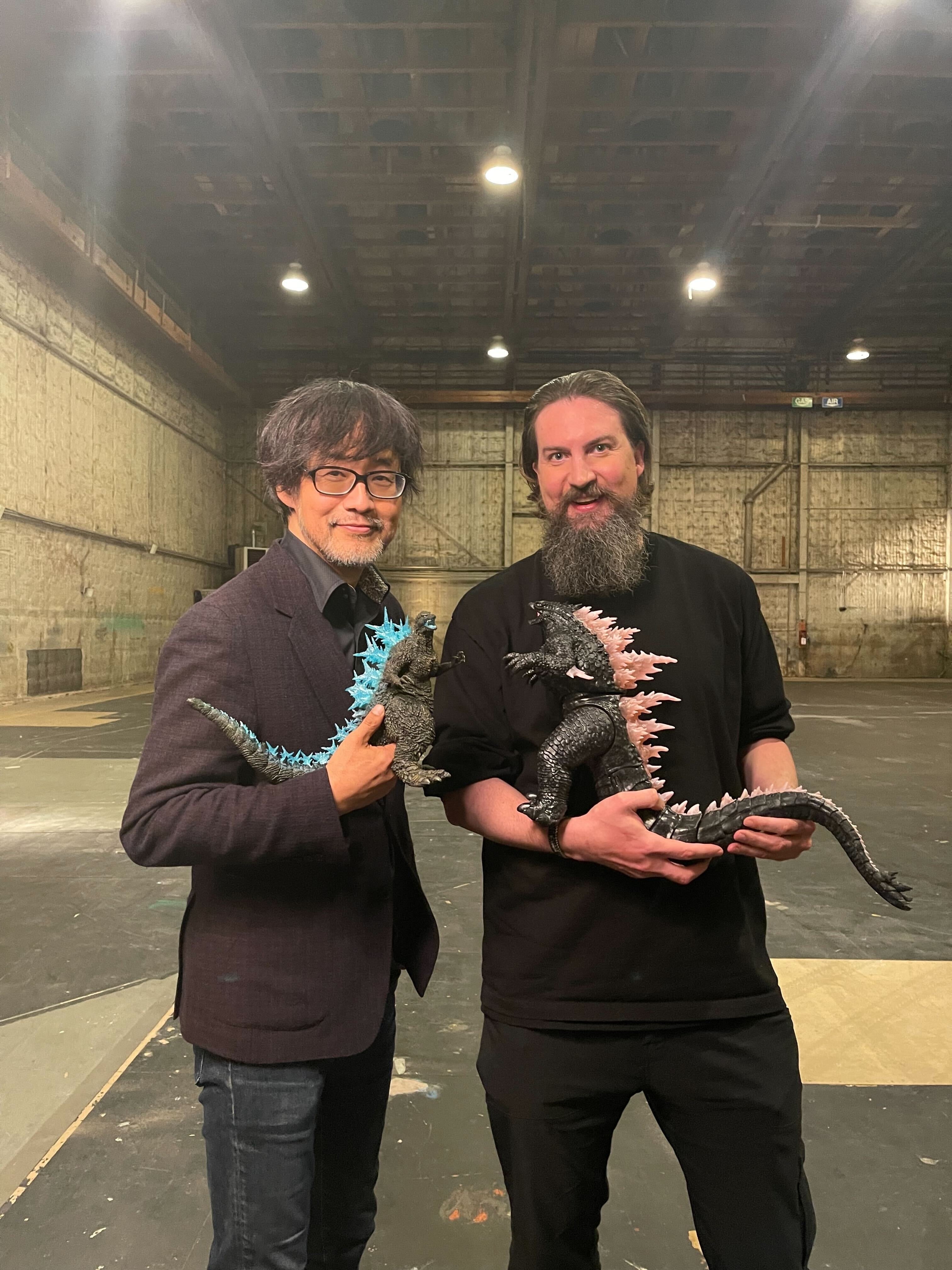
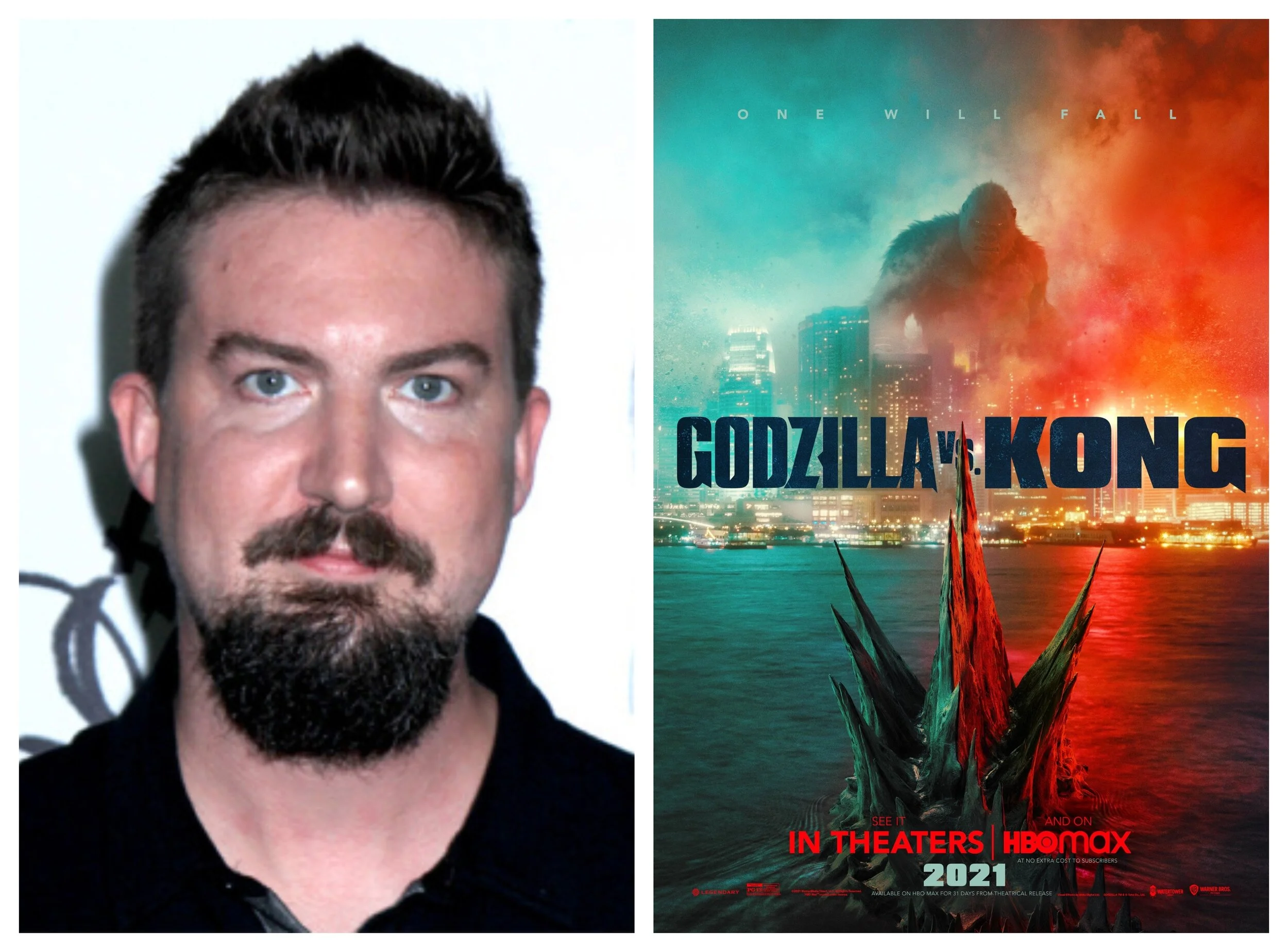
Adam Wingard is an American filmmaker, editor, and composer who has successfully transitioned from the DIY roots of the "mumblegore" horror movement to directing some of the largest franchise spectacles in modern cinema. Best known for revitalizing the MonsterVerse with Godzilla vs. Kong and its sequels, Wingard’s work is characterized by a distinctive neon aesthetic, heavy synth-wave influences, and a penchant for subverting genre expectations.
As of 2026, Wingard stands as one of the most commercially successful directors in the action-horror and creature-feature spaces. His career trajectory provides a blueprint for how independent filmmakers can scale their creative visions to meet the demands of major studio productions without losing their stylistic identity. To understand his current standing in the industry, one must look back at the gritty, low-budget beginnings that shaped his kinetic approach to storytelling.
The Foundations of Mumblegore and DIY Filmmaking
Adam Wingard’s early career is inextricably linked to the "mumblegore" movement—a subgenre of independent film that combined the naturalistic dialogue and low-budget aesthetics of mumblecore with horror elements. Working frequently with writer Simon Barrett, Wingard established a reputation for creating high-tension atmospheres with minimal resources.
Films like A Horrible Way to Die (2010) showcased his ability to handle complex, character-driven narratives within a thriller framework. During this period, Wingard often wore multiple hats, serving as director, editor, and even cinematographer or composer. This multifaceted involvement allowed him to develop a precise editorial rhythm that would later become a hallmark of his big-budget work. His contributions to the anthology films V/H/S and The ABCs of Death further solidified his status as a leading voice in a new wave of American horror, proving his capability to deliver short, punchy, and visceral segments that resonated with genre fans.
The Breakthrough: You’re Next and The Guest
The turning point for Wingard’s career came with the back-to-back success of You’re Next (2011/2013) and The Guest (2014). These films represented a shift from raw indie experimentation to more polished, stylized genre-bending.
- You’re Next: This film revitalized the home invasion subgenre by injecting it with dark humor and a resourceful female protagonist who turns the tables on her attackers. Wingard’s direction emphasized spatial awareness and creative "kills," while Barrett’s script subverted the "final girl" trope.
- The Guest: Often cited as a cult masterpiece, this film moved Wingard into the realm of 1980s-inspired action-thrillers. Featuring a breakout performance by Dan Stevens, the film utilized a heavy electronic score and neon-drenched visuals that paid homage to John Carpenter and James Cameron.
These projects demonstrated that Wingard could handle professional sets and larger casts while maintaining a "cool" factor that appealed to both critics and niche audiences. They served as a bridge between his low-budget origins and the high-stakes world of studio tentpoles.
Navigating the Studio System: Blair Witch and Death Note
The path to blockbuster success was not without its hurdles. In the mid-2010s, Wingard took on two major intellectual properties (IP) that tested his ability to work within the confines of established franchises and adaptations.
Blair Witch (2016), a direct sequel to the 1999 original, was filmed in secret under the working title The Woods. While it was praised for its technical execution and use of modern technology to enhance the found-footage format, it faced mixed reviews regarding its narrative choices. Similarly, the 2017 live-action adaptation of Death Note for Netflix sparked significant debate. While Wingard’s visual flair was evident—transforming Seattle into a rain-slicked, neon-lit backdrop—the departure from the source material’s intricate psychological battle was polarizing for long-time fans of the anime and manga.
Despite the varied reception of these projects, they were crucial learning experiences. They proved Wingard could manage significant budgets and complex visual effects (VFX) pipelines, preparing him for the monumental task of handling two of cinema's most iconic monsters.
Redefining the MonsterVerse
In 2021, Wingard released Godzilla vs. Kong, a film that many credited with helping to bring audiences back to theaters during the post-pandemic recovery period. Wingard’s approach to the MonsterVerse was a departure from the more somber, grounded tone of Gareth Edwards’ Godzilla (2014) or the operatic scale of Michael Dougherty’s Godzilla: King of the Monsters (2019).
Wingard focused on visual clarity and the "personality" of the titans. By making King Kong a more relatable, expressive protagonist, he grounded the massive CGI battles in a sense of emotional stakes. His use of vibrant color palettes—blues, pinks, and oranges—moved the franchise away from the muddy, dark visuals often associated with modern disaster films. The success of Godzilla vs. Kong led directly to Godzilla x Kong: The New Empire (2024), where Wingard leaned even further into the "Hollow Earth" lore and psychedelic, high-concept sci-fi imagery.
Directorial Style and Technical Signatures
Adam Wingard’s films are easily identifiable through a specific set of technical and aesthetic choices. He is a director who views film as an audiovisual experience first, often letting the music and editing drive the narrative momentum.
The Role of Music and Sound
Wingard frequently collaborates with artists like Steve Moore or uses synth-heavy soundtracks that evoke the 1980s. He often chooses songs first and builds scenes around them, ensuring that the rhythm of the action matches the beat of the music. This creates a music-video-like energy in his action sequences that feels fresh and modern.
Visual Aesthetic
His use of lighting is highly intentional. He favors high-contrast environments, often utilizing practical neon lights to create a "noire" atmosphere. Even in daylight scenes within the MonsterVerse, he employs saturated colors to ensure that every frame is visually stimulating.
Editorial Precision
Because Wingard began as an editor, his films are tightly paced. He understands exactly how much information an audience needs before moving to the next beat. This is particularly evident in his creature features, where he avoids the "shaky cam" tropes in favor of wide, clear shots that allow the viewer to appreciate the scale and choreography of the monsters.
Key Career Milestones and Filmography
The following table outlines the pivotal films directed by Adam Wingard and their significance to his career progression.
| Year | Title | Genre | Primary Impact |
|---|---|---|---|
| 2010 | A Horrible Way to Die | Horror/Thriller | Established his presence in the "mumblegore" indie scene. |
| 2011 | You're Next | Slasher/Dark Comedy | Critically acclaimed subversion of the home invasion genre. |
| 2014 | The Guest | Action/Thriller | Solidified his "80s-retro" aesthetic and cult status. |
| 2016 | Blair Witch | Found Footage/Horror | Demonstrated ability to handle legacy horror IP. |
| 2017 | Death Note | Supernatural Thriller | Entry into major streaming platform tentpoles. |
| 2021 | Godzilla vs. Kong | Sci-Fi/Action | Revitalized the MonsterVerse and saved the 2021 box office. |
| 2024 | Godzilla x Kong: The New Empire | Sci-Fi/Action | Expanded the lore and established a billion-dollar franchise footprint. |
| 2025/26 | Onslaught | Action/Horror | A return to his original "action-horror" roots with a larger budget. |
Future Outlook: Onslaught, ThunderCats, and Beyond
As we move through 2026, Wingard’s focus has shifted toward a mix of original concepts and highly anticipated adaptations. His project Onslaught, described as a high-stakes action-horror hybrid, represents a return to the visceral intensity of his earlier work but with the scale he has mastered through his MonsterVerse experience.
Furthermore, Wingard remains attached to several "dream projects" that have kept fans in a state of high anticipation:
- ThunderCats: Wingard has long expressed his passion for a live-action/CGI hybrid adaptation of the classic 80s cartoon. He has stated his intention to use the same "humanoid-monster" technology perfected in the MonsterVerse to bring Lion-O and Mumm-Ra to life.
- Face/Off Sequel: A direct sequel to the John Woo classic is reportedly in development. Wingard has emphasized that this would be a true sequel rather than a reboot, focusing on the continuing legacy of the Archer and Castor Troy dynamic.
Wingard’s ability to jump between massive studio mandates and creator-driven projects makes him a unique figure in the current Hollywood landscape. He has managed to avoid being "pigeonholed" as just a horror director or just a blockbuster director.
Frequently Asked Questions
What is Adam Wingard’s signature directing style?
Wingard’s style is defined by a "neon-noir" aesthetic, the use of 80s-style synth scores, and kinetic editing. He focuses heavily on the visual and auditory experience, often prioritizing stylistic flair and atmospheric tension over traditional narrative exposition.
Is Adam Wingard still involved with the MonsterVerse?
Following the massive success of his two entries, Wingard is considered the primary architect of the current MonsterVerse era. While other directors may step in for spin-offs, his influence on the visual language and the characterization of Kong and Godzilla remains the standard for the franchise in 2026.
Why did Wingard move from horror to big action movies?
Wingard has stated in multiple interviews that his love for cinema began with big blockbusters and creature features. While horror was a practical starting point for an independent filmmaker due to lower budget requirements, his goal was always to direct large-scale "spectacle" cinema that utilizes cutting-edge VFX.
What happened to the ThunderCats movie directed by Adam Wingard?
As of 2026, the ThunderCats project is in active development. Wingard has spent years refining the script and the visual approach, opting for a style that honors the original aesthetic of the show rather than a realistic "Cats" (2019) style approach.
Does Adam Wingard still work with Simon Barrett?
While Wingard has expanded his circle of collaborators for studio films, he and Simon Barrett remain frequent partners. They often consult on each other's projects, and Barrett’s influence on the "smart genre" writing style remains a key component of Wingard’s most successful independent films.
Navigating the Wingard Filmography
For viewers looking to explore Wingard’s work, the best approach is to view his films in chronological order to witness his evolution. Start with You’re Next to understand his grasp of tension and subversion, then move to The Guest to see the birth of his signature visual style. For those interested in technical mastery and scale, the transition to Godzilla vs. Kong provides a masterclass in modern VFX direction. As he continues to develop high-concept projects like Onslaught, Wingard remains a director who demands to be seen on the largest screen possible, proving that the heart of an indie filmmaker can beat just as strongly inside a massive studio machine.