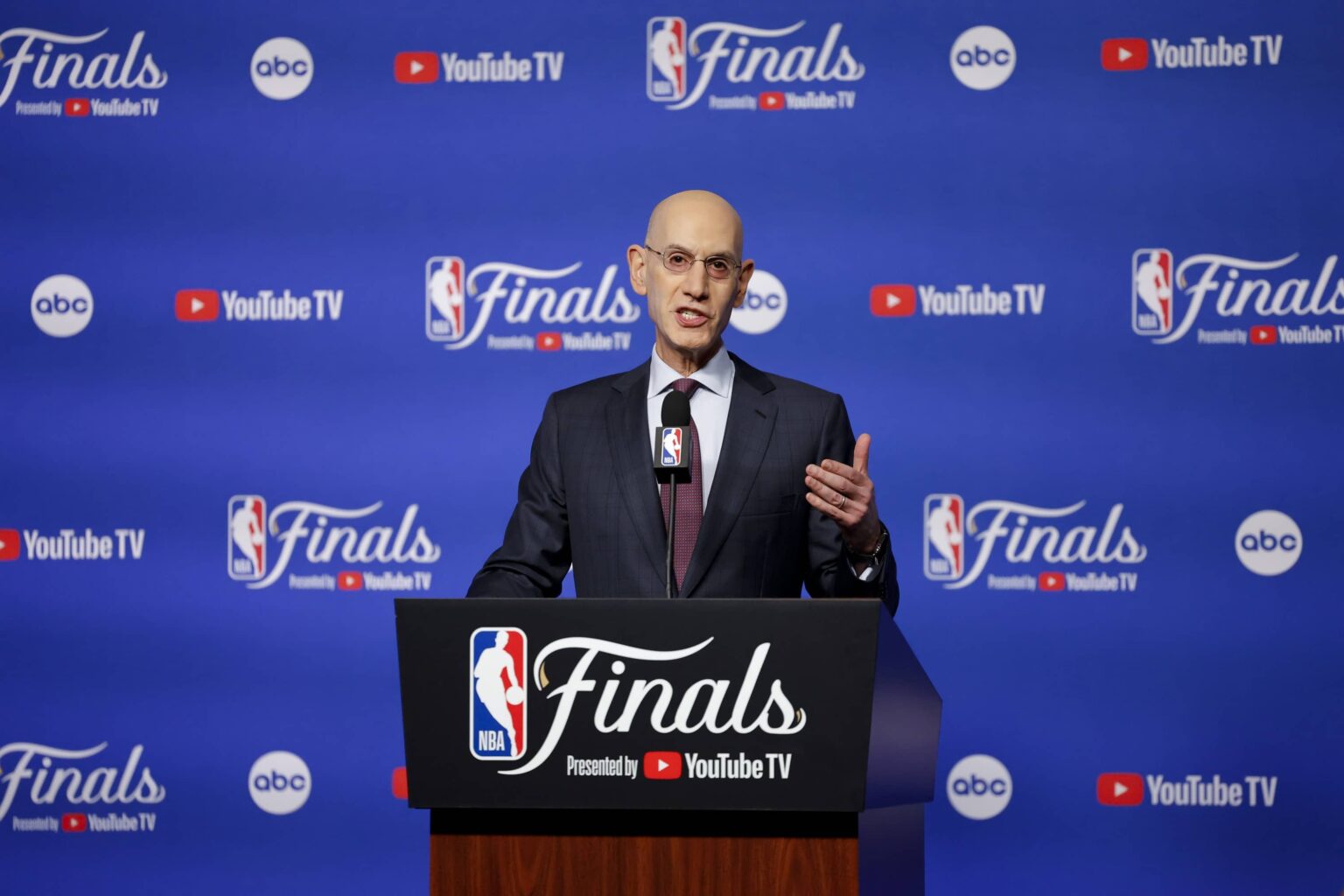
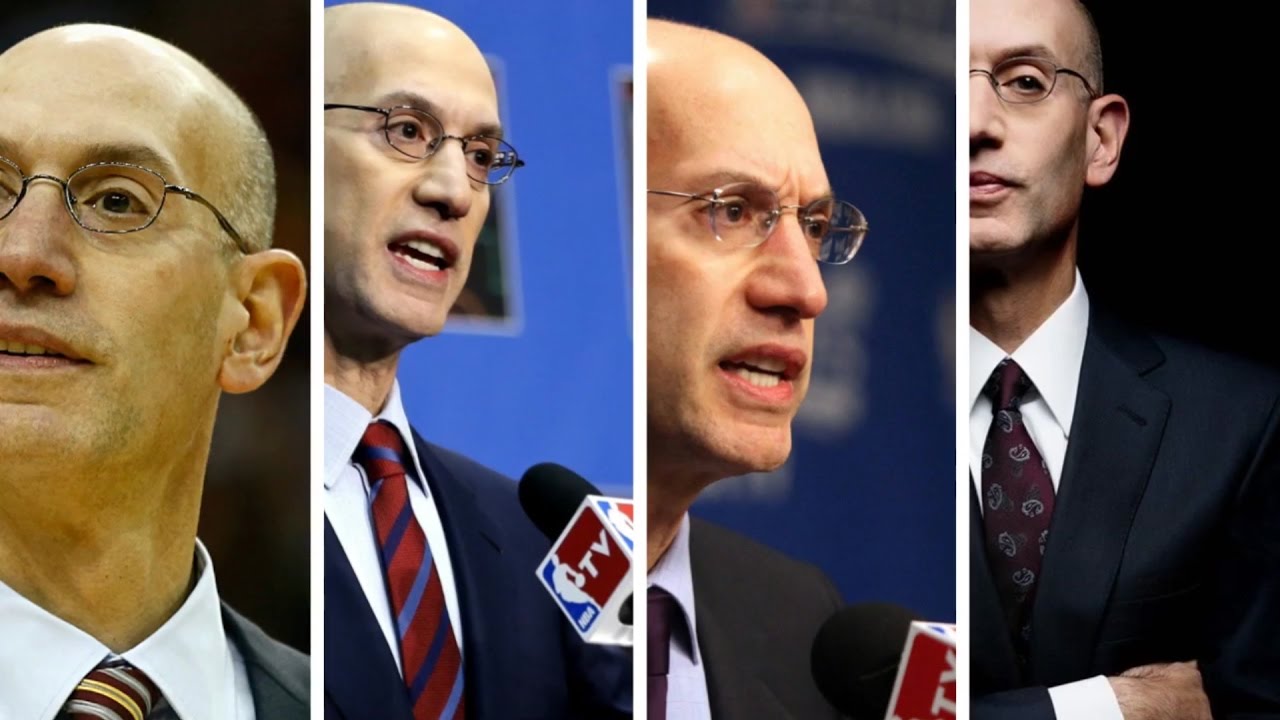
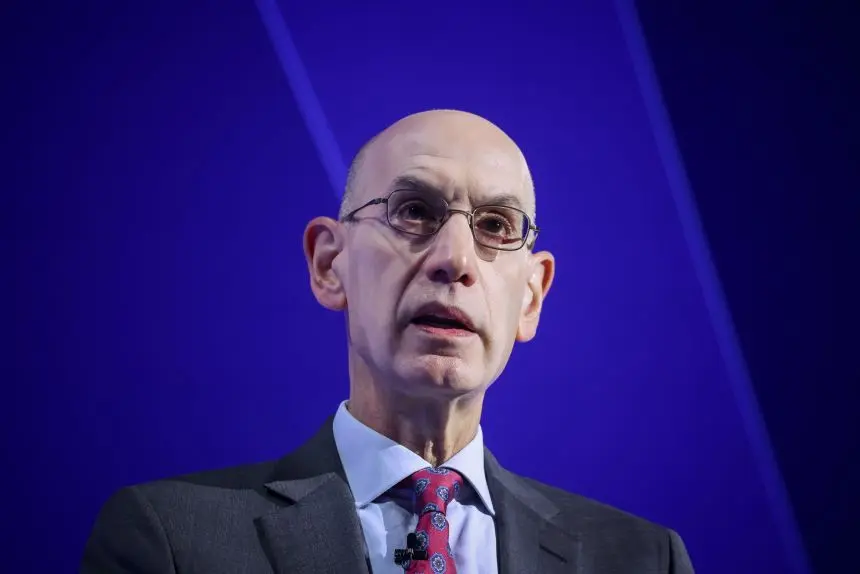
Adam Silver is the fifth Commissioner of the National Basketball Association (NBA), a position he has held since February 1, 2014. An American attorney and sports executive, Silver is widely recognized for his progressive leadership, navigating the league through major social shifts, the COVID-19 pandemic, and landmark media rights negotiations.
Early Life and Educational Foundations
Adam Silver was born on April 25, 1962, in Rye, New York, into a Jewish-American family. Growing up in a suburb of New York City, Silver was exposed early to the complexities of law and labor relations; his father, Edward Silver, was a specialized labor lawyer and a senior partner at the prestigious firm Proskauer Rose. This familial background in high-stakes negotiation and legal framework likely influenced Silver’s analytical approach to sports management and collective bargaining later in his career.
Silver attended Rye High School before enrolling at Duke University. He graduated in 1984 with a Bachelor of Arts degree in political science. His time at Duke solidified his interest in the intersection of policy and institutional management. Following his undergraduate studies, Silver worked as a legislative aide for U.S. Congressman Les AuCoin from 1984 to 1985, gaining firsthand experience in the federal legislative process.
To further his professional credentials, Silver attended the University of Chicago Law School, earning his Juris Doctor (J.D.) in 1988. The University of Chicago is known for its rigorous emphasis on law and economics, a discipline that has clearly informed Silver's data-driven and commercially savvy stewardship of the NBA.
Professional Path to the Commissioner’s Office
Before joining the NBA, Silver honed his legal skills in the private and judicial sectors. He served as a law clerk to Judge Kimba Wood of the U.S. District Court for the Southern District of New York. Following his clerkship, he joined the law firm Cravath, Swaine & Moore as an associate, where he focused on corporate litigation. This period provided him with the structural understanding of corporate governance and contract law necessary to manage a multi-billion-dollar global enterprise.
Silver’s journey with the NBA began in 1992. Over the next two decades, he held several key positions within the league office, including:
- SVP and COO of NBA Entertainment: Silver was instrumental in expanding the league’s brand through digital media, film production, and global broadcasting.
- NBA Chief of Staff: Working closely with then-Commissioner David Stern, Silver learned the nuances of managing 30 distinct team owners, each with competing interests.
- Deputy Commissioner and COO: In 2006, Silver was officially named the second-in-command. In this role, he was a primary negotiator for the league’s Collective Bargaining Agreements (CBAs) and was a lead architect of the NBA’s digital strategy.
When David Stern stepped down in 2014 after 30 years of service, the NBA Board of Governors unanimously elected Silver as his successor.
Defining Moments of the Silver Era
Adam Silver’s tenure has been defined by a series of decisive actions that shifted the culture of professional sports. Just months into his commissionership in 2014, he faced his first major crisis: the release of racist remarks made by then-Los Angeles Clippers owner Donald Sterling. Silver acted swiftly and severely, issuing a lifetime ban against Sterling and fining him $2.5 million—the maximum allowed under the NBA constitution. He then facilitated the forced sale of the team. This move earned Silver widespread praise for his moral clarity and established him as a "player-first" commissioner.
Another hallmark of his leadership was the handling of the COVID-19 pandemic. In March 2020, Silver was the first major sports leader to suspend play after a player tested positive. He later oversaw the creation of the "NBA Bubble" at Walt Disney World, a $190 million isolation zone that allowed the league to complete its season without a single positive COVID-19 case. This feat of logistics and safety became a blueprint for organizations worldwide.
Under Silver, the league has also embraced the commercialization of sports in ways previously considered taboo. He was the first commissioner of a major North American league to pen an op-ed in The New York Times advocating for the federal legalization and regulation of sports betting. Furthermore, he introduced jersey sponsorship patches and the In-Season Tournament (now the Emirates NBA Cup), both of which have added significant revenue streams and competitive intrigue.
Nationality, Identity, and Personal Life
Adam Silver is an American citizen. While his professional life is intensely public, he maintains a relatively private personal life. He married Maggie Grise in 2015, and the couple has two daughters. Silver’s identity as a New Yorker and a Duke alumnus remains central to his persona; he is frequently seen attending Duke basketball games and various cultural events in Manhattan.
His nationality and upbringing are rooted in the American legal and political tradition, yet he has been a staunch advocate for the "globalization" of the game. Under his watch, the NBA has expanded its footprint in Africa through the BAL (Basketball Africa League) and has continued to foster talent pipelines from Europe, South America, and Asia. Silver views basketball not just as an American pastime, but as a global export.
Strategic Economic Growth and the 2026 Landscape
As of 2026, the NBA’s economic standing has reached unprecedented heights under Silver's guidance. The most significant achievement in recent years has been the finalization and implementation of the 11-year media rights deal with Disney (ESPN/ABC), NBCUniversal, and Amazon Prime Video. Valued at approximately $76 billion, this deal—which began its primary cycle in the 2025-26 season—nearly tripled the annual revenue from the previous agreement.
This influx of capital has had several cascading effects:
- Salary Cap Inflation: Player salaries have surged, with "supermax" contracts now exceeding $80 million per year for elite stars.
- Expansion Readiness: With the media deal secured, Silver has moved the league closer to expansion, with Seattle and Las Vegas being the primary candidates for the 31st and 32nd franchises.
- Digital Transformation: The partnership with Amazon marks a definitive shift away from traditional regional sports networks (RSNs) toward a direct-to-consumer streaming model, ensuring the league remains accessible to younger, cord-cutting demographics.
Key Facts and Career Statistics
The following table summarizes the essential milestones and data points regarding Adam Silver’s life and professional career.
| Category | Details |
|---|---|
| Full Name | Adam Silver |
| Date of Birth | April 25, 1962 |
| Nationality | American |
| Education | Duke University (B.A.); University of Chicago (J.D.) |
| Appointed Commissioner | February 1, 2014 |
| Predecessor | David Stern |
| Key Achievement | Banning Donald Sterling (2014) |
| Major Innovation | NBA In-Season Tournament / NBA Cup |
| Media Rights Value | ~$76 Billion (Current 11-year deal) |
| Current Status (2026) | Contracted through the end of the decade |
Frequently Asked Questions
What is Adam Silver's annual salary as NBA Commissioner?
While the NBA does not publicly disclose the exact salary of its commissioner, industry reports and tax filings from similar sports entities suggest that Adam Silver earns between $10 million and $20 million annually. This figure is often supplemented by performance-based bonuses tied to the league’s overall revenue growth and the successful negotiation of collective bargaining agreements.
How long is Adam Silver’s current contract?
In early 2024, the NBA Board of Governors finalized a contract extension for Adam Silver that keeps him in his role as Commissioner through the end of the decade. This extension was intended to provide stability during the pivotal transition to new media rights partners and the anticipated expansion of the league into new markets.
What is Adam Silver's stance on NBA expansion?
Silver has shifted from a cautious stance to an active "due diligence" phase regarding expansion. As of 2026, he has publicly acknowledged that the league is looking at adding two new franchises. He emphasizes that the league must ensure "talent depth" and "financial sustainability" before finalizing the addition of teams in cities like Seattle or Las Vegas.
Did Adam Silver play professional basketball?
No, Adam Silver did not play professional basketball. His background is strictly in law, policy, and sports executive management. While he is an avid fan of the sport and played recreationally during his youth, his contribution to the game is through the lens of governance, media, and global business strategy.
What was Adam Silver's role in the 2020 NBA Bubble?
Silver was the primary decision-maker and strategist behind the 2020 NBA Bubble. He collaborated with infectious disease experts, the National Basketball Players Association (NBPA), and Disney executives to create a "closed campus" environment. His leadership during this period is credited with saving the league billions in potential lost revenue and protecting the health of the players during the peak of the pandemic.
Following the NBA's Future Under Silver
To stay informed about Adam Silver’s ongoing initiatives, fans and analysts should monitor official league communications via the NBA’s corporate website and major sports business outlets. As the league navigates the 2026-2027 season, the primary focus will be the integration of streaming-first broadcasts and the formal announcement of the expansion process. Following the league's annual "State of the League" address during the NBA All-Star Weekend provides the most direct insight into Silver's priorities for the coming years.