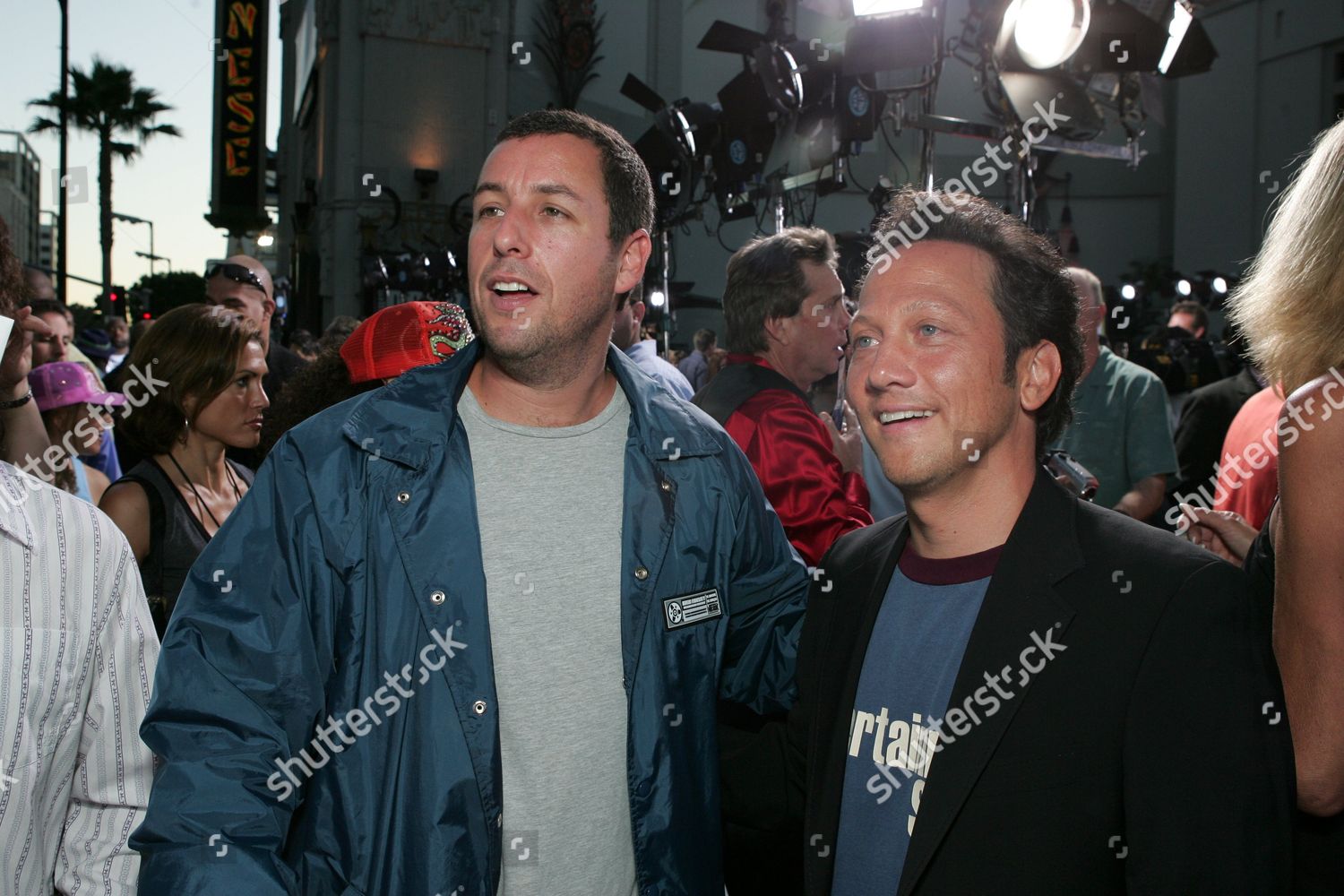
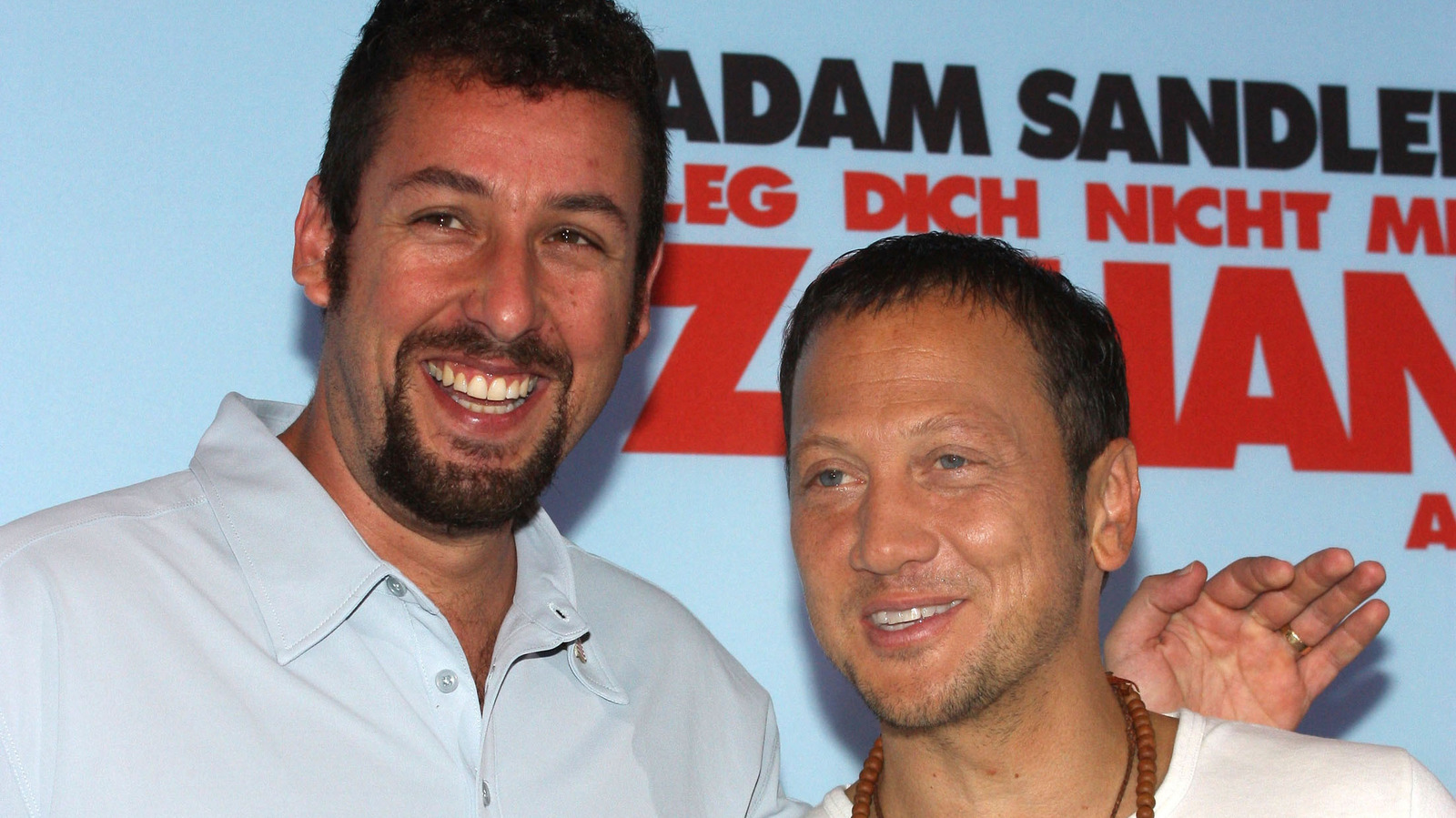
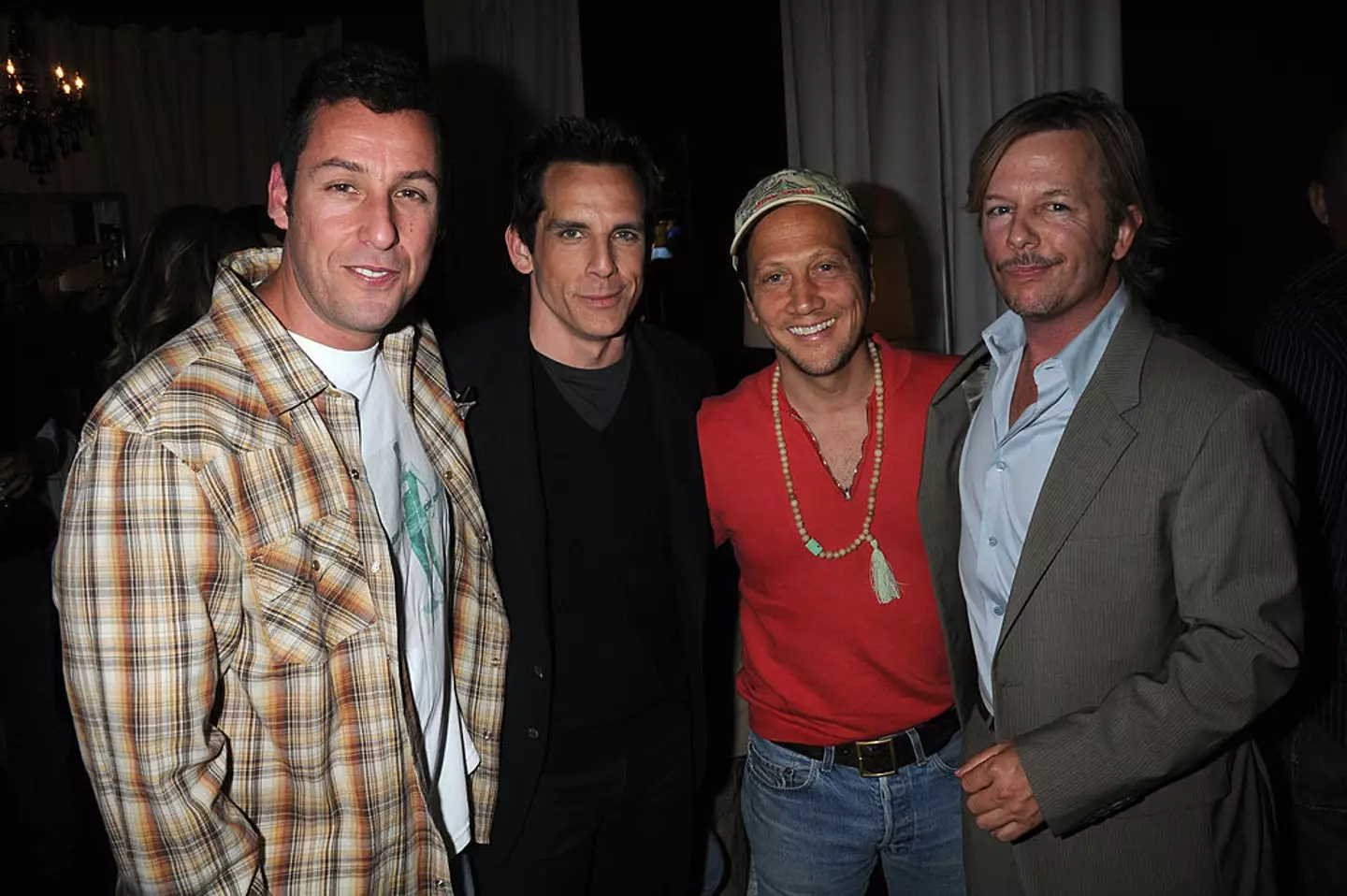
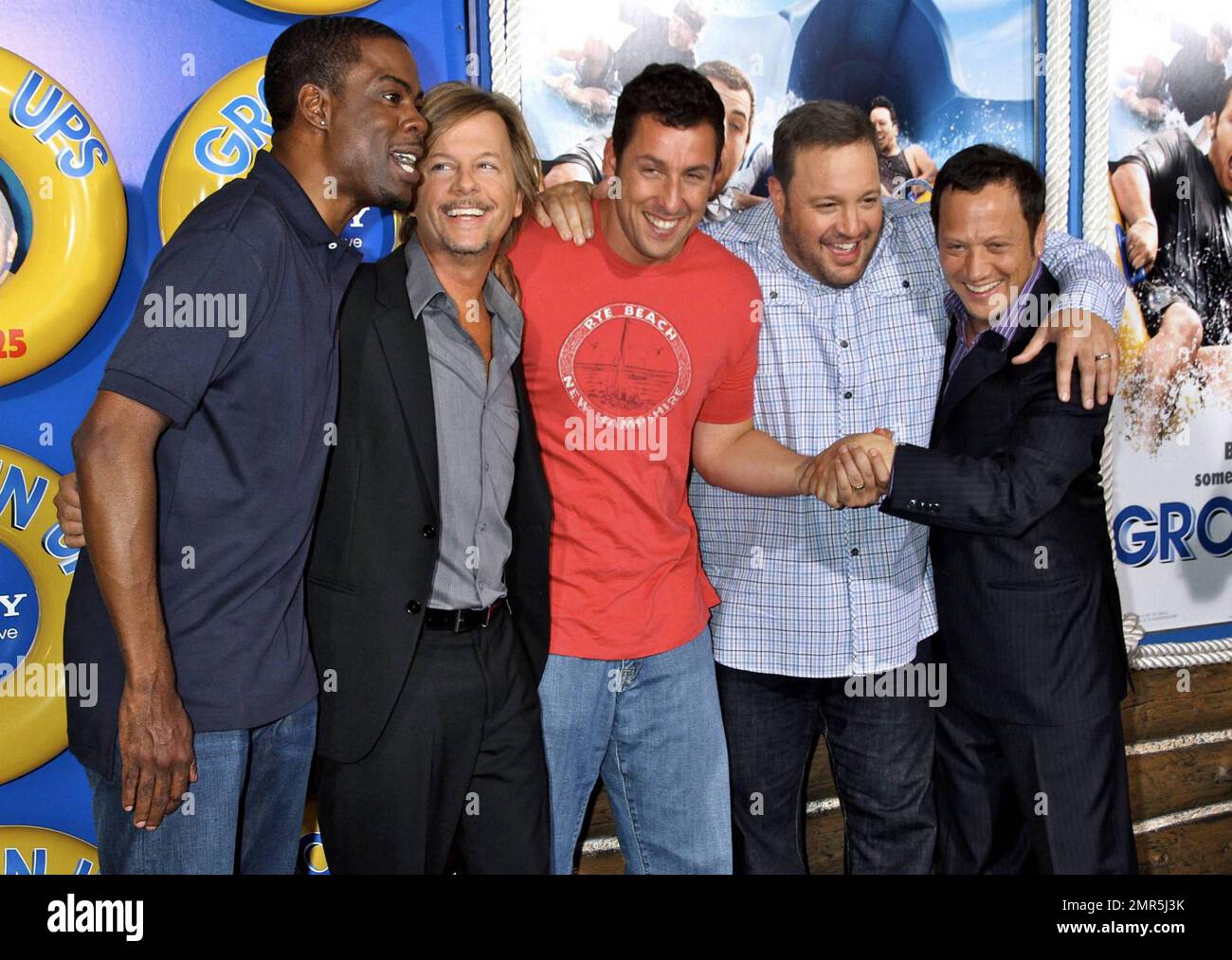
Adam Sandler and Rob Schneider have collaborated on more than 20 films since the early 1990s, forming one of the most enduring and commercially successful partnerships in comedy history. Their relationship, which began at Saturday Night Live, evolved into a production powerhouse via Happy Madison Productions, blending lead performances, iconic cameos, and a shared brand of "critic-proof" humor that resonates with global audiences.
From Studio 8H to Hollywood Stardom: The SNL Origins
The foundation of the Sandler-Schneider partnership was laid in the halls of Rockefeller Center. Both joined the cast of Saturday Night Live (SNL) in 1990, during an era that would later be defined as a "renaissance" for the sketch show. Alongside David Spade and Chris Farley, Sandler and Schneider were part of the "Bad Boys of SNL," a group known for high-energy, often juvenile, but undeniably infectious humor.
While at SNL, their comedic styles complemented one another. Sandler often played the lovable, slightly dim-witted everyman with an explosive temper, while Schneider specialized in quirky, high-concept character work. Schneider’s "Richmeister" (the office "copy machine" guy) became a cultural touchstone of the early 90s. This period established a professional shorthand between the two; they learned how to play off each other’s timing, a skill that would translate seamlessly to the big screen.
The transition from late-night television to feature films was not immediate. When Sandler was fired from SNL in 1995, he took his core group of friends with him. This transition marked the beginning of a deliberate effort to keep their "troupe" together. Instead of competing for roles, Sandler used his rising star power to create a platform where his friends could also thrive, a move that would eventually lead to the formation of Happy Madison Productions in 1999.
The Anatomy of a Happy Madison Collaboration
To understand the Sandler-Schneider duo, one must understand the Happy Madison business model. Named after Sandler’s early hits Happy Gilmore and Billy Madison, the production company serves as a creative hub for a specific circle of comedians. Within this ecosystem, the roles are fluid: Sandler may take the lead while Schneider provides a scene-stealing cameo, or Sandler may produce a film where Schneider is the central protagonist.
This collaborative structure is built on a "troupe" philosophy reminiscent of old Hollywood or classical theater companies. By repeatedly using the same actors, Sandler creates a sense of familiarity for the audience. When a viewer sits down to watch a Happy Madison film, there is an expectation of seeing Schneider appear, often in an eccentric costume or with a bizarre accent.
This approach has also provided a safety net for Schneider's solo career. Films like Deuce Bigalow: Male Gigolo (1999) and The Hot Chick (2002) were executive produced by Sandler. These films allowed Schneider to flex his muscles as a leading man while benefiting from the marketing muscle and brand recognition associated with Sandler’s name. This symbiotic relationship ensured that both remained relevant even as the landscape of theatrical comedy shifted toward R-rated "Apatow-style" humor in the mid-2000s.
Iconic Cameos and the "You Can Do It" Phenomenon
Perhaps the most famous aspect of their partnership is the recurring "You can do it!" catchphrase. Originating in the 1998 film The Waterboy, where Schneider plays a backwoods townsperson cheering on Sandler’s Bobby Boucher, the line became an instant meme before the concept of internet memes fully existed.
The line was so successful that it was repurposed in Little Nicky (2000), where Sandler’s character says it to Schneider’s character, effectively flipping the dynamic. This self-referential humor is a hallmark of their work. It rewards long-time fans with "inside jokes" and establishes a shared cinematic universe that predates the Marvel Cinematic Universe (MCU) by a decade.
The Mechanics of the Cameo
- The Townsperson/Hobo: Schneider often appears as a nameless or minimally named character who represents the "voice of the crowd."
- The Transformation: In films like 50 First Dates, Schneider plays Ula, a heavily tattooed, eccentric local, showing his willingness to undergo physical transformations for a few minutes of screen time.
- The Moral Support: Often, Schneider’s role is to be the catalyst for Sandler’s character to find his confidence, reinforcing the theme of loyalty that mirrors their real-life friendship.
A Comparative Look at Key Collaborations
The sheer volume of their work together makes it difficult to track every appearance. However, certain films stand out as pillars of their collaborative history. The following table highlights the roles and impacts of their most significant joint ventures.
| Film Year | Title | Sandler's Role | Schneider's Role | Cultural/Box Office Impact |
|---|---|---|---|---|
| 1998 | The Waterboy | Lead (Bobby Boucher) | Townie ("You can do it!") | Solidified the "cameo" tradition; $186M gross. |
| 1999 | Big Daddy | Lead (Sonny Koufax) | Delivery Guy | Showed Sandler's maturity; Schneider as comic relief. |
| 1999 | Deuce Bigalow | Exec Producer / Voice | Lead (Deuce Bigalow) | Schneider's biggest solo hit; Sandler supported. |
| 2004 | 50 First Dates | Lead (Henry Roth) | Ula (Best Friend) | High critical praise for their chemistry in Hawaii. |
| 2010 | Grown Ups | Lead (Lenny Feder) | Lead (Rob Hilliard) | Peak ensemble comedy; earned over $271M. |
| 2020 | Hubie Halloween | Lead (Hubie Dubois) | Richie Hartman | Part of the massive Netflix output; top-streamed film. |
The Critic-Proof Legacy of the Sandler-Schneider Partnership
One of the most fascinating aspects of the Sandler-Schneider duo is the disparity between critical reception and commercial success. For decades, critics have frequently panned their collaborations, citing "lowbrow" humor, reliance on stereotypes, and simplistic plotting. On platforms like Rotten Tomatoes, many of their joint efforts struggle to break out of the "Rotten" category.
However, the "Sandler-Schneider" brand is arguably the most "critic-proof" entity in entertainment history. Their films consistently perform well at the box office and, more recently, on streaming platforms. This is due to a fundamental misunderstanding by critics regarding the target audience. Sandler and Schneider do not write for critics; they write for a demographic that values escapism, physical comedy, and themes of friendship and family.
Their resilience is also tied to their work ethic. By consistently releasing content—often one to two films per year—they have maintained a constant presence in the public consciousness. In 2026, looking back at their thirty-year run, it is clear that their longevity is not an accident but a result of a highly disciplined production machine that prioritizes audience loyalty over prestige.
The Evolution into the Streaming Era: Netflix and Beyond
In 2014, Adam Sandler signed a landmark deal with Netflix, which has since been renewed multiple times. This transition from theatrical releases to direct-to-streaming was a pivot that many in the industry initially doubted. However, it proved to be a masterstroke. Netflix’s data-driven approach confirmed what fans already knew: people love watching Adam Sandler and his friends from the comfort of their homes.
Schneider has remained a staple in this Netflix era. Whether appearing in The Ridiculous 6, Sandy Wexler, or Hubie Halloween, Schneider provides the familiar comedic textures that Netflix users seek when they click on a Happy Madison thumbnail. This era has also allowed them to experiment more. While the humor remains broad, the freedom of the streaming platform has allowed for longer-form storytelling and a move away from the strict 90-minute theatrical structure.
As of 2026, the duo continues to balance these massive streaming projects with personal endeavors. Schneider has returned to his stand-up roots with several specials, often promoted by Sandler, while Sandler has garnered "serious" acting acclaim in films like Uncut Gems and Spaceman. Despite these individual successes, they always seem to find their way back to a shared set, reinforcing the idea that their partnership is the "home base" for their respective careers.
Why the Partnership Works
- Shared History: Their time on SNL created a shorthand that is impossible to manufacture in a casting room.
- Loyalty over Ego: Schneider is comfortable being the "sidekick" or the cameo, and Sandler is generous with producing opportunities for his friends.
- Brand Consistency: Audiences know exactly what they are getting—a blend of heart, slapstick, and crude humor.
- Operational Efficiency: Happy Madison is a well-oiled machine that keeps production costs manageable while maximizing reach.
Building the Ultimate Sandler-Schneider Marathon
For those looking to revisit this comedy duo, a chronological viewing provides a fascinating look at their evolution. Start with the SNL years (available on platforms like Peacock) to see the raw energy of their early sketches. Then, move into the "Golden Era" of the late 90s and early 2000s, focusing on The Waterboy and 50 First Dates.
To see the duo in a true ensemble setting, Grown Ups is essential viewing. It captures the essence of their real-life camaraderie, as the film is essentially a filmed vacation for a group of lifelong friends. Finally, conclude with their Netflix offerings, which represent the modern, polished version of the Happy Madison formula.
FAQs
How many movies have Adam Sandler and Rob Schneider done together?
Adam Sandler and Rob Schneider have appeared in over 20 films together. This count includes films where they both have leading roles, as well as films where one provides a cameo for the other. Their collaboration spans from 1998's The Waterboy to their most recent Netflix projects in 2026.
Are Adam Sandler and Rob Schneider friends in real life?
Yes, they have been close friends for over 35 years. They met as young comedians on the set of Saturday Night Live in 1990 and have remained part of the same social and professional circle ever since. This real-life bond is often cited as the reason for their natural chemistry on screen.
Why does Rob Schneider appear in so many Adam Sandler movies?
The primary reason is loyalty and the "troupe" mentality of Sandler’s Happy Madison Productions. Sandler prefers working with people he trusts and enjoys spending time with. Schneider’s ability to play various eccentric characters makes him a versatile asset for the ensemble-style comedies that Sandler produces.
What was the first movie they did together?
While they worked together for years on Saturday Night Live, their first major film collaboration was The Waterboy in 1998. Although Schneider’s role was small, it birthed the "You can do it!" catchphrase that would define much of their future collaborative work.
Did they ever win any awards for their work together?
While they are not typically "Oscar-bait" actors, they have won numerous People's Choice Awards and Kids' Choice Awards, reflecting their massive popularity with the general public. On the flip side, they have also been frequent "winners" at the Golden Raspberry Awards (Razzies), which they often treat with a sense of humor.
Prioritize the "Duo" Dynamics in Your Next Watch Party
When planning a movie night centered on this duo, the key is to look for the films where their interaction is the most dynamic. While Grown Ups offers the most screen time together, the cameos in The Waterboy and Little Nicky offer the most "meta" humor. For a deeper appreciation of their range, compare Schneider’s high-energy performance in The Hot Chick (produced by Sandler) with his more grounded role in 50 First Dates. Observing how they adapt their styles to suit the needs of the story—while maintaining their core comedic identities—reveals the secret to their decades-long success in an industry known for short-lived partnerships.