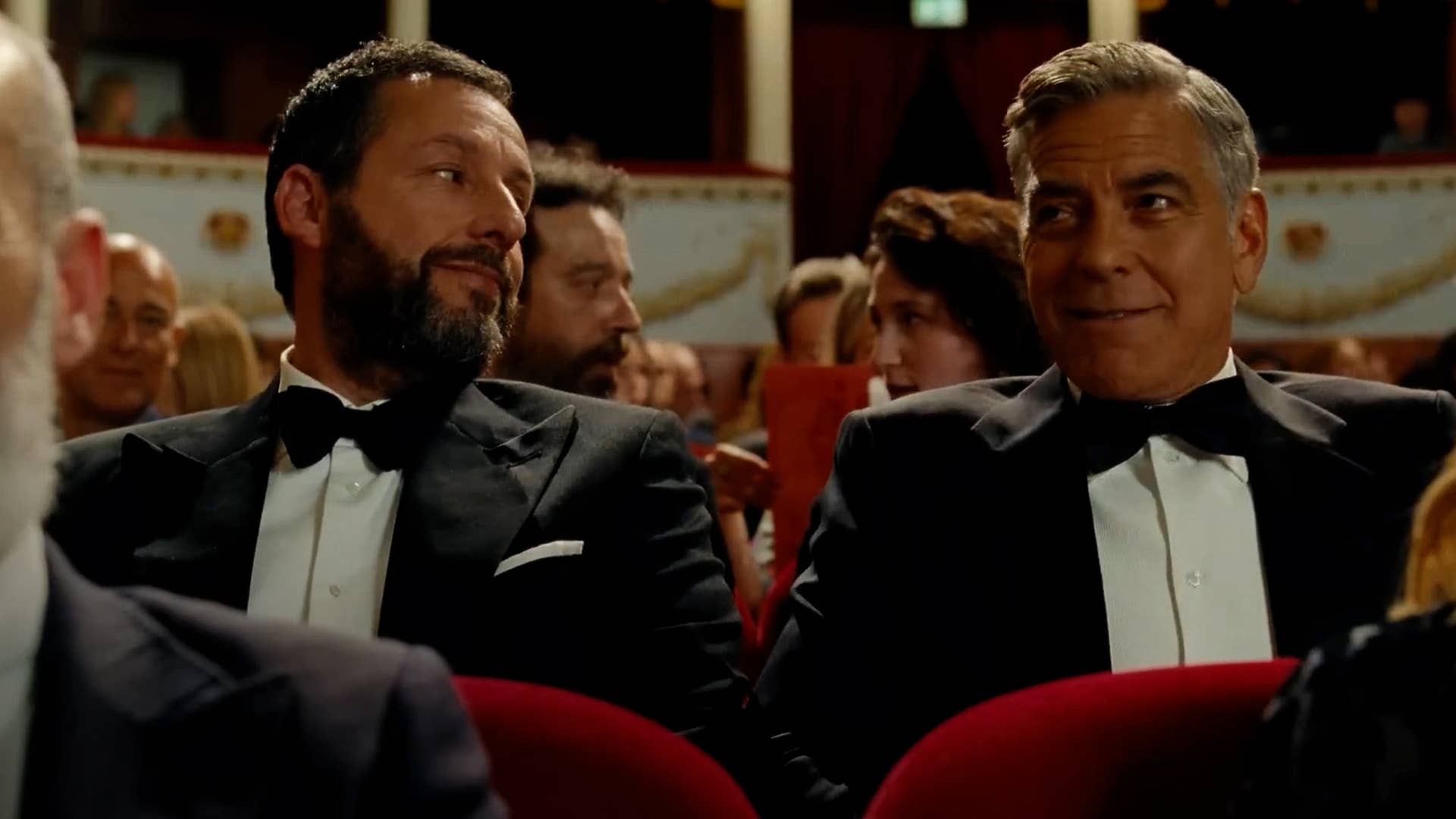
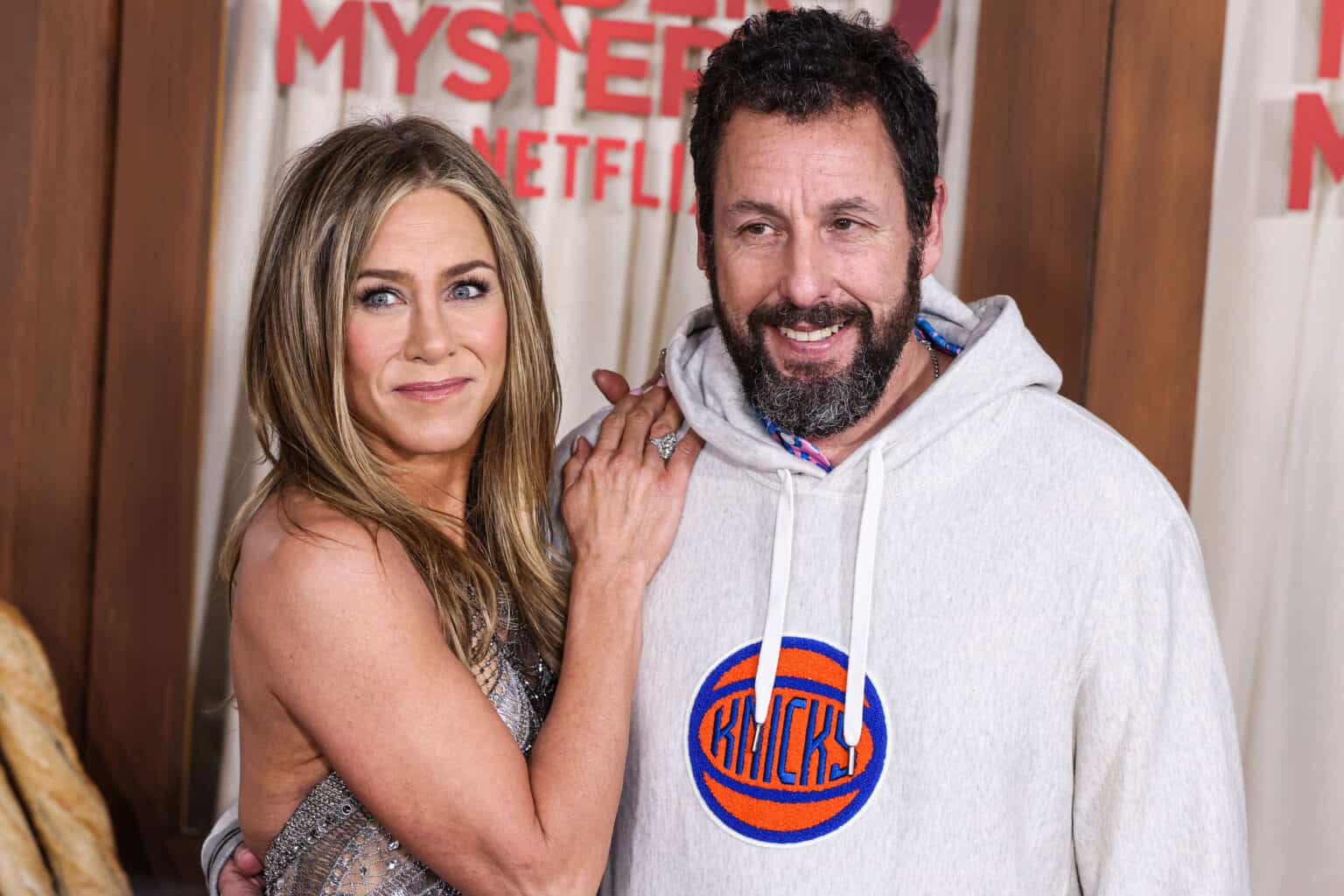
Adam Sandler’s estimated net worth of approximately $480 million stands in stark contrast to the public discourse surrounding Taylor Lautner’s physical appearance, often centered on viral internet commentary regarding his jawline and weight fluctuations. While one represents a titan of the film industry with a diversified portfolio of production deals, the other remains a cultural icon whose transition from teen idol to public figure has been subjected to relentless, albeit trivial, scrutiny.
The Financial Architecture of Adam Sandler
Adam Sandler’s professional longevity is fundamentally tied to his ability to blend box-office appeal with strategic business acumen. Through his production company, Happy Madison Productions, Sandler secured a landmark multi-film deal with Netflix in 2014, which has been renewed multiple times since. This agreement effectively moved his primary revenue stream from traditional theatrical distribution models to a high-volume streaming model.
By the year 2026, Sandler’s net worth reflects decades of consistent performance in both comedic and dramatic roles. His earnings are not merely derived from acting fees; they are the result of owning the intellectual property behind his films, exercising creative control, and maintaining a loyal audience that spans generations. His financial portfolio is further diversified through real estate holdings, including high-value properties in Los Angeles, Malibu, and New York City, as well as a history of successful touring and stand-up comedy specials.
The Dynamics of Public Scrutiny: Taylor Lautner
In contrast to the career-focused analysis of Sandler, public discourse regarding Taylor Lautner often shifts toward superficial critique. The term "double chin showdown"—a recurring trope in social media threads and tabloid gossip—highlights the volatility of fame in the digital age. Unlike financial metrics, which rely on verified records and tax disclosures, public perception of an actor’s physique is highly subjective and frequently disconnected from professional reality.
Lautner’s career, defined by his breakout role as Jacob Black in the Twilight saga, faced the common challenge of typecasting. His public image evolved from the highly athletic, "shirless" teenager of the late 2000s to a mature actor navigating the industry in the mid-2020s. The fixation on his physical appearance serves as a case study in how audiences treat former teen heartthrobs. While Sandler’s net worth is a quantifiable measure of his economic impact, the discourse surrounding Lautner is a measure of the parasocial obsession with the aging processes of celebrities.
Comparative Metrics of Professional Influence
When assessing the weight of a public figure, it is necessary to distinguish between economic capital and social media engagement. The following table provides a breakdown of these contrasting areas of focus.
| Metric | Adam Sandler | Taylor Lautner |
|---|---|---|
| Primary Asset | Production Company/IP Ownership | Brand Recognition/Social Presence |
| Industry Standing | Independent Producer/A-list Talent | Character Actor/Media Personality |
| Public Focus | Financial Success/Filmography | Physical Appearance/Body Image |
| Revenue Model | Equity and Licensing | Contractual Fees/Endorsements |
| Career Stage | Legacy | Mid-Career Transition |
Why Physical Scrutiny Dominates Conversations
The preoccupation with "double chins" or weight changes in performers like Taylor Lautner is rarely about health or professional capability; it is a byproduct of the aesthetic standards imposed by modern celebrity culture. For an actor who rose to fame based on a specific, hyper-masculine physical ideal, any deviation from that look is often treated as a "failure" by tabloids.
This contrasts sharply with how industry peers like Adam Sandler are viewed. Sandler has rarely been marketed for his physical appearance, allowing his audience to focus on his work rather than his profile. By 2026, the industry has become slightly more aware of the toxicity of these critiques, yet the internet remains a space where physical appearance is prioritized over professional achievements. Understanding this distinction is crucial for separating substantive career analysis from the noise of celebrity culture.
Career Longevity and Intellectual Property
The reason for the vast gap between Sandler’s wealth and the focus on Lautner’s appearance lies in the nature of their careers. Sandler transitioned from an SNL cast member to a producer, controlling his own content. When an actor owns the production company, their financial worth is insulated from their physical aging. They become the "house" that produces the film, rather than just the "face" on the poster.
Taylor Lautner, conversely, has remained more traditionally within the acting ecosystem. His professional success is still heavily tied to his image and his ability to leverage his past fame for contemporary projects. This leaves him more vulnerable to the whims of public opinion regarding his looks, as he has not yet moved into the producer-distributor role that allowed Sandler to build such a significant net worth.
Navigating Celebrity Criticism
For individuals in the public eye, the "showdown" between their work and their image is a constant battle. The primary advice offered to figures in similar positions is to prioritize the development of assets that are not dependent on physical appearance. Establishing behind-the-scenes roles, such as producing, directing, or investing in external business ventures, provides a buffer against the superficial critiques that often plague actors.
Furthermore, managing public perception in the modern era requires a robust strategy for dealing with social media discourse. Engaging with negative commentary only tends to amplify the reach of the original, superficial critique. By maintaining a professional boundary and focusing on high-quality outputs, performers can redirect the narrative back toward their professional contributions rather than their physical state.
Frequently Asked Questions
How does Adam Sandler maintain his high net worth?
Adam Sandler maintains his wealth through a vertically integrated business model. By owning Happy Madison Productions, he retains rights to his films, allowing him to benefit from secondary markets, streaming residuals, and licensing deals rather than just receiving an upfront acting salary.
Is the "double chin" criticism regarding Taylor Lautner financially relevant?
No. The focus on Taylor Lautner’s physical appearance is a matter of tabloid interest and social media engagement. It has no verifiable impact on his net worth or his professional standing as a working actor in the current film industry.
Why do audiences focus on celebrity appearances?
Audience focus on physical changes is often rooted in nostalgia and the parasocial desire for celebrities to remain frozen in the state they were in when they first rose to fame. When a celebrity deviates from that image, it often generates a disproportionate amount of media commentary.
What is the difference between an actor and a producer's wealth?
An actor’s income is primarily transactional—they are paid for a specific service. A producer’s wealth is equity-based—they own the product of the work. Adam Sandler’s shift to producing is the primary driver of the significant gap in his financial portfolio compared to traditional actors.
How do celebrities protect their personal lives from physical critique?
Most high-profile figures use a combination of media management, curated social media presences, and a general policy of ignoring non-substantive criticism. Professional longevity is usually sustained by focusing on outputs that the public values more than the individual's appearance.
Strategic Next Actions for Career Longevity
For professionals in the entertainment industry looking to ensure long-term stability similar to that of successful producers, the most viable path is the acquisition of intellectual property. Rather than relying on acting roles alone, developing a pipeline of content—whether it be film, television, or digital media—creates an independent asset class. This transition moves the individual from being a commodity to being a business owner. For those facing public scrutiny, the most effective response is a consistent focus on professional output, which ultimately holds more weight in the industry than the transient trends of internet commentary.