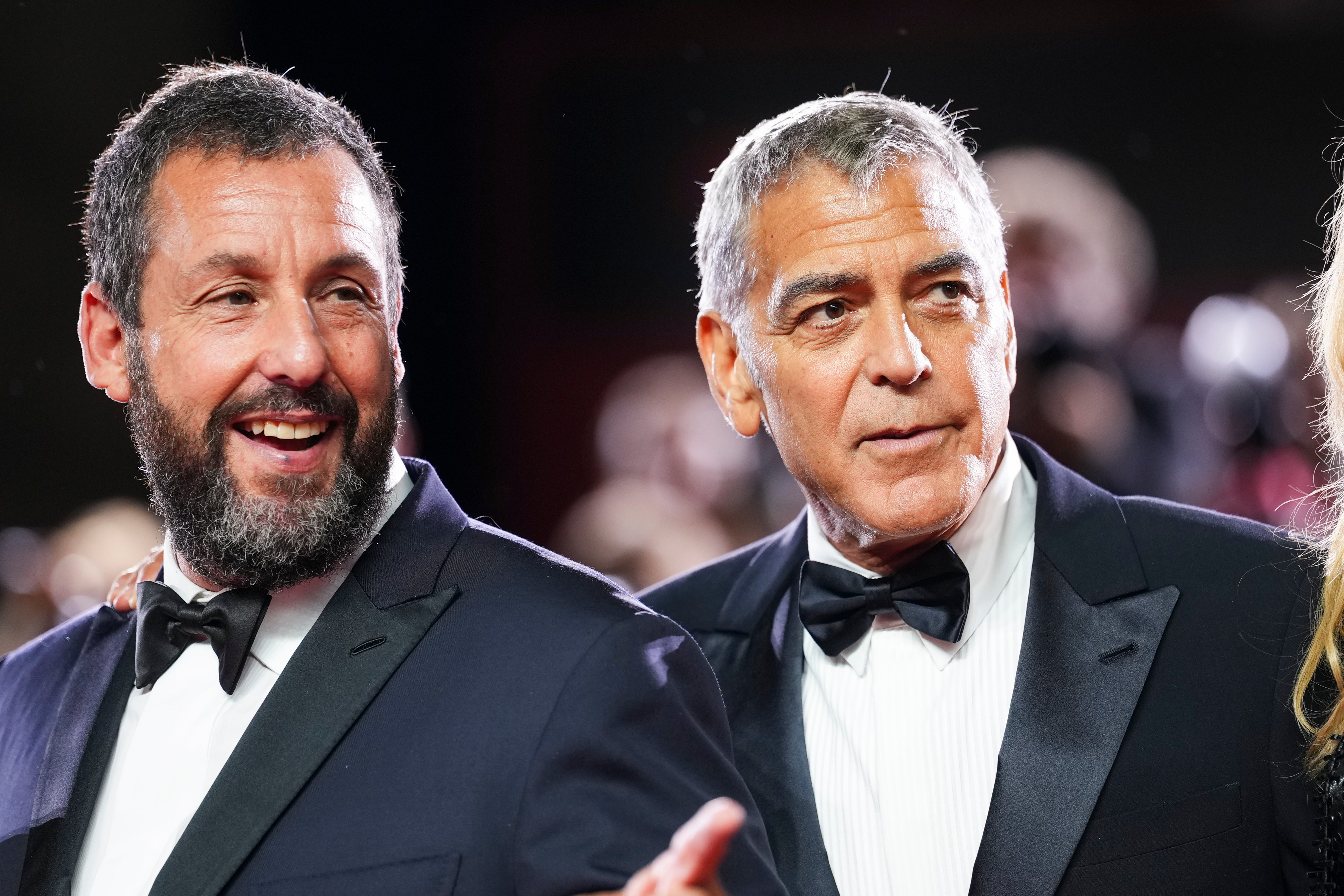
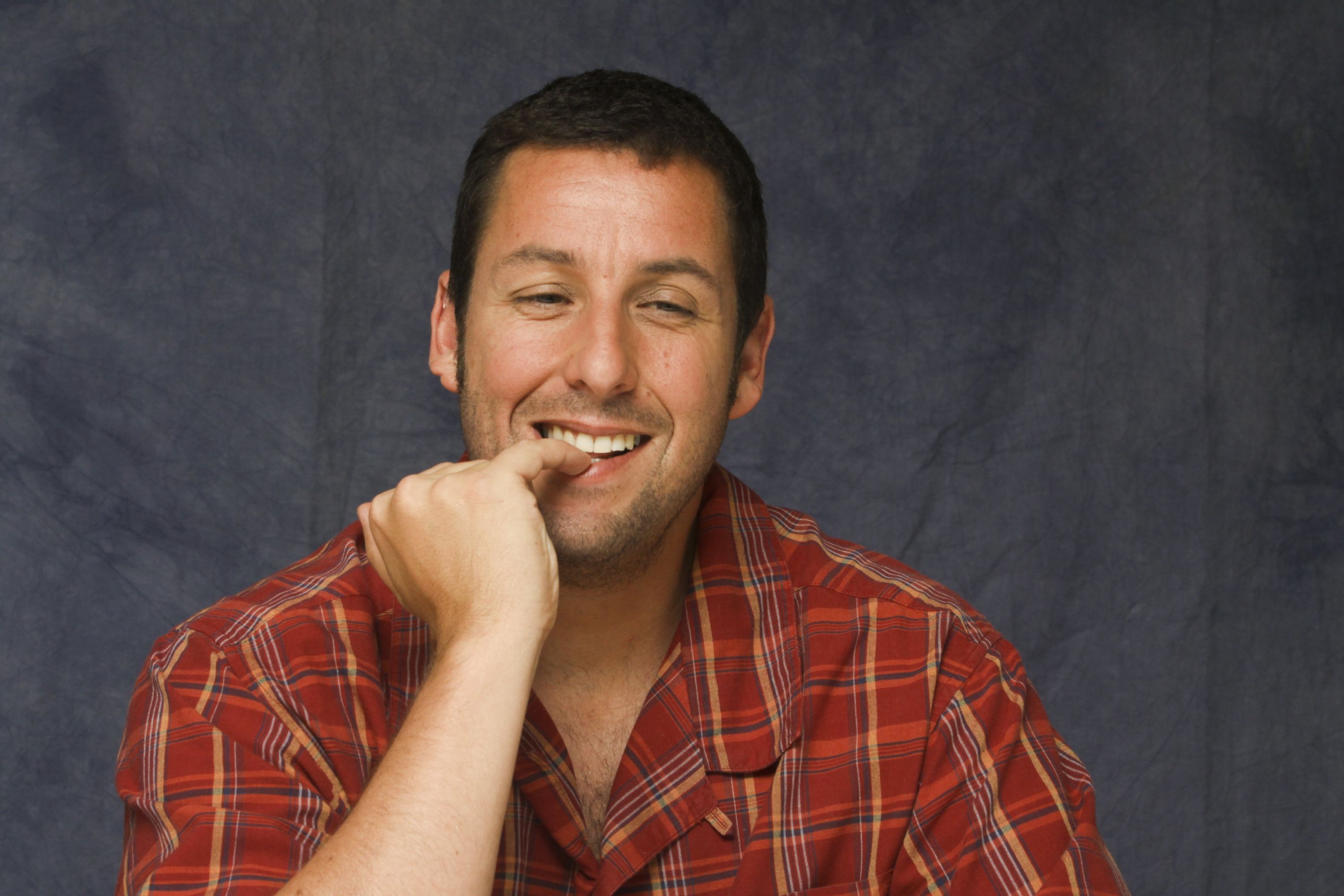
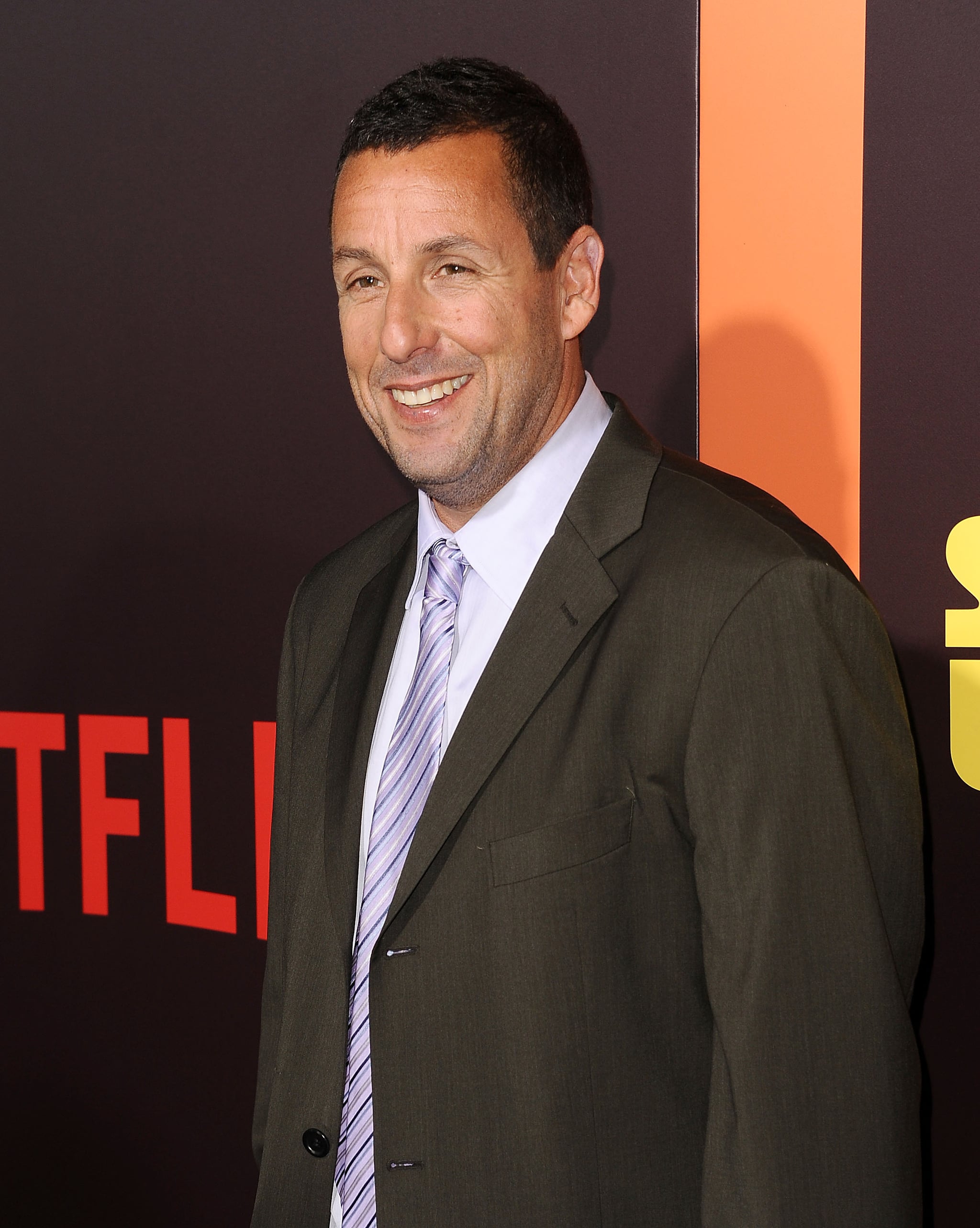
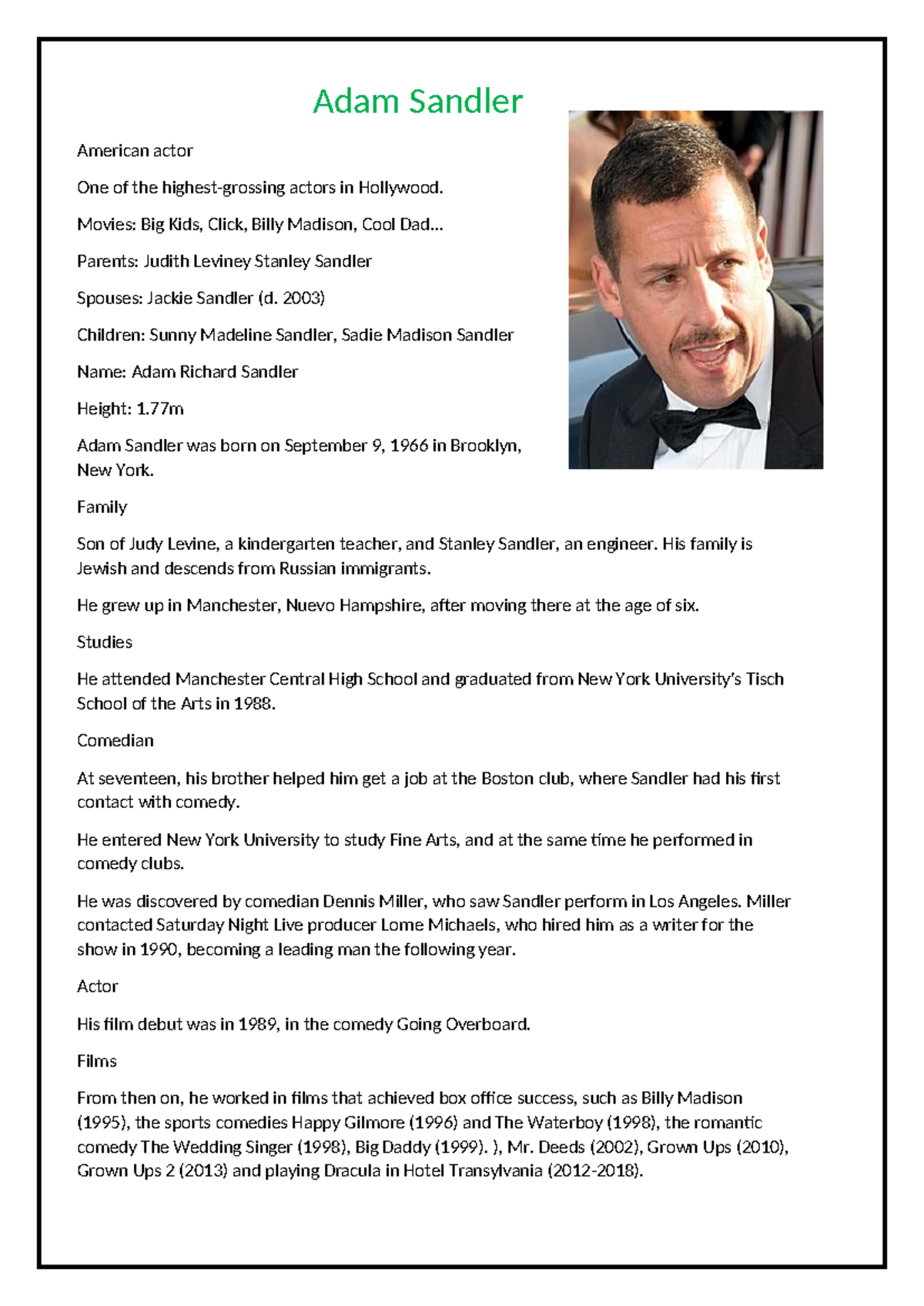
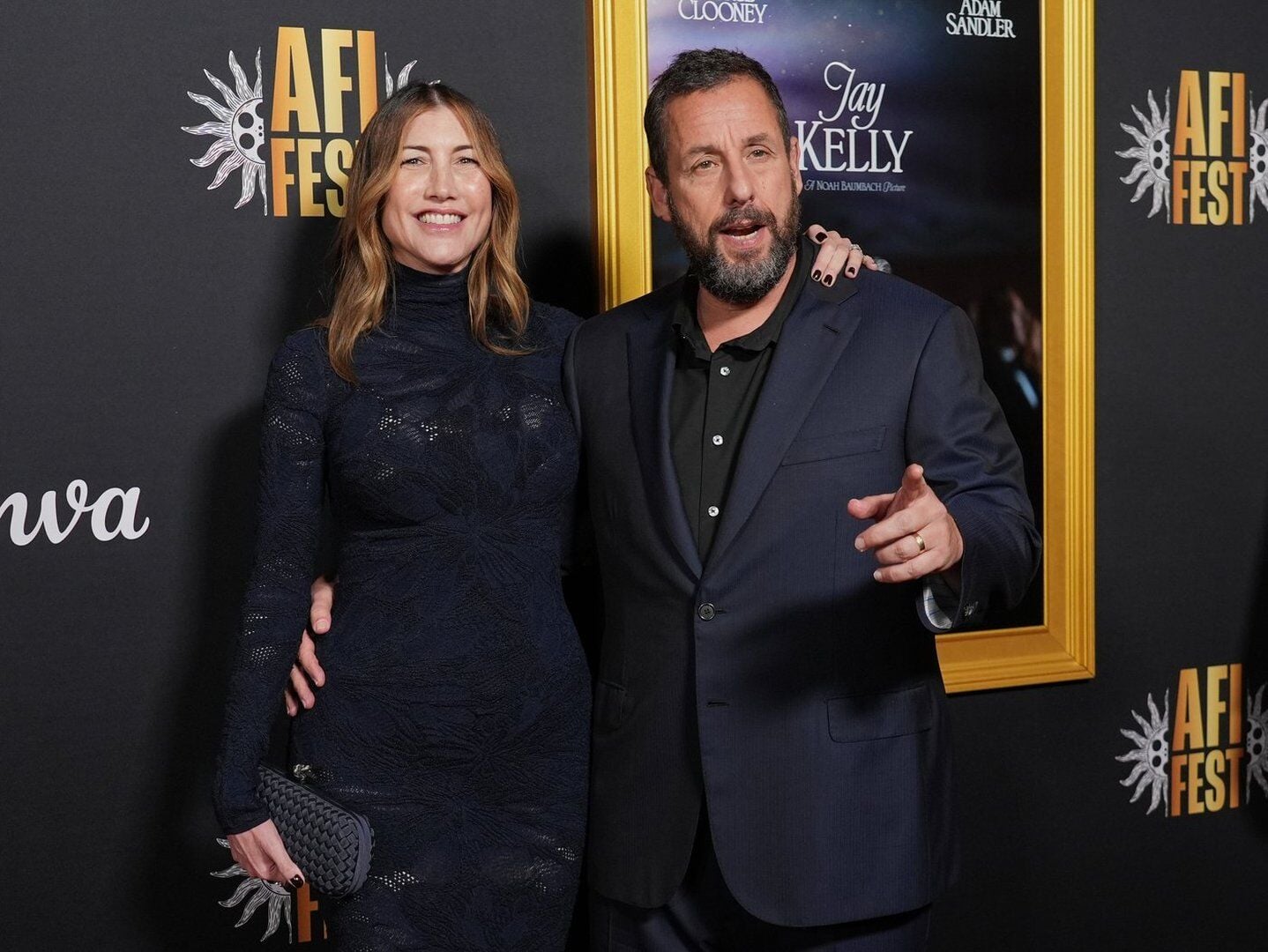
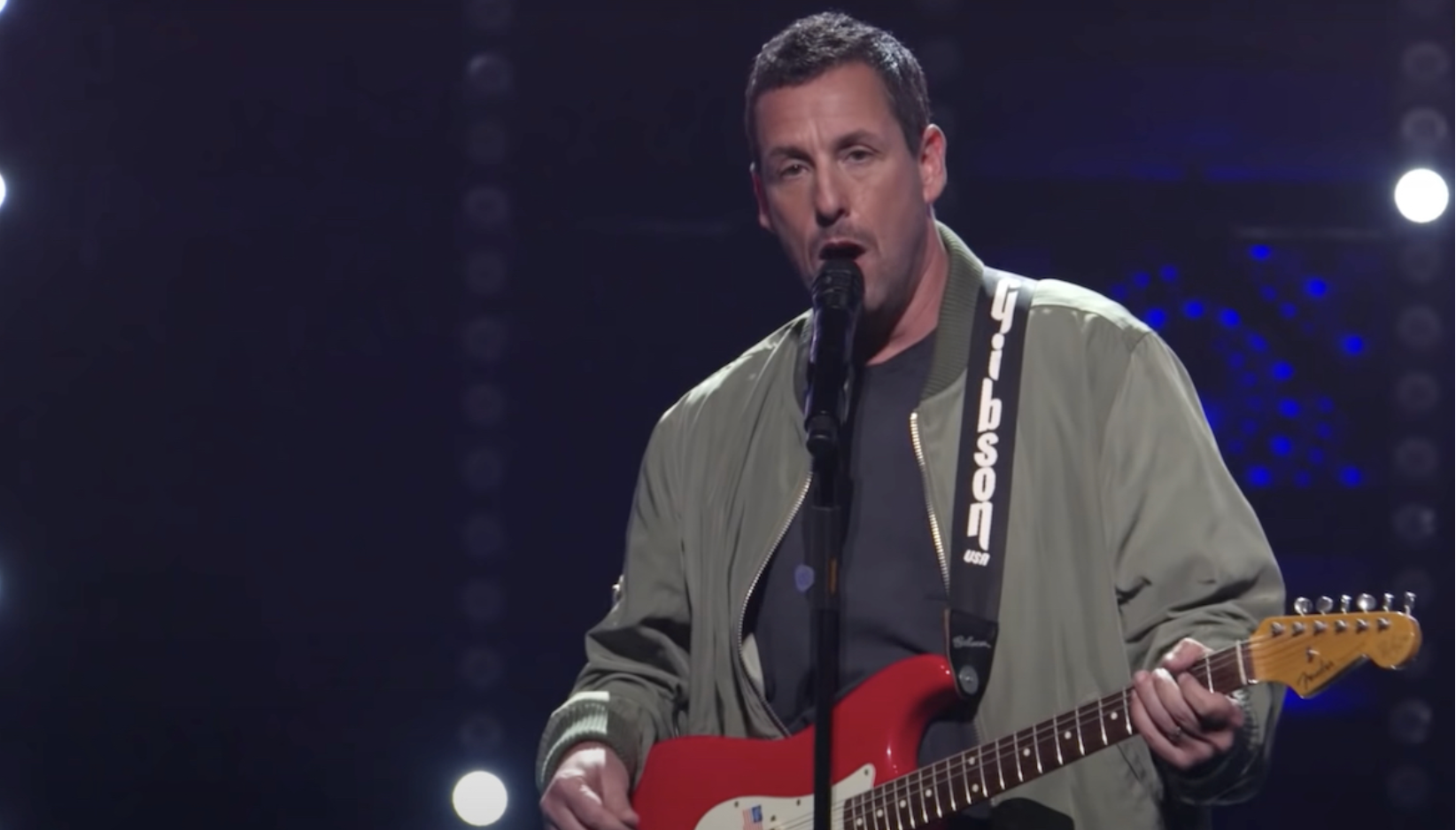
As of 2026, Adam Sandler remains one of Hollywood's most enduring and financially successful figures, having successfully transitioned from a sketch-comedy breakout to a global movie star and a pioneering production mogul. His career is defined by a unique blend of "everyman" slapstick comedy, high-stakes dramatic performances, and a revolutionary multi-year partnership with Netflix that redefined modern film distribution.
The Foundation: From Stand-Up to Saturday Night Live
Adam Sandler’s professional journey began in the mid-1980s, rooted in the stand-up comedy circuits of New York and Los Angeles. His early appearances on The Cosby Show as Smitty provided a glimpse of his screen presence, but his definitive "big break" occurred in 1990. Discovered by Dennis Miller, Sandler was hired as a writer for Saturday Night Live (SNL), eventually becoming a featured player in 1991.
During his tenure on SNL, Sandler developed a repertoire of characters and musical segments that would become cultural touchstones. Characters like "Opera Man" and original songs such as "The Chanukah Song" showcased his ability to blend absurdity with genuine sentimentality. This period was crucial because it established the "Sandler Archetype": a lovable, often short-tempered underdog who speaks to the frustrations and joys of the common person.
Sandler’s departure from SNL in 1995 was famously abrupt, as he and castmate Chris Farley were fired. However, this exit served as the catalyst for his transition into feature films, where he would soon exert unprecedented control over his creative output.
The Happy Madison Era: Defining the Studio Comedy
Following his SNL exit, Sandler launched a string of comedies that defined the late 1990s and early 2000s. Movies like Billy Madison (1995) and Happy Gilmore (1996) were not just box office successes; they were the foundation of his production company, Happy Madison Productions, founded in 1999.
Happy Madison allowed Sandler to create a "cinematic universe" long before the term became a marketing staple. By casting a recurring troupe of friends and collaborators—including Rob Schneider, David Spade, Chris Rock, and Steve Buscemi—Sandler built a brand based on loyalty and familiar humor. This era saw a peak in his commercial viability with hits such as:
- The Waterboy (1998): A massive commercial success that cemented his status as a bankable lead.
- Big Daddy (1999): Proved he could handle more domestic, sentimental storylines while maintaining his comedic edge.
- 50 First Dates (2004): Highlighted his chemistry with Drew Barrymore and his ability to lead romantic comedies.
Critics often maligned these films for their juvenile humor, but Sandler’s audience remained fiercely loyal. He tapped into a demographic that felt ignored by "high-brow" cinema, delivering consistent entertainment that prioritized heart and hilarity over critical acclaim.
The Dramatic Pivot: Proving the Critics Wrong
One of the most fascinating aspects of Sandler’s career is his periodic pivot into dramatic acting. While he is primarily known for comedy, his work with visionary directors has consistently revealed a profound depth of talent. This "prestige Sandler" usually emerges when he plays characters who are repressed, anxious, or fundamentally broken.
His first major dramatic turn was in Paul Thomas Anderson’s Punch-Drunk Love (2002). Anderson intentionally subverted the "angry Sandler" persona, turning his characteristic outbursts into symptoms of profound social anxiety and loneliness. The performance earned Sandler a Golden Globe nomination and shifted the industry's perception of his range.
This trend continued with Reign Over Me (2007), a somber look at post-9/11 grief, and Noah Baumbach’s The Meyerowitz Stories (2017). However, it was the Safdie Brothers’ Uncut Gems (2019) that arguably marked his career-best work. Playing Howard Ratner, a diamond dealer with a crippling gambling addiction, Sandler delivered a high-octane, anxiety-inducing performance that many felt deserved an Academy Award nomination. These roles serve as a reminder that Sandler’s comedic persona is a choice, not a limitation of his ability.
The Netflix Revolution: A Case Study in Industry Transformation
In 2014, Sandler made a move that many industry analysts initially questioned: he signed an exclusive four-movie deal with Netflix. At the time, streaming was still viewed as a secondary market to theatrical releases. Sandler, however, recognized the changing tide of consumer behavior.
The partnership proved to be a masterstroke for both parties. Netflix gained a massive, built-in audience that would watch anything Sandler produced, while Sandler gained total creative freedom and massive financial security without the pressure of opening-weekend box office numbers. According to Netflix's own data, subscribers have spent billions of hours watching Sandler’s content.
The deal has been renewed multiple times (notably in 2017 and 2020), leading to a diverse slate of projects including the Murder Mystery franchise, the animated hit Leo (2023), and the sci-fi drama Spaceman (2024). This partnership has effectively made Sandler the "King of Streaming," proving that a major movie star can thrive—and perhaps even increase their influence—outside the traditional studio system.
Public Profile and Cultural Impact
Adam Sandler’s public profile is remarkably consistent with his onscreen persona. He is frequently sighted in public wearing oversized basketball shorts and hoodies, a style often referred to as "Sandler-core." This lack of pretension has endeared him to fans, making him appear more like a relatable neighbor than a multimillionaire executive.
His reputation within Hollywood is equally notable. He is widely cited as one of the most loyal and generous employers in the industry. Beyond his habit of casting his friends, he is known for giving his co-stars lavish gifts—such as the Maseratis he reportedly bought his Grown Ups co-stars.
Philanthropy and Advocacy
Sandler has used his platform to support various causes, though he often does so without significant fanfare. He has made substantial donations to the Boys & Girls Clubs of America and has supported various health initiatives, including autism research and animal rights organizations. His public profile as of 2026 is that of a "statesman of comedy"—a veteran who has outlasted his critics and continues to mentor younger comedians.
Significant Filmography and Career Milestones
The following table categorizes key films in Sandler's career, highlighting the diversity of his genres and the evolution of his roles.
| Era | Notable Title | Genre | Significance |
|---|---|---|---|
| Early SNL Transition | Billy Madison | Comedy | Established his "man-child" persona and cult following. |
| Happy Madison Peak | The Waterboy | Sports Comedy | His first massive $100M+ domestic box office hit. |
| First Dramatic Turn | Punch-Drunk Love | Drama/Romance | Proved his capability to work with "A-list" auteur directors. |
| Mainstream Rom-Com | 50 First Dates | Rom-Com | Solidified his appeal to broader, co-ed audiences. |
| Ensemble Success | Grown Ups | Ensemble Comedy | Defined his later-career focus on "vacation movies" with friends. |
| Critical Peak | Uncut Gems | Thriller/Drama | Widely considered his greatest acting achievement. |
| Streaming Giant | Murder Mystery | Mystery/Comedy | One of the most-watched original films in Netflix history. |
| Animation Success | Leo | Animated Musical | Showcased his versatility as a voice actor and writer for family audiences. |
Frequently Asked Questions
Why does Adam Sandler always cast the same actors in his movies?
Sandler prioritizes loyalty and a comfortable working environment. By hiring friends like Rob Schneider, Nick Swardson, and Steve Buscemi through Happy Madison Productions, he ensures a shorthand on set that facilitates comedic timing and efficiency. This "Sandler-verse" has become a trademark of his brand, creating a sense of familiarity for his audience.
Has Adam Sandler ever won an Oscar?
As of 2026, Adam Sandler has not won an Academy Award. While his performance in Uncut Gems (2019) was highly praised and won several critics' awards (including the Independent Spirit Award for Best Male Lead), he has yet to receive an Oscar nomination. He has, however, received several Golden Globe and Emmy nominations throughout his career.
What is the financial impact of the Sandler-Netflix deal?
The partnership is one of the most lucrative in entertainment history. Estimates suggest the various iterations of the deal have been worth over $250 million to $350 million. For Netflix, the value lies in retention; Sandler’s films consistently rank in the "Top 10" globally, providing high "rewatch" value that keeps subscribers from canceling their memberships.
How did Adam Sandler get his start in show business?
Sandler started as a stand-up comedian at the age of 17 after his brother encouraged him to perform at a Boston comedy club. He later studied at New York University's Tisch School of the Arts while continuing to perform stand-up, eventually landing a role on The Cosby Show and catching the attention of Saturday Night Live scouts.
Is Adam Sandler still making movies in 2026?
Yes. As of 2026, Sandler remains highly active under his extended contract with Netflix. He continues to produce a mix of broad comedies, family-oriented animated projects, and occasional dramatic roles. His production company, Happy Madison, also produces content for other actors and comedians, maintaining a heavy production schedule.
Strategic Outlook for the Sandler Brand
In the current media landscape, Adam Sandler represents the ultimate "safe bet." His ability to generate high viewership without the need for massive marketing campaigns makes him a unique asset. For aspiring creators and industry professionals, Sandler’s career offers a masterclass in brand consistency and vertical integration. By owning his production company and controlling his distribution channels through Netflix, he has bypassed the traditional gatekeepers of Hollywood.
Moving forward, the primary challenge for the Sandler brand will be balancing the nostalgic demand for his "classic" comedy style with his increasing desire to tackle mature, dramatic projects. However, if his recent track record is any indication, he will likely continue to succeed by doing exactly what he has always done: staying loyal to his creative instincts and his core audience.