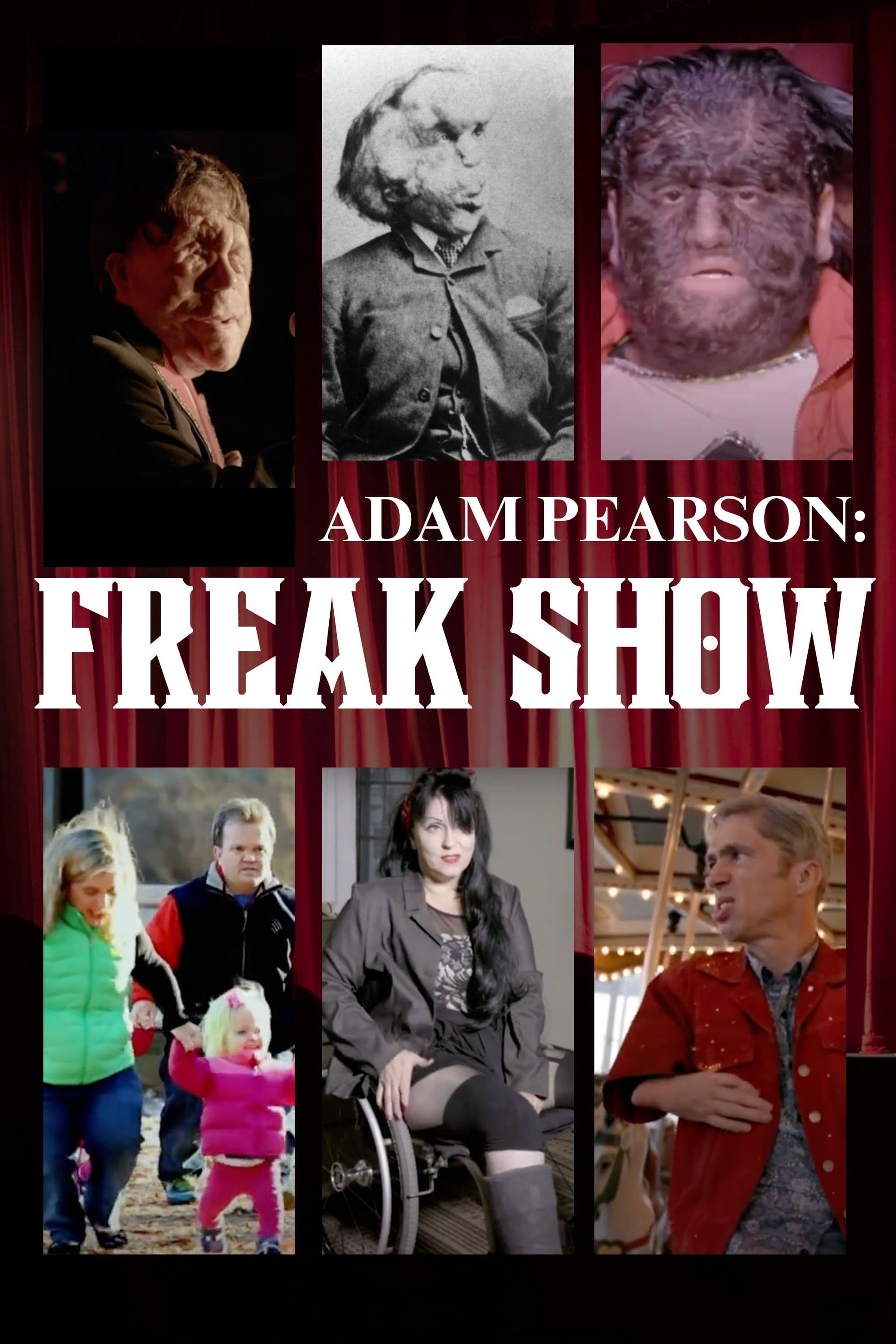
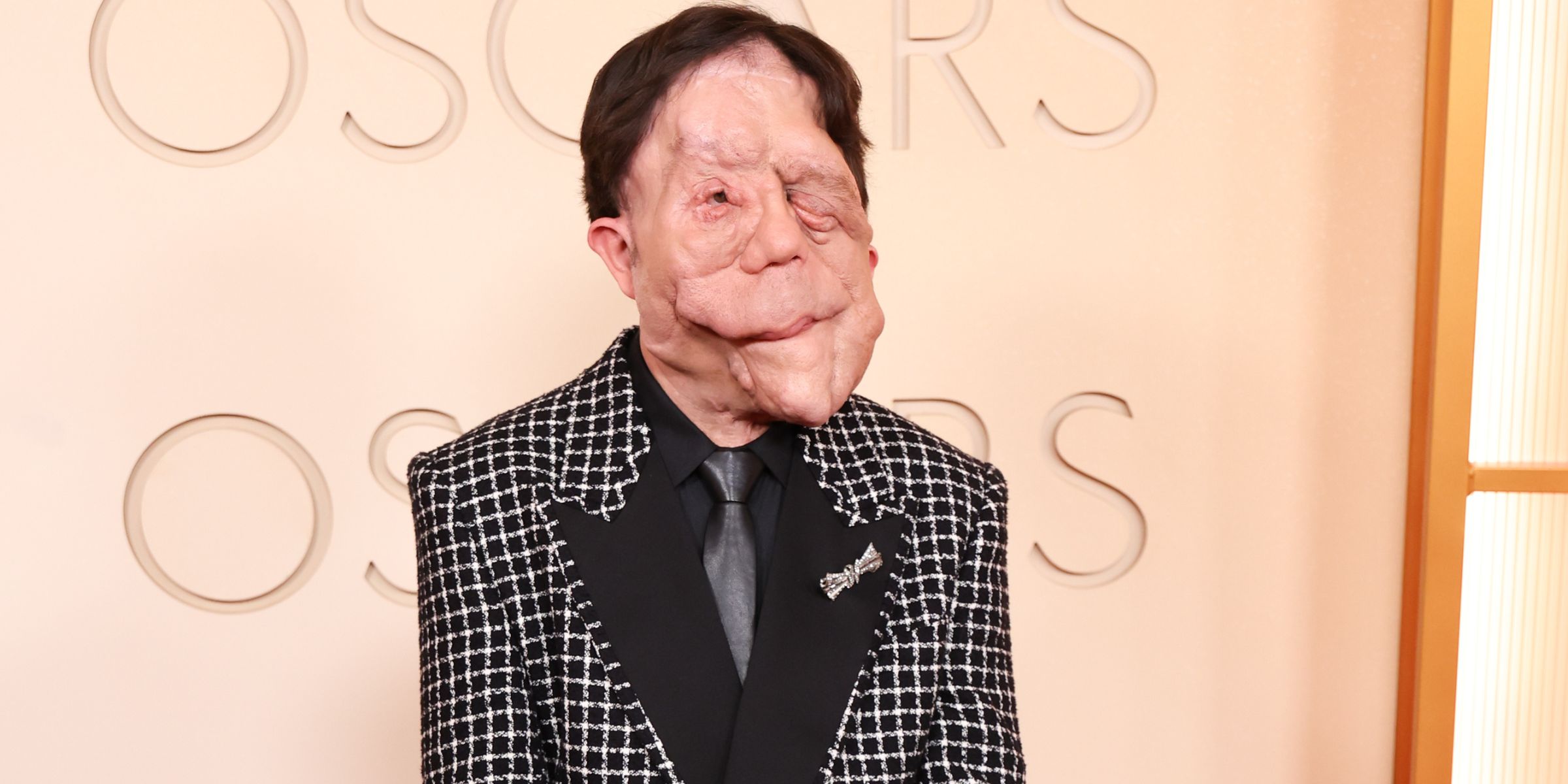
Adam Pearson and his identical twin brother, Neil Pearson, share a profoundly close relationship shaped by their shared diagnosis of Neurofibromatosis type 1 (NF1). While they are genetically identical, the condition has manifested in vastly different ways: Adam has prominent facial tumors and a career in acting and advocacy, while Neil experiences severe memory loss and epilepsy, highlighting the unpredictable nature of genetic disorders.
Understanding the Bond Between Adam and Neil Pearson
The relationship between Adam and Neil Pearson is often cited as one of the most compelling examples of fraternal solidarity in the face of chronic illness. Born in 1985, the twins were diagnosed with Neurofibromatosis type 1 (NF1) after Adam suffered a bump on his head that failed to heal normally. This diagnosis set the stage for a lifelong journey that would see the two brothers navigate the healthcare system, the entertainment industry, and the complexities of public perception together.
Their bond is characterized by a "quiet resilience." In various interviews and documentaries, Adam has often acted as the more public-facing spokesperson for the pair, while Neil provides a grounding, private support system. Despite the diverging paths their symptoms have taken, they remain each other's most consistent confidants. Their relationship transcends the typical twin dynamic, as they are not only siblings but also "biological mirrors" that reflect different outcomes of the same genetic mutation. This unique perspective has allowed them to support one another in ways few others can understand, bridging the gap between visible physical disability and invisible cognitive challenges.
In the context of 2026, their story remains a cornerstone of disability representation. They have moved beyond being "subjects" of medical interest to becoming active participants in the global conversation about genetic equity and the social model of disability. Their relationship background is rooted in a middle-class upbringing in Croydon, South London, where their parents fostered an environment of independence and transparency regarding their medical conditions.
The Science of Neurofibromatosis Type 1: Identical Twins, Divergent Symptoms
To understand the relationship between Adam and Neil, one must understand the medical condition that defines much of their shared history. Neurofibromatosis type 1 is a genetic disorder caused by a mutation on chromosome 17. It affects the growth and development of nerve cell tissues, causing tumors (neurofibromas) to grow on nerves.
The Pearson twins are particularly significant to the medical community because they are monozygotic (identical) twins. Because they share 100% of their DNA, one might expect their symptoms to be identical. However, NF1 is known for its "variable expressivity." This means that even with the exact same genetic mutation, the severity and types of symptoms can vary wildly.
- Adam’s Manifestation: Adam’s condition is primarily physical and visible. He has undergone over 30 medical procedures to manage non-cancerous tumors that grow on his face. These tumors have altered his facial structure and resulted in the loss of sight in one eye.
- Neil’s Manifestation: Neil’s symptoms are largely internal and neurological. He suffers from significant short-term memory loss and epilepsy. Unlike Adam, Neil does not have the extensive facial tumors, but his condition is equally debilitating in terms of daily functioning and independence.
This divergence is a focal point of their relationship. Adam often remarks on the "genetic lottery" that spared Neil the facial disfigurement but burdened him with the cognitive challenges. This shared but different struggle has prevented any sense of "comparative suffering" between the two; instead, it has fostered a deep empathy where each brother acknowledges the unique hardships the other faces.
Neil Pearson: Navigating the Invisible Challenges of NF1
While Adam Pearson is a household name due to his roles in films like Under the Skin (2013) and A Different Man (2024), Neil Pearson has lived a more private life, though he has stepped into the spotlight to assist his brother’s advocacy work. Neil’s struggle highlights the "invisible" side of disability that often goes unrecognized by the general public.
Neil’s primary challenge is his memory. He often struggles to remember what he did the previous day or even a few hours prior. This has significant implications for his employment and social life. Historically, Neil worked as a library assistant, a role that provided structure, but his health challenges have required constant adaptation. His epilepsy further complicates his routine, necessitating a high degree of vigilance and medical management.
The relationship background between the two involves Adam frequently checking in on Neil’s health. In the BBC documentary Horizon: My Amazing Twin, the brothers explored the scientific reasons behind their differences. This project was a turning point for Neil, as it allowed him to see his struggles through a clinical lens rather than a personal failure. The support Neil receives from Adam is not just emotional but practical, involving help with navigating complex medical appointments and ensuring that Neil’s voice is heard in a medical system that often prioritizes visible symptoms over cognitive ones.
Adam Pearson: Using Public Visibility to Combat Stigma
Adam Pearson has utilized his platform to challenge the "villainization" of facial disfigurement in cinema. His career is intrinsically linked to his relationship with his brother, as he often cites Neil as a motivation for his work. Adam’s goal is to create a world where someone like Neil—or someone with his own visible differences—is not judged or feared.
Adam’s work with the charity Changing Faces and his involvement in various documentaries have highlighted the prevalence of hate crimes against people with disabilities. His relationship with Neil serves as a constant reminder of the spectrum of disability. By being the "face" of the condition, Adam carries a social burden that Neil is largely spared, while Neil carries a cognitive burden that Adam does not share.
As of 2026, Adam’s filmography continues to expand, but he remains grounded in the advocacy work he started decades ago. He has been vocal about the need for "authentic casting," arguing that actors with actual disabilities should be given the opportunity to tell their own stories. His brother Neil is often present at screenings and events, serving as a reminder that the "disability experience" is not a monolith.
Collaborative Work and Media Impact
The Pearsons have collaborated on several high-profile media projects that have significantly moved the needle on public understanding of NF1. Their most notable collaboration remains the documentary My Amazing Twin. This film was a landmark in genetic reporting, as it followed the brothers as they met with world-leading geneticists to sequence their DNA and understand why their paths diverged.
In addition to this, they have been involved in:
- The Ugly Face of Disability Hate Crime: A documentary where Adam explored the harassment faced by those with visible differences, with Neil providing context on how these crimes affect the family unit.
- Public Speaking Engagements: The brothers have appeared together at medical conferences and universities to speak about the patient experience, providing a "human face" to the data found in textbooks.
These collaborations are verified details of their professional relationship. They do not just work together as siblings; they work as a team of advocates. Their shared public appearances are designed to debunk the myth that disability is an individual problem, reframing it instead as a societal and familial journey.
Comparing the Lived Experiences of the Pearson Twins
The following table summarizes the verified differences and similarities in how NF1 has impacted the lives of Adam and Neil Pearson.
| Feature | Adam Pearson | Neil Pearson |
|---|---|---|
| Primary Symptom | Extensive facial neurofibromas | Short-term memory loss and epilepsy |
| Visibility | Highly visible physical difference | Largely invisible neurological condition |
| Public Role | Actor, Broadcaster, Campaigner | Occasional advocate, Library professional |
| Surgical History | Over 30 surgeries for tumor removal | Fewer surgeries, more focus on medication |
| Career Milestone | Under the Skin, A Different Man | Library Assistant, Documentarian |
| Educational Focus | Business Management | Library and Information Studies |
| Current Status (2026) | Active in film production and advocacy | Focused on health management and local support |
The Broader Impact on Genetic Research and Advocacy
The Pearson brothers have contributed more to the understanding of NF1 than perhaps any other pair of twins in the UK. Their willingness to undergo genetic testing and share the results publicly has provided a roadmap for other families dealing with "variable expressivity."
Researchers have used the data provided by the Pearsons to look into "second hits"—the theory that while both twins start with the same mutation, subsequent genetic changes or environmental factors during development lead to different outcomes. Their story has also influenced the way doctors deliver diagnoses. Instead of giving a "one size fits all" prognosis, clinicians now point to the Pearsons as evidence that the trajectory of NF1 is unique to every individual.
Furthermore, their relationship highlights the importance of the "carer-sibling" dynamic. In many families, one sibling may take on a protective role over the other. The Pearsons have demonstrated how to balance this dynamic without stripping the more vulnerable sibling of their agency. Adam’s advocacy for Neil is always done with Neil’s consent and participation, setting a gold standard for disability advocacy within families.
Frequently Asked Questions
Are Adam and Neil Pearson identical twins?
Yes, Adam and Neil are monozygotic (identical) twins. This means they originated from the same fertilized egg and share essentially the same DNA. Their different appearances and symptoms are the result of how their shared genetic condition, Neurofibromatosis type 1, manifested differently in each of them through a process called variable expressivity.
Does Neil Pearson have facial tumors like Adam?
No, Neil Pearson does not have the extensive facial neurofibromas that Adam has. While he does have Neurofibromatosis type 1, his symptoms are primarily internal, including epilepsy and significant short-term memory loss. This is a primary example of why NF1 is considered a "mercurial" condition.
What is the most famous documentary featuring the Pearson twins?
The most well-known documentary featuring both brothers is Horizon: My Amazing Twin, produced by the BBC. The film follows the brothers as they seek to understand the genetic science behind their differing symptoms and explores the deep emotional bond they share.
Is Neurofibromatosis type 1 contagious?
No, Neurofibromatosis type 1 is a genetic condition. It is either inherited from a parent or occurs as a spontaneous mutation at the time of conception. It cannot be caught or spread from person to person. The Pearson twins both have the condition because they share the same genetic makeup.
How does Neil Pearson manage his memory loss?
Neil manages his memory loss through a combination of structured routines, the use of digital reminders, and support from his family, including Adam. He has often spoken about the challenges of "losing time" and the importance of having a supportive environment that accommodates his cognitive needs.
What are the brothers doing in 2026?
As of 2026, Adam Pearson remains a prominent figure in the British film industry and a tireless advocate for disability rights. Neil continues to support these efforts while managing his health. Together, they remain active in the NF1 community, often participating in fundraising and awareness campaigns for organizations like The Childhood Tumour Trust.
Guidance for Families Navigating Similar Genetic Paths
For families and individuals who find themselves in a similar situation to the Pearsons—dealing with a diagnosis that manifests differently among family members—several practical steps can help manage the journey. The Pearson brothers often emphasize that "comparison is the thief of joy" when it comes to health.
- Seek Specialized Care: Neurofibromatosis is a complex condition that requires a multidisciplinary team. Ensure you are working with geneticists and neurologists who specialize in NF1, as they will be more familiar with the variable nature of the disease.
- Document the Journey: Like the Pearsons did through their films, keeping a detailed record of symptoms, surgeries, and medications is vital. This is especially important for symptoms like Neil’s memory loss, where patterns may only emerge over time.
- Prioritize Mental Health: The psychological toll of living with a visible or invisible disability is significant. Support groups for both the individual and their siblings/carers are essential for long-term resilience.
- Foster Independence: Adam and Neil’s parents were instrumental in ensuring both boys felt capable. Encourage the development of skills that cater to the individual’s strengths rather than focusing solely on their limitations.
The legacy of Adam and Neil Pearson is one of transparency and tenacity. By sharing the verified details of their relationship and health, they have provided a blueprint for how to live a full, impactful life regardless of a genetic diagnosis.