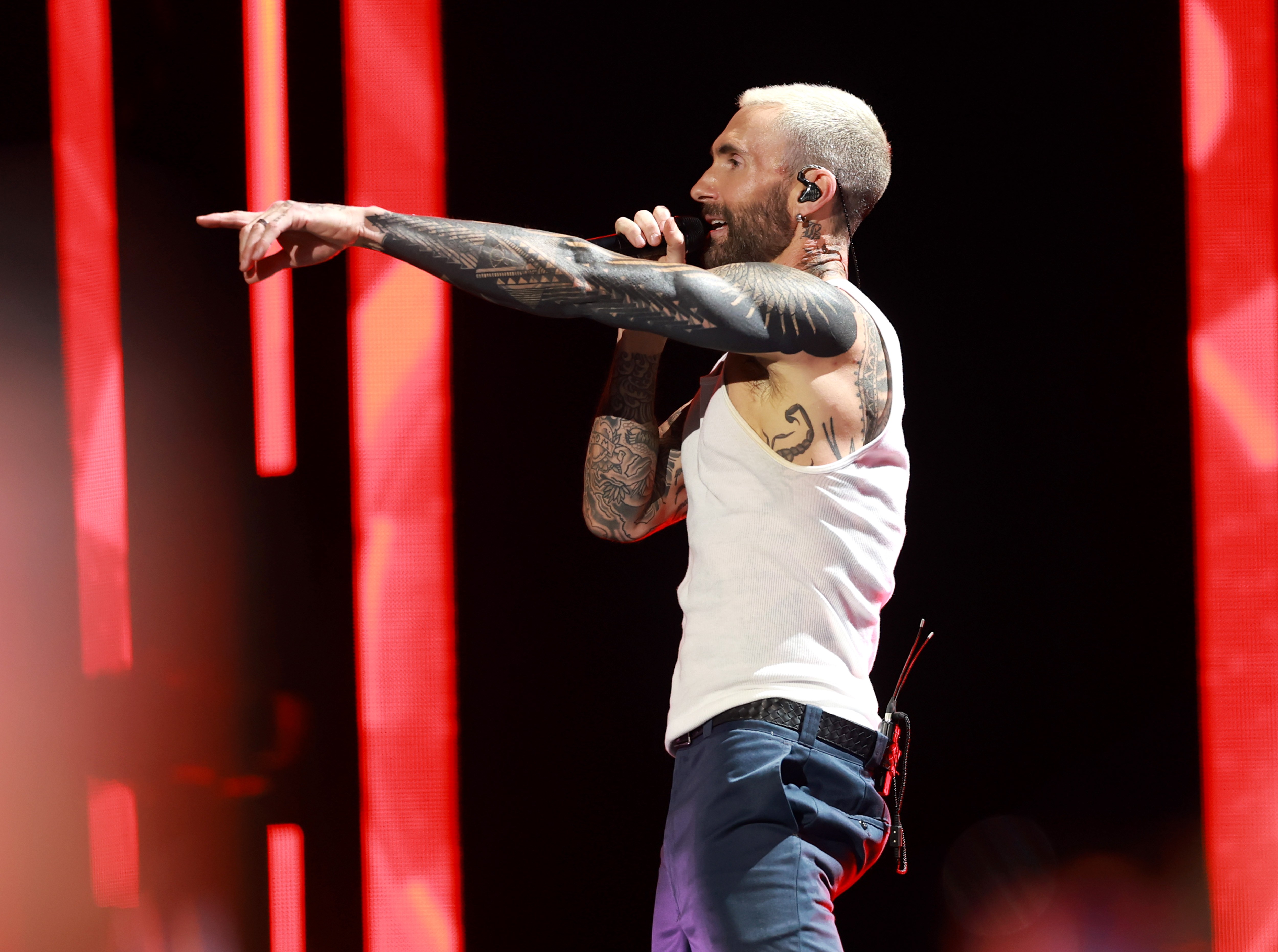
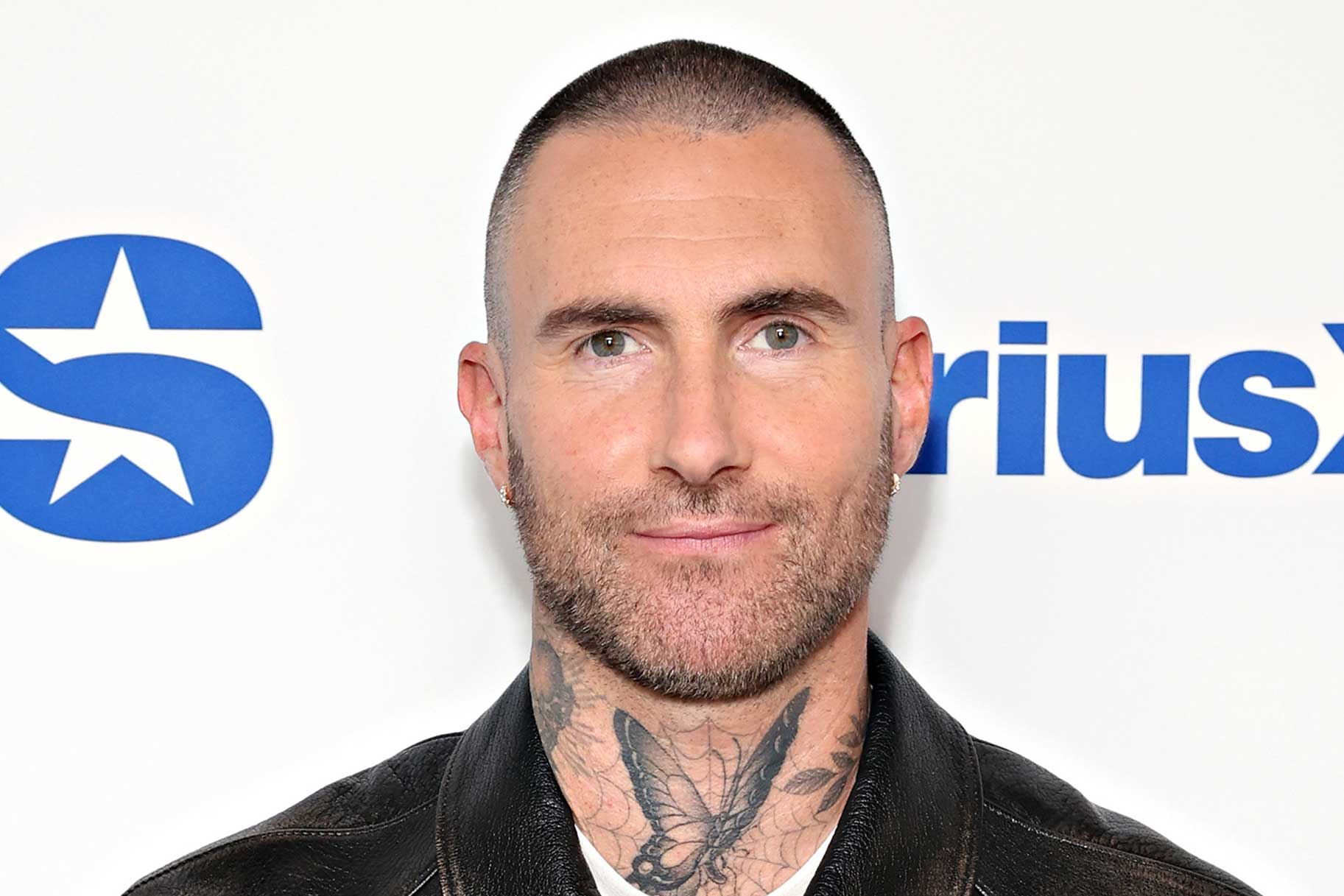
Adam Levine’s neck tattoos, most notably the large butterfly caught in a spiderweb on his throat, represent a significant shift in his aesthetic journey. Debuted in 2021 and created by artist Nathan Kostechko, these pieces symbolize the delicate balance between beauty and entrapment, marking his transition into high-coverage body art.
For over two decades, Maroon 5 frontman Adam Levine has used his body as a canvas to document his personal and professional evolution. While his arms and torso have long been covered in traditional and Japanese-inspired imagery, it was his decision to move onto his neck and throat that sparked the most intense public conversation. In the world of tattooing, the neck is often referred to as one of the "job stoppers," a final frontier of visibility that signals a total commitment to the culture of ink. As of 2026, these tattoos have become as much a part of Levine’s signature look as his falsetto, serving as a permanent record of his mid-career artistic reinvention.
The Centerpiece: The Butterfly and the Spiderweb
In October 2021, Levine shocked fans by revealing an expansive, intricate tattoo covering the entirety of his throat. The design features a large, realistic butterfly positioned directly over his Adam’s apple, framed by a sprawling, geometric spiderweb that extends toward his jawline and collarbone.
This specific placement is notoriously painful and requires a high level of technical skill from the artist, as the skin on the throat is thin, mobile, and sits directly over the windpipe. The "butterfly in a web" motif is a classic trope in tattoo iconography, but Levine’s version leans into a more modern, illustrative style rather than traditional "Old School" aesthetics. The butterfly itself is rendered with heavy black shading and fine-line detail, giving it a sense of weight that anchors the more delicate, linear web surrounding it.
The choice of a butterfly is particularly poignant for a performer. Traditionally, butterflies represent metamorphosis, rebirth, and the soul. However, by placing it within a spiderweb, the meaning shifts toward a more complex narrative of being "caught" or finding beauty within a precarious situation. For a global superstar who has spent half his life in the relentless glare of the spotlight, the imagery of a beautiful creature ensnared in a web may reflect the dual nature of fame—the freedom of creative expression versus the restrictive nature of public scrutiny.
The Artistic Vision of Nathan Kostechko
The man behind the most prominent of Levine’s neck pieces is Nathan Kostechko, a highly respected artist based in Los Angeles. Kostechko is known for his ability to blend surrealism with traditional foundations, a style that perfectly suited Levine’s desire for something more avant-garde than his earlier tattoos.
The collaboration between Levine and Kostechko was not a one-time event. Kostechko has been responsible for several of Levine's more recent additions, including the large Japanese-inspired mural on his leg. When it came to the neck, the artist had to account for the contours of Levine's anatomy. A neck tattoo must move with the wearer; it shouldn't look distorted when the person speaks, sings, or turns their head.
Kostechko utilized a "blackwork" approach for the web, using varying line weights to create depth. This ensures that the tattoo remains legible from a distance—a crucial factor for a stage performer—while revealing intricate textures upon closer inspection. The partnership highlights a shift in Levine’s taste, moving away from the disparate, "sticker-style" tattoos of his youth toward large-scale, cohesive compositions that flow with his muscular structure.
Beyond the Throat: The Rose and "Delicate" Script
While the butterfly is the most visible, it is not the only story written on Levine’s neck. Adjacent to the central throat piece are several other tattoos that add layers to the narrative:
- The Rose: On the left side of his neck, extending toward the back of his ear, is a large, shaded rose. Unlike the butterfly, which feels somewhat trapped, the rose appears to be blooming upward. Roses are a staple in tattoo history, often representing love, passion, or even "beauty with thorns."
- "Delicate": Just above the collarbone, Levine has the word "Delicate" tattooed in a simple, elegant script. This serves as a stark contrast to the heavy black ink of the spiderweb. It acts as a descriptor for the butterfly imagery and perhaps a reminder of the fragility of his vocal cords—the source of his career—which lie directly beneath the ink.
- Floral Patterns: On the right side of his neck, Levine features more floral elements that connect his neck ink to the sprawling backpiece he has spent years completing. These elements help "blend" the neck into the rest of his body, preventing the throat tattoo from looking like an isolated island of ink.
The Evolution of a Tattoo Aesthetic
To understand the meaning behind the neck tattoos, one must look at the timeline of Levine’s coverage. He began with a simple dove on his left bicep (a tribute to 9/11) and slowly moved to "mom" hearts, tiger imagery, and eventually a full backpiece of a mermaid/siren.
The move to the neck in the early 2020s marked a departure from "safe" placements. In the tattooing community, the neck, hands, and face are considered "heavy" placements. By 2026, Levine has fully embraced this "heavy" look. This transition often mirrors a celebrity’s desire to reclaim their image. After years of being marketed as a "pop heartthrob" or the "sexiest man alive," the aggressive, dark imagery of a throat web serves to toughen his aesthetic, aligning him more with the rock-and-roll rebels of previous generations.
| Tattoo Element | Placement | Primary Artist | Estimated Date | Symbolic Theme |
|---|---|---|---|---|
| Butterfly | Center Throat | Nathan Kostechko | October 2021 | Metamorphosis, Soul |
| Spiderweb | Throat/Jaw | Nathan Kostechko | October 2021 | Entrapment, Complexity |
| "Delicate" Script | Lower Neck | Unknown | Pre-2021 | Vulnerability, Irony |
| Rose | Left Side/Ear | Unknown | 2021-2022 | Passion, Classical Beauty |
| Blackwork Patterns | Nape/Side | Nathan Kostechko | 2022-2023 | Connectivity, Flow |
Practical Considerations and Public Reception
The public reaction to Adam Levine’s neck tattoos was polarized. Some fans praised the boldness of the design, while others felt it "cluttered" his previously cleaner look. From a technical SEO and editorial perspective, the interest in these tattoos remains high because they represent a permanent change in a high-profile public figure.
For those looking to emulate this style, there are several technical hurdles to consider. The neck is one of the most difficult areas to heal. Because we move our necks constantly, the skin is frequently stretching, which can lead to "blowouts" (where ink spreads beneath the skin) or "fading" during the first few weeks of healing. Levine likely had to take significant vocal rest or limit his movement during the healing phase of the butterfly piece to ensure the lines remained crisp.
Furthermore, the pain level of a throat tattoo is often rated an 8 or 9 out of 10. The proximity to the thyroid and the sensation of the tattoo needle vibrating against the windpipe makes it an endurance test. Levine’s willingness to undergo this process speaks to his commitment to the art form rather than a mere fashion whim.
What to Know Before Getting a Neck Tattoo
If the story of Adam Levine's neck ink has inspired you to consider your own, there are professional standards and personal impacts to weigh:
- Placement Sensitivity: The front of the neck (the throat) is much more sensitive than the back (the nape). It also ages differently due to sun exposure and skin elasticity loss over time.
- Artist Selection: Do not go to a generalist for a neck tattoo. You need someone like Kostechko who understands the "anatomy of movement." The design must be "mapped" to your muscles.
- Healing Commitment: You cannot wear turtlenecks, heavy scarves, or necklaces during the 2-4 week healing period. Friction is the enemy of a healing neck tattoo.
- Visibility: Even in 2026, neck tattoos carry a social weight. While more accepted in creative industries, they are still a permanent statement that cannot be hidden by a standard t-shirt.
Is Adam Levine’s neck tattoo real?
Yes, the butterfly and spiderweb tattoo on Adam Levine’s neck is permanent. While he has occasionally used temporary tattoos or face paint for music videos (such as the rose on his temple which was temporary), the throat and side-neck pieces are genuine ink.
Who is the artist behind Adam Levine’s butterfly tattoo?
The primary artist for Adam Levine’s neck and throat work is Nathan Kostechko. Kostechko is a renowned tattooer who has worked with various celebrities and is known for his unique illustrative style that blends modern art with traditional tattooing.
What does the "Delicate" tattoo mean on his neck?
The "Delicate" tattoo is believed to be a nod to the fragile nature of life and his voice. Placed near the throat, it serves as a contrast to the aggressive blackwork of the spiderweb, highlighting the balance between strength and vulnerability.
How long did it take to get the throat tattoo?
While the exact hours aren't public, a piece of that size and detail on the throat typically takes 3 to 5 hours of active tattooing. Due to the intensity of the location, it may have been completed in a single long session or broken into two to allow for swelling to subside.
Did Adam Levine get a face tattoo?
In late 2021, Levine appeared on a red carpet with a rose on his temple, leading many to believe he had crossed into face tattoos. However, he later clarified on social media that the face rose was temporary, stating his "wife would kill him" if he tattooed his face, though he remains fully committed to his extensive neck coverage.
Guidance for Personal Tattoo Evolution
If you are tracking the progress of celebrity body art to inform your own decisions, the most important takeaway from Adam Levine’s journey is the importance of cohesion. Levine did not start with his neck; he spent nearly 20 years filling his arms and torso before moving to such a visible area. This allowed him to develop a relationship with his artists and a clear understanding of his own pain tolerance and aesthetic preferences. For those considering a neck piece, the best next action is to consult with an artist who specializes in large-scale illustrative work to ensure the design complements your existing tattoos and natural anatomy.