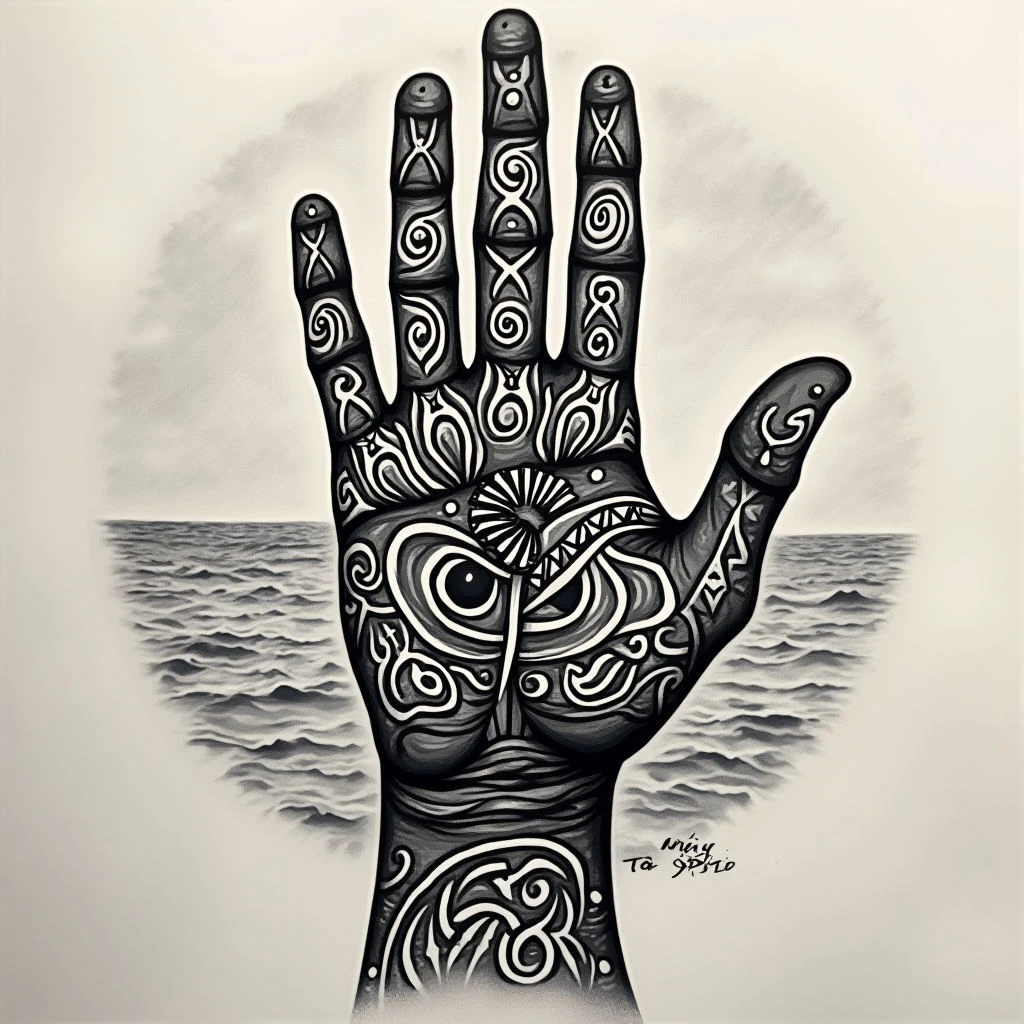
Adam Levine, the frontman of Maroon 5 and a prominent television personality, is widely recognized for his extensive collection of body art. His hand tattoos, which serve as highly visible extensions of his broader aesthetic, represent a specific evolution in his personal style. These designs combine traditional imagery with modern placement, reflecting a blend of personal milestones, artistic expression, and the cultural normalization of heavily tattooed mainstream celebrities.
The Evolution of Hand Tattoo Placement
Hand tattoos represent a departure from "concealable" body art, signaling a commitment to a permanent, visible aesthetic. For Adam Levine, the progression toward hand ink occurred incrementally. While his chest, arms, and back feature large-scale pieces—including religious iconography, floral designs, and portraits—his hand tattoos appear to be curated to complement the musculature of his forearms and fingers.
The placement of these tattoos is significant because the hands are among the most difficult areas to cover. In the tattoo industry, hand work is often considered a "career commitment," a threshold many artists advise clients not to cross until they have saturated other, more easily hidden parts of their body. Levine’s decision to ink his hands aligns with a phase in his career where his personal brand had become synonymous with his rugged, rock-and-roll image, rendering the visibility of his tattoos an asset rather than a professional liability.
Analysis of Primary Designs and Their Meanings
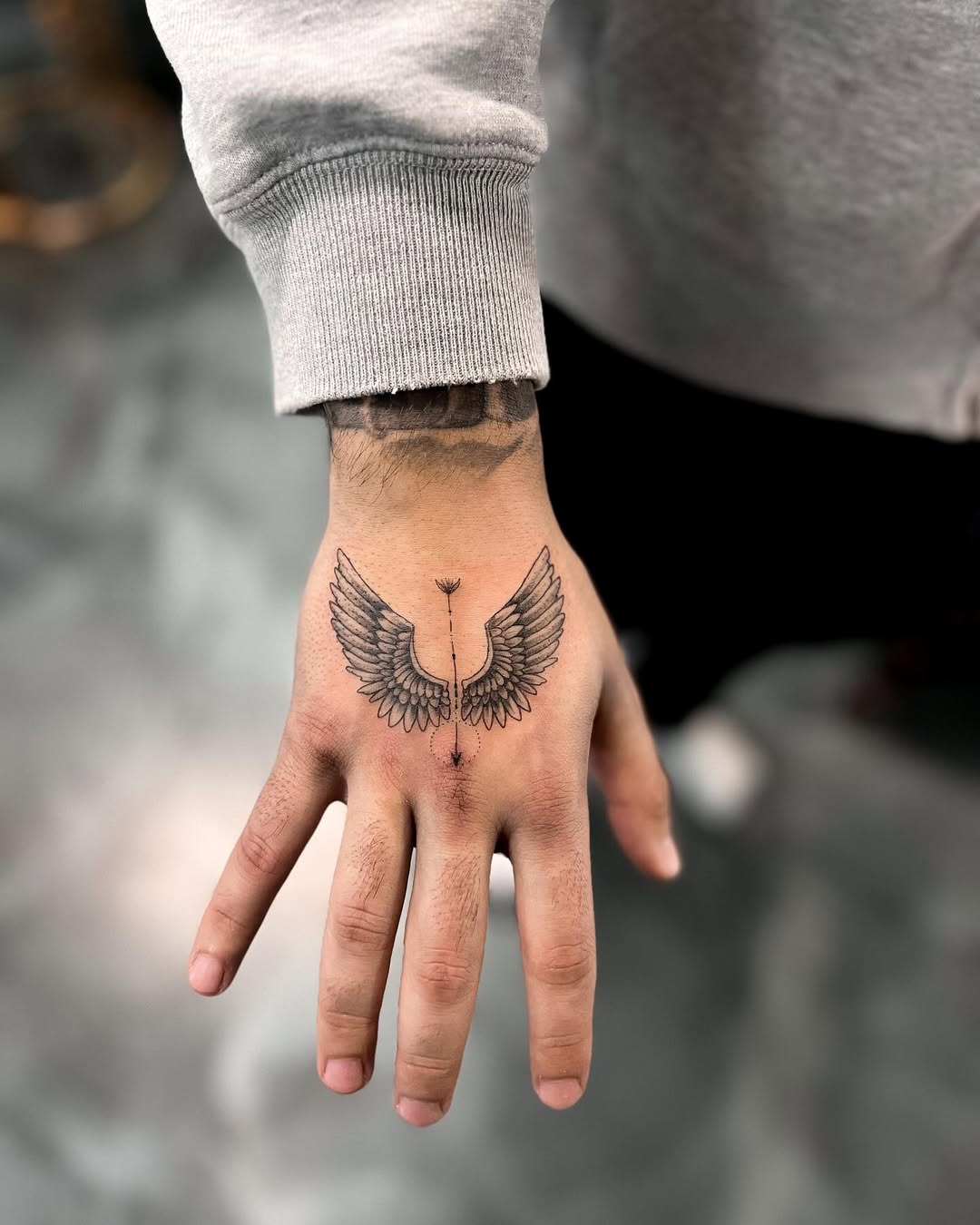
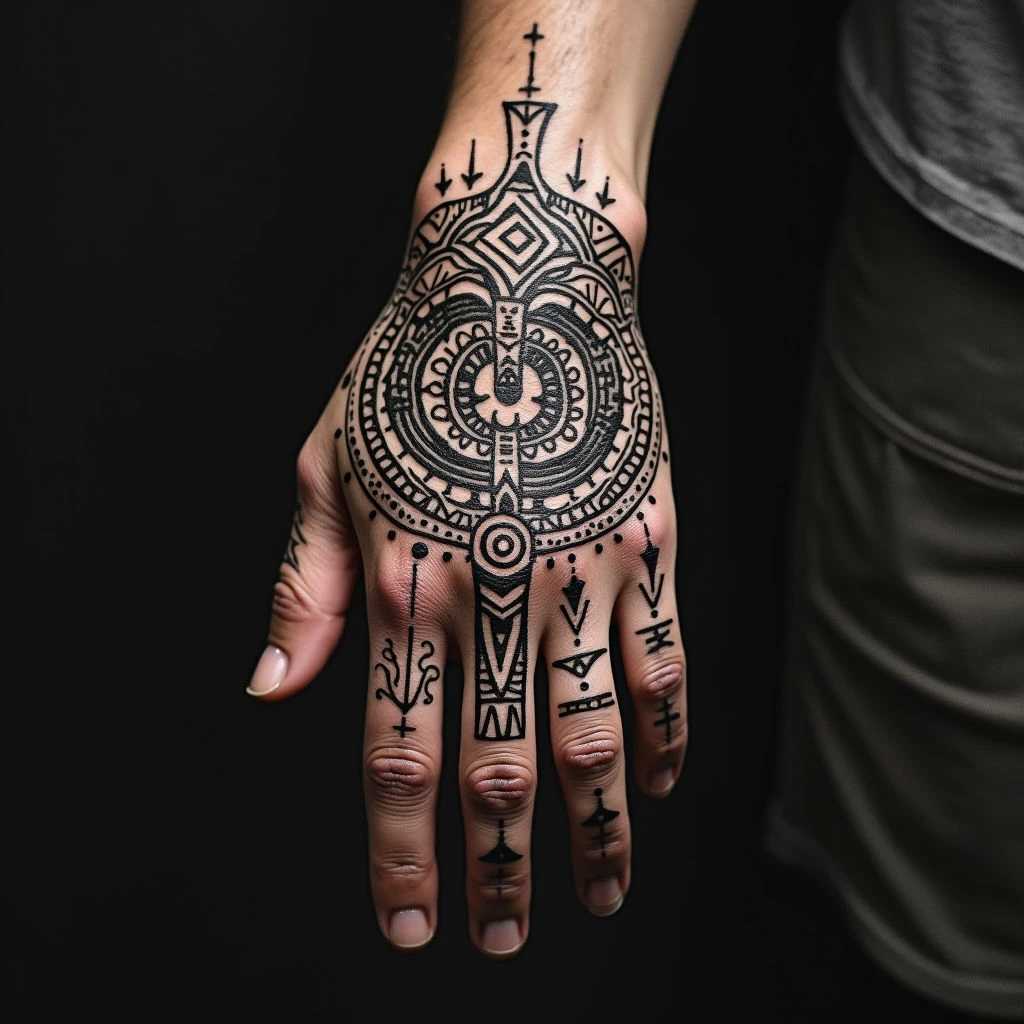
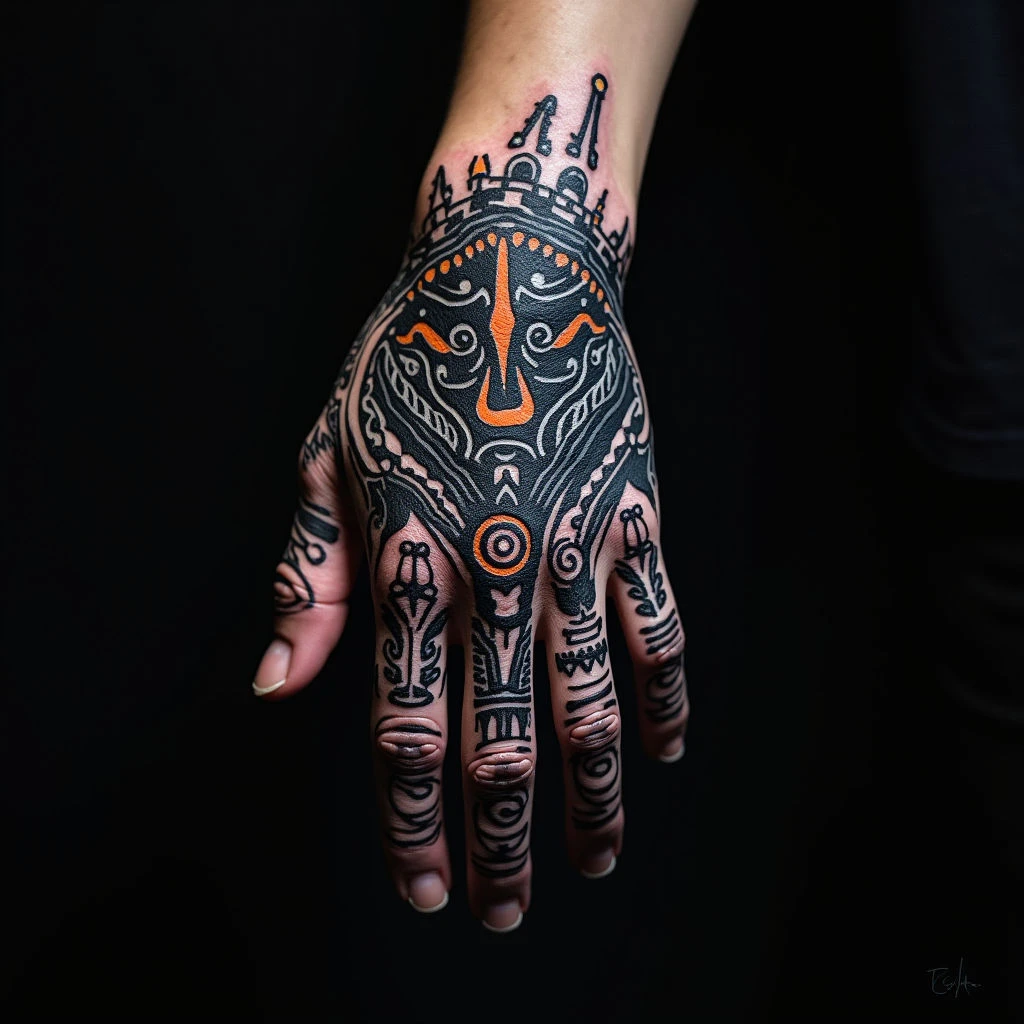
While Levine has not provided an exhaustive public "index" for every mark on his skin, many of his hand and finger tattoos reflect recurring themes in his life: family, music, and the artistic process. The designs on his hands typically feature fine-line work, traditional black-and-grey shading, and botanical motifs that connect to his larger arm sleeves.
- Floral and Botanical Motifs: Many of his hand tattoos incorporate roses or vine-like structures. These are common staples in traditional American tattooing, often representing growth, the passage of time, or the beauty found in life’s challenges.
- Small Symbolic Icons: His fingers often feature small, distinct symbols. These serve as "filler" or "accent" pieces that break up the larger compositions on the back of his hands.
- Integration with Sleeves: A critical aspect of his hand design is the flow. The tattoos do not end abruptly at the wrist; rather, they serve as a terminus for the complex sleeves that cover his arms, creating a cohesive visual unit.
Technical Considerations for Hand Art
From a technical perspective, the skin on the hands is vastly different from that on the chest or shoulders. The skin is thinner, closer to the bone, and prone to rapid cell turnover due to constant use, exposure to sunlight, and frequent washing.
When analyzing Levine’s hand tattoos, observers may notice that the linework is exceptionally sharp. Maintaining this level of detail on the hands requires high-quality pigment and significant aftercare. Furthermore, because hands are exposed to friction, these tattoos often require more frequent "touch-ups" than tattoos on protected skin. The longevity of Levine’s hand ink serves as a testament to both the quality of the original application and the professional maintenance required to keep high-visibility tattoos looking crisp over several years.
Comparison of Tattoo Placement and Visibility
The following table outlines how different placement areas generally affect the perception and maintenance of tattoos, providing context for why hand tattoos are distinct from other body art.
| Placement Area | Visibility Level | Maintenance Requirement | Social/Professional Perception |
|---|---|---|---|
| Back/Torso | Low | Low | High level of privacy; easily concealed |
| Forearm | Medium | Moderate | Common in modern corporate environments |
| Hand/Fingers | High | High (Frequent touch-ups) | Strong artistic statement; bold commitment |
| Neck/Face | Extreme | Moderate | High visibility; non-traditional aesthetic |
Public Perception and Cultural Impact
The public’s perception of Adam Levine’s tattoos has shifted alongside the broader cultural acceptance of body modification. In the early 2000s, extensive visible tattoos were often associated with specific subcultures. However, Levine’s integration into mainstream pop culture—as a coach on The Voice and a globally recognized musician—has helped normalize the "fully tattooed" look for the modern celebrity.
Public commentary often focuses on the "aesthetic cohesion" of his collection. Rather than appearing as a random assortment of disparate pieces, Levine’s ink is perceived as a singular, planned ensemble. This perception minimizes the "shock value" and elevates his tattoos to the status of high-end, curated personal style. For fans and admirers, his ink represents a form of modern self-expression that balances traditional rebellious roots with a polished, high-fashion presentation.
Common Misconceptions Regarding Celebrity Ink
A frequent mistake in public discourse is the assumption that celebrity tattoos are impulsive. In reality, given the time, cost, and physical pain associated with extensive coverage, these tattoos are almost always the result of long-term planning. It is rarely the case that a celebrity wakes up and decides to tattoo their hands; instead, it is usually the final step in a multi-year project involving world-class artists.
Additionally, observers often misinterpret specific symbols. While some fans look for deep, literal meanings behind every small shape, many professional tattoo collectors, including Levine, emphasize that the aesthetic value is often just as important as the symbolic narrative. The design, flow, and artistic quality are often the primary drivers, while the personal meaning remains secondary.
Frequently Asked Questions
Do hand tattoos hurt more than other areas?
Yes, generally. The hands have very little fat or muscle to cushion the needle as it enters the skin. Additionally, the skin on the hands is thin and contains a high concentration of nerve endings, making the sensation of being tattooed in this area significantly more intense than on the arms or back.
Why do Adam Levine's hand tattoos remain so vibrant?
The longevity of his tattoos is likely due to a combination of high-quality initial application and strict adherence to post-session care. Professional maintenance, such as regular touch-ups by high-end artists and consistent use of sun protection (which prevents the fading of ink), ensures that the tattoos remain sharp despite the high wear-and-tear nature of the hands.
Is it difficult to get a job with hand tattoos like Adam Levine's?
While workplace norms have evolved significantly by 2026, hand and face tattoos remain the most "visible" of all body modifications. In traditional or highly conservative corporate environments, such ink may still pose challenges. However, in the entertainment, creative, and tech industries, visible tattoos have become largely accepted as a standard form of personal expression.
What should I consider before getting a hand tattoo?
Before committing to hand art, consider that it is a permanent, high-visibility decision. You should ensure your existing arm tattoos are fully settled, consider the professional implications, and choose an artist who specializes in the specific, detail-heavy work required for skin that is constantly exposed to the elements and friction.
Recommendation for Aspiring Collectors
If you are considering replicating the aesthetic of Adam Levine’s hand tattoos, begin by prioritizing the "flow" of your existing art. Do not rush to fill your hands; wait until you have a comprehensive plan for your entire arm, ensuring that the transition from your wrist to your hand feels intentional. Consult with an artist who has a portfolio of detailed, small-scale work, and be prepared for the reality of intensive aftercare. Hand tattoos are an investment in both money and long-term maintenance; treat them as a final piece of a larger puzzle rather than an isolated design.