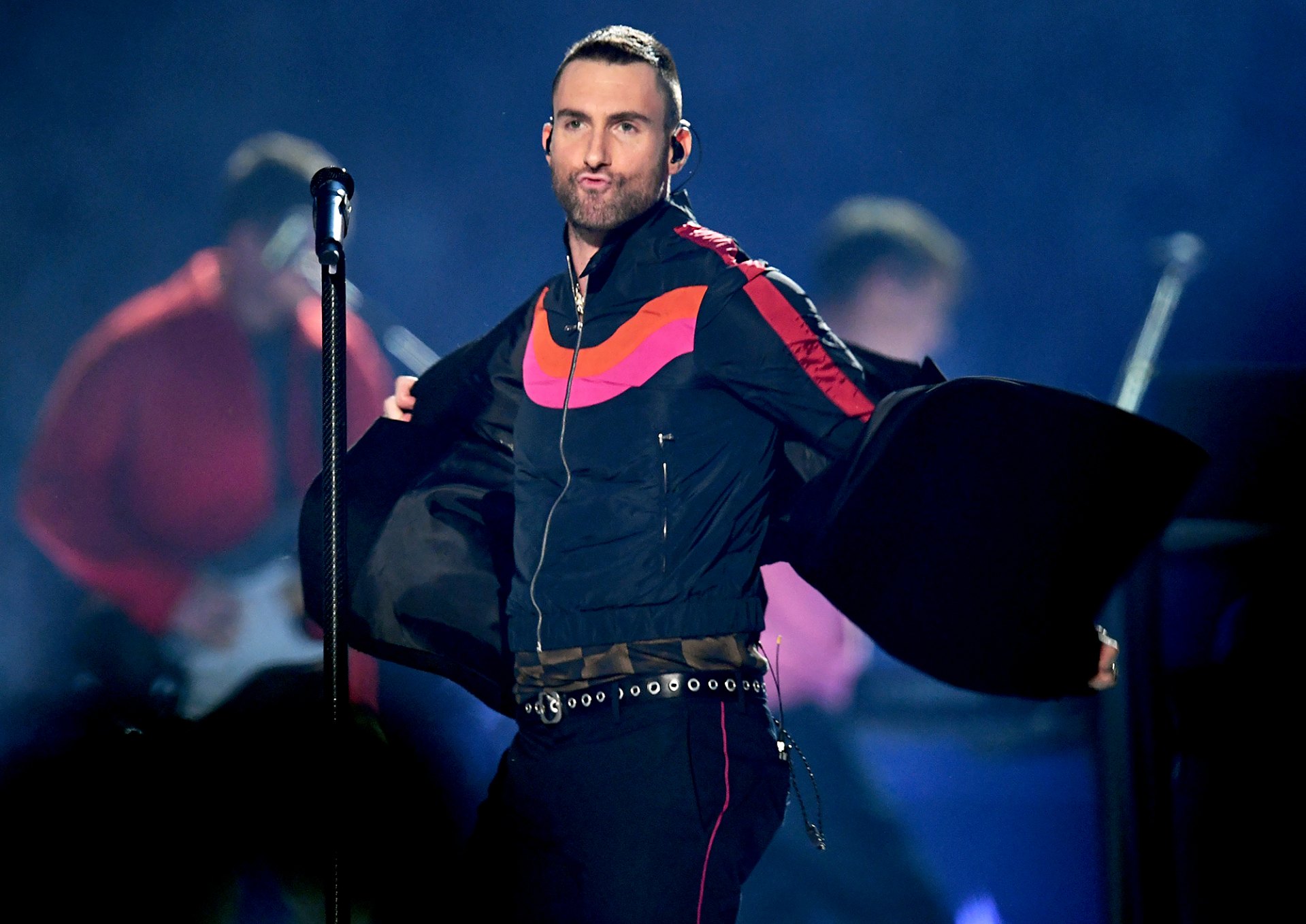
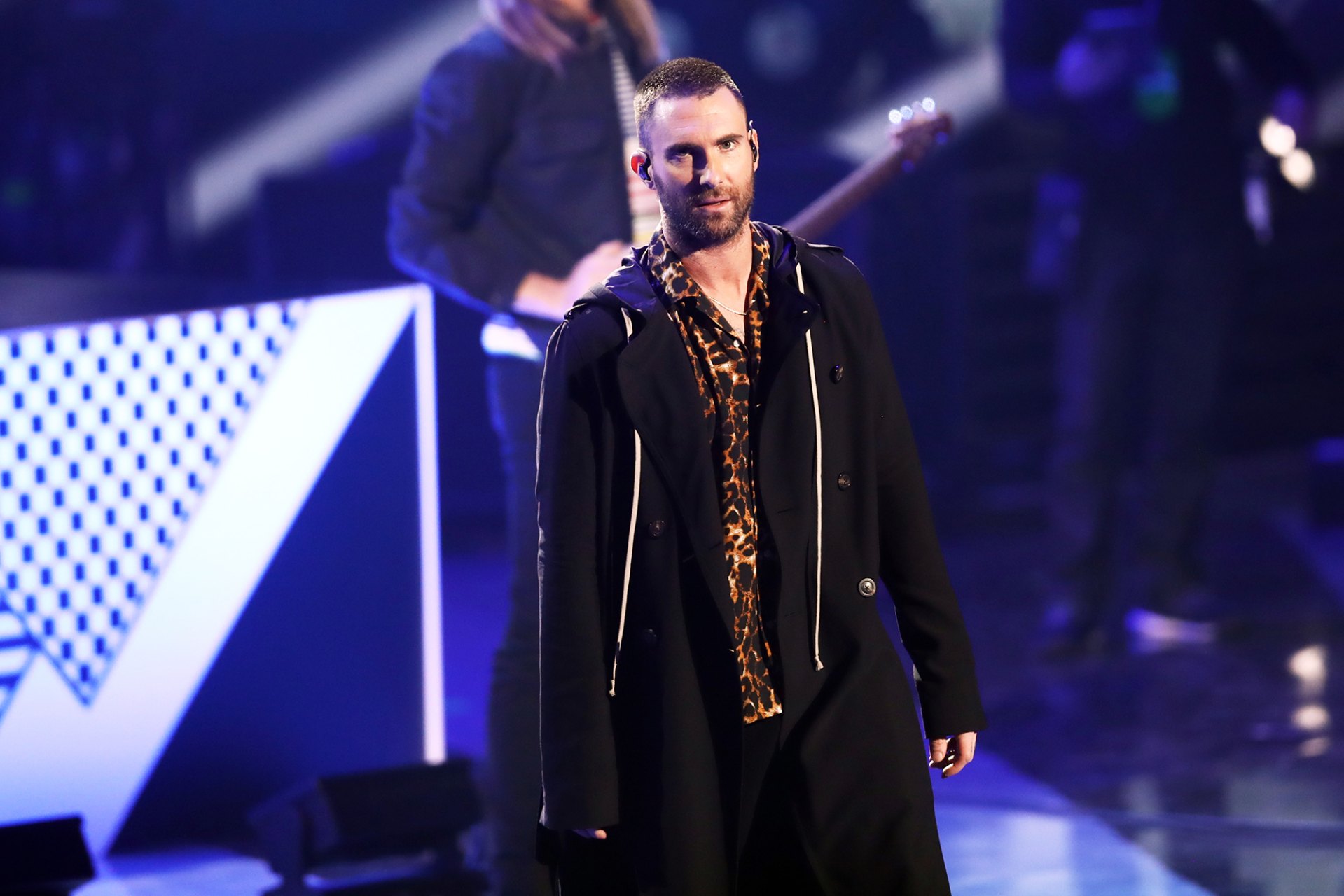
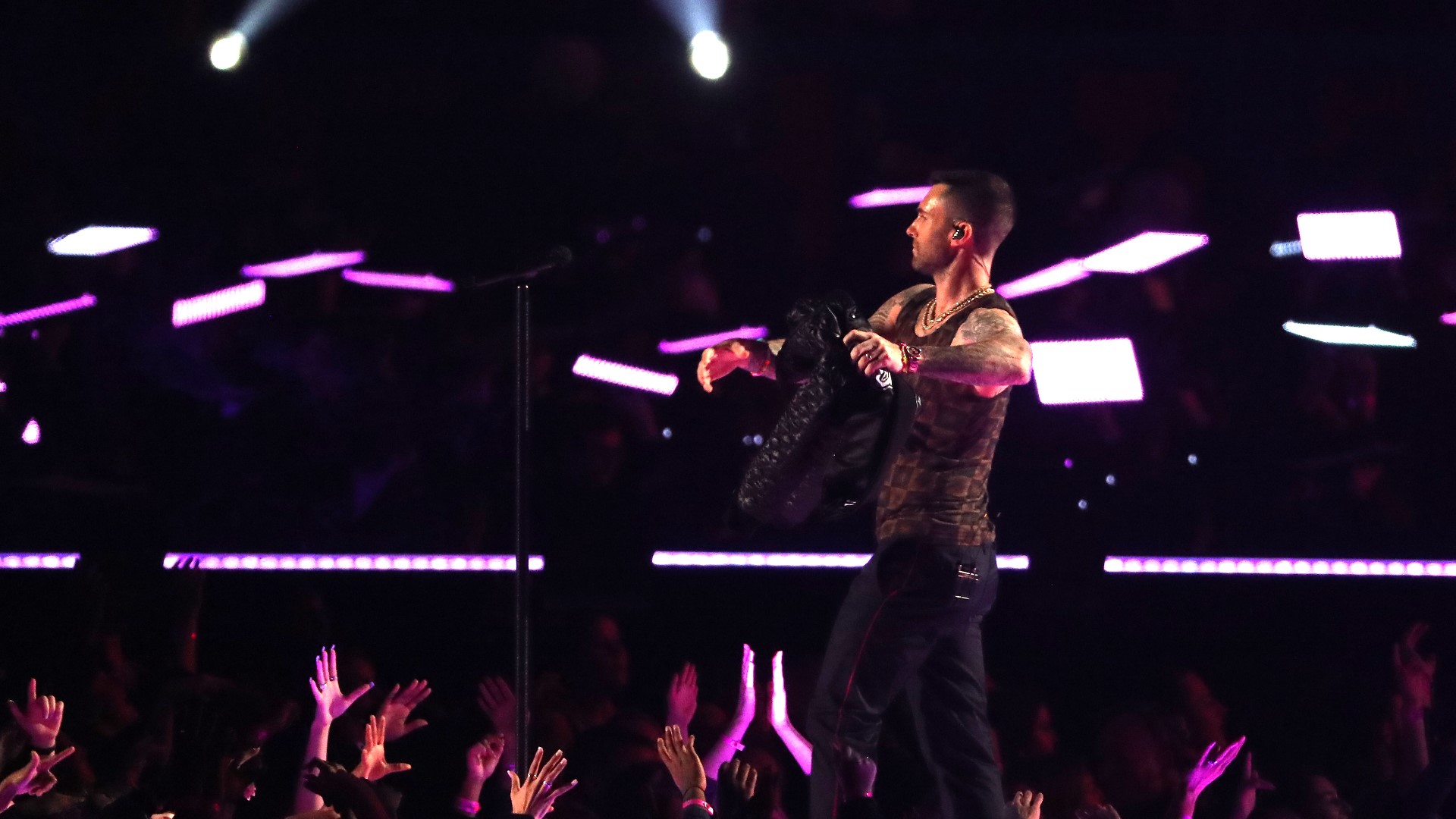
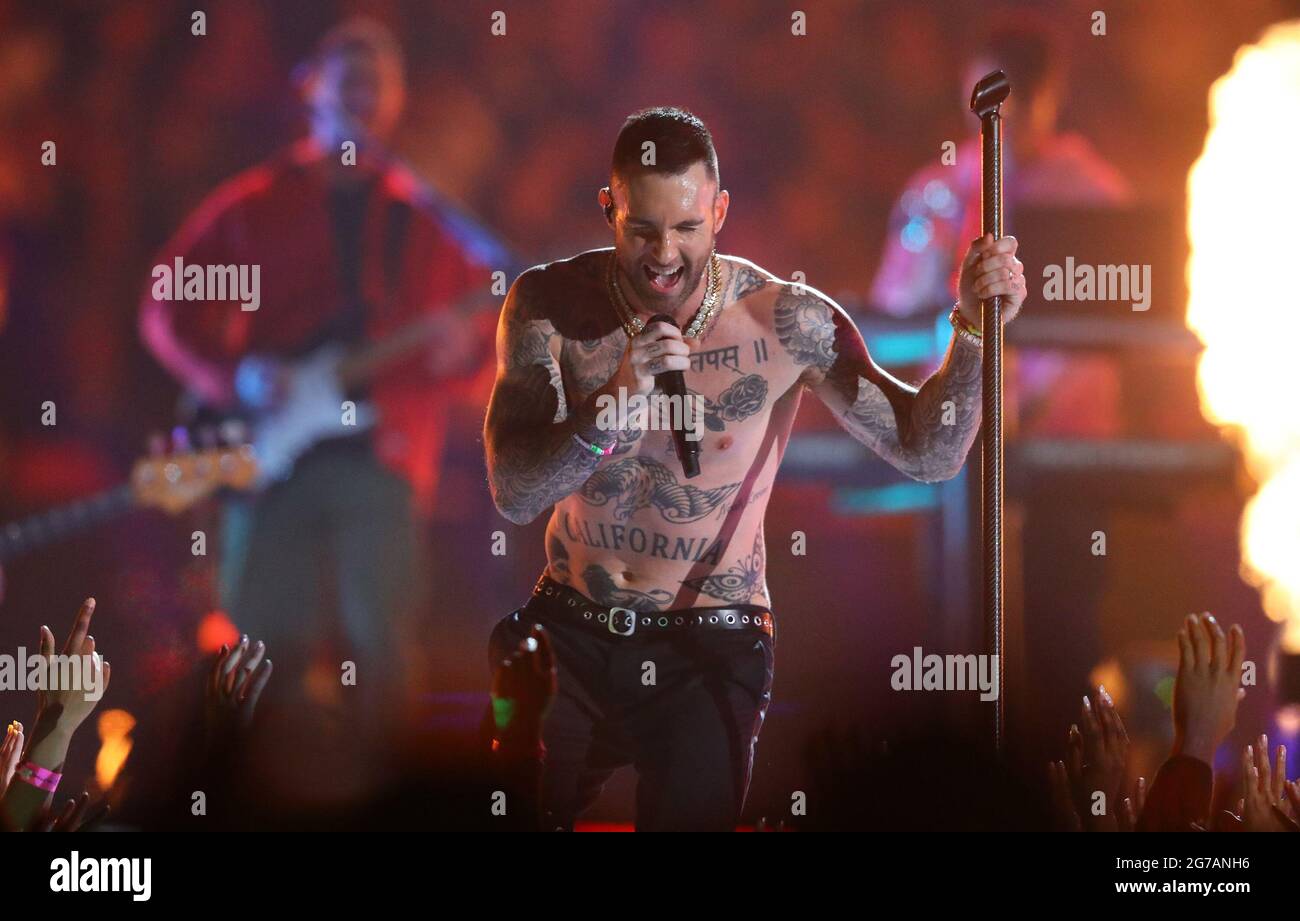
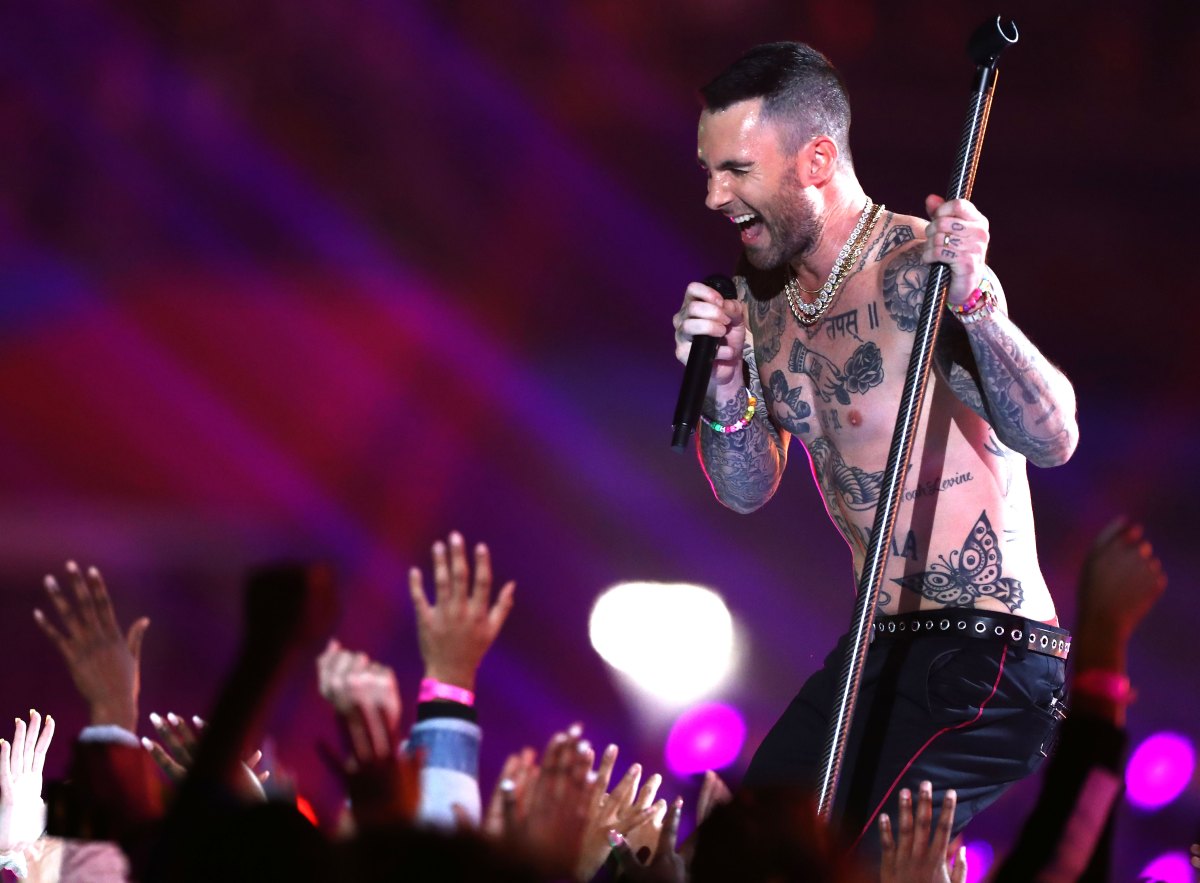
The Adam Levine halftime show refers to the 2019 Super Bowl LIII performance headlined by Maroon 5, featuring Travis Scott and Big Boi. Held at Mercedes-Benz Stadium in Atlanta, the set drew significant attention for its musical choices, cultural context, and the band’s decision to perform despite intense public debate regarding the NFL’s treatment of social justice protests.
Historical Context and Selection
The selection of Maroon 5 to headline the Super Bowl LIII Pepsi Halftime Show on February 3, 2019, followed a period of intense scrutiny directed at the National Football League. During the 2016–2018 NFL seasons, the league became the epicenter of a national conversation regarding systemic racial injustice and police brutality, sparked by Colin Kaepernick’s decision to kneel during the national anthem.
By the time the NFL began discussions for the 2019 halftime show, many artists had reportedly declined the opportunity in solidarity with Kaepernick. Maroon 5’s eventual acceptance prompted widespread public discourse, with critics arguing that the band was crossing a picket line of sorts, while supporters maintained that the halftime show is primarily a musical entertainment platform rather than a political forum. This tension defined the lead-up to the performance and influenced the group's decision to forgo a traditional pre-game press conference.
Musical Setlist and Production Elements
The performance itself was characterized by a transition through Maroon 5’s discography, punctuated by pyrotechnics and stadium-scale visual effects. Adam Levine’s vocals were supported by a wide array of production technology, including light-up stages and overhead drones.
The setlist included the following primary tracks:
- "Harder to Breathe"
- "This Love"
- "Girls Like You" (featuring Cardi B, who appeared via video projection)
- "She Will Be Loved"
- "Sugar"
- "Moves Like Jagger"
In addition to Maroon 5’s catalog, the production integrated guest appearances intended to broaden the show's musical appeal. Travis Scott performed "Sicko Mode" in a high-energy segment that utilized indoor fireworks, while Atlanta hip-hop pioneer Big Boi arrived in a classic 1964 Cadillac Eldorado convertible to perform "The Way You Move," serving as a nod to the host city’s rich musical heritage.
Comparative Performance Metrics
To understand the scale and reception of the Super Bowl LIII halftime show, it is useful to compare it against other performances of the era. The following table highlights the logistical and structural differences often cited by broadcast analysts and music critics.
| Feature | Maroon 5 (2019) | Alternative High-Profile Shows |
|---|---|---|
| Primary Genre | Pop/Rock | Varies (Pop, Hip-Hop, R&B) |
| Guest Integration | Two distinct cameos | Often guest-heavy or solo |
| Production Style | Stadium-rock spectacle | Theatrical/Cinematic choreography |
| Pre-Show Controversy | High (Social Justice focus) | Moderate to Low |
| Venue Context | Indoor (Mercedes-Benz Stadium) | Varies (Outdoor/Indoor) |
The "Shirtless" Debate and Audience Reception
A frequently discussed aspect of the Adam Levine halftime show was the transition between the segments. As the performance neared its conclusion, Levine removed his shirt, which became a focal point for commentary on social media platforms. While the act was consistent with his established stage persona throughout his career, it triggered a disproportionate amount of discussion regarding network censorship standards.
Critics of the performance often pointed to the lack of a singular, cohesive narrative, which is often expected in contemporary Super Bowl halftime productions. Supporters, however, highlighted the technical precision of the live audio mix and the successful integration of Atlanta’s musical culture through Big Boi’s cameo as evidence of a professional, albeit safe, entertainment product.
Critical Analysis of the NFL Halftime Format
The Super Bowl halftime show is an anomaly in live television, requiring a crew of hundreds to build, execute, and strike an entire stage production within a matter of minutes. For the 2019 show, the production team utilized modular staging components that allowed for rapid assembly on the field.
From a technical standpoint, the performance highlighted the limitations of live stadium sound reinforcement. Vocal clarity for a pop-rock band in an enclosed stadium presents significant acoustic challenges, necessitating the use of extensive backing tracks and sophisticated monitor mixing. While these practices are standard in the industry, they are often scrutinized by audiences who expect a "raw" performance, failing to account for the unique acoustic physics of a massive, semi-enclosed sports arena.
Impact on Subsequent Shows
The controversy surrounding the Maroon 5 performance led to a notable shift in how the NFL approached its entertainment partners in the years that followed. Shortly after Super Bowl LIII, the NFL entered a partnership with Roc Nation, the entertainment agency founded by Jay-Z, to consult on the league's live music experiences. This was widely viewed as a direct response to the criticism surrounding the 2019 show and an effort to align the NFL’s brand with artists who had deeper cultural ties to social advocacy and urban music scenes.
Frequently Asked Questions
Did Cardi B perform live at the Super Bowl with Adam Levine?
No, Cardi B did not perform live on the field. She appeared via a pre-recorded projection during the performance of "Girls Like You." This allowed for the inclusion of the track despite her busy tour schedule and personal commitments at the time.
Was the Super Bowl LIII halftime show considered a success?
Success in this context is subjective. From a technical production standpoint, the show was executed efficiently within the strict time limits of the NFL halftime window. From a cultural standpoint, it remains a polarizing event due to the political climate of the 2018–2019 NFL seasons.
Why was there so much controversy surrounding this performance?
The controversy stemmed from the ongoing NFL-related protests regarding racial injustice. Because many high-profile artists publicly declined to perform, Maroon 5’s decision to accept the invitation was interpreted by many as an endorsement of the league’s stance against those who chose to protest during the anthem.
What was the significance of Big Boi’s appearance?
Big Boi is a member of the iconic Atlanta-based rap group OutKast. His inclusion served to honor the host city’s status as a hub of hip-hop culture, providing a necessary bridge between Maroon 5’s pop-rock sound and the local musical identity of Atlanta.
How did the band prepare for the performance?
Like all Super Bowl halftime performers, the band underwent weeks of rehearsals focusing on the logistical timing of the stage setup. Because the show must be set up in under seven minutes and struck in less than that, the preparation is less about artistic rehearsal and more about tactical, second-by-second choreography.
Next Steps for Fans and Researchers
For those interested in the evolution of the Super Bowl halftime show, the 2019 performance serves as a pivotal case study in the intersection of corporate sports marketing and public opinion. Researchers should focus on the transition from traditional pop headliners to the collaborative, culture-focused curations that have characterized the NFL’s partnership with Roc Nation since 2020. Fans looking to re-evaluate the performance should view the official NFL-released recordings, which provide the best audio fidelity, as broadcast television captures often struggle with the ambient noise levels inherent to a stadium environment.