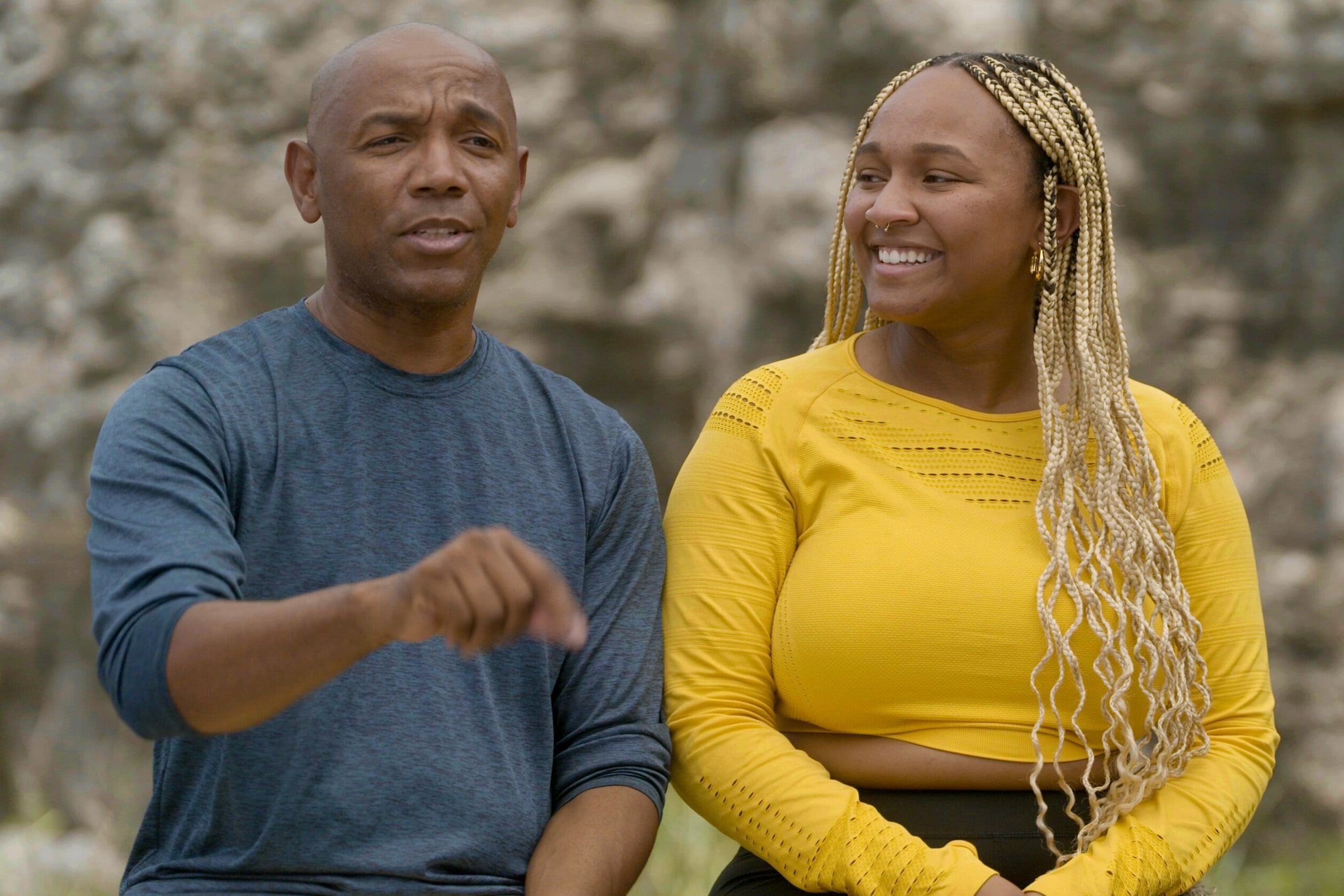
Adam Malis and Joseph Lemay competed on The Amazing Race 34, representing a team defined by their long-standing personal history and strategic approach to the high-pressure environment of a globe-spanning reality competition. Joining the race as childhood friends, their journey serves as a compelling case study on how pre-existing social bonds influence communication, conflict resolution, and decision-making when navigating the logistical complexities of an international race. Their participation in the 34th season provided viewers with a clear look at how rapport, when tested by sleep deprivation, extreme physical exertion, and rapid travel, can serve as both a safety net and a point of friction.
The duo entered the competition with a significant advantage: a deep-seated understanding of one another’s temperaments, strengths, and weaknesses. Unlike teams formed via blind dates or those with professional-only relationships, Adam and Joseph utilized a shorthand of communication that often allowed them to bypass the initial "getting to know you" phase that frequently hinders newer pairs. However, this familiarity also meant that when frustration peaked, the lack of traditional social filters between long-term friends occasionally amplified the intensity of their disagreements. Throughout the season, their performance fluctuated as they adapted to the rigorous demands of the race, ultimately highlighting the balance required to maintain a friendship while competing for a significant cash prize.
Foundations of the Relationship and Entry into the Race
Adam Malis and Joseph Lemay arrived at the starting line of The Amazing Race 34 with a relationship built upon years of mutual experience. The production casting focused on their status as childhood best friends, a dynamic that inherently sets a team apart in a reality television environment. In the context of the race, this type of team is often analyzed by how they manage pressure without the fear of social alienation; because they already shared a lifetime of social history, they could communicate more candidly than teams who were still establishing boundaries.
For the production team, the selection of established friends provided a reliable narrative engine. Viewers often gravitate toward teams that demonstrate authentic history, as it allows for a more nuanced portrayal of conflict. Throughout their time on the show, Adam and Joseph displayed a high level of collaborative effort, relying on their combined skill sets to tackle navigation challenges and physical tasks. Their entry into the race was characterized by a clear intent to leverage their bond, though they faced the universal hurdle of transitioning from a casual friendship to a high-stakes, professional-grade partnership where every error carried the risk of immediate elimination.
Performance Overview: Navigating Season 34
The Amazing Race 34 was marked by a unique set of logistical challenges and a format that emphasized speed and endurance. Adam and Joseph had to reconcile their natural pace with the varying difficulty levels of the race's Roadblocks and Detours. During the season, the team’s performance was generally consistent, demonstrating an ability to recover from setbacks—a key metric for success in the competition.
Strategic Execution and Technical Challenges
The race demands more than just physical fitness; it requires rapid-fire problem solving under duress. Adam and Joseph’s approach involved a division of labor that played to their respective comfort zones. When faced with complex navigation tasks in foreign transit systems or language barriers in host countries, they frequently prioritized deliberation over impulsive action. This deliberate pace, while sometimes putting them behind in pure footraces, often spared them from the errors caused by panic—a common failure mode for teams in earlier, less structured seasons of the show.
| Phase of Competition | Strategic Focus | Primary Challenge Faced |
|---|---|---|
| Early Legs | Establishing routine | Overcoming transit confusion |
| Mid-Season | Energy management | Maintaining focus under exhaustion |
| Late Legs | Tactical speed | Navigating high-stakes Detours |
The data above illustrates that while their initial stages were characterized by finding a rhythm, the later stages of their journey necessitated a pivot toward speed, which inherently increases the likelihood of errors. The duo managed these transitions by leaning into their history, allowing one partner to take the lead in specific tasks while the other acted as the support anchor.
Communication Dynamics Under Pressure
In the confined space of airport terminals and the high-stress environment of international travel, team communication is the primary predictor of longevity. For Adam and Joseph, their friendship was the primary tool for emotional regulation. When one member of the team grew overwhelmed by a challenging roadblock, the other was able to provide the specific type of encouragement that is only possible through long-term familiarity.
However, the "friendship as an asset" theory has its limitations. Because they were comfortable with each other, they were less likely to use "polite" language, which sometimes resulted in on-screen arguments that appeared more heated to the audience than they felt to the participants. In the editing room, these moments are often highlighted to provide conflict, yet they are an inherent aspect of high-stakes collaboration between friends. Their ability to move past these disagreements without letting them fester was a defining feature of their run in The Amazing Race 34.
Common Mistakes and Lessons Learned
Analyzing the performance of teams like Adam and Joseph provides a template for future contestants regarding the pitfalls of the race. One of the most recurring issues observed during their season was the tendency to over-analyze tasks when a simpler, more intuitive approach was available.
- Communication Breakdown: Even among friends, there were moments where clarity was sacrificed for speed, leading to misinterpretations of instructions.
- Physical Exhaustion Management: The race is a war of attrition; their occasional lapses in physical maintenance during transit proved that managing hydration and rest is as vital as solving a clue.
- Over-Reliance on Intuition: Relying on their bond sometimes led them to ignore the advice or observations of other teams, which occasionally resulted in them repeating the mistakes of their competitors.
For viewers interested in the mechanics of the show, the takeaway is clear: success is rarely about raw ability alone. It is about the ability to calibrate one's expectations to the reality of the environment. Adam and Joseph succeeded by treating the race as a joint venture, demonstrating that while individual capability is important, the "co-pilot" dynamic is what ultimately carries a team to the finish line.
Frequently Asked Questions
How did Adam and Joseph’s friendship impact their performance?
Their pre-existing relationship allowed for a higher degree of trust, which saved time on negotiations and interpersonal conflict management. While it occasionally led to intense arguments due to a lack of social filters, it provided a stable emotional foundation that helped them stay focused during the most difficult segments of the race.
What was the biggest challenge they faced on The Amazing Race 34?
Like most contestants, their primary challenges were the physical exhaustion of back-to-back travel and the intense mental pressure of decoding cryptic clues in high-stress, unfamiliar environments. Navigating foreign logistics without the typical comforts of home tested their resilience throughout the season.
Did their background give them a specific advantage over other teams?
Yes, they possessed a "shorthand" communication style. Where other teams had to spend energy managing their partner’s ego or personality, Adam and Joseph were able to move directly into problem-solving, which is a significant time-saver in a race decided by minutes.
What advice would they give to future Amazing Race contestants?
Based on their trajectory, they emphasized the importance of staying calm when things go wrong. Most errors in the race occur not because a task is impossible, but because the participants become panicked and lose sight of the primary objective, leading to "cascading mistakes" that can ruin a leg.
How did the editing of the season affect the perception of their relationship?
Reality television editing often amplifies conflict to create drama. While Adam and Joseph experienced genuine moments of frustration, the show highlighted these as narrative peaks. In reality, their ability to recover from these moments quickly was more indicative of their strong relationship than the arguments themselves.
Next Actions for Aspiring Competitors
For those inspired by the journey of Adam and Joseph, the best path forward is to focus on developing team cohesion long before the race begins. If you are considering entering a similar competition, prioritize practicing "high-stress communication." This involves putting yourselves in scenarios where you must solve problems while sleep-deprived or under time pressure. Establish a hierarchy of who handles navigation, who handles physical tasks, and who manages budget logistics. By formalizing these roles in a low-stakes environment, you ensure that when the real pressure of a race hits, your team dynamic remains a source of strength rather than a point of failure.