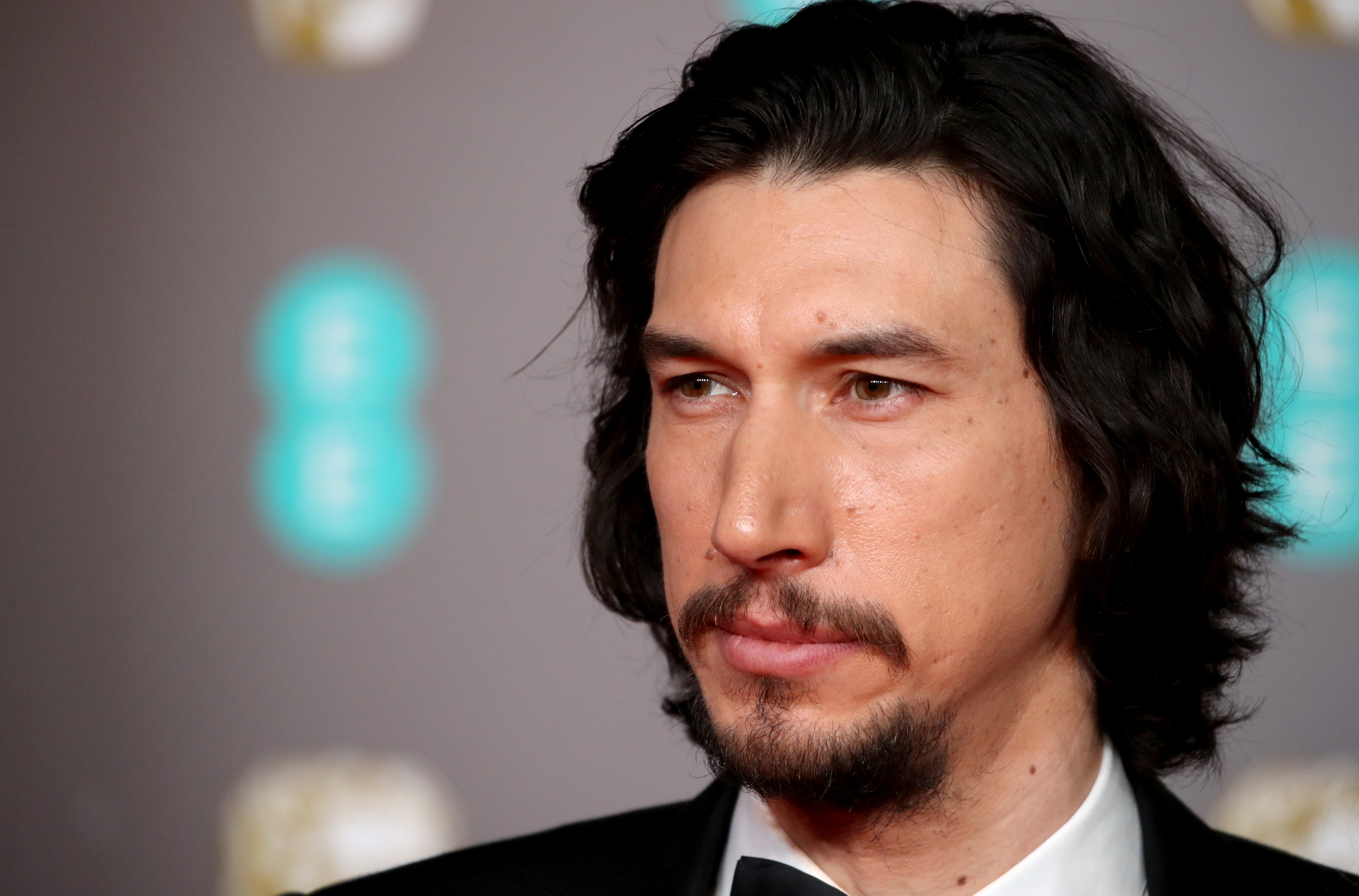
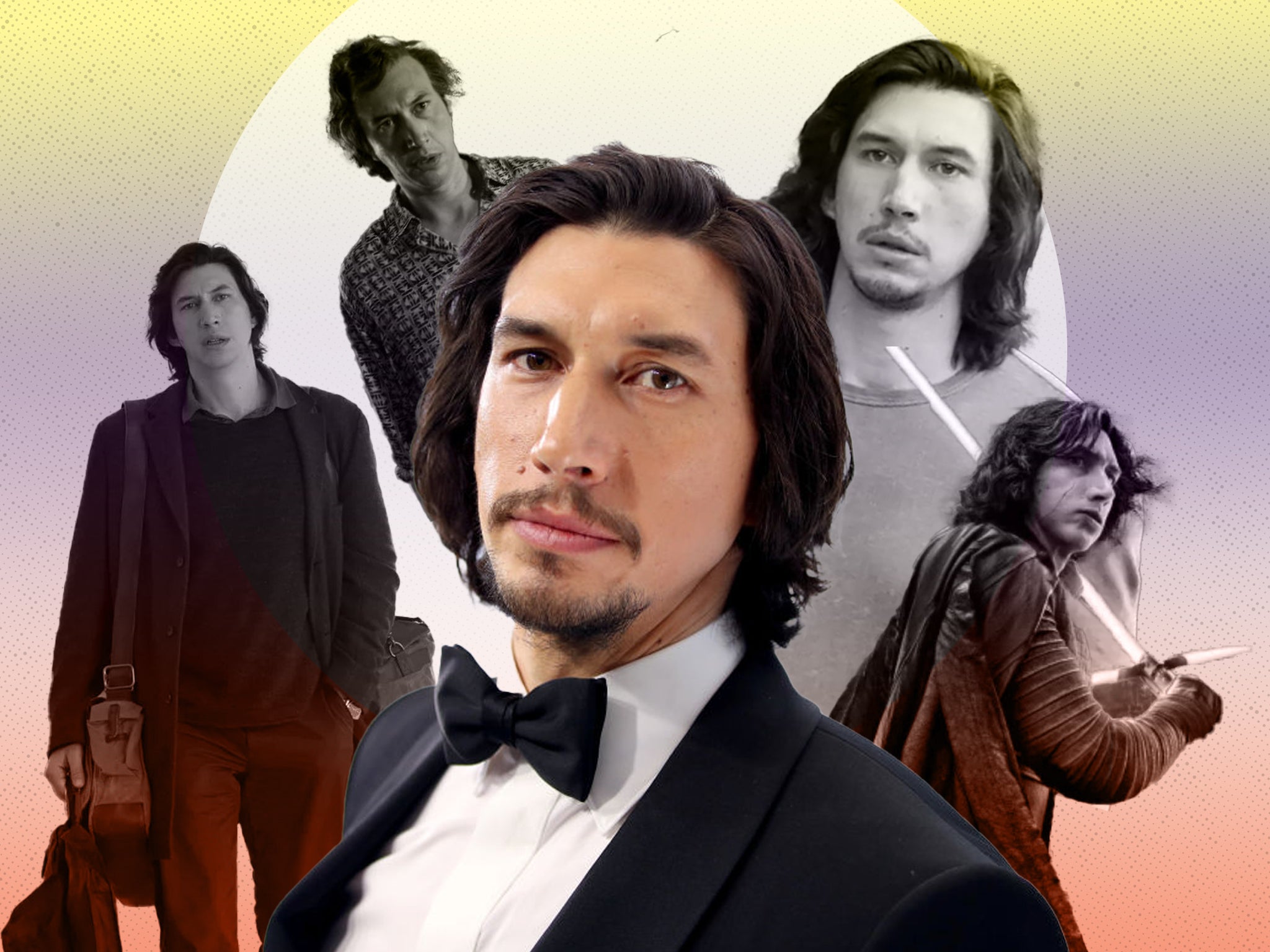
Adam Driver is a critically acclaimed American actor recognized for his imposing physical presence, intense emotional range, and a unique career trajectory that spans from the United States Marine Corps to the heights of Hollywood. By 2026, he has established himself as one of the most versatile performers of his generation, seamlessly transitioning between blockbuster franchises and avant-garde auteur cinema.
From the Marine Corps to Juilliard: The Foundational Years
The narrative of Adam Driver’s career is often defined by his unconventional path to stardom. Born in San Diego and raised in Mishawaka, Indiana, Driver’s early life was marked by a sense of restless ambition. Following the events of September 11, 2001, he felt a patriotic calling and enlisted in the United States Marine Corps. He served for two years as an 81mm mortarman with 1st Battalion, 1st Marines. However, his military career was cut short just before deployment when a mountain biking accident resulted in a fractured sternum, leading to a medical discharge.
This transition from the rigid, high-stakes environment of the military to the expressive world of performing arts is central to Driver’s "tough yet vulnerable" screen persona. After his discharge, he applied to the Juilliard School for drama. While his first attempt out of high school had been unsuccessful, his post-military audition was accepted. At Juilliard, Driver was known for a disciplined, almost aggressive approach to his craft, often clashing with the more abstract elements of theatrical training while simultaneously absorbing the technical rigors of speech and movement. This period forged the "actor's actor" mentality that defines his work today, emphasizing preparation and a refusal to settle for easy or conventional performance choices.
The Breakout: "Girls" and the Rise of the Anti-Protagonist
While Driver appeared in several minor roles and stage productions early on, his mainstream breakthrough came in 2012 with the HBO series Girls. Created by Lena Dunham, the show cast Driver as Adam Sackler, the volatile, eccentric, and deeply magnetic boyfriend of the protagonist.
The role of Sackler allowed Driver to showcase a brand of masculinity rarely seen on television—raw, unpredictable, and physically imposing, yet capable of profound tenderness. His performance earned him three consecutive Primetime Emmy nominations for Outstanding Supporting Actor in a Comedy Series. More importantly, it caught the attention of the world's most prestigious directors. Unlike many actors who find success in television and seek immediate stardom in leading-man romantic roles, Driver used his Girls fame to pivot toward character-driven cinema, seeking out directors who would challenge his burgeoning technique.
The Auteur’s Muse: Collaborations with Visionary Directors
By 2026, Adam Driver’s filmography reads like a "who’s who" of contemporary cinema. He has earned a reputation as a "director’s actor," someone willing to undergo extreme physical and psychological transformations to fulfill a filmmaker's vision.
The Noah Baumbach Partnership
Perhaps his most significant creative partnership is with writer-director Noah Baumbach. Across films like Frances Ha, While We're Young, and The Meyerowitz Stories, the duo explored the anxieties of modern adulthood. This collaboration peaked with the 2019 film Marriage Story, where Driver’s portrayal of Charlie Barber—a theater director navigating a grueling divorce—earned him an Academy Award nomination for Best Actor. His performance, particularly the climactic "Being Alive" musical sequence, demonstrated his ability to blend theatricality with domestic realism.
Working with Legends: Scorsese, Scott, and Coppola
Driver’s commitment to his craft is further evidenced by his work with the industry’s "titans."
- Martin Scorsese: For the 2016 film Silence, Driver lost nearly 50 pounds to play a 17th-century Jesuit priest. This level of physical dedication is a hallmark of his process.
- Ridley Scott: Driver starred in two Ridley Scott films released in 2021: The Last Duel and House of Gucci. In the former, he played a complex villain in a medieval epic; in the latter, he portrayed Maurizio Gucci, showcasing his ability to handle high-fashion camp and tragic drama with equal poise.
- Francis Ford Coppola: More recently, Driver took the lead in Coppola’s long-gestating epic Megalopolis. This project, which debuted in the mid-2020s, solidified his status as an actor willing to take massive creative risks on experimental, large-scale cinema.
Global Stardom: The Kylo Ren Legacy
While he is a darling of the indie circuit, Adam Driver is arguably most famous globally for his role as Kylo Ren (Ben Solo) in the Star Wars sequel trilogy (The Force Awakens, The Last Jedi, and The Rise of Skywalker).
Taking on the mantle of a central antagonist in the world’s largest franchise is a daunting task, yet Driver brought a unique psychological depth to the character. Rather than playing a one-dimensional villain, he portrayed Kylo Ren as a conflicted, petulant, and deeply hurt individual. His performance was widely cited by critics as the emotional anchor of the trilogy. Crucially, Driver managed to avoid "franchise fatigue," continuing to release smaller, demanding films between Star Wars installments, thereby maintaining his artistic credibility while occupying the center of pop culture.
Technical Mastery: The Driver Performance Style
What sets Adam Driver apart from his contemporaries is a specific set of technical skills and professional habits. He is famously known for his "no-watching" policy; Driver does not watch his own films or listen to his own audio interviews. This stems from a desire to remain focused on the process of acting rather than the result, preventing him from becoming self-conscious or repeating successful "ticks."
Physicality and Presence
Standing at 6'3" with a broad frame, Driver uses his physicality to command the screen. He is an actor who understands how to use space, often appearing to physically "looming" over scenes or, conversely, folding his large frame to convey vulnerability. His vocal training at Juilliard is also evident; he possesses a resonant, baritone voice that he can manipulate to suit a range of dialects and emotional states, from the clipped precision of an Italian mogul in Ferrari (2023) to the frantic energy of a frustrated poet in Paterson.
Key Filmography and Performance Highlights
The following table outlines the most significant milestones in Adam Driver's career leading up to 2026:
| Year | Title | Role | Director | Key Achievement |
|---|---|---|---|---|
| 2012–2017 | Girls | Adam Sackler | Lena Dunham | 3 Emmy Nominations; Breakthrough role |
| 2015–2019 | Star Wars Trilogy | Kylo Ren | J.J. Abrams / Rian Johnson | Worldwide recognition; Blockbuster success |
| 2016 | Silence | Father Garupe | Martin Scorsese | Extreme physical transformation (weight loss) |
| 2016 | Paterson | Paterson | Jim Jarmusch | Gotham Award for Best Actor |
| 2018 | BlacKkKlansman | Flip Zimmerman | Spike Lee | Academy Award Nomination (Best Supporting Actor) |
| 2019 | Marriage Story | Charlie Barber | Noah Baumbach | Academy Award Nomination (Best Actor) |
| 2021 | Annette | Henry McHenry | Leos Carax | Experimental musical; Cannes opener |
| 2023 | Ferrari | Enzo Ferrari | Michael Mann | Critically acclaimed biographical performance |
| 2024/25 | Megalopolis | Caesar | Francis Ford Coppola | Leading a massive cinematic "passion project" |
Arts in the Armed Forces (AITAF)
Beyond his work on screen, Driver’s most significant contribution to the industry is his non-profit organization, Arts in the Armed Forces (AITAF). Founded by Driver and his wife, Joanne Tucker, the organization brings high-quality professional theater performances to active-duty service members, veterans, and their families around the world for free.
The goal of AITAF is to bridge the gap between the military and the arts, providing service members with a common language for expression. Driver has often spoken about how the discipline of the military and the discipline of acting are remarkably similar, and AITAF serves as the physical manifestation of that belief. This philanthropic work adds a layer of depth to his public persona, showcasing a commitment to service that predates his acting career.
Frequently Asked Questions
Was Adam Driver actually in the military?
Yes, Adam Driver joined the United States Marine Corps shortly after the September 11 terrorist attacks. He served for approximately two years as an 81mm mortarman. He was medically discharged after a mountain biking accident left him with a broken sternum, preventing him from deploying to Iraq with his unit. This experience heavily influenced his work ethic and led him to found the non-profit Arts in the Armed Forces.
Why doesn't Adam Driver watch his own movies?
Driver has stated in numerous interviews that he finds watching his own performances to be a distracting and counterproductive experience. He famously walked out of a radio interview with NPR's Fresh Air when they played a clip of him singing in Marriage Story. He believes that seeing the finished product makes him too self-conscious about his movements and choices, which could negatively impact his future performances.
What is considered Adam Driver's best performance?
While subjective, critics often point to Marriage Story (2019) and Paterson (2016) as his finest work. Marriage Story showcased his ability to handle intense, dialogue-heavy drama, while Paterson demonstrated his skill in quiet, minimalist storytelling. His role as Kylo Ren is also highly regarded for bringing unexpected depth to a franchise villain.
Does Adam Driver have a background in musical theater?
While not a traditional musical theater performer, Driver received extensive vocal training at Juilliard. He has showcased his singing voice in several projects, most notably the "Being Alive" scene in Marriage Story and the entirety of the experimental rock opera Annette. He also performed a humorous musical number ("Outer Space") in the Coen brothers' Inside Llewyn Davis.
Tracking the Future of a Generational Talent
As of 2026, Adam Driver remains one of the few actors who can guarantee both critical interest and box-office curiosity. His career strategy—prioritizing collaborations with visionary directors over "safe" commercial choices—has paid off, granting him a level of artistic freedom rarely seen in modern Hollywood.
For those looking to follow Driver’s career, the next logical step is to explore his recent work in experimental features and biographical dramas. His trajectory suggests he will continue to avoid the typical "movie star" path, instead opting for roles that challenge the boundaries of his own physicality and the audience's expectations of what a leading man should be. Whether he is playing a historical figure, a sci-fi antagonist, or a modern father, Driver's commitment to the "truth" of the character ensures he remains a vital figure in 21st-century cinema.