Adam Arkin’s involvement in the Netflix political thriller The Night Agent serves as a critical bridge between the series’ production values and its grounded, high-stakes narrative style. As a prolific actor and established director, Arkin’s contribution to the series—specifically his work behind the camera—was pivotal in shaping the show's aesthetic and pacing, contributing significantly to its status as one of the platform’s most successful original releases.
Understanding the Role of Adam Arkin in The Night Agent
While fans of Adam Arkin often recognize him from his extensive on-screen career in projects like Chicago Hope and Northern Exposure, his contribution to The Night Agent is primarily directorial. Arkin was brought on to helm specific episodes of the series, lending his signature tension-building style to the adaptation of Matthew Quirk’s novel.
In the television industry, a director-for-hire on a high-budget streaming series is tasked with maintaining the "showrunner’s vision" while simultaneously elevating the technical execution of individual episodes. Arkin’s background as an actor provides him with a unique advantage in this role, as he is widely regarded for his ability to pull nuanced, grounded performances out of ensemble casts, which is essential for a series that balances complex political conspiracies with personal character stakes.
Directorial Influence and Narrative Pacing
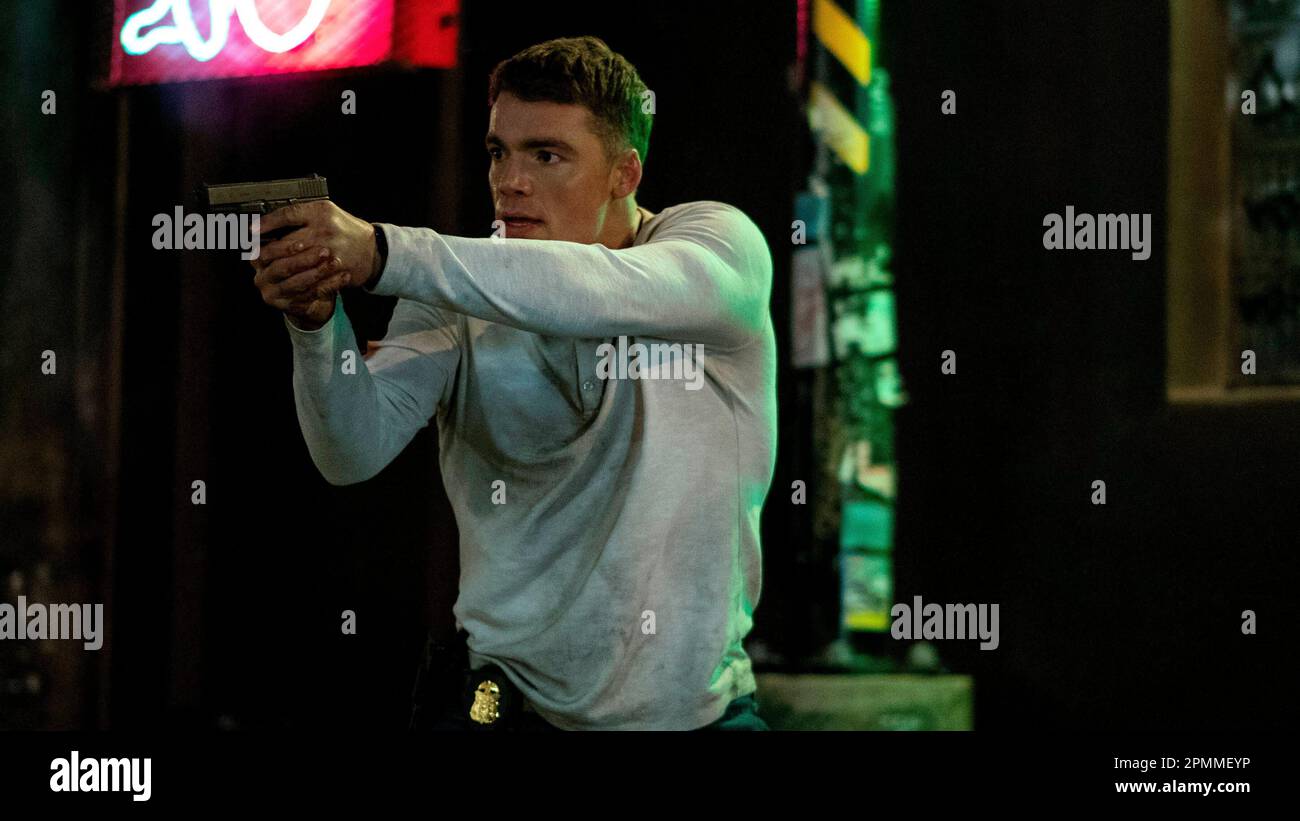
The directorial style Adam Arkin brought to The Night Agent is characterized by a focus on "contained intensity." In a genre often saturated with grand, sprawling action set pieces, Arkin’s approach favors the claustrophobic elements of the thriller—the quiet conversation in a secure room, the ticking clock of a digital communication, and the psychological weight carried by the protagonist, Peter Sutherland.
By utilizing tight framing and deliberate pacing, Arkin helped bridge the gap between the source material’s literary origins and the visual requirements of an episodic streaming format. His episodes are often noted for their emphasis on environmental storytelling, where the physical space of the "Night Action" office itself acts as a character, reinforcing the isolation and paranoia that define the series’ central premise.
The Intersection of Acting and Directing
One of the most frequent questions regarding Arkin’s presence in the series involves whether his acting experience influences his direction. The answer lies in the collaborative nature of the set. Arkin’s approach to directing is noted for being "actor-centric." In the context of a fast-paced thriller, this prevents the performances from being lost amidst the plot-heavy requirements of the script.
When directing intense sequences, such as those involving government officials or deep-cover operatives, Arkin focuses on maintaining the emotional reality of the scene rather than just the mechanics of the action. This ensures that even when the plot of The Night Agent becomes increasingly convoluted, the audience remains anchored to the motivations of the characters.
Production Context and Series Impact
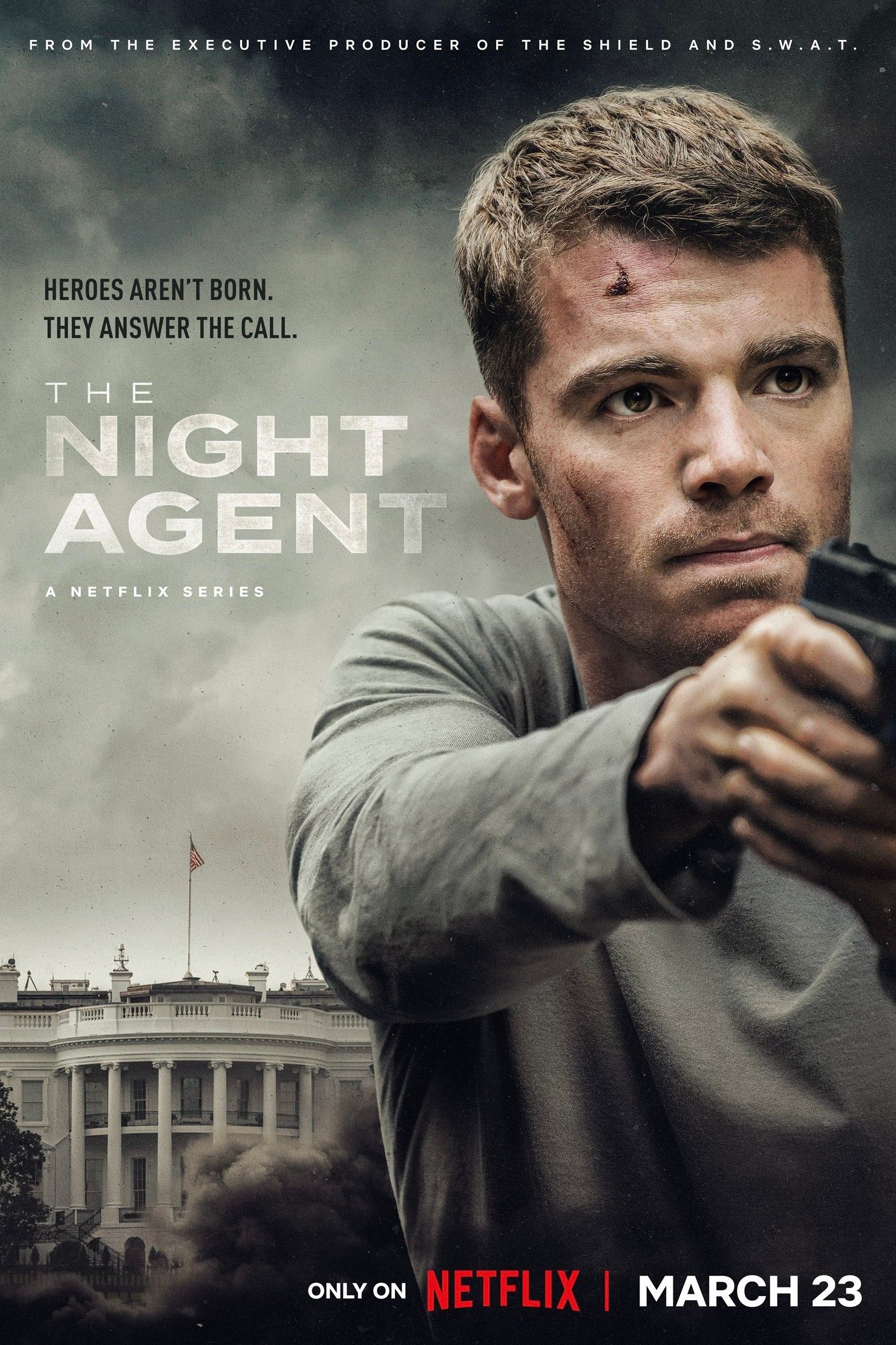
The Night Agent, created by Shawn Ryan, debuted with an immediate focus on high production values and tight, serialized storytelling. For a show to succeed in the crowded political-thriller landscape of 2026, it requires a consistent tone across all episodes. Directors like Adam Arkin are essential for this continuity. By managing the visual language of his assigned episodes, Arkin ensures that the transition between different narrative arcs feels seamless to the viewer.
The production of the series heavily relied on establishing a "visual shorthand" for the secret world of the Night Action program. Arkin’s work helped solidify the distinction between the mundane, bureaucratic reality of the FBI and the shadow-world of the deep state that the characters navigate.
Comparative Analysis: Directorial Contributions
To better understand how Arkin’s work fits into the broader scope of the series, it is helpful to look at the structural requirements of a streaming thriller.
| Element | Arkin’s Focus | Objective |
|---|---|---|
| Characterization | Subtext and micro-expressions | Maintain emotional gravity |
| Action Sequences | Practicality and consequence | Ground the stakes in realism |
| Cinematography | High-contrast, tight framing | Emphasize isolation and paranoia |
| Pacing | Measured tension escalation | Sustain viewer retention |
This table highlights the functional areas where Arkin’s expertise aligns with the show's requirements. While other directors may focus on kinetic action, Arkin’s value proposition is his ability to manage the internal state of the narrative.
Frequently Asked Questions
Did Adam Arkin appear as an actor in The Night Agent?
No, Adam Arkin served exclusively as a director for The Night Agent. While he is a highly recognizable actor, he did not take on a recurring or guest role in this production, focusing his professional efforts entirely on the creative direction of the episodes he helmed.
Why is Adam Arkin’s directorial style well-suited for thrillers?
Arkin is known for his ability to handle "slow-burn" tension. His career in television has often involved stories where the stakes are personal rather than global, which translates perfectly to a political thriller that aims to keep the audience invested in the safety of its core characters.
How do directors like Arkin maintain consistency in a serialized show?
Consistency is maintained through "lookbooks" and collaborative meetings with the showrunner, Shawn Ryan. Directors are tasked with adhering to a pre-established aesthetic palette, lens choices, and pacing guidelines to ensure the viewer cannot tell where one director’s work ends and another’s begins.
How significant is Arkin’s contribution to the show's success?
While success is a collective achievement, Arkin’s episodes were critical in establishing the show's early rhythm. By helping set the tone for how suspense is visually communicated to the audience, he contributed to the high engagement rates that defined the series' initial release period.
What should viewers watch for in episodes directed by Arkin?
Viewers should look for the subtle interplay between the characters during dialogue-heavy scenes. Arkin often utilizes depth of field to place the focal character within the oppressive geometry of their environment, subtly reinforcing the theme that they are being watched or constrained by the bureaucracy they serve.
Moving Forward: Analyzing Subsequent Seasons
For viewers interested in the trajectory of the series in 2026 and beyond, observing the work of directors like Arkin provides a deeper appreciation for the mechanics of television production. As the show continues to expand its narrative scope, the lessons learned during the initial production phases—many of which were refined by the foundational work of the early directors—remain the blueprint for the series.
To gain a better understanding of the show’s craft, pay close attention to the credit sequences at the beginning of each episode to identify the creative team behind each installment. Analyzing the stylistic choices in these specific episodes will reveal how individual directors manage the balance between character development and the high-octane requirements of the thriller genre.