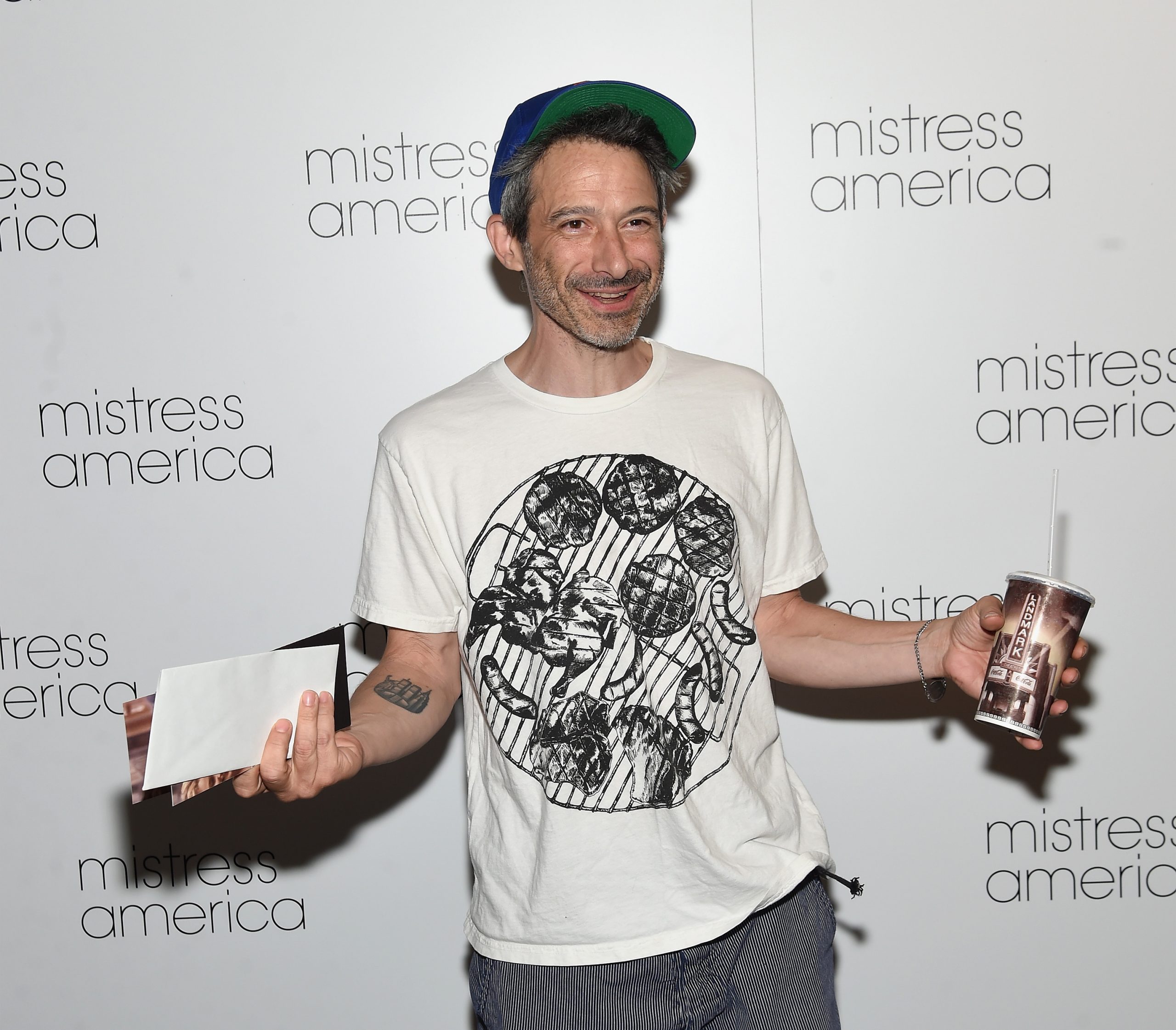
Adam Horovitz, professionally known as Ad-Rock, is an iconic American musician, rapper, and actor best recognized as a founding member of the influential hip-hop group Beastie Boys. Beyond his musical contributions to the evolution of rap and alternative rock, he has played a significant role in shaping the aesthetic and social consciousness of 1980s and 90s alternative subcultures through his distinctive vocal style and creative collaboration.
The Origins and Formation of the Beastie Boys
The story of Ad-Rock begins in the vibrant New York City music scene of the early 1980s. Born in 1966, Adam Horovitz grew up immersed in the city's diverse creative atmosphere. He joined the Beastie Boys in 1982, a band that had initially formed as a hardcore punk group. This transitional period was critical, as it marked the beginning of a genre-defying trajectory that would eventually bring the group to the forefront of the commercial hip-hop movement.
When Horovitz joined Mike D and MCA (Adam Yauch), the group’s sound began to shift toward an experimental fusion of punk energy and hip-hop beats. This period was characterized by DIY ethos, underground club performances in lower Manhattan, and a irreverent sense of humor that would define their public persona for decades. Ad-Rock’s high-pitched, nasal delivery became a signature element of the trio’s vocal interplay, distinguishing them from the more serious or politically driven rap acts of the mid-1980s.
The Breakthrough Era: Licensed to Ill and Beyond
The 1986 release of Licensed to Ill serves as the primary commercial touchstone for Ad-Rock’s career. As the first hip-hop album to top the Billboard 200, it transformed the Beastie Boys into a global cultural phenomenon. Horovitz’s contribution to this era was not merely vocal; he was a key architect in the blend of heavy rock riffs—often sampled from Led Zeppelin—with drum-machine-driven rhythms.
However, the group’s evolution did not stop there. By the time they recorded Paul's Boutique in 1989, Ad-Rock and his bandmates had matured into sophisticated sample-based composers. This album is frequently cited by critics and musicians as a masterpiece of production, using a dense tapestry of sound that pushed the technical boundaries of what could be achieved with analog sampling equipment. Horovitz’s maturation as a lyricist during this time reflected a movement away from the "party-boy" image of their debut toward a more introspective and socially conscious aesthetic.
Technical Contributions to Hip-Hop and Alternative Music
Ad-Rock’s work is categorized by a specific approach to rhythm and timbre. Unlike many of his contemporaries who relied on traditional flow patterns, Horovitz utilized a distinct, punchy delivery that emphasized timing and humor. His vocal style acted as a rhythmic instrument, often trading lines with his bandmates to create a layered, conversational quality that became a hallmark of the "Beastie Boys sound."
Furthermore, the band's commitment to playing their own instruments during live sets and studio recordings—a practice they revived during the 1990s with albums like Check Your Head—positioned Ad-Rock as a multi-instrumentalist. His ability to move between the microphone, the guitar, and the bass allowed the group to bridge the gap between hip-hop culture and the alternative rock mainstream, influencing generations of musicians who sought to break traditional genre barriers.
Collaborative Projects and Cultural Legacy
Throughout his career, Horovitz maintained a presence outside the confines of the Beastie Boys. This included forays into film, such as his notable performance in Lost Angels (1989), and later, collaborations with various artists across the indie and experimental landscapes. Following the 2012 death of Adam Yauch, the Beastie Boys officially ceased recording, leading Horovitz to focus on independent creative endeavors and the preservation of the group’s history.
The release of Beastie Boys Book (2018) and the subsequent documentary Beastie Boys Story (2020) provided a retrospective look at the trio's history, with Horovitz serving as a primary narrator. These works underscored the group's transition from unruly punk kids to seasoned cultural icons who helped champion causes such as the Tibetan Freedom Concerts.
Comparison of Key Phases in Ad-Rock’s Creative Evolution
| Career Phase | Primary Focus | Musical Characteristics |
|---|---|---|
| Early Punk (1982–1984) | Hardcore Performance | Aggressive energy, shouted vocals, DIY production |
| Commercial Peak (1986–1988) | Hip-Hop Fusion | Heavy rock samples, party-themed lyrics, drum machines |
| Production Mastery (1989–1991) | Experimental Sampling | Dense, multi-layered production, irony-heavy lyricism |
| Genre Fluidity (1992–2011) | Alternative/Instrumental | Live instrumentation, jazz-fusion influences, introspective themes |
Adapting to the Modern Landscape: A 2026 Perspective
In 2026, the legacy of Ad-Rock is viewed as a foundational pillar of modern music production and genre-blending. While he is no longer releasing new music under the Beastie Boys moniker, his influence persists in the ways current producers handle sampling and in how artists maintain their creative autonomy. The archival work regarding the group remains a subject of study for music historians and fans alike, highlighting the importance of the early digital-sampling era in shaping today's streaming-heavy musical landscape.
Frequently Asked Questions About Ad-Rock
What was Ad-Rock's role in the Beastie Boys' writing process?
Ad-Rock, alongside Adam Yauch and Mike D, contributed to a collaborative songwriting model. The group functioned as a democratic unit where lyrics, beat selection, and sample clearing were decided collectively. Horovitz often brought a unique melodic sensibility and rhythmic timing that helped balance the group's dynamic.
How did the Beastie Boys transition from punk to hip-hop?
The transition occurred organically in the early 1980s as the members became fixtures in the New York downtown club scene. They began incorporating drum machines into their sets and experimenting with rap-inspired vocal deliveries. This shift was solidified when they began working with producer Rick Rubin, who helped refine their sound into the fusion of rock and rap heard on Licensed to Ill.
Are there upcoming projects involving Ad-Rock?
As of 2026, Ad-Rock remains focused on legacy management and occasional artistic contributions. There are no active reports of a new musical project, as the surviving members have maintained that the Beastie Boys ended as a creative entity with the passing of Adam Yauch.
Why is Paul's Boutique considered a significant album?
Paul's Boutique is widely regarded for its groundbreaking use of the E-mu SP-1200 sampler. It utilized hundreds of obscure sound samples layered to create a dense, psychedelic, and highly rhythmic landscape. Its critical reappraisal over the years has solidified it as a seminal work in the history of hip-hop production, moving far beyond the more accessible sound of the group's debut.
How did Ad-Rock influence later alternative artists?
His influence is most evident in the "genre-bending" approach taken by later bands in the 90s and 2000s. By proving that artists could maintain punk credibility while successfully experimenting with hip-hop, funk, and jazz, he paved the way for groups like Rage Against the Machine and others who prioritized stylistic hybridity.
Navigating the Beastie Boys Archive and Legacy
For those interested in exploring the depth of Ad-Rock's work, the most reliable resources are the authorized autobiography Beastie Boys Book and the official documentary features. These sources provide the most accurate account of the recording processes and personal histories of the band members. Readers should be wary of unauthorized biographies, as they often lack access to the band's personal archives and the nuance of their collaborative history. If you are conducting research, prioritize the primary accounts provided in their retrospective media to ensure factual accuracy regarding the group's timeline and technical process.