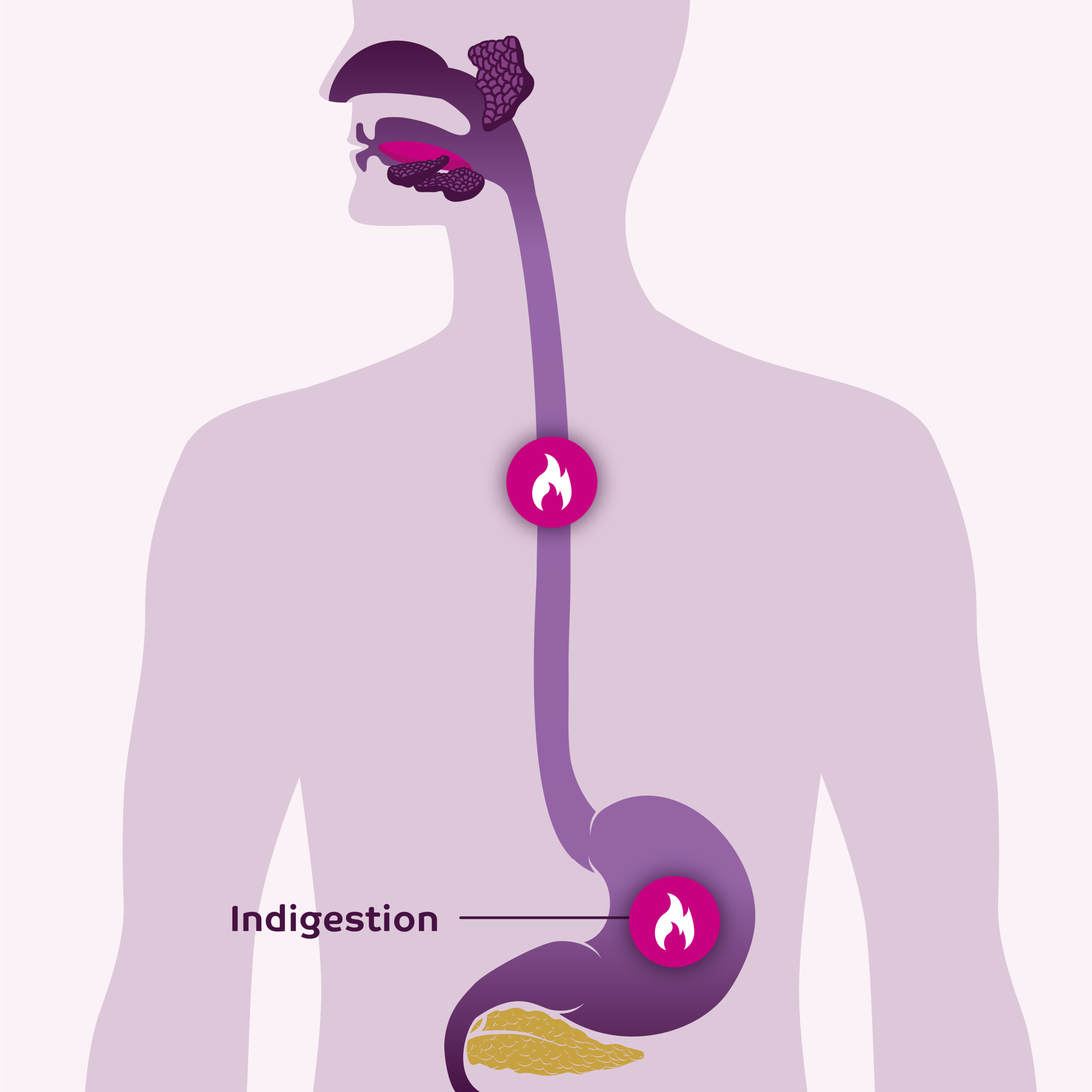
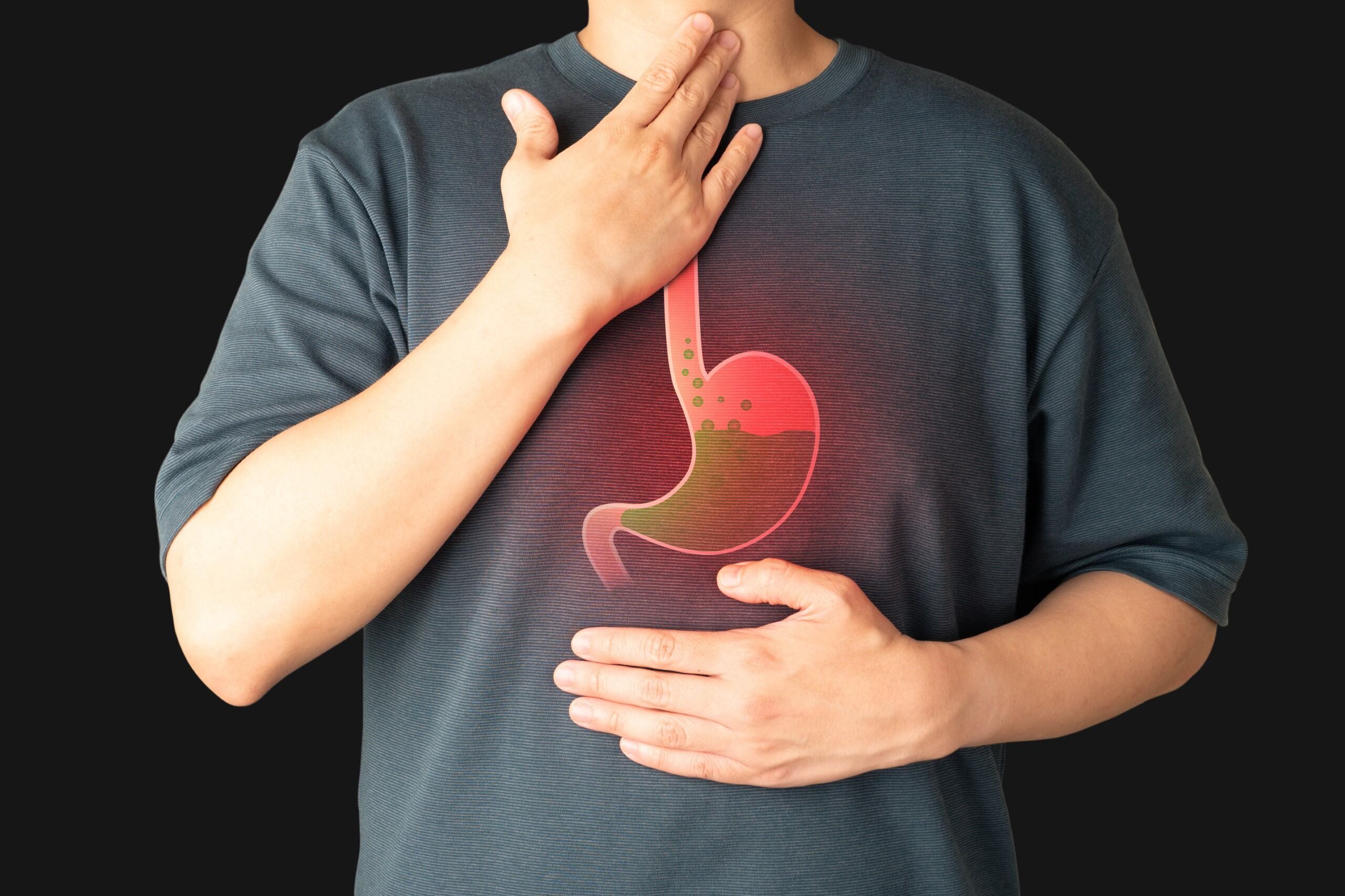
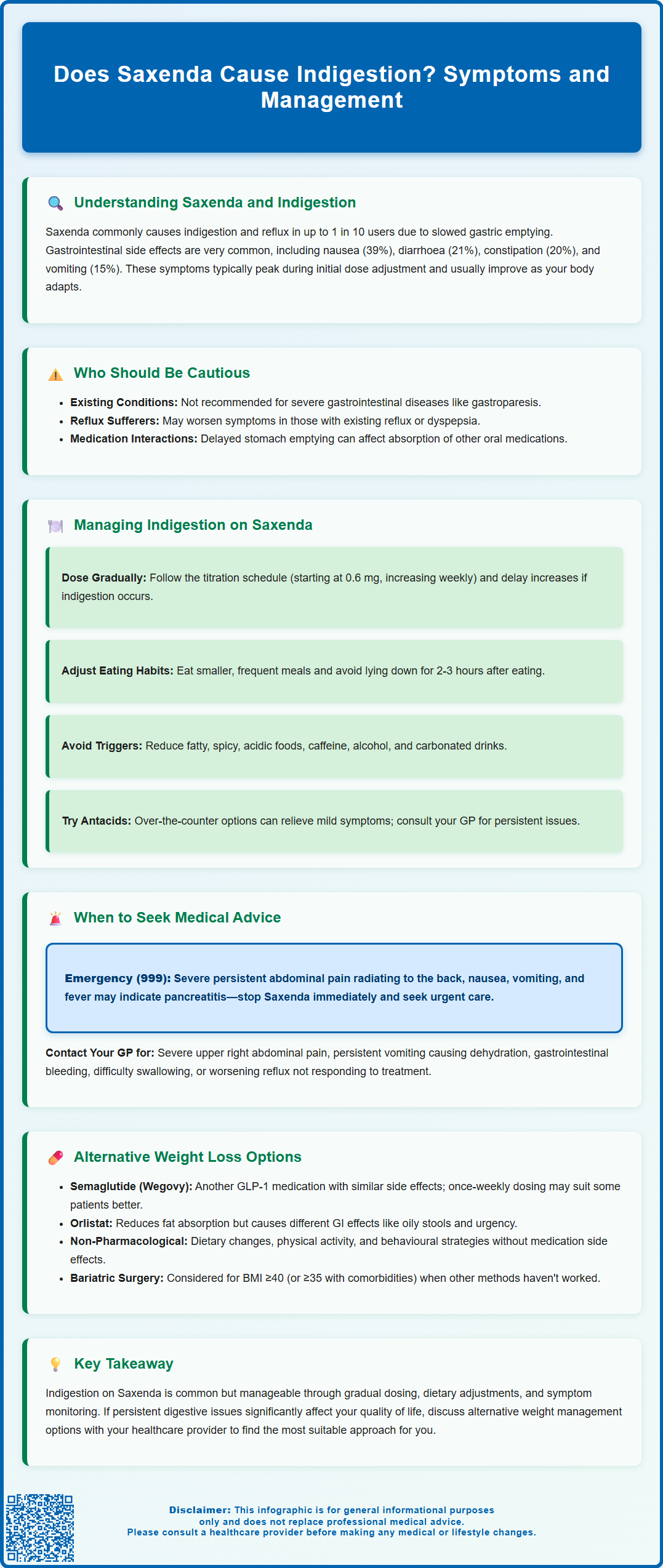
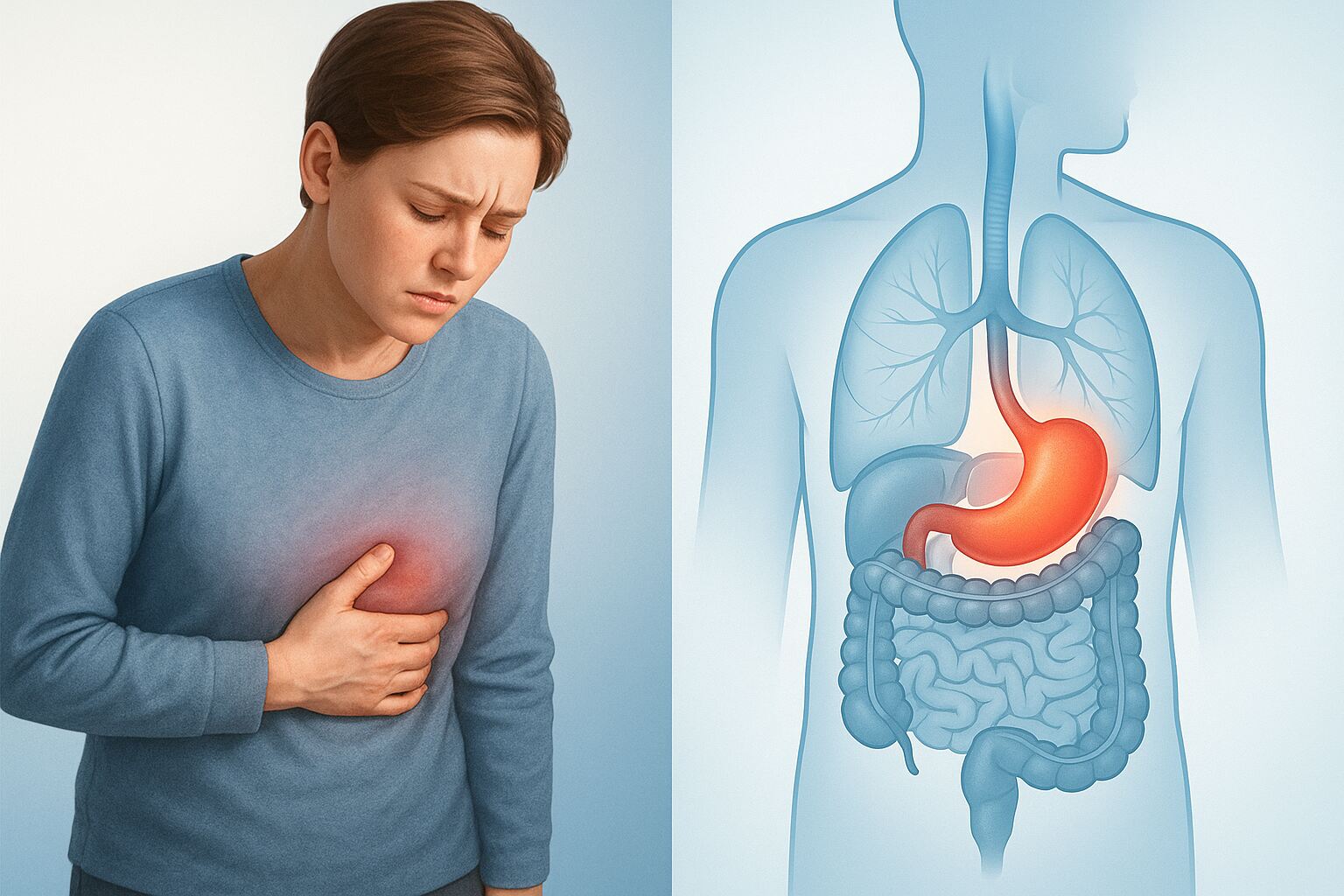
Acute indigestion, medically referred to as dyspepsia, is a common experience characterized by discomfort or pain in the upper abdomen. While often benign, the symptoms can sometimes mimic life-threatening cardiac or gastrointestinal emergencies. True mortality directly resulting from simple indigestion is rare, but the underlying conditions that present with similar symptoms can be fatal if left untreated or misidentified.
Distinguishing Indigestion from Serious Medical Emergencies
The term "indigestion" describes a collection of symptoms rather than a specific disease. It is frequently associated with functional dyspepsia, gastritis, or gastroesophageal reflux disease (GERD). However, because the nerves supplying the heart and the stomach share similar pathways to the brain, the pain perceived during a myocardial infarction (heart attack) is frequently mistaken for severe indigestion.
When an individual experiences sudden, intense, or persistent abdominal discomfort, the most critical step is to determine if the cause is truly localized to the gastrointestinal tract or if it represents a systemic emergency. Failure to distinguish between these leads to delayed interventions for conditions that carry a high risk of morbidity and mortality.
Primary Causes of Acute Abdominal Distress
Indigestion occurs when the digestive system faces irritation or an inability to process contents effectively. Common triggers include dietary indiscretions, rapid consumption of food, high-fat intake, or the consumption of carbonated beverages. However, when these symptoms are severe, they may stem from more complex physiological disruptions:
- Peptic Ulcer Disease: Erosion of the lining of the stomach or duodenum. While generally chronic, a perforated ulcer can lead to peritonitis—a life-threatening infection of the abdominal cavity that requires immediate surgical intervention.
- Gallbladder Pathology: Cholecystitis or gallstones often manifest as upper abdominal pain that can radiate to the back or shoulder, mimicking severe reflux or indigestion.
- Gastroesophageal Reflux Disease (GERD): Chronic acid exposure can lead to complications such as esophageal strictures or Barrett’s esophagus, though these are rarely immediately lethal.
- Myocardial Infarction: As noted, cardiac events frequently present as "epigastric burning" or a "heavy" sensation in the chest and upper abdomen, particularly in older adults and women.
Clinical Symptoms and Warning Signs
Identifying symptoms that necessitate professional medical evaluation is essential for patient safety. Typical indigestion involves bloating, early satiety, and mild burning. Conversely, "red flag" symptoms indicate that the underlying issue is significantly more severe than functional dyspepsia.
| Symptom Category | Mild Indigestion | Emergency Indicator |
|---|---|---|
| Pain Intensity | Mild to moderate, intermittent | Severe, constant, or crushing pressure |
| Radiation | Localized to epigastric region | Radiates to jaw, neck, left arm, or back |
| Associated Signs | Belching, slight nausea | Diaphoresis (sweating), dyspnea, pallor |
| Duration | Short-lived, post-prandial | Prolonged, persistent, or worsening |
| Systemic Impact | None | Syncope, confusion, shock |
If an individual experiences shortness of breath, unexplained profuse sweating, pain radiating to the left arm or jaw, or unexplained fainting, the situation should be treated as a cardiac emergency regardless of whether the patient "feels" like it is just indigestion.
Immediate Treatment and Management Steps
When managing acute indigestion, the approach depends on the severity and duration of the symptoms. For mild, non-emergency cases, simple modifications are often sufficient. However, for severe cases, immediate medical triage is the only appropriate course of action.
Initial Stabilization for Minor Symptoms
- Cease Intake: Immediately stop eating or drinking to allow the digestive system to rest.
- Positioning: Remain in an upright or semi-reclined position. Lying flat often exacerbates reflux and increases pressure on the diaphragm.
- Hydration: Sip water in small amounts only if nausea is absent. Avoid caffeine, alcohol, or acidic juices.
- OTC Assessment: Antacids containing magnesium or aluminum hydroxide may neutralize gastric acid temporarily. However, do not rely on these to mask symptoms that are worsening or persistent.
When to Seek Emergency Care
If the "indigestion" is accompanied by any of the aforementioned red flag symptoms, the individual must seek professional help immediately. In many jurisdictions, calling emergency services (such as 911 in the United States) is necessary to ensure rapid transport to a facility equipped to perform electrocardiograms (ECG) and blood tests for cardiac markers. Do not drive yourself to the hospital if you suspect a cardiac event.
Common Diagnostic and Clinical Protocols
Medical professionals use specific diagnostic paths to rule out lethal causes of dyspepsia. Initially, they will perform a physical examination to check for localized tenderness or rebound tenderness, which might suggest appendicitis or peritonitis.
To exclude heart conditions, an ECG is standard practice. If the patient is over 45 or has risk factors for cardiovascular disease, doctors prioritize cardiac enzyme testing. Once life-threatening causes are excluded, clinicians may investigate the digestive tract using endoscopy (EGD) to visualize the stomach lining, looking for ulcers, erosions, or evidence of Helicobacter pylori infection, a common bacterial cause of chronic and acute dyspeptic symptoms.
Professional Guidance and Long-term Prevention
Addressing the root cause of acute distress is the best defense against recurrence. If a diagnosis of GERD or peptic ulcer disease is confirmed, medical management usually involves a combination of lifestyle changes and pharmacological support.
- Pharmacology: Proton pump inhibitors (PPIs) and H2-receptor antagonists are frequently prescribed to reduce gastric acid production. These should only be taken under the guidance of a physician, as long-term use carries specific risks.
- Dietary Adjustments: Maintaining a food diary can help identify specific triggers such as spicy foods, high-fat meals, or citrus.
- Lifestyle Optimization: Smoking cessation is critical, as nicotine weakens the lower esophageal sphincter, increasing the risk of reflux. Elevating the head of the bed by six inches can also prevent nocturnal acid reflux symptoms.
Frequently Asked Questions
Can indigestion itself cause death?
No, simple indigestion is a functional or irritant-based condition and is not inherently fatal. However, death can occur if an individual ignores the symptoms of a serious medical condition—most commonly a heart attack—under the false assumption that the chest and abdominal discomfort is merely "indigestion."
How do I know if my chest pain is a heart attack or just heartburn?
There is no reliable way to differentiate the two based solely on personal assessment. If pain is associated with exertion, radiates to the left shoulder or jaw, causes cold sweats, or leaves you feeling short of breath, assume it is cardiac in nature and seek immediate medical evaluation.
Are there OTC medications that can cause more harm?
Overuse of NSAIDs (such as ibuprofen or aspirin) is a frequent cause of both gastritis and gastric ulcers, which can lead to life-threatening bleeding or perforation. If you have a history of stomach pain, discuss pain management options with a doctor to avoid these complications.
When should I see a doctor for recurring indigestion?
If you experience persistent indigestion that occurs more than twice a week, or if you find yourself requiring over-the-counter antacids daily, you should schedule a consultation. Persistent symptoms may indicate an underlying pathology such as an ulcer or a narrowing of the esophagus that requires specialized treatment.
Is it safe to wait and see if the indigestion passes?
If you have no underlying health conditions and the discomfort is mild, waiting a short period while resting is generally safe. However, if the pain persists for more than two hours, or if it is accompanied by unexplained weight loss, vomiting, or difficulty swallowing, you should seek a medical opinion regardless of how mild the pain feels.
Recommended Next Actions
If you are currently experiencing symptoms that you believe to be indigestion, monitor them closely. If they do not resolve within a short period or if you have any doubt regarding their origin, contact a healthcare provider or go to an urgent care facility. For those with frequent recurrence, prioritize scheduling an appointment with a primary care physician to discuss testing for H. pylori and to review your current medication list to ensure that no daily habits are exacerbating the condition. Prioritize your safety by erring on the side of caution whenever abdominal or chest discomfort is present.