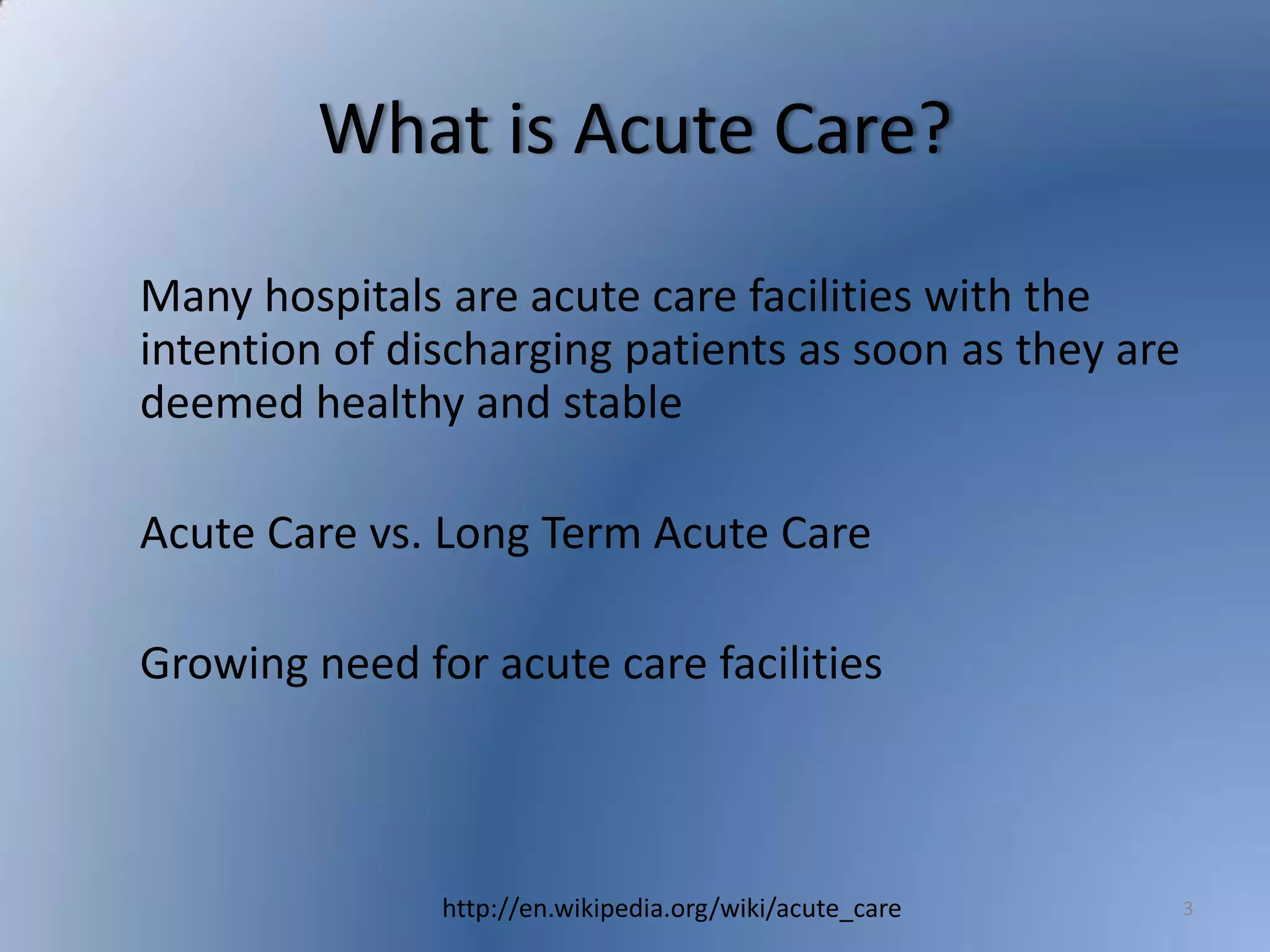
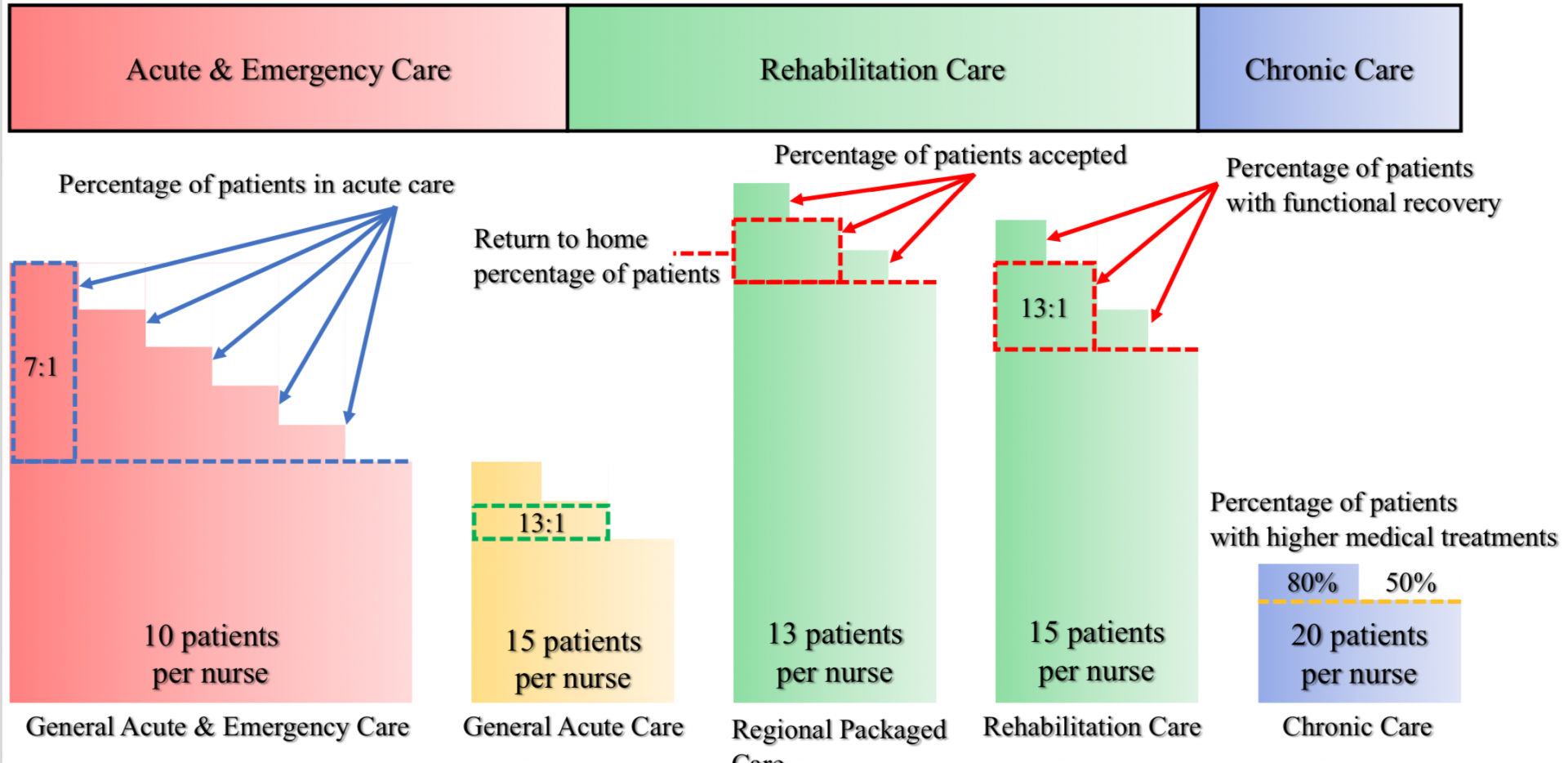
Acute care refers to a specialized branch of healthcare where patients receive active but short-term treatment for severe injuries, episodes of illness, urgent medical conditions, or recovery from surgery. It is designed to stabilize health, manage life-threatening complications, and facilitate a transition to lower-intensity care or home-based recovery once the patient’s condition is no longer critical.
The Defining Characteristics of Acute Care
Acute care is fundamentally defined by urgency and duration. Unlike chronic care, which focuses on the long-term management of persistent conditions like diabetes or hypertension, acute care focuses on the immediate intervention required for sudden health events. These events typically feature rapid onset, intense symptoms, and a potential for significant recovery or deterioration within a short timeframe.
The environment in which acute care is provided is highly controlled, often requiring sophisticated diagnostic equipment, such as computed tomography (CT) scanners and magnetic resonance imaging (MRI) machines, alongside a multidisciplinary team of specialists. This team usually includes emergency physicians, surgeons, anesthesiologists, and specialized nursing staff who are trained to respond to physiological instability in real-time. By concentrating these resources in a single setting, such as a hospital or an emergency department, the medical system can provide the intensity of monitoring required to manage acute physiological stress.
The Patient Journey and Levels of Intervention
A patient’s entry into the acute care system often begins with an emergency department (ED) visit or an urgent referral from a primary care provider. Once the patient is triaged, the intervention process follows a structured clinical pathway.
- Stabilization: The priority is to correct life-threatening imbalances, such as airway obstruction, hemodynamic instability, or acute respiratory failure.
- Diagnosis: Clinicians utilize laboratory testing and diagnostic imaging to identify the underlying cause of the acute event.
- Treatment: Depending on the diagnosis, this may involve surgical intervention, the administration of intravenous pharmaceuticals, or temporary organ support, such as mechanical ventilation.
- Transition: Once the patient is stabilized, they may move from the intensive care unit (ICU) to a general ward, or eventually to sub-acute care, rehabilitation, or home care.
Distinguishing Acute Care from Other Healthcare Services
It is common for patients to confuse acute care with other levels of medical provision. Understanding these distinctions is critical for choosing the appropriate facility and ensuring that healthcare resources are utilized efficiently. The following table highlights the operational differences between common care tiers.
| Care Category | Primary Goal | Typical Duration | Intensity Level |
|---|---|---|---|
| Acute Care | Rapid stabilization | Days to weeks | High (Continuous) |
| Primary Care | Preventative/Maintenance | Long-term | Low (Intermittent) |
| Sub-Acute Care | Post-acute recovery | Weeks to months | Moderate |
| Chronic Care | Symptom management | Ongoing/Lifelong | Variable |
Technical Considerations and Operational Constraints
Acute care is highly resource-intensive, necessitating strict adherence to clinical protocols and safety standards. In 2026, healthcare facilities operating under acute care mandates must comply with stringent regulatory requirements regarding staffing ratios and patient safety. Because acute care environments handle infectious diseases, complex trauma, and surgical complications, they are subject to rigorous infection control and quality assurance standards.
Operational efficiency in these settings is measured by metrics such as length of stay (LOS) and readmission rates. Reducing the LOS without compromising patient safety is a perennial goal in modern medicine, as it minimizes the risk of hospital-acquired infections and optimizes bed capacity for other patients requiring urgent intervention. Consequently, hospitals are increasingly adopting digital health monitoring and advanced predictive analytics to track physiological trends and predict potential setbacks before they necessitate an escalation in care.
When to Seek Acute Care
Seeking appropriate care is vital for safety. Acute care is intended for conditions that cannot be safely managed in a primary care setting. Common examples include, but are not limited to:
- Sudden and severe chest pain or suspected cardiac events.
- Compound fractures or severe trauma requiring orthopedic surgery.
- Acute abdominal pain that suggests conditions like appendicitis or bowel obstruction.
- Difficulty breathing or severe allergic reactions.
- High-fever complications or severe dehydration that does not respond to outpatient oral rehydration.
Patients with pre-existing chronic conditions should consult their primary care provider to understand which symptoms warrant an acute care visit versus a scheduled appointment. Misusing emergency services for non-acute issues can result in increased costs for the patient and fragmented care coordination.
Common Challenges in Acute Care Delivery
Despite advancements in medical technology, acute care delivery faces several systemic challenges. Staff burnout remains a significant concern, as the high-pressure environment requires constant vigilance and intense physical and emotional labor. Furthermore, as global populations age, the demand for acute services is increasing, putting a strain on existing hospital infrastructure.
Coordination of care also presents a technical hurdle. Moving a patient from an acute, hospital-based setting back into the community requires seamless communication between various practitioners. If the transition is poorly managed, the patient faces a higher risk of complications, which can lead to rapid readmission—a phenomenon frequently analyzed in clinical research. Robust discharge planning, which involves social workers, pharmacists, and home-care agencies, is the standard solution to bridge this gap.
Frequently Asked Questions
Is emergency care the same as acute care?
Emergency care is a subset of acute care. While all emergency care is acute, not all acute care occurs in the emergency department. For example, a patient admitted for a scheduled complex surgery is receiving acute care, but they did not necessarily pass through the emergency department.
How are acute care costs typically covered?
In most jurisdictions, acute care services are covered by a combination of public health insurance, private medical insurance, and individual out-of-pocket contributions. In 2026, patients are encouraged to verify their specific coverage benefits regarding inpatient versus outpatient emergency services, as policy deductibles can vary significantly between the two.
What happens after an acute care stay ends?
Once a patient is stabilized and no longer requires 24-hour medical surveillance, they are typically discharged. The next phase may involve home health services, a transition to a skilled nursing facility, or a return to routine outpatient care with a primary care physician to manage any ongoing needs.
Can chronic conditions be treated in an acute care setting?
Yes, but only during an acute exacerbation. If a patient with a chronic disease like COPD experiences an acute flare-up that threatens their immediate health, they are treated in an acute setting until the flare-up is resolved. After stabilization, the patient returns to the management of their chronic care team.
How do hospitals prioritize patients in acute care?
Triage is the process used to prioritize care based on clinical urgency. Patients with the most critical, life-threatening conditions are treated first, regardless of their arrival time. This ensures that resources are directed toward those with the highest immediate need for medical intervention.
Establishing Your Next Action
If you or someone in your care is experiencing symptoms that suggest an acute medical need, perform a brief evaluation of the severity. If the condition involves chest pain, severe difficulty breathing, uncontrollable bleeding, or loss of consciousness, seek immediate emergency assistance. For conditions that feel urgent but are not immediately life-threatening, contact your primary care provider or a recognized nurse advice line first; they can provide professional guidance on whether you should head to an urgent care center or a full-scale acute care facility. Always maintain an updated list of your current medications and known allergies to expedite your registration and treatment upon arrival at any medical facility.