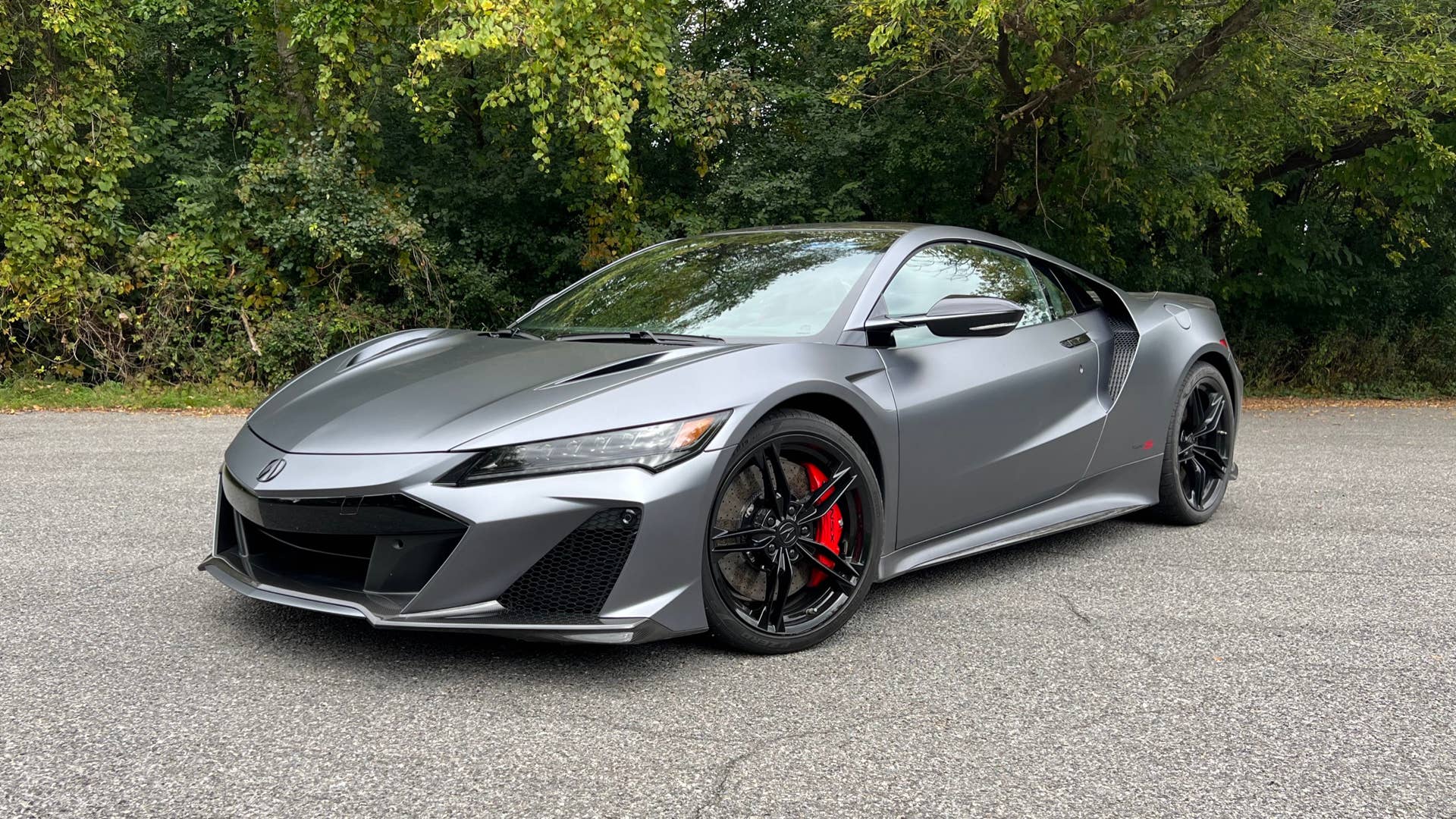
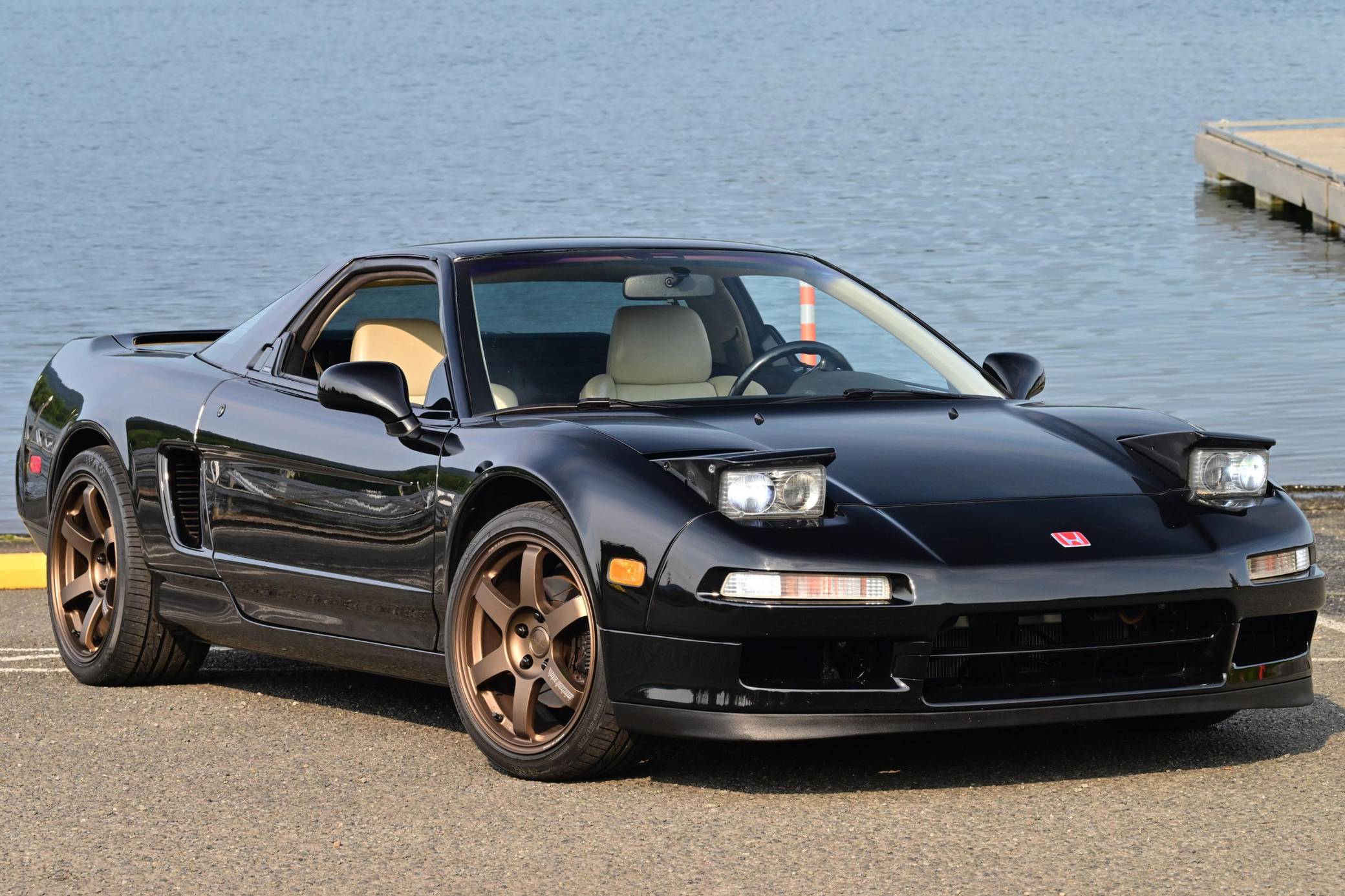
The Acura NSX is a mid-engine, hybrid-electric sports car that represents the pinnacle of Honda’s engineering capabilities. First introduced in 1990 and later reimagined as a second-generation hybrid supercar in 2017, the NSX is defined by its focus on "human-centered" performance, combining high-output electrification with precision handling to bridge the gap between daily-drivable luxury and track-ready capability.
The Genesis and Evolution of the NSX
The original Acura NSX, produced from 1990 to 2005, fundamentally shifted the global perception of sports cars. Before its arrival, high-performance vehicles were often associated with poor reliability and ergonomic sacrifices. Honda challenged this by introducing the world’s first production car with an all-aluminum monocoque chassis, combined with a V6 engine featuring VTEC (Variable Valve Timing and Lift Electronic Control). The car was famously refined with input from Formula One legend Ayrton Senna, focusing on chassis rigidity and driver feedback rather than raw horsepower alone.
In 2017, Acura revived the nameplate with the second-generation NSX. This iteration moved from a pure internal combustion engine (ICE) to a complex Sport Hybrid Super Handling All-Wheel Drive (SH-AWD) system. This powertrain utilized a twin-turbocharged V6 paired with three electric motors. The objective remained consistent with the original: creating a supercar that a driver could comfortably commute in, yet one that offered blistering performance when pushed on a circuit.
Technical Architecture and Powertrain Dynamics
The second-generation Acura NSX utilizes a sophisticated powertrain that relies on the synergy between combustion and electricity. At the core is a 3.5-liter twin-turbocharged V6 engine mounted longitudinally. This is paired with an Integrated Motor Generator (IMG) attached directly to the crankshaft, which assists with torque, regenerative braking, and smooth power delivery during gear changes.
On the front axle, two independent electric motors—Acura calls this the Twin Motor Unit (TMU)—provide "torque vectoring." This allows the car to send positive or negative torque to either front wheel independently, effectively pulling the car into corners and neutralizing understeer. This technical configuration allows for a driving experience that feels lighter and more agile than the car’s physical curb weight would suggest. The 9-speed Dual-Clutch Transmission (DCT) provides rapid shifts, ensuring that power delivery remains seamless across the rev range.
Comparing the Generations
To understand the trajectory of the NSX, it is helpful to contrast the two major production eras. While the philosophy of driver-centric design remains constant, the technological implementation has evolved significantly.
| Feature | First-Generation (1990–2005) | Second-Generation (2017–2022) |
|---|---|---|
| Chassis | All-Aluminum Monocoque | Multi-Material Space Frame |
| Powertrain | Naturally Aspirated V6 (C30/C32) | Twin-Turbo Hybrid V6 |
| AWD System | Rear-Wheel Drive | SH-AWD (Electric Front Axle) |
| Transmission | 5-speed Manual / 4-speed Auto | 9-speed Dual-Clutch |
| Driving Focus | Analog Feedback | Computational Precision |
The shift from manual, mechanical feedback in the 1990s to the computer-aided agility of the 2017 model illustrates the transition in automotive engineering toward software-defined performance.
Practical Considerations for Prospective Owners
Owning an NSX in 2026 places the enthusiast in a unique position. For the first-generation models, the challenge is primarily one of parts availability and specialized maintenance for the aluminum bodywork. Because these cars are now considered "modern classics," specialized independent shops are often the best resource for service, as many original dealership technicians may have limited experience with 1990s-era electronics.
For the second-generation NSX, ownership centers on the complexity of the hybrid battery system and the software interface. The hybrid battery, while robust, requires monitoring of cooling fans and software updates to ensure optimal performance of the electric motors. Prospective buyers should prioritize vehicles with documented service histories, specifically regarding the dual-clutch transmission fluid changes and the health of the high-voltage battery modules.
The Role of Aerodynamics and Materials
The engineering behind the NSX has always prioritized thermal management and downforce. In the second-generation model, the exterior design is dictated by the "Total Airflow Management" concept. Every intake, vent, and wing is functional, designed to channel air for three purposes: engine cooling, hybrid battery cooling, and aerodynamic downforce.
The use of "ablation casting" in the manufacturing process—a technique that allows for thinner aluminum castings than traditional methods—was instrumental in achieving the rigidity required for the second-generation model. This material science approach keeps the center of gravity low, which is a prerequisite for the car’s "Super Handling" characteristics. Owners should note that the body panels of both generations are specialized; collision repair requires certified body shops equipped to work with aluminum or carbon fiber, as these materials cannot be treated like standard automotive steel.
Frequently Asked Questions
Is the Acura NSX considered a reliable exotic car?
Yes. Compared to European counterparts of its time, the NSX has a reputation for high mechanical reliability. Its drivetrain components are derived from Honda’s broader engineering expertise, which emphasizes longevity and thermal efficiency. However, the cost of parts remains high due to the rarity of the components.
What is the most important maintenance item for a second-gen NSX?
Maintaining the 9-speed Dual-Clutch Transmission (DCT) fluid and ensuring the hybrid battery cooling system is free of debris are the most critical tasks. Because the car relies so heavily on the DCT for power delivery, neglect in this area can lead to significant drivetrain performance degradation.
Can the NSX be used as a daily driver?
The NSX was designed specifically to be "everyday usable." Unlike many supercars, it features adjustable suspension dampers that allow for a compliant ride in "Quiet" mode, and the cabin ergonomics are modeled after standard luxury vehicles rather than spartan race cars.
Does the NSX hold its value?
The first-generation NSX has seen significant appreciation as a collector’s item, particularly for manual-transmission models. The second-generation model has stabilized in value as a specialized hybrid performance vehicle, though it is viewed more as a piece of "modern engineering history" rather than a traditional high-volume collectible.
How do I verify if a used NSX has been serviced correctly?
Always request a comprehensive "Acura Dealer Service History" report using the Vehicle Identification Number (VIN). Furthermore, ensure the vehicle has undergone the necessary software recalls—common in the 2017–2020 production cycles—which are necessary for the hybrid system to function within factory specifications.
Next Actions for Enthusiasts
If you are considering the acquisition of an NSX, your next step should be to identify a local mechanic who specializes in either JDM (Japanese Domestic Market) classics or high-performance hybrid systems. Before finalizing a purchase, prioritize a pre-purchase inspection (PPI) at an authorized Acura dealer. Request a scan of all electronic control units (ECUs) to identify any history of battery cell imbalances or transmission sensor faults. By confirming the integrity of the electrical system, you ensure that the complex engineering that makes the NSX unique remains an asset rather than a liability.