The character of Catwoman, or Selina Kyle, remains one of the most enduring figures in the DC Comics mythos, evolving from a villainous burglar to a morally complex anti-heroine. Throughout decades of television and cinema, various actresses have donned the iconic mask, each bringing a unique interpretation to the feline force that challenges and complements the Dark Knight.
The Evolution of the Feline Icon
Catwoman debuted in the spring of 1940 in Batman #1. Created by Bill Finger and Bob Kane, the character was initially conceived as "The Cat," a jewel thief whose cat-burglar aesthetic relied more on charisma and guile than superhuman abilities. As the character transitioned from comic panels to live-action screen portrayals, the interpretation of her persona fluctuated based on the directorial vision and the societal context of the time.
The "feline force" is not merely about wearing a costume; it involves capturing the duality of Selina Kyle—a woman caught between the lawlessness of the criminal underworld and an attraction to the rigid, justice-driven morality of Batman. Understanding how these actresses interpreted this conflict is key to assessing their performances, as each actor’s approach highlights different facets of the character’s survival instincts and independence.
Early Interpretations: The 1960s Television Era
The first live-action portrayals were defined by the camp aesthetic of the 1966 Batman television series. Julie Newmar, Lee Meriwether, and Eartha Kitt established the foundation for the character's screen presence.
- Julie Newmar (1966–1967): Often cited as the definitive Catwoman of the era, Newmar emphasized the character’s playful, feline allure. Her portrayal was characterized by a sophisticated elegance and a predatory charm that established the standard for the character’s banter with Adam West’s Batman.
- Lee Meriwether (1966): Stepping in for the theatrical film, Meriwether provided a slightly more grounded performance while maintaining the comedic tone of the series. Her transition from television to film marked the first time the character was elevated to a feature-length cinematic narrative.
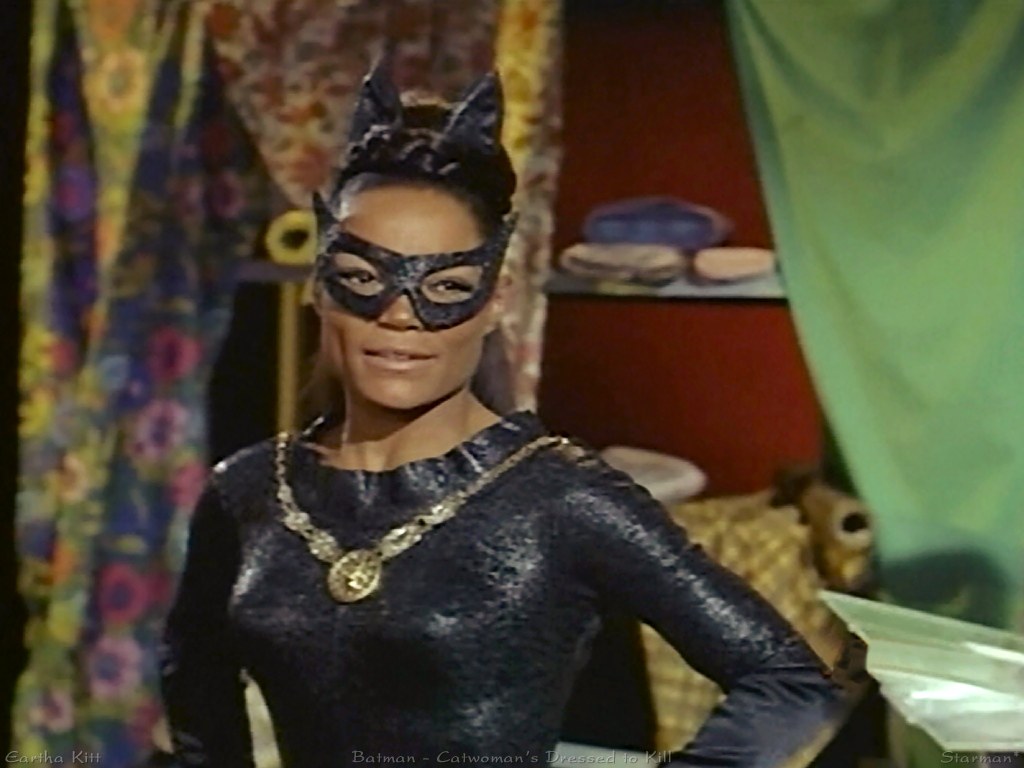
- Eartha Kitt (1967–1968): Kitt brought a distinct, rhythmic delivery and a sense of genuine danger to the role. By breaking the established mold of the previous performers, she introduced a sharper, more assertive iteration that resonated with the changing cultural landscape of the late 1960s.
The Gothic Revival: 1992
After a long hiatus from major live-action productions, the character returned in Tim Burton’s Batman Returns. Michelle Pfeiffer’s portrayal is frequently categorized as the most transformative version of the character in film history. Pfeiffer’s Selina Kyle was not merely a thief but a tragic figure reborn through a supernatural event involving cats. Her costume, a stitched-together latex suit, became an immediate visual shorthand for the character’s psychological fracturing. This iteration remains a benchmark for the balance between tragic vulnerability and dangerous empowerment.
Modern Realism and Nuance
The 21st century brought a shift toward grounded, character-driven narratives, reflecting a desire to understand the mechanics behind Selina Kyle’s skills and motivations.
- Halle Berry (2004): In a standalone film that deviated significantly from the traditional DC canon, the character Patience Phillips assumed the mantle of Catwoman. While the film took creative liberties with the character’s origin, it focused on the transformation from a timid artist to a liberated, powerful force, highlighting the theme of independence.
- Anne Hathaway (2012): In Christopher Nolan’s The Dark Knight Rises, Hathaway portrayed a pragmatic, street-smart survivor. Her Catwoman was defined by high-tech gadgetry and a tactical mindset, emphasizing the character's status as an expert thief operating within a realistic Gotham City.
- Zoë Kravitz (2022): In The Batman, Kravitz delivered a performance rooted in modern noir. Her Selina Kyle was defined by her survival instincts and her pursuit of justice for those overlooked by the system, marking a return to the character’s roots as a disenfranchised individual turning to crime as a means of agency.
Comparative Analysis of Key Performances
| Actress | Year(s) | Primary Tone | Defining Attribute |
|---|---|---|---|
| Julie Newmar | 1966-67 | Campy/Playful | Elegance |
| Lee Meriwether | 1966 | Comedic | Classic Charm |
| Eartha Kitt | 1967-68 | Assertive | Vocal Delivery |
| Michelle Pfeiffer | 1992 | Gothic/Tragic | Transformation |
| Halle Berry | 2004 | Stylized | Physicality |
| Anne Hathaway | 2012 | Tactical | Pragmatism |
| Zoë Kravitz | 2022 | Noir/Grounded | Moral Agency |
Choosing a Definitive Portrayal
There is no single "correct" version of Catwoman. The choice of a favorite performance often depends on what the viewer values in a character study. Those who prefer the high-fantasy elements of the source material may gravitate toward Michelle Pfeiffer’s transformative performance, while viewers who enjoy grounded, tactical realism may find more value in the portrayals by Anne Hathaway or Zoë Kravitz.
When evaluating these performances, it is important to consider the production year. The limitations of practical effects in the 1960s compared to the CGI and advanced costume engineering of the 2020s fundamentally altered what an actress could physically accomplish on screen. Each performer adapted to the requirements of their respective era, proving that the character’s resilience is as much a part of the casting process as it is part of the character’s internal logic.
Frequently Asked Questions
Did every actress portray Selina Kyle?
No. While most portrayals are based on the character Selina Kyle, Halle Berry played a character named Patience Phillips in the 2004 film. This was a unique narrative departure that did not follow the established comic book origin of Selina Kyle.
Which actress was the most comic-accurate?
Accuracy is subjective, as Catwoman’s look and personality in the comics have evolved since 1940. Julie Newmar is often cited as capturing the classic "cat-burglar" spirit of the 1960s comics, while Zoë Kravitz’s portrayal reflects the more serious, anti-heroine direction taken by DC Comics in the modern era.
Was the costume design a factor in these performances?
The costume is integral to the character’s identity. The transition from the simple leotards of the 1960s to the complex, functional armor seen in later films reflects a broader shift in cinema toward practical realism and character-specific world-building.
How did the character's relationship with Batman influence the acting?
The dynamic between Catwoman and Batman provides the primary conflict for the character. In performances where the relationship is antagonistic, the acting is sharper and more confrontational. Where there is a romantic tension, the performances often focus on themes of trust and potential redemption.
Are there other versions of Catwoman not mentioned?
Yes, voice actresses in animated series, such as Adrienne Barbeau in Batman: The Animated Series, have significantly influenced the character's cultural identity. This list focuses specifically on live-action film and television actresses.
Getting Started with the Catwoman Backlog
If you intend to explore these performances for yourself, the most effective approach is to watch the portrayals chronologically to witness the stylistic evolution. Start with the 1966 series for the foundational camp influence, progress to Batman Returns for the peak of 1990s gothic cinema, and conclude with The Dark Knight Rises or The Batman to observe the modern standard of grounded character acting. By viewing them in sequence, you can better appreciate the technical adjustments in costume design, stunt work, and thematic depth that define the legacy of the feline force.