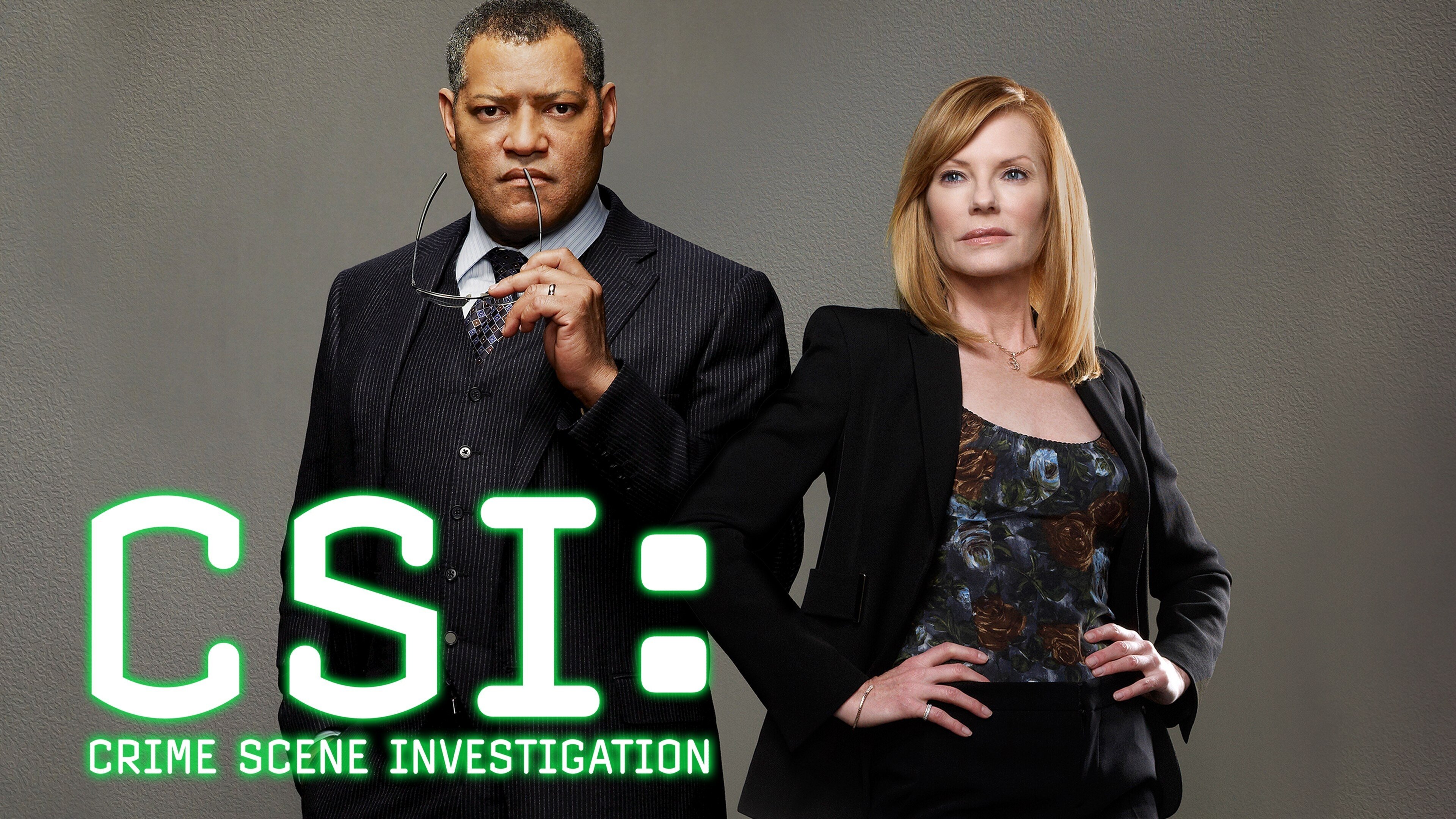
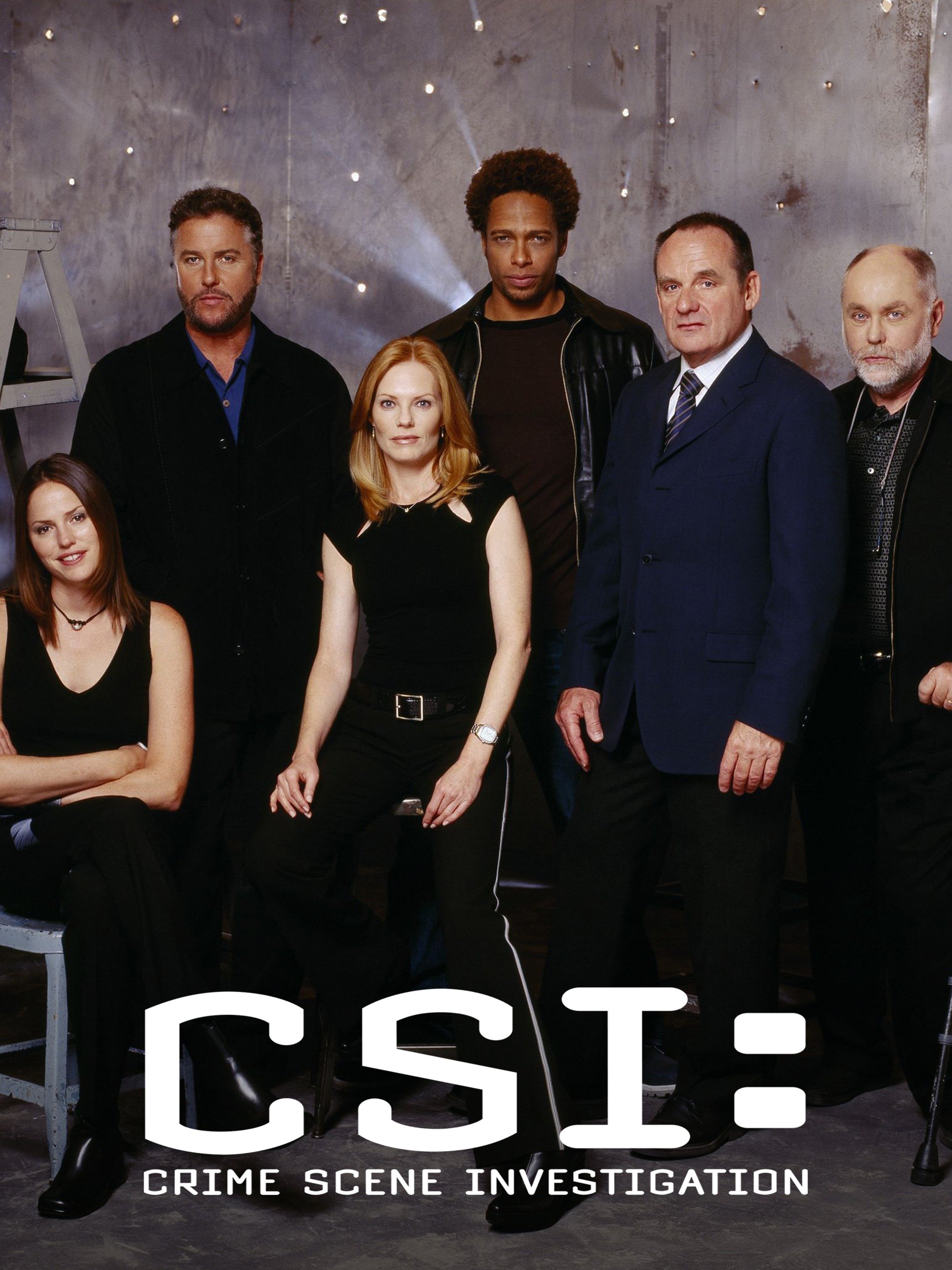
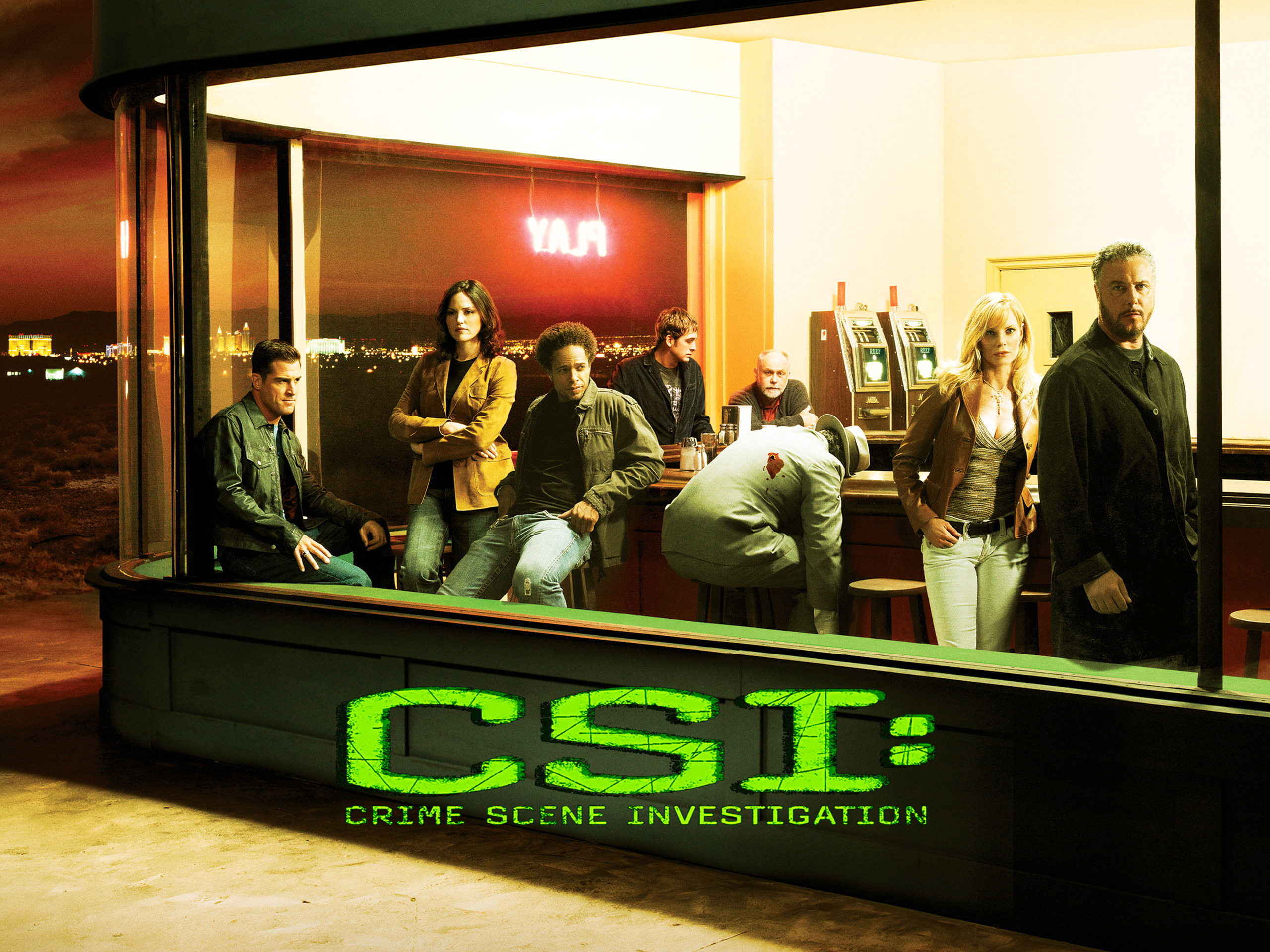
The legacy of the CSI franchise is built on its clinical approach to forensic science, but its enduring cultural impact relies heavily on the ensemble of actresses who populated the crime labs and interrogation rooms. Whether as series regulars grounding the narrative or as high-profile guest stars driving individual episodes, these performers bridged the gap between complex technical jargon and relatable human stakes, establishing a gold standard for female roles in procedural television.
The Evolution of Female Roles in the CSI Universe
When CSI: Crime Scene Investigation premiered in 2000, it shifted the focus of police procedurals from the "whodunit" of traditional detective shows to the "how-it-was-done" of forensic science. This shift necessitated a new breed of character: the highly specialized, intellectually formidable woman. Actresses like Marg Helgenberger, who played Catherine Willows, were instrumental in this transition. Willows provided a template for the modern forensic investigator—a professional who was as comfortable analyzing blood splatter as she was navigating the political machinations of the Las Vegas Metropolitan Police Department.
As the franchise expanded to CSI: Miami, CSI: NY, and CSI: Vegas, the archetypes evolved. The female leads moved beyond the "token woman" trope to become the moral and intellectual centers of their respective laboratories. By the time the franchise reached its later iterations, the expectation for these roles had shifted toward characters who possessed both high-level academic credentials and the gritty street smarts required to survive in high-tension environments.
Guest Stars and the Narrative Power of the Cameo
One of the most effective strategies utilized by the producers of CSI was the strategic casting of guest stars. These appearances often served as emotional anchor points for episodes. By casting well-known actresses—ranging from rising stars to established industry legends—in roles as witnesses, suspects, or victims, the show ensured that even the most technical "procedural" episodes possessed significant dramatic weight.
These guest appearances often functioned as high-stakes challenges for the series leads. When a high-profile actress appeared as a primary suspect, the interaction with the show’s regulars became a performance of intellectual sparring. This dynamic forced the audience to view the forensic scientists not just as lab technicians, but as multifaceted investigators capable of navigating complex psychological landscapes. It transformed the crime scene into a stage where character development occurred through the lens of forensic discovery.
Comparative Dynamics: Series Regulars vs. Guest Talent
The success of CSI relied on a carefully balanced hierarchy between permanent staff and rotating guest talent. Understanding the distinct roles each played reveals why the series remained a staple of television for over two decades.
| Feature | Series Regulars | Guest Stars |
|---|---|---|
| Primary Function | Narrative continuity, expertise anchoring | Conflict escalation, episodic plot hooks |
| Character Depth | Long-form arc, personal backstory | High-intensity, contained performance |
| Viewer Expectation | Reliability, technical mastery | Surprise, subversion of expectations |
| Interaction Focus | Inter-departmental chemistry | Adversarial or victimized dynamics |
Regulars were tasked with maintaining the "hard science" integrity of the show, providing the audience with a sense of security and continuity. Guest stars, by contrast, were often used to subvert this stability. When a guest star arrived, it frequently signaled that the science would not be enough to solve the case, forcing the lead actresses to rely on intuition, empathy, or moral judgment—qualities that kept the series from becoming purely academic.
Technical Requirements and Performance Authenticity
A distinct challenge for any actress joining the CSI world was the mastery of "technobabble." The dialogue was notoriously dense, requiring actors to deliver complex forensic findings—often involving DNA profiling, chromatography, or toxicology—with the ease of a seasoned professional.
Actresses on CSI had to cultivate a specific performance style: the "clinical objective." Even in scenes of high emotional intensity, the characters were required to maintain a level of detachment that allowed them to evaluate evidence objectively. The most effective performances occurred when an actress could signal to the audience that her character was hiding an emotional reaction behind a mask of professional, scientific rigor. This friction between the objective science and the subjective human experience is arguably the core engine of the entire CSI franchise.
Common Challenges in Forensic Procedural Acting
For performers entering the CSI universe, there are several recurring challenges that differentiate this genre from standard dramatic television.
- The Laboratory as a Character: Actors must perform in environments that are often dominated by clinical lighting, cold glass surfaces, and sterile color palettes. The set design itself is meant to be isolating, forcing the actors to project more nuance to remain engaging.
- Technical Credibility: The audience for procedural dramas often includes professionals from the fields depicted. Actresses must ensure that their handling of equipment—microscopes, mass spectrometers, or luminol sprays—looks authentic, or the suspension of disbelief is shattered.
- Pacing Constraints: Because the forensic process is inherently slow and methodical, but television requires a fast pace, actresses often had to perform under intense "time-jump" conditions where they would transition from collecting a sample to stating a conclusive result within a single scene.
- Emotional Containment: The "CSI" persona is built on suppressed emotion. Actors are challenged to show the "how" of a character’s internal life through micro-expressions rather than through broad, externalized dialogue.
Integrating Guest Stars into the Crime Scene
When a script calls for a high-profile guest star, the production team often leans into the "Crime Scene Star" dynamic to elevate the episode's profile. This is not just a promotional tactic; it is a narrative one. By bringing in a recognized face, the writers can immediately establish a character’s background or social status without needing ten minutes of exposition.
This efficiency allows the forensic narrative to begin almost immediately. The "star" becomes a catalyst for the investigation, often pushing the main forensic investigators into uncomfortable moral territory. In many instances, the interaction between the lead actresses—the keepers of the truth—and the guest star—the keeper of the secret—forms the climax of the episode. This interplay remains one of the most effective ways to maintain high ratings and audience engagement within the constraints of a rigid, formulaic format.
FAQ: Understanding the CSI Casting Legacy
Why did CSI frequently cast high-profile guest stars?
The show utilized guest stars to provide an emotional focal point for the forensic investigation. While the series regulars represented the objective truth, guest stars embodied the human tragedy or complex social dynamics that made each crime distinct, thereby keeping the procedural format from becoming repetitive.
Did actresses on CSI require special technical training?
While they were not required to be actual forensic scientists, actresses underwent briefings on how to handle laboratory equipment and were expected to memorize complex scientific terminology. The goal was to ensure that the technical aspects of the performance felt authentic enough to satisfy a discerning audience.
How did the character archetypes change across the franchise?
Early iterations like the original CSI emphasized the "technician-as-detective," focusing on the science. Later iterations, such as CSI: Vegas, emphasized more nuanced emotional backgrounds, reflecting the general shift in television toward more serialized, character-driven storytelling.
How did the presence of actresses influence the show's success?
The ensemble of talented actresses provided a necessary balance to the scientific focus. By grounding the forensic procedures in credible performances, the actresses made the "cold" science of the crime lab accessible and emotionally resonant for a broad audience.
What is the lasting impact of the CSI model on procedural television?
The model established that a procedural could be character-driven without sacrificing scientific rigor. It paved the way for modern shows that prioritize high-production-value depictions of specialized professions, maintaining a delicate balance between educational accuracy and high-stakes drama.
Next Steps for Fans of Forensic Procedurals
If you are interested in the specific history of these performances or are looking to explore the evolution of the genre, the best approach is to revisit the seminal episodes of the early 2000s, specifically those involving guest-heavy investigations. Comparing the pilot episode of the original CSI to the later seasons provides a masterclass in how acting styles shifted to accommodate the show’s increasing technical depth. For those researching the careers of specific actresses who graced the CSI laboratories, cross-referencing episode guides with current acting credits in 2026 will reveal how this franchise served as a pivotal training ground for many of the industry's most recognizable names.