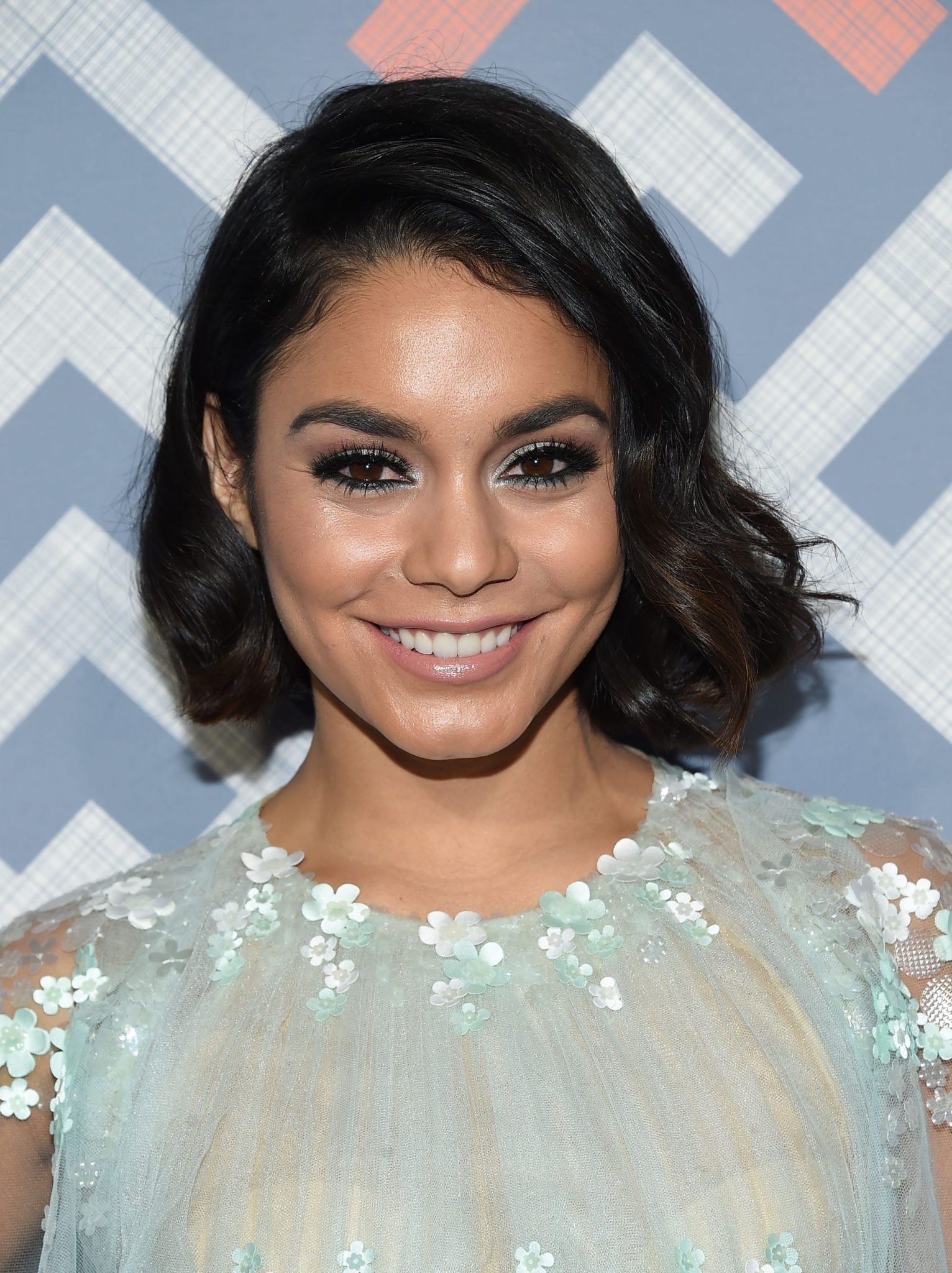
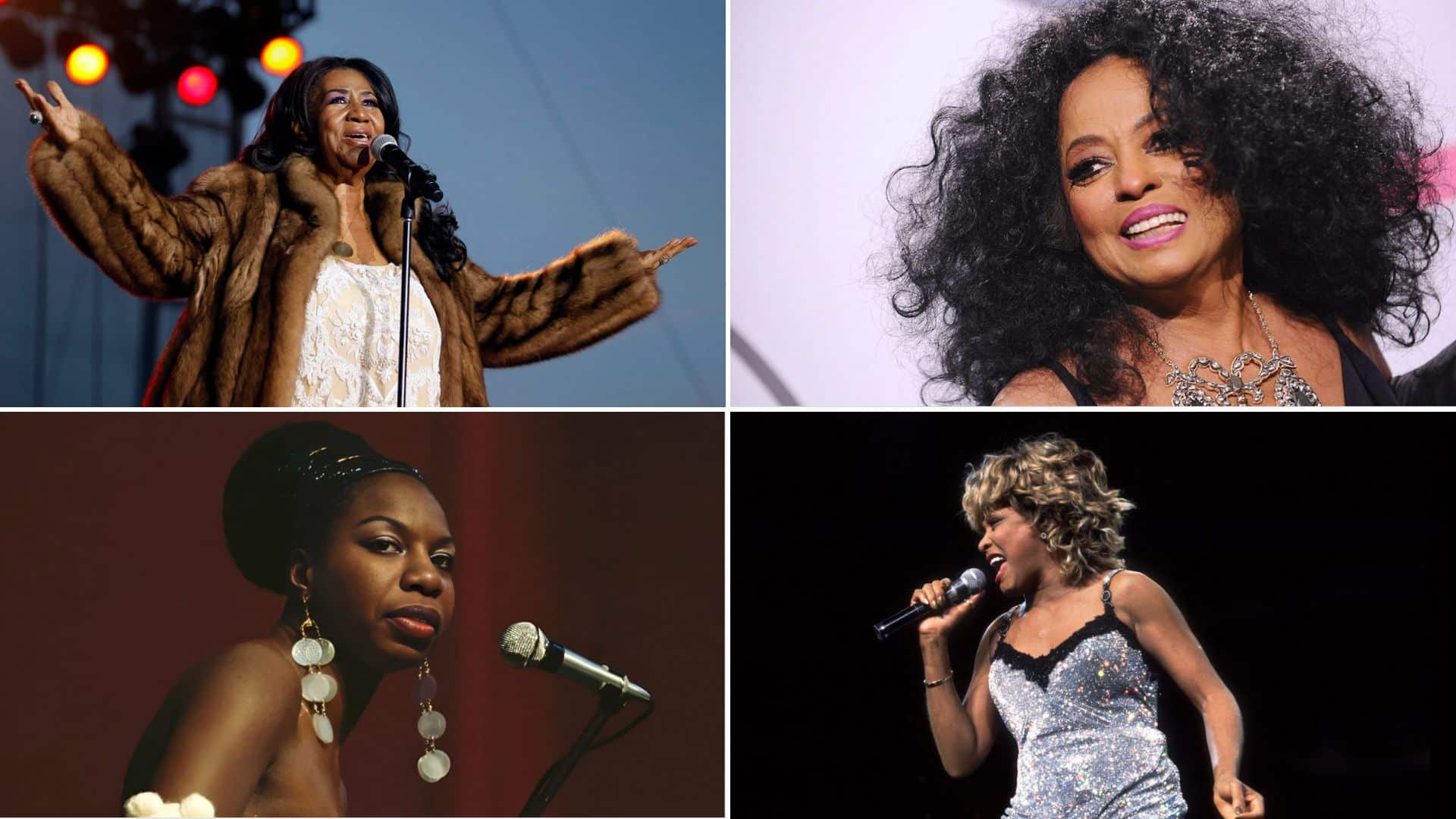
An actress and singer is a versatile performing artist who is professionally trained and actively working in both the theatrical or cinematic arts and the vocal music industry. This dual-threat professional navigates distinct training regimens, audition processes, and career management strategies across both fields to establish longevity in entertainment.
Defining the Dual-Threat Performer in Modern Entertainment
The intersection of acting and singing forms a unique cornerstone of the entertainment industry. A dual-threat performer is someone who does not merely dabble in a secondary hobby but maintains professional competency, technical training, and commercial viability in both disciplines. In historical contexts, triple-threat performers—those who also dance—frequently dominated musical stages, but the specific combination of actress and singer remains a powerhouse archetype in Hollywood, Broadway, West End theater, and the global pop music market.
Navigating this hybrid career requires managing two distinct professional identities that often operate under different business models. The acting industry relies heavily on visual casting, character analysis, script interpretation, and dramatic timing. Conversely, the music industry focuses on vocal timbre, studio recording capabilities, songwriting, pitch accuracy, and live stage presence. When these two skill sets converge in a single artist, they unlock specialized opportunities in musical theater, animated voice acting, live-action musical films, and crossover pop stardom.
Core Training and Technical Requirements
Sustaining a career as both an actress and a singer demands rigorous, lifelong technical training in two vastly different domains. Vocal performance requires meticulous physical maintenance. Singers must understand vocal anatomy, breath support, resonance, and register blending (such as transitioning between chest voice and head voice). Depending on their genre—whether musical theater belting, classical opera, or contemporary commercial music (CCM)—singers must adapt their vocal placement to prevent strain and vocal cord damage.
Simultaneously, dramatic training requires deep immersion in text analysis, emotional availability, physical movement, and voice-and-speech articulation. An actress must learn how to sustain emotional intensity across multiple takes on a film set or project her voice naturally across a 2,000-seat theater without amplification failure. Furthermore, the convergence of these disciplines demands exceptional multitasking skills. Performers must learn how to act through a song, ensuring that lyrical delivery carries dramatic intent rather than functioning merely as a musical interlude.
| Discipline | Core Technical Focus | Primary Output Media | Daily Maintenance Requirements |
|---|---|---|---|
| Acting | Text analysis, emotional range, physical blocking | Film, television, stage plays | Script reading, scene study, monologue rehearsal |
| Singing | Pitch accuracy, breath support, vocal health | Studio albums, live concerts, cast recordings | Vocal warm-ups, hydration, range exercises |
| Combined | Acting-through-song, microphone technique, choreography | Musical theater, musical biopics, music videos | Combined cardiovascular endurance and vocal coaching |
Career Pathways and Industry Segments
The professional landscape for an actress and singer offers several distinct career trajectories, each with its own entry barriers and market demands. Choosing the right pathway dictates how an artist markets themselves to agents, casting directors, and record labels.
Musical Theater and Stage Performance
The West End and Broadway represent the most natural habitat for the dual-threat performer. In musical theater, an artist must act out complex character arcs while simultaneously delivering vocally demanding songs eight times a week. Stage performers must possess immense physical stamina and the ability to project emotion to the back row of a theater while maintaining pristine vocal health under grueling performance schedules.
Film, Television, and Soundtracks
On-screen opportunities frequently arise in musical biopics, television series with musical premises, and animated feature films. Voice acting for animation relies entirely on vocal flexibility to convey physical and emotional states without visual cues, making skilled actor-singers invaluable for Disney, Pixar, and major studio animated projects. Additionally, dramatic actresses are often tapped to record soundtrack singles for the films they star in, creating synergistic marketing loops between their cinematic and musical outputs.
Crossover Pop Stardom
Many artists begin their journeys as actresses in television sitcoms or teen dramas before transitioning into global pop stardom, or vice versa. This pathway requires navigating two entirely different sets of gatekeepers: theatrical casting directors and A&R (Artists and Repertoire) executives at record labels. Crossover artists often face skepticism from industry traditionalists who question their authenticity in one medium or the other, making consistent delivery of high-quality work essential for credibility.
Navigating Auditions and Representation
Securing professional work as an actress and singer requires a multi-pronged approach to representation and self-marketing. Unlike performers who specialize in a single niche, dual-threat artists must maintain separate yet complementary portfolios.
- Theatrical Representation: Securing a theatrical agent who submits the performer for film, television, and straight theater auditions.
- Commercial and Voiceover Agents: Retaining specialized agents for singing commercials, voice acting, and promotional vocal work.
- Music Management: Partnering with music managers or independent distributors for digital streaming releases, publishing rights, and concert booking.
Audition rooms for dual-threat performers present unique logistical challenges. A musical theater audition, often called an "cattle call" or open call, requires the performer to bring a 16-to-32-bar cut of a song that matches the style of the show, accompanied by a professional headshot and a performance resume. The resume itself must be carefully formatted to highlight both acting credits (film, TV, theater) and musical accomplishments (vocal range, instruments played, studio albums, vocal training).
Common Challenges and Professional Pitfalls
Balancing two demanding careers exposes artists to specific professional and physical risks that can derail long-term longevity. Recognizing these pitfalls helps performers build sustainable habits.
- Vocal Strain and Burnout: Combining the vocal demands of singing tour dates with the grueling schedule of shooting a television series frequently leads to vocal fatigue or node development.
- Typecasting and Industry Perception: Traditional film executives may view a pop-singer-turned-actress as a novelty act, making it difficult to secure gritty, dramatic roles without extensive auditioning to prove theatrical capability.
- Scheduling Conflicts: Major music tours and principal photography on film sets often demand identical blocks of time, forcing artists to turn down lucrative opportunities in one medium to honor commitments in the other.
Managing Dual-Identity Branding
In the modern digital landscape, personal branding dictates how audiences and industry decision-makers perceive an artist's primary value. An actress and singer must curate their public image to ensure that neither discipline undermines the other. If an artist releases pop music that drastically conflicts with the prestige dramatic roles they pursue on screen, casting directors may struggle to visualize them in serious dramatic narratives.
Conversely, record labels look for distinct sonic identities and dedicated listener bases on streaming platforms. Artists must balance social media presence across platforms like Instagram and TikTok, showcasing both behind-the-scenes studio sessions and professional headshots or red-carpet appearances. Maintaining a cohesive aesthetic while servicing two distinct fanbases requires strategic public relations management and clear communication regarding upcoming projects.
Maximizing Long-Term Career Longevity
To build a lasting legacy as both an actress and a singer, performers must continuously adapt to shifting industry technologies, distribution models, and audience tastes. Diversifying income streams—through live touring, royalty collection from streaming, commercial voiceover work, and theatrical residuals—protects artists against the volatile nature of the entertainment business. Investing in continuous education, whether through advanced vocal pedagogy or intensive masterclasses in dramatic method, ensures that the performer's artistic toolkit remains sharp and competitive across changing decades.