The 1994 film Pulp Fiction, directed by Quentin Tarantino, remains a definitive work of independent cinema, noted for its non-linear narrative and stylized dialogue. The film features a complex ensemble cast where female characters drive critical plot points, influence character motivations, and anchor the film’s moral and chaotic atmosphere. Understanding these profiles requires looking at the interplay between the archetypal "damsel," the criminal associate, and the independent operator within Tarantino’s hyper-stylized version of Los Angeles.
The Cultural Impact of Mia Wallace
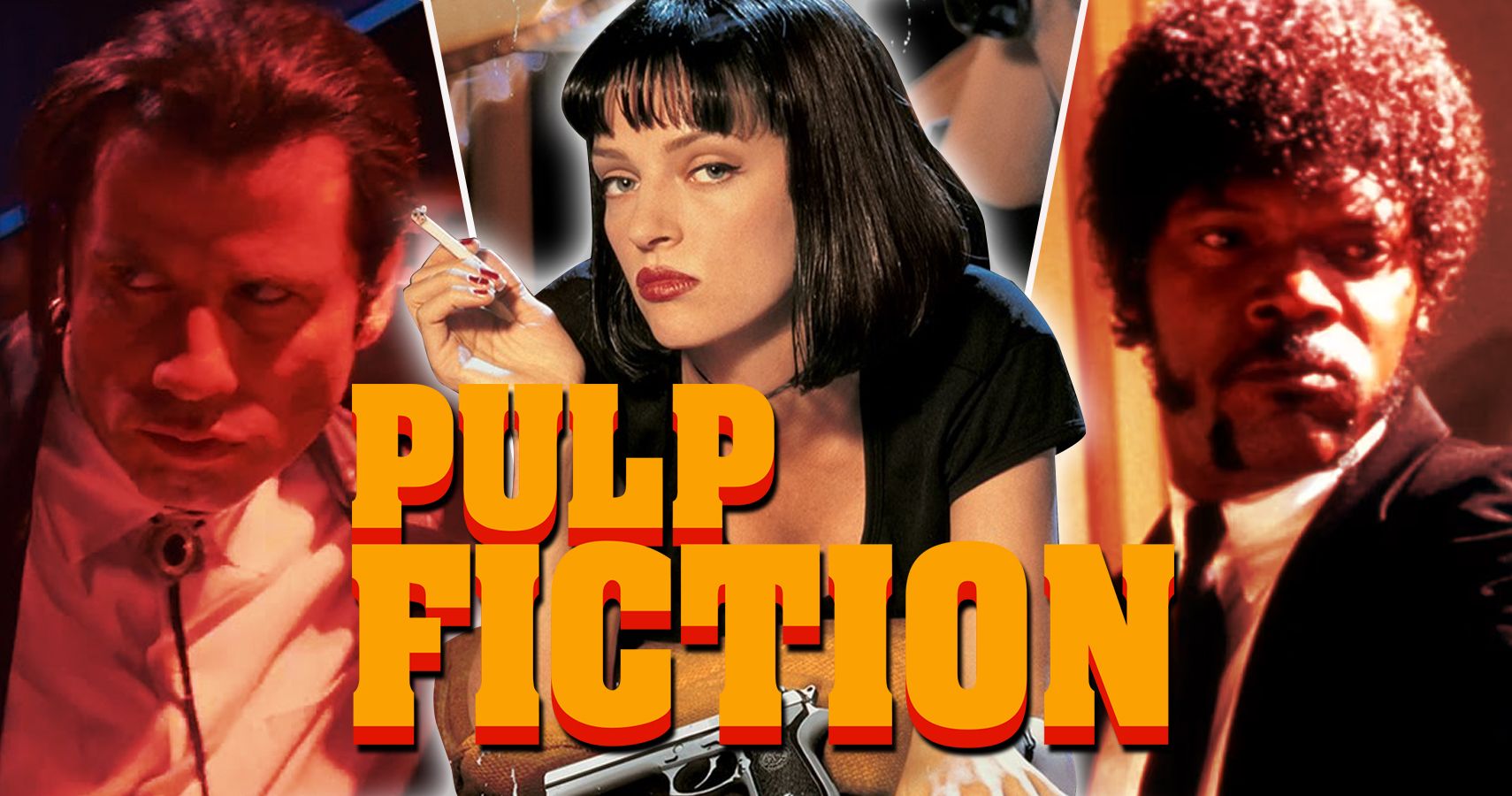
Mia Wallace, portrayed by Uma Thurman, stands as the most iconic female figure in Pulp Fiction. As the wife of mob boss Marsellus Wallace, her role transcends the trope of a passive trophy wife. Her profile is defined by an aura of mystery, autonomy, and the danger associated with her husband's status. Mia acts as the catalyst for the "Vincent Vega and Mia Wallace" segment of the film, where her overdosing incident and subsequent recovery force the character of Vincent to navigate the tension between his personal desires and his professional obligations to his employer.
The character’s significance is cemented by her "dinner scene" with Vincent. Through this sequence, the audience learns of her past failed attempts at acting—specifically her role in a pilot titled Fox Force Five—which offers meta-commentary on the nature of television and the industry’s treatment of women. By grounding the character in a failed career, Tarantino imbues her with a human desperation that contrasts sharply with her opulent lifestyle.
The Professionalism of Honey Bunny and Esmeralda Villalobos
While Mia Wallace represents the high-stakes world of the criminal elite, other actresses in the film define the unpredictability of the street-level criminal landscape. Amanda Plummer, who plays Yolanda (famously known as "Honey Bunny"), establishes the film’s narrative framework during the opening diner robbery. Her role is that of a volatile, high-strung partner who oscillates between calculated violence and frantic hysteria. Her presence serves to disrupt the audience’s sense of security, effectively bookending the movie with the same intensity that characterizes the interior segments.
In contrast, Maria de Medeiros portrays Fabienne, the girlfriend of the boxer Butch Coolidge. Fabienne is depicted as a softer, more domestic presence whose primary struggle involves her desire for a potbelly and her frustration with Butch’s erratic schedule. Her role provides a critical counterpoint to the violence surrounding the film; she represents the "normal" life that Butch is attempting to escape toward. Her unintentional role in jeopardizing Butch’s escape plan highlights the film’s recurring theme that even minor, non-malicious actions can result in catastrophic outcomes within this criminal universe.
Minor Roles and Narrative Texture
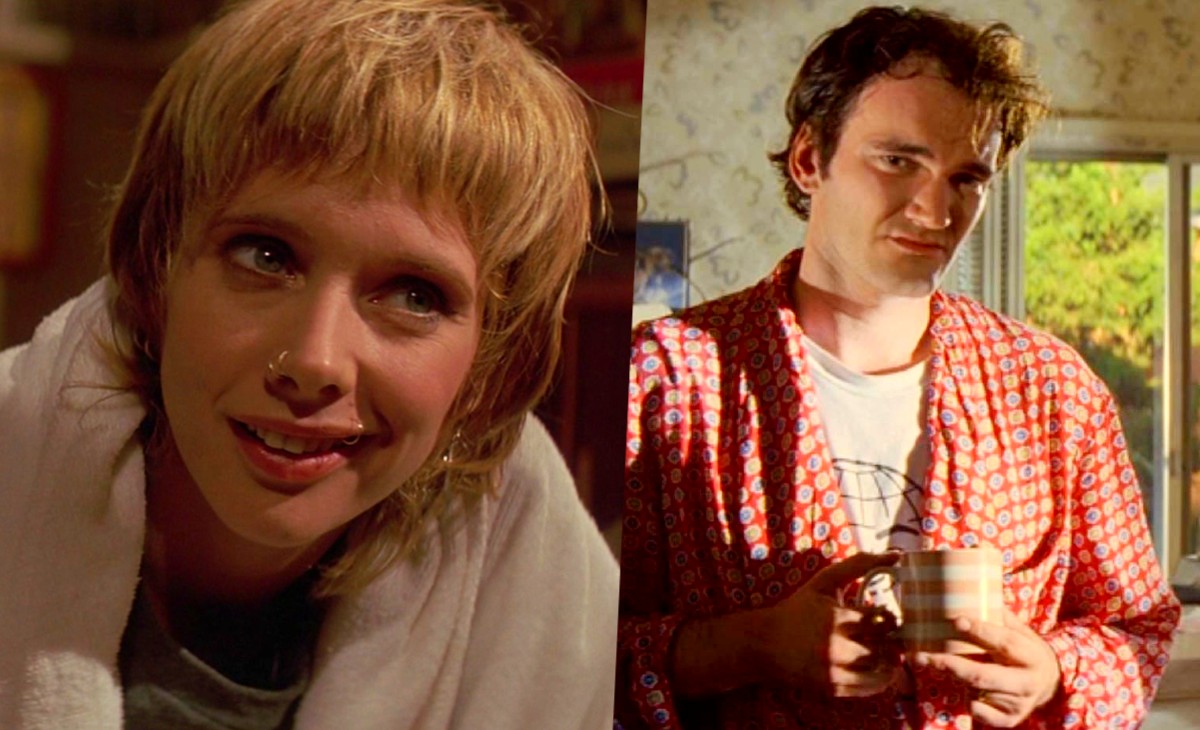
The fabric of Pulp Fiction is stitched together by smaller, yet impactful roles. Characters like Jody (Rosanna Arquette), the body-pierced girlfriend of Lance, provide an ironic look at the subcultures that intersect with the film’s criminal underworld. Jody’s role is that of an observer and enabler; she is peripheral to the central violence but integral to the "realism" of the film’s setting. Similarly, the roles of various waitresses and background figures contribute to the lived-in, tactile quality of the settings, particularly in the diner and the bar scenes.
Comparative Summary of Primary Female Roles
| Character | Portrayed By | Narrative Significance |
|---|---|---|
| Mia Wallace | Uma Thurman | The central catalyst for internal tension; symbolic of the mob boss's vulnerability. |
| Honey Bunny | Amanda Plummer | The harbinger of violence; defines the start and end of the non-linear structure. |
| Fabienne | Maria de Medeiros | Represents the domestic anchor; provides human stakes for Butch’s arc. |
| Jody | Rosanna Arquette | Offers a glimpse into the counter-culture periphery of the criminal world. |
Thematic Role Analysis
The female roles in Pulp Fiction are often categorized as either domestic, professional, or peripheral. This classification reveals how Tarantino utilizes female characters to highlight the moral ambiguity of his male protagonists. Mia Wallace is never simply a victim; she is an agent of chaos who challenges Vincent Vega’s professional detachment. Fabienne is never just a sidekick; she is the burden of responsibility that forces Butch to confront his past and his survival instincts.
The technical depth of these roles lies in how they avoid being "rewarded" or "punished" by standard narrative arcs. They exist as autonomous entities within the film’s structure. Unlike traditional films of the early 1990s, where female roles often functioned solely as plot devices or romantic interests, the women in Pulp Fiction are active participants in the film’s chaotic causality. They possess their own agency, quirks, and anxieties, which makes them as integral to the film's legacy as the hitmen and boxers who share their screen time.
Challenges in Character Interpretation
Critics have often debated whether these profiles rely on exploitation or empowerment. It is important to view these characters through the lens of the film's 1994 release context. The portrayals utilize irony and pastiche, drawing from film noir and exploitation cinema. When analyzing these characters today, one must separate the stylized, often exaggerated nature of the performances from the underlying narrative functions. For instance, Honey Bunny’s explosive behavior is a stylistic choice intended to heighten the tension of the diner sequence, rather than a psychological profile of a real-world criminal.
Practical Insights for Film Students and Analysts
For those studying the film, it is essential to focus on how the actresses use silence and reaction as much as dialogue. Uma Thurman’s portrayal relies heavily on gaze and posture to convey the power dynamics between her and Vincent. Maria de Medeiros uses a soft-spoken, distracted quality to emphasize Fabienne’s detachment from the violent life Butch leads. Analyzing these non-verbal cues provides a more accurate understanding of the character profiles than focusing solely on the screenplay’s witty dialogue.
Frequently Asked Questions
Why is Mia Wallace considered a pivotal role in the film?
Mia Wallace is the narrative engine of the film's longest segment. Her actions directly lead to the crisis of conscience faced by Vincent Vega. She is not merely a mob boss's wife; she is an active character who dictates the pace of the second act.
How does the character of Fabienne influence the plot?
Fabienne is the ultimate source of conflict in Butch’s arc. Her forgetfulness regarding his gold watch forces Butch back into the path of danger, ultimately setting up the climactic confrontation with Marsellus Wallace.
What does the diner robbery add to the film's structure?
The diner robbery provides a frame for the entire narrative. By placing the volatile "Honey Bunny" at both the beginning and the end, the film suggests that the violence is cyclical and omnipresent, occurring even in mundane settings.
Are the female roles in Pulp Fiction realistic?
The roles are highly stylized, drawing on cinematic archetypes rather than realism. They are designed to fit the heightened, hyper-literate reality of a Tarantino film, where personality and aesthetic matter more than traditional character arcs.
What is the significance of the Fox Force Five reference?
The reference serves as a meta-textual comment on the film industry. It highlights the commodification of women in media while giving Mia Wallace a backstory that explains her current cynical outlook on life and celebrity.
Next Steps for Further Study
To deepen your understanding of these roles, consider reviewing the original screenplay alongside the final edit. Note the differences between the written stage directions and the final performances, as this reveals how the actresses—particularly Uma Thurman—added nuance to the scripted dialogue. Comparing these profiles to other women in 1990s crime dramas will further illustrate why Pulp Fiction remained a distinct outlier in its approach to character-driven suspense.