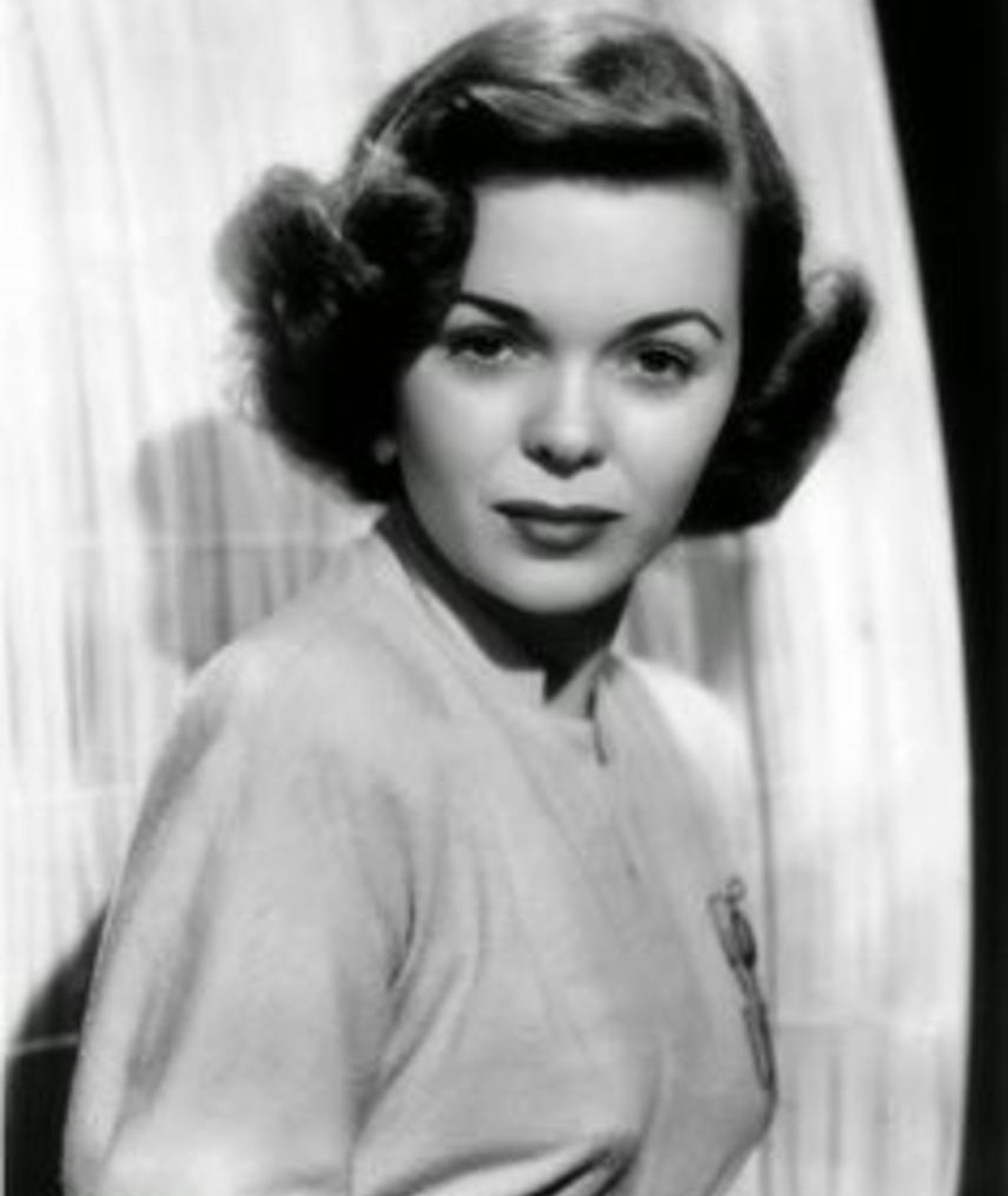
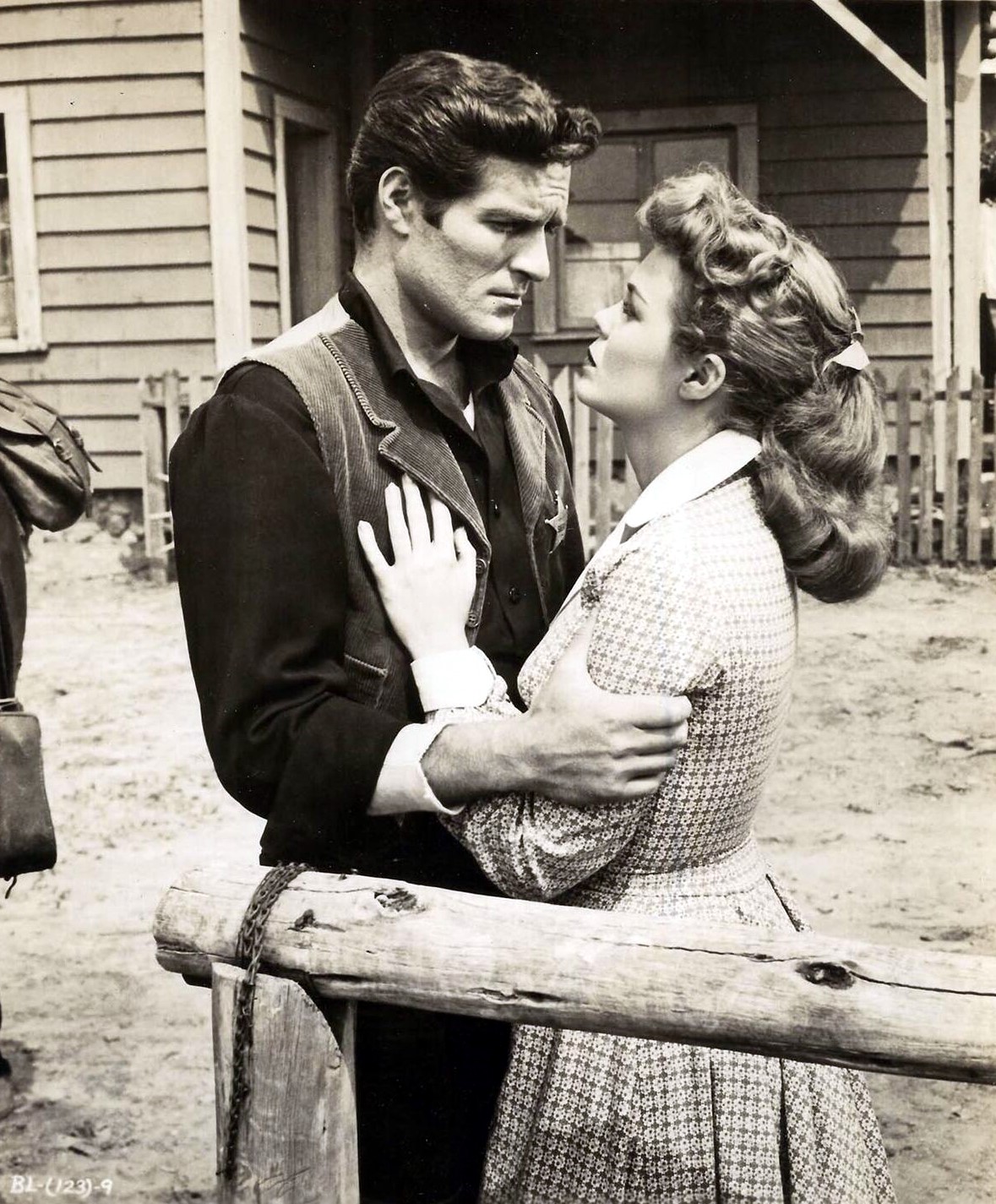
Nancy Gates was a prominent American actress whose prolific career spanned from the late 1930s to the 1960s. Known for her versatility across film and television, she became a familiar presence in the Golden Age of Hollywood, appearing in notable Westerns, dramas, and mystery serials. Her legacy remains defined by her steady professional presence and her contributions to mid-century entertainment.
Early Life and Entry into Hollywood
Born on February 1, 1926, in Dallas, Texas, Nancy Gates demonstrated an early interest in the performing arts. Her path to Hollywood was characteristic of the era’s studio system recruitment. After participating in local theatrical productions and school programs during her youth, she was spotted by talent scouts who recognized her potential for the silver screen. She moved to California while still in her teens, signing a contract with RKO Radio Pictures.
In an era where the studio system often dictated the trajectories of young performers, Gates quickly adapted to the rigorous demands of film production. Her youth allowed her to take on roles in various B-movies and features that served as the training ground for many of Hollywood’s most enduring stars. By the early 1940s, she was already building a portfolio that showcased her ability to move between genres, a skill that would sustain her career for three decades.
A Versatile Filmography: The RKO Years and Beyond
During the 1940s and 1950s, Nancy Gates developed a reputation for being an indispensable character actress and a frequent leading lady in Westerns. Her filmography reveals a deep integration into the culture of the studio system. While she may not have occupied the same rarefied tier of superstardom as contemporaries like Elizabeth Taylor, her career volume was significant.
She worked alongside some of the most iconic figures of the time. In 1954, she appeared in the Western Them!, a science-fiction classic that utilized her talent for grounded, realistic performances in high-concept scenarios. Her ability to hold her own against established stars made her a go-to choice for casting directors seeking credibility and professionalism on set.
Notable Film Roles and Collaborations
The following table highlights key aspects of her professional transition from the studio system to independent projects, showcasing the breadth of her work during her peak years.
| Production Year | Title | Role / Genre Significance |
|---|---|---|
| 1942 | The Great Gildersleeve | Early studio contract exposure |
| 1953 | City Beneath the Sea | Adventure/Drama leading role |
| 1954 | Them! | Sci-Fi/Drama supporting role |
| 1956 | World Without End | Sci-Fi/Adventure |
| 1958 | Some Came Running | Notable performance in a major drama |
This progression from early RKO pictures to mid-century dramas illustrates a steady refinement of her craft. Rather than relying on a singular "type," Gates balanced the demands of Western heroines with more complex characters in prestige films, such as her role in the Vincente Minnelli-directed Some Came Running.
The Transition to Television
As the film industry underwent seismic shifts in the 1950s due to the rise of home television, many actors found themselves transitioning to the small screen. Nancy Gates was one of the most successful in this regard. Her transition was seamless, largely because the episodic nature of television benefited from the professional efficiency she had mastered in the B-movie circuit.
Throughout the 1950s and 1960s, she made countless appearances on popular anthology series and Western programs. Shows such as Gunsmoke, Perry Mason, Wagon Train, and The Rifleman frequently utilized her range. Her ability to step into a guest role for a single episode and provide immediate narrative impact made her a staple of the American living room. This period of her career arguably reached a broader audience than her theatrical releases, cementing her status as a recognizable face of the era’s television culture.
Balancing Public Life and Private Stability
Despite her visibility, Nancy Gates maintained a level of privacy that was atypical for the stars of her generation. In 1949, she married singer and actor Jackie Frank, and together they raised four children. Her ability to maintain a long-term marriage while navigating the pressures of a demanding acting schedule was a point of stability that contrasted with the often-turbulent narratives surrounding Hollywood stars of that time.
By the late 1960s, Gates transitioned away from acting. Her retirement was quiet, reflecting a desire to focus on her family and personal interests. This departure was not marked by controversy but by a planned conclusion to a long, productive career. She retreated from the public eye, successfully maintaining her privacy in the decades that followed.
Evaluating Her Legacy in Hollywood History
When analyzing the legacy of Nancy Gates, it is important to categorize her within the structure of mid-century American acting. She was not a "method" actor or a revolutionary figure, but she was a hallmark of the "working actor" ethos that sustained the industry’s output. Her career highlights include:
- Longevity: Maintaining a steady presence in film and television for over 30 years without significant gaps in employment.
- Genre Adaptability: Moving between the rigid archetypes of Westerns, the intellectual challenges of dramas, and the technical requirements of early sci-fi.
- Professional Reliability: Earning a reputation among directors and producers as a performer who could be relied upon to deliver quality work consistently.
Her legacy is that of a quintessential professional whose body of work serves as a window into the evolution of Hollywood—from the height of the studio system through the golden age of black-and-white television.
Frequently Asked Questions
Did Nancy Gates receive any major film industry awards?
Nancy Gates did not receive major industry awards like the Academy Awards or Golden Globes. However, she was a highly respected working actress who achieved something arguably more difficult for the time: a sustained, thirty-year career as a working professional in an industry characterized by high turnover and rapid obsolescence.
What was the most significant shift in her career trajectory?
The most significant shift was her move from RKO contract player to a prolific television guest star. This transition allowed her to maintain a high volume of work during the late 1950s and 1960s, a period when theatrical roles for character actors were becoming increasingly competitive and scarce due to the decline of the studio system.
How did Nancy Gates handle the rise of television in the 1950s?
Unlike many of her peers who viewed television as a "lesser" medium, Gates leaned into it. She embraced the medium by appearing in dozens of high-quality episodic programs. This pragmatism and adaptability ensured her career remained active long after many of her contemporaries had left the industry.
What is her primary historical contribution to cinema?
Her primary contribution is the consistency and professionalism she brought to her performances in mid-century American genre films. She represents the "forgotten" backbone of Hollywood: the actors who provided the necessary depth and believability to films that would eventually become classics of their respective genres, such as the science-fiction staple Them!.
Was Nancy Gates involved in any major scandals during her time in Hollywood?
No, Nancy Gates is noted for having a career devoid of the major scandals that often plagued Hollywood stars of the era. She maintained a quiet, professional demeanor, successfully separating her life as an actress from her personal life as a mother and wife.
Recommendations for Further Exploration
For those interested in the broader context of her career, researching the "RKO contract player" system provides the best understanding of the environment in which she began. Furthermore, reviewing the archives of 1950s episodic television, particularly the Western genre, will showcase the breadth of her performance range. Accessing databases such as the American Film Institute (AFI) or the Internet Movie Database (IMDb) provides the most granular level of detail regarding her specific episode credits and cast lists.