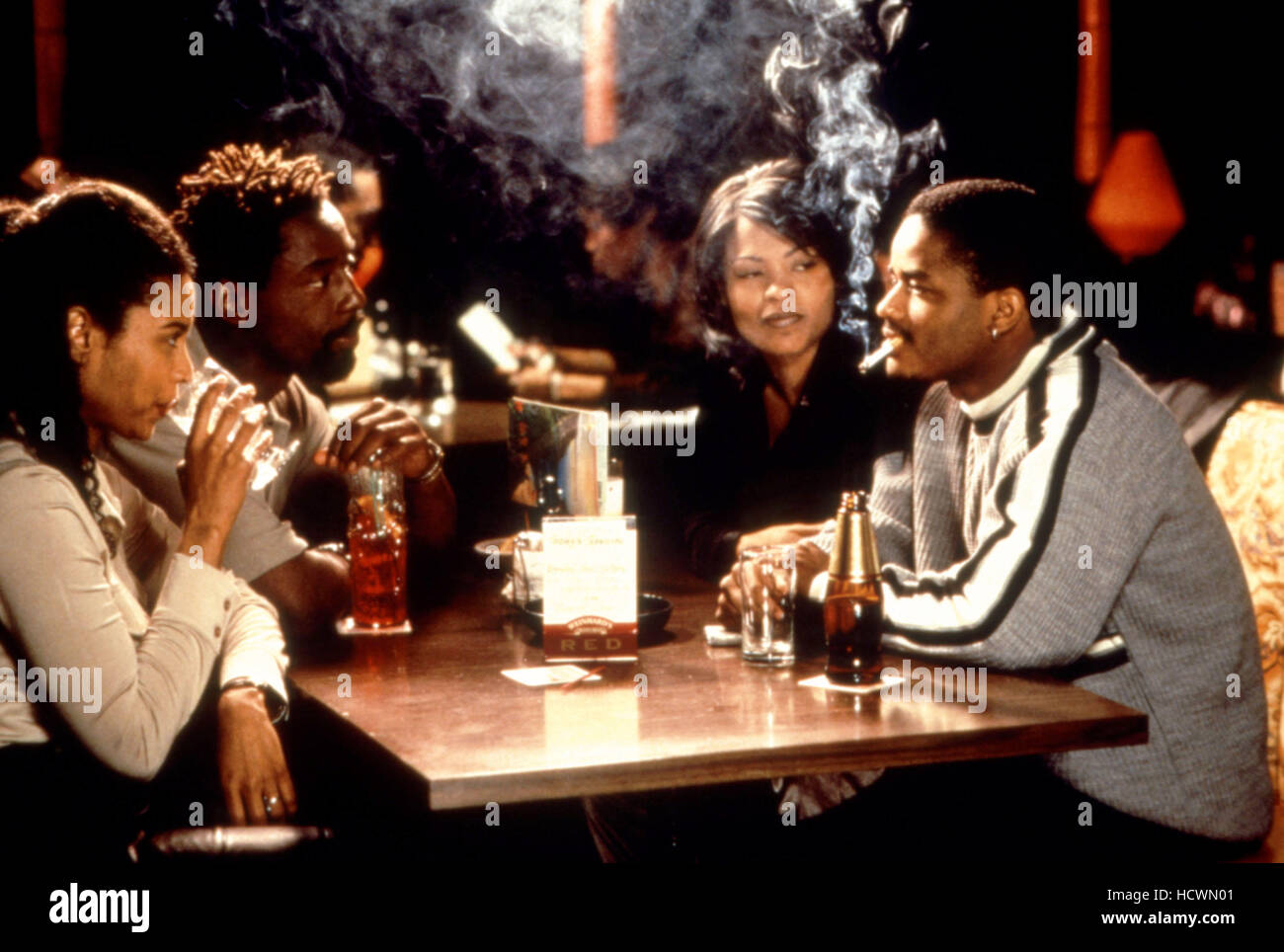
Nia Long’s emergence as a defining talent in 1990s cinema reached a pivotal zenith with her portrayal of Nina Mosley in the 1997 film Love Jones. This role not only showcased her capacity for nuanced, emotional storytelling but also solidified her status as a lead actress capable of anchoring a film that would eventually gain significant cult classic status within African American cinema and the romantic drama genre.
The Professional Foundation Before Love Jones
Before Nia Long became synonymous with the character of Nina Mosley, she had already established a consistent presence in both television and film. Born in Brooklyn and raised across various environments, Long began her acting career with roles that highlighted her versatility. Early appearances in series like The Fresh Prince of Bel-Air, where she played Lisa Wilkes, introduced her to a broad television audience. Her ability to transition from the comedic, fast-paced world of sitcoms to more dramatic, grounded narratives provided the professional groundwork necessary for the complexity required by Love Jones.
By the mid-1990s, Long had already been cast in projects that demonstrated her range, including Boyz n the Hood (1991), where she played Brandi. This film was a critical success, placing her in a space of social commentary and gritty realism. These formative years were defined by a deliberate selection of scripts that allowed her to build rapport with audiences and demonstrate a command of character-driven storytelling. When she arrived on the set of Love Jones, she was not an industry newcomer; she was a rising star whose career trajectory was already meticulously curated.
The Significance of Nina Mosley in Love Jones
Directed by Theodore Witcher, Love Jones offered a departure from the typical urban dramas of the 1990s. The film centered on the sophisticated, intellectual, and romantic lives of young Black professionals in Chicago. Nia Long’s performance as Nina Mosley—a photographer navigating the complexities of a burgeoning relationship with Darius Lovehall (played by Larenz Tate)—was characterized by a rare combination of vulnerability and strength.
Nina Mosley was not merely a romantic interest; she was a fully realized individual with personal professional goals, artistic ambitions, and emotional boundaries. Long’s portrayal utilized subtle expressions, specific pacing in dialogue, and an evident on-screen chemistry that mirrored the film's poetic tone. This role served as a masterclass in lead acting, proving that Long could carry the emotional weight of a feature film without relying on tropes. The film’s success contributed heavily to her rise to fame, as it allowed critics and viewers to recognize her as a premier leading lady of her generation.
Artistic Evolution and Critical Reception
The critical reception of Love Jones was initially moderate, yet it blossomed into a significant cultural touchstone over the subsequent decades. For Nia Long, the film acted as a bridge between her early television work and her later, more expansive filmography. The artistic evolution seen in her performance during this period highlighted a departure from ensemble or supporting roles toward lead work that required a deeper exploration of the female experience in contemporary romance.
Following Love Jones, Long’s career saw a strategic shift toward projects that demanded a higher level of presence. Her ability to navigate the transition from a cult classic romantic lead to major studio productions in the early 2000s reflects the durability of her reputation. Critics often pointed to her work in Love Jones as the moment her "star power" became undeniable. It was the film that defined her aesthetic—one of cool, effortless intelligence—that would eventually become her hallmark.
Key Factors in the Growth of Her Career
Several factors contributed to the sustained rise of Nia Long following her breakout in the mid-90s. Her career trajectory is a case study in consistent performance, strategic project selection, and the ability to maintain public interest through authentic representation.
| Factor | Description | Impact on Career |
|---|---|---|
| Genre Versatility | Transitioned from sitcoms to gritty dramas and romantic comedies. | Prevented typecasting and broadened appeal. |
| On-Screen Chemistry | Notable ability to build genuine rapport with co-stars like Larenz Tate. | Enhanced the believability and longevity of her films. |
| Character Depth | Preference for playing roles with defined professional and personal identities. | Created long-term resonance with audiences. |
| Cultural Relevance | Association with seminal Black cinema of the 1990s. | Solidified her as a representative of a cultural era. |
Navigating the Landscape of 1990s Cinema
The 1990s represented a transformative decade for African American filmmakers and actors. Nia Long operated within this space during a period where Hollywood was beginning to understand the commercial and critical viability of stories centered on the Black middle class. Love Jones was distinct because it avoided the common pitfalls of the era’s "hood films," opting instead for a narrative centered on art, poetry, and professional ambition.
Long’s rise to fame was facilitated by her participation in this specific cultural movement. By embodying Nina Mosley, she became the face of a new archetype in film: the career-driven, emotionally nuanced woman. This helped redefine the expectations for Black female leads in Hollywood, shifting the focus from secondary supporting roles to the primary emotional drivers of the story.
FAQ: Understanding Nia Long’s Career Trajectory
How did Love Jones impact Nia Long’s career path?
The film served as a defining moment that shifted her status from a recognized television actress to a legitimate leading lady in film. It proved her capability to anchor a complex, character-focused story and established her presence in the romantic drama genre, providing a blueprint for her subsequent film choices.
What made Nia Long’s portrayal of Nina Mosley unique?
Long brought an understated, intellectual quality to the role of Nina Mosley. Unlike many romantic leads of the time, she played the character as a flawed, independent individual whose personal career goals were just as important as her romantic life, which resonated deeply with audiences looking for more realistic representations.
Was Love Jones an instant success for Nia Long?
While Love Jones gained a devoted following, it was not an immediate box-office blockbuster. Its success for Nia Long was gradual, as the film developed into a cult classic over the years. This longevity kept her performance in the public consciousness long after the film's initial theatrical run, contributing to her sustained fame.
How does her role in Love Jones compare to her other work?
Compared to her earlier roles, such as her work in Boyz n the Hood, Love Jones allowed for a more romantic, sophisticated performance. It showcased her range by demonstrating that she could handle lighthearted, poetic dialogue as effectively as the heavy, dramatic content she had previously mastered.
Next Steps in Appreciating Her Body of Work
To fully understand the scope of Nia Long’s career, viewers should look beyond Love Jones to observe how she applied the lessons learned during that production to later roles. Examining her filmography chronologically—starting from her early television contributions through to her more recent feature film work—reveals a deliberate path of growth. Her ability to remain relevant in the industry for over three decades, while consistently delivering grounded performances, confirms that her rise to fame was built on a foundation of professional rigor and a deep understanding of character development. By studying these films, one gains a clearer perspective on the evolution of 1990s acting and the enduring legacy of the performers who defined the era.