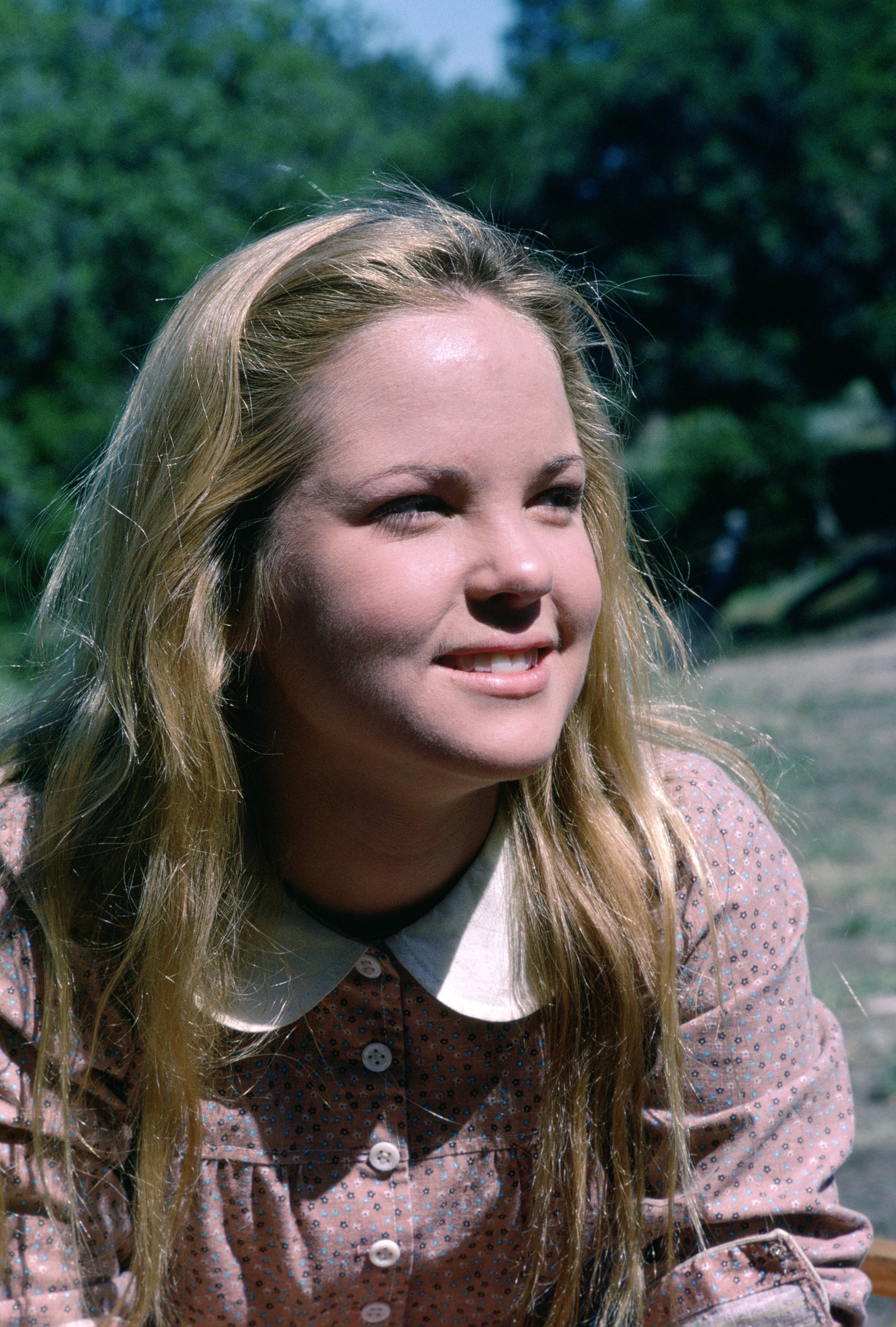
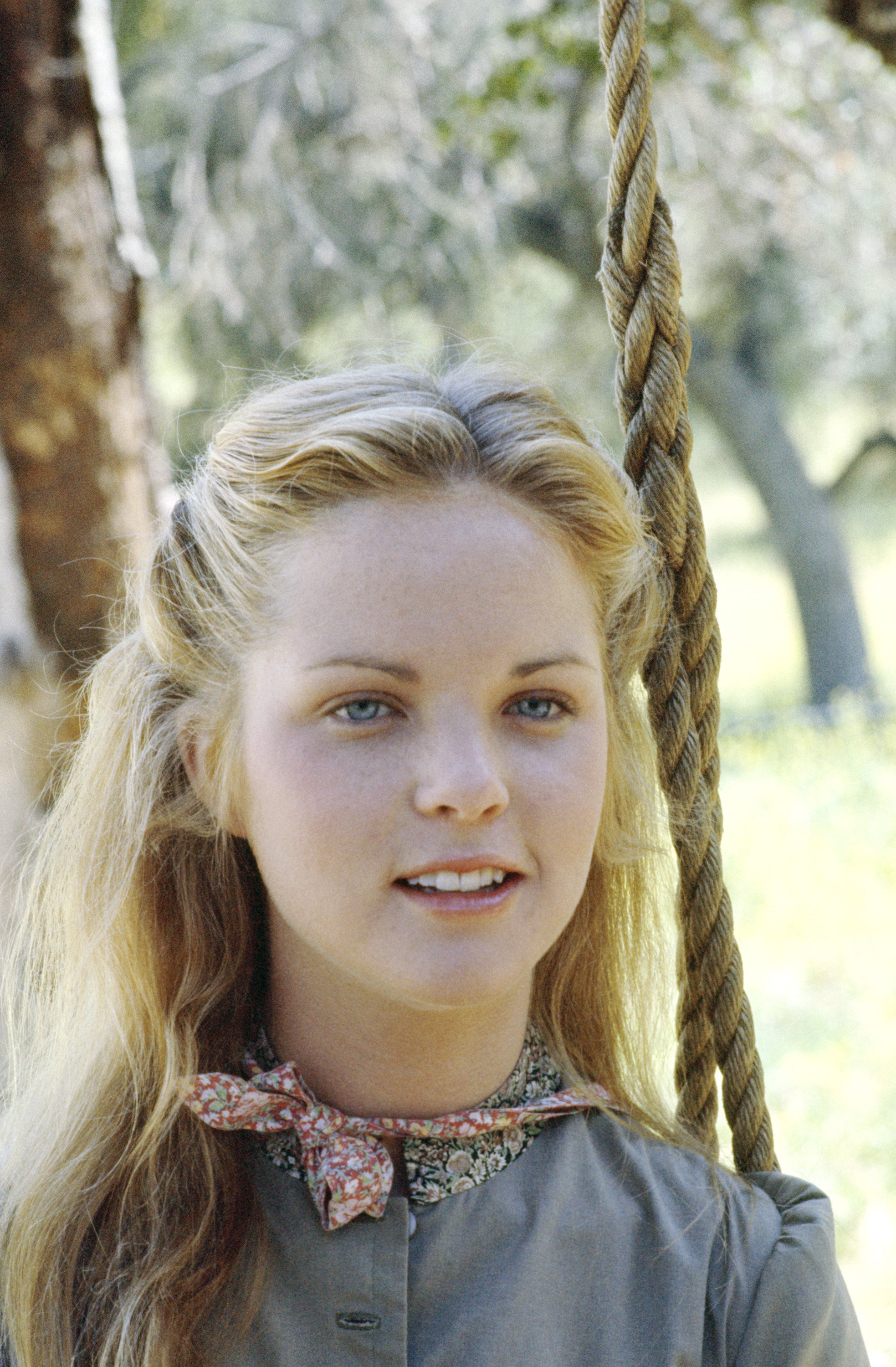
The enduring appeal of the television series Little House on the Prairie (1974–1983) rests largely on the performances of its ensemble cast, whose professional trajectories and personal legacies have left an indelible mark on American media. By examining the profiles of the primary actresses who portrayed the Ingalls family and their community, we can better understand how these foundational roles shaped their subsequent careers, redirected their creative pursuits, and solidified their status as cultural icons in the decades following the series’ conclusion.
The Foundation of the Ingalls Women
The core of the series was anchored by the mother-daughter dynamic of Caroline and Laura Ingalls. Karen Grassle, who played Caroline "Ma" Ingalls, brought a disciplined, classically trained theatrical background to the role. Unlike many of her contemporaries, Grassle had already established a career in regional theater before moving to Los Angeles. Her portrayal of Ma was defined by a stoic endurance that required a departure from the more flamboyant acting styles prevalent in 1970s television. Following the series, Grassle returned to her roots in stage acting, co-founding the Resource Theater Company in Santa Fe, New Mexico, and continuing to advocate for theater education. Her career trajectory serves as an example of an actor using the financial and professional stability of a long-running series to pivot back to independent, project-based work.
Melissa Gilbert, who rose to prominence as Laura Ingalls, holds perhaps the most significant legacy associated with the franchise. As one of the youngest leads in primetime history, Gilbert’s formative years were intrinsically linked to the show’s production. Her career post-Little House transitioned seamlessly into a prolific output of television films during the 1980s and 1990s. Beyond her onscreen presence, Gilbert’s influence extended to the institutional side of the entertainment industry, specifically through her tenure as President of the Screen Actors Guild (SAG) from 2001 to 2005. Her legacy is defined by this dual path: the transition from child star to a working industry professional and a prominent labor advocate for actors.
Character Profiles and Professional Trajectories
The supporting cast contributed equally to the show’s success, though their careers post-production followed markedly different paths. Melissa Sue Anderson, who portrayed the eldest daughter, Mary Ingalls, faced the unique challenge of transitioning away from a character defined by blindness and piety. Anderson’s post-series career saw her move toward more nuanced dramatic roles in television and later into documentary production. Her path highlights the transition strategy often employed by actors seeking to distance themselves from a singular, iconic character by moving into creative development and narrative production.
The table below outlines the primary actresses of the series and the distinct phases of their professional legacies.
| Actress | Role | Primary Career Focus | Legacy Impact |
|---|---|---|---|
| Melissa Gilbert | Laura Ingalls | TV film lead; Guild leadership | Industry advocacy and longevity |
| Karen Grassle | Caroline Ingalls | Classical theater; playwriting | Preservation of regional arts |
| Melissa Sue Anderson | Mary Ingalls | Dramatic television; producing | Transition into narrative production |
| Katherine MacGregor | Harriet Oleson | Character acting; stage work | Development of the quintessential antagonist |
| Alison Arngrim | Nellie Oleson | Stand-up comedy; activism | Subversion of the villain archetype |
The Legacy of the Oleson Women
The character of Harriet Oleson, played by Katherine MacGregor, and her daughter Nellie, played by Alison Arngrim, provided the series with its necessary narrative tension. MacGregor’s background was in dance and theater; her portrayal of Harriet was informed by the classic "theatrical villain" archetype. Her post-Little House work was intentionally quiet, as she focused on local theater and religious study, reflecting a career choice centered on personal satisfaction rather than industry expansion.
Conversely, Alison Arngrim’s career evolved into a reclamation of the "Nellie" persona. Arngrim leaned into her status as the television screen's most memorable antagonist, eventually building a career as a stand-up comedian and author. Her work is a study in brand management; by satirizing the very character that made her famous, she maintained relevance within the cultural conversation for over four decades. Her transition into activism, particularly regarding child protection, demonstrates how childhood actors often pivot from public visibility to private advocacy once their initial performance contracts conclude.
Historical Context and Institutional Memory
The 1970s was a decade of transition for family-centric dramas. Little House on the Prairie was one of the few shows that balanced rural realism with traditional morality, a niche that required specific technical restraint from its actresses. Unlike the sitcoms of the era, which relied on rapid timing and studio audiences, the performances in this series were captured in a single-camera, film-style format. This technical requirement demanded a level of subtlety that influenced the long-term acting techniques of the cast.
In 2026, the legacy of these performances remains relevant through modern streaming platforms and the continued study of television history. The archival work done by the cast—including memoirs and public appearances—has ensured that the production values of the series are documented. This institutional memory is essential for historians and students of film who analyze how character arcs were developed without the benefit of the social media-driven feedback loops prevalent in today's television production cycles.
Prerequisites for Understanding Career Shifts
To evaluate the career trajectories of these actresses, one must account for the economic conditions of the Screen Actors Guild during the 1970s and 1980s. Unlike today’s era of platform-agnostic distribution, actors during the original run of Little House were largely dependent on residuals and the "work-for-hire" model. The economic stability provided by the series allowed actresses like Gilbert and Anderson to negotiate their professional autonomy earlier than their predecessors. When analyzing their legacies, it is important to distinguish between the commercial success of the show and the individual business decisions made by the actresses as their contracts reached maturity.
Challenges of Typecasting and Reinvention
A common thread among the actresses is the persistent challenge of typecasting. For many, the "Ingalls" or "Oleson" moniker was a defining boundary. Managing this meant either fully embracing the character—as Arngrim did through her live shows—or moving into roles that were diametrically opposed to the show's wholesome, pastoral aesthetic. This struggle is a quintessential component of the child-actor experience, yet the women of Little House generally navigated this by shifting their focus from performance to the broader industry, including writing, production, and union leadership.
Sustaining Interest Through Legacy Projects
As of 2026, the secondary and tertiary markets for Little House on the Prairie remain active. The continued popularity of the series is not accidental; it is supported by the ongoing engagement of the actors in podcasts, reunions, and biographical literature. This activity serves as a vital component of the actors' later-life legacies, as it allows for the re-contextualization of their early work. Rather than merely being performers, these women have become stewards of the show’s historical impact. Readers interested in the history of television should look to the memoirs authored by these actresses, as they provide primary-source verification of the production conditions, script development processes, and interpersonal dynamics that defined the show's decade-long run.
Recommendations for Further Research
For those interested in exploring these careers in greater depth, the following actions are recommended:
- Consult Primary Memoirs: Reference autobiographical works by cast members for first-hand accounts of the studio environment.
- Review SAG-AFTRA Archives: Examine public records regarding union leadership during the early 2000s to understand the legislative impact of lead actors.
- Analyze Theatrical Credits: Cross-reference the non-televised, regional theater work of the cast to appreciate their range beyond the screen.
- Evaluate Documentary Contributions: Many of the actresses have participated in retrospectives that clarify their specific contributions to the show’s enduring narrative success.
By focusing on these verified historical records and career markers, one gains a comprehensive understanding of how the actresses of Little House on the Prairie moved beyond their roles to become influential figures in their own right, shaping their legacies through professional persistence and intellectual engagement with their craft.