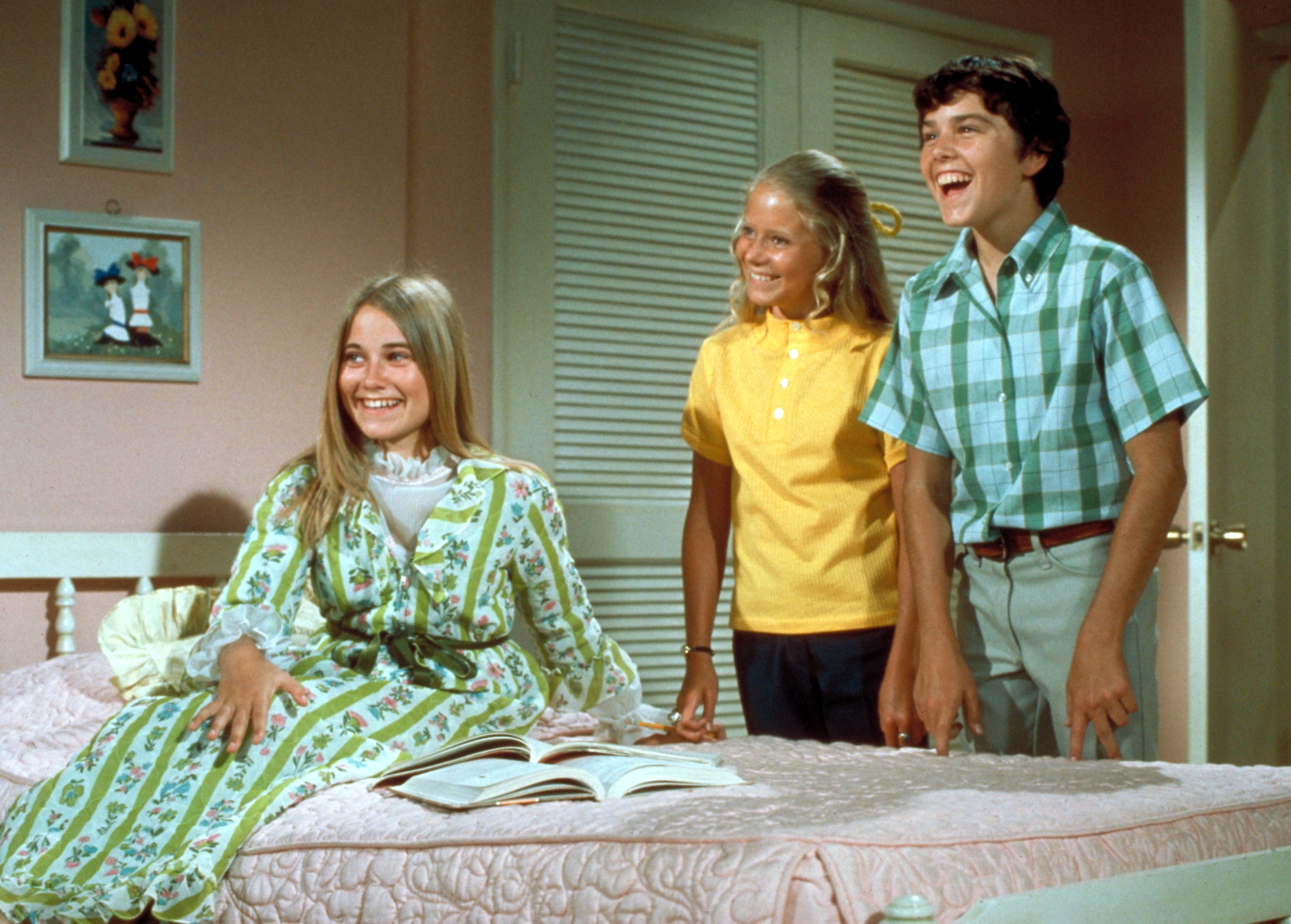
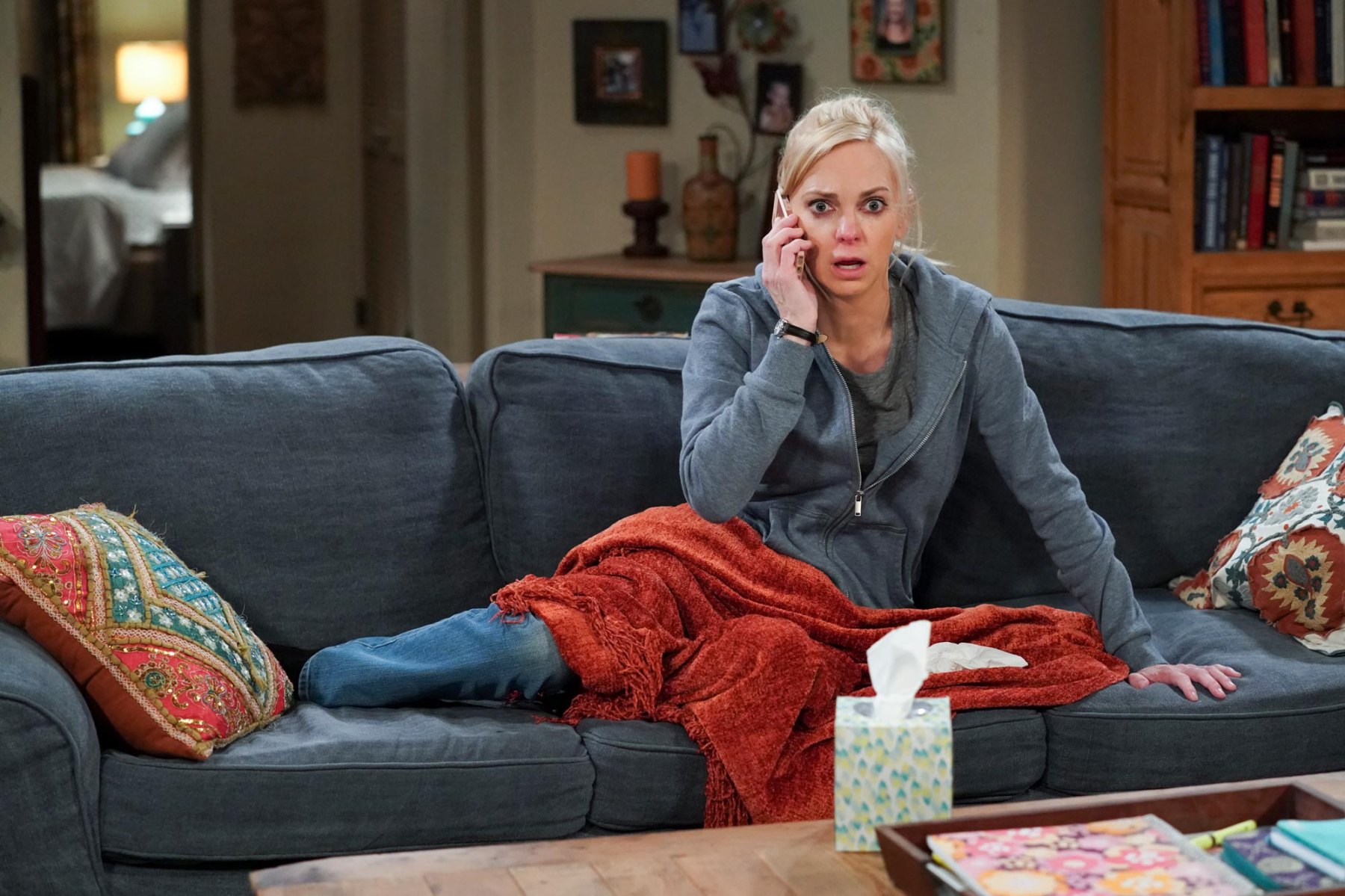
An actress-led sitcom is a television comedy series primarily defined by a female lead whose performance serves as the narrative anchor, driving the central conflicts, comedic tone, and character development of the show. These series often prioritize the female protagonist’s perspective, professional challenges, and interpersonal dynamics, significantly shaping the evolution of the genre from mid-century domestic archetypes to modern, multifaceted portrayals.
Defining the Actress-Led Sitcom
The term "actress-led sitcom" denotes a specific power dynamic within a television production. Unlike ensemble sitcoms where the narrative weight is distributed evenly, or male-dominated comedies that relegate female characters to supporting roles, the actress-led sitcom places the lead performer’s comedic sensibilities and dramatic arc at the forefront. This format typically involves a "star vehicle" approach, where the writing team specifically calibrates scripts to highlight the unique timing, mannerisms, and range of the lead actress.
Historically, this format transitioned from the structured, studio-bound domestic comedies of the 1950s—which often revolved around family maintenance—to contemporary formats that explore professional ambition, complex friendships, and individual agency. The modern iteration of the actress-led sitcom often blurs the lines between traditional multi-camera setups (filmed before a live audience) and single-camera narratives (filmed like a film, often without a laugh track), allowing for more nuanced character studies.
Historical Trajectory and Shifts in Representation
In the mid-20th century, the actress-led sitcom often existed within the "domestic sitcom" subgenre. These shows frequently explored the tensions of home life, though they were often constrained by the social norms of the era. Over time, the scope of these programs widened. By the 1970s and 1980s, the "career woman" trope began to take hold, shifting the focus from the domestic sphere to the workplace.
The 1990s and 2000s marked a significant pivot toward internal monologue and neurotic exploration. Shows led by established comedic actresses began to dismantle the "perfect woman" stereotype, opting instead for characters who were flawed, ambitious, and occasionally unlikeable. This shift was instrumental in broadening the appeal of the sitcom, as it allowed for a deeper connection with audiences who saw their own anxieties and professional struggles reflected on screen. By 2026, the industry has seen an explosion of variety, with actress-led shows spanning genres from dark comedy and satire to surrealist meta-humor.
Key Elements of Production and Success
For an actress-led sitcom to succeed, the synergy between the lead performer and the show’s creative vision is paramount. Several logistical and artistic pillars support these productions:
- Script Alignment: The writing must consistently capitalize on the specific comedic strengths of the star. If a lead actress is known for physical comedy, the narrative environment will often favor high-energy scenarios. Conversely, if the star excels in deadpan delivery, the script will lean into witty, dialogue-heavy exchanges.
- Narrative Agency: The protagonist must possess genuine agency. Modern audiences favor shows where the lead’s decisions—however misguided—propel the plot forward.
- Supporting Ensemble Balance: While the show is led by one actress, the surrounding cast must provide a foil to her personality. The most successful shows create a "gravitational pull" where the other characters’ arcs are intrinsically linked to the lead’s evolution.
- Tone Consistency: Whether the show leans toward slapstick or psychological insight, maintaining a recognizable "voice" is essential for audience retention across multiple seasons.
Comparison of Sitcom Structures
| Feature | Classic Domestic | Modern Career-Driven | Meta/Surrealist |
|---|---|---|---|
| Primary Setting | Home / Kitchen | Office / Urban City | Experimental / Fluid |
| Lead Motivation | Family Harmony | Professional Success | Self-Actualization |
| Humor Style | Situational / Farce | Witty / Character-Driven | Absurdist / Satirical |
| Camera Format | Multi-cam (Live) | Single-cam | Hybrid |
Financial and Industry Considerations
The production of an actress-led sitcom is often a high-stakes investment. Because the show’s identity is tied directly to the lead actress, the financial model is heavily dependent on star power and brand recognition. In 2026, the rise of streaming platforms has changed the calculus for these shows. Where broadcast television once required broad, four-quadrant appeal to satisfy advertisers, modern streaming platforms often prioritize "niche" but highly engaged audiences.
This shift allows for more unconventional, riskier projects. Studios are more willing to greenlight series that focus on specific, demographic-targeted experiences rather than trying to replicate the "every-woman" archetype of the past. However, the budget remains a significant concern; the cost of production for a high-quality sitcom, including talent salaries and production values, necessitates a clear strategy for syndication or long-term retention on a subscription service.
Addressing Challenges and Common Misconceptions
One persistent challenge in the production of these sitcoms is the "likability trap." Producers often fear that if a female lead is too abrasive or selfish, the audience will disconnect. However, industry trends throughout the 2020s have proven that audiences are increasingly drawn to complex, morally ambiguous female characters. The most common mistake in development is "toning down" a lead’s edge to make her more "palatable," which often results in a generic, forgettable series.
Another frequent issue is the lack of character development. When the focus is solely on the lead actress, there is a risk that the supporting cast becomes one-dimensional "props." A well-rounded sitcom requires the supporting characters to have their own lives, goals, and obstacles, which ironically reinforces the lead’s complexity by providing a fuller world for her to navigate.
Frequently Asked Questions
What differentiates a sitcom lead from an ensemble character?
The lead character in a sitcom is the primary catalyst for the episode’s plot. While ensemble cast members provide support and subplots, the lead’s growth or resolution typically defines the emotional takeaway of the narrative.
Why have single-camera sitcoms become the standard for actresses?
Single-camera formats provide a more cinematic look and allow for the use of location shooting rather than a soundstage. This grants the lead actress and directors more flexibility in pacing, lighting, and performance, which can be essential for more subtle or experimental comedic styles.
How do I evaluate if an actress-led sitcom is right for my viewing preferences?
Identify the "voice" of the show through the lead’s previous work or the showrunner’s history. If you prefer high-energy humor, look for projects rooted in physical performance. If you prefer intellectual or observational comedy, focus on shows that emphasize dialogue and character study.
Can an actress-led sitcom succeed without a traditional laugh track?
Yes. The removal of the laugh track encourages the viewer to find the humor organically through the dialogue and situation rather than being signaled when to laugh. This often leads to more sophisticated, layered comedy that relies on timing rather than volume.
Are there specific skills required for an actress to lead a sitcom?
Beyond traditional acting, a sitcom lead needs high-level rhythmic timing and the ability to maintain consistency under the pressure of a rigorous filming schedule. Many successful leads also act as executive producers, requiring a grasp of tone, pacing, and overall series direction.
Next Actions for Aspiring Creators and Critics
If you are analyzing these shows from a critical or professional standpoint, begin by mapping the "arc of agency" for the protagonist across a full season. Evaluate how the supporting cast serves to complicate, rather than simply enable, the lead's choices. For those looking to enter the industry, focus on developing a distinct comedic voice; the most successful actress-led sitcoms in 2026 are those that feel specific, personal, and uncompromising in their vision of the lead character’s reality. Study the scripts of shows you admire to see how the dialogue is tailored to the performer's strengths, and observe how the cinematography supports the tone of the comedy.