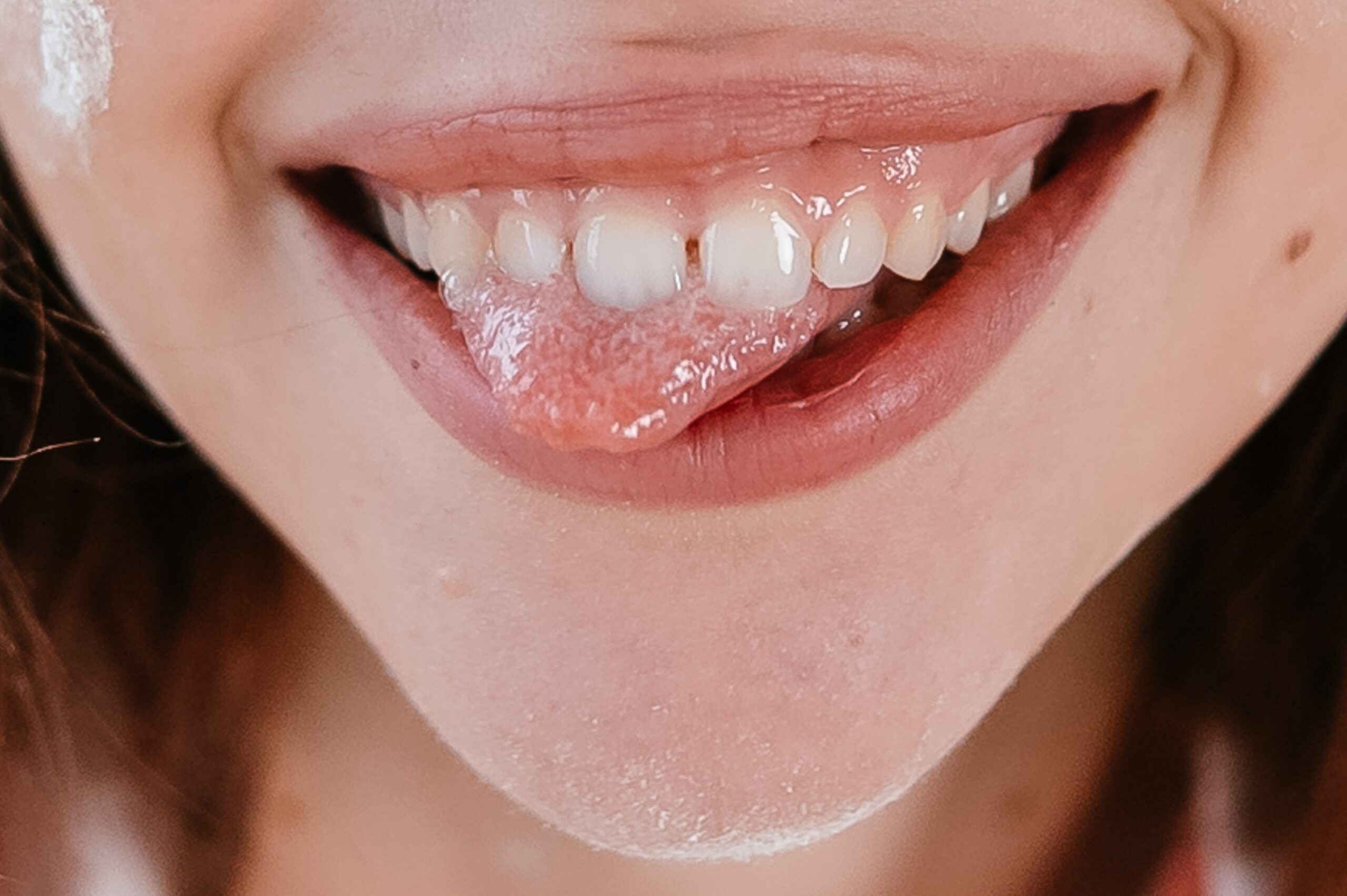
A diastema—the clinical term for a gap between two teeth, most commonly the central incisors—has transitioned from a perceived dental imperfection to a celebrated aesthetic trait in the entertainment industry. While historically viewed through the lens of orthodontics as a condition requiring correction, the professional trajectories of various actresses demonstrate that a signature smile can be a defining element of personal branding and career longevity.
Understanding the Clinical Causes of Diastema
In dentistry, a diastema is not a disease but a structural variance in the relationship between the jawbone and the teeth. Understanding these causes is essential for differentiating between a cosmetic feature and an underlying oral health issue. The primary driver is often a size discrepancy: if the jawbone is larger than the cumulative width of the teeth, gaps will naturally develop.
Another common cause is the labial frenum—the small tissue connection between the inner upper lip and the gum line. If this frenum is overly thick or extends too low between the teeth, it can act as a physical barrier that prevents the central incisors from closing together during development. Additionally, habits such as tongue thrusting, where the tongue exerts consistent pressure against the front teeth, can gradually push them apart over time. Periodontal disease, which involves the loss of gum tissue and bone support, can also result in shifting teeth and the development of new gaps in adults. In most actresses who possess this feature, the gap is typically a stable, developmental characteristic rather than a symptom of advancing pathology.
The Professional Impact of Unique Aesthetics
The entertainment industry places an outsized premium on visual consistency, yet the "actress gap in teeth" paradoxically serves as a tool for memorability. In an industry saturated with homogenous beauty standards—often characterized by uniform, bleached, and perfectly aligned veneers—a natural gap provides a distinct visual anchor.
For many performers, this feature allows them to bypass the "unrecognizable" trap of generic perfection. Casting directors and producers often seek performers with "authentic" looks who can bridge the gap between aspirational glamour and relatable humanity. By retaining a gap, an actress signals an adherence to individuality, which can be an asset in character-driven roles. Rather than hindering a career, this feature often acts as a professional identifier, ensuring that the audience associates a specific, recognizable face with a performance.
Cultural Perception: From "Flaw" to "Signature"
Cultural attitudes toward teeth have shifted significantly over the last few decades. Historically, dental alignment was synonymous with social status and health. During the mid-20th century, the pressure to conform to a standard of "perfect" teeth led to widespread orthodontic intervention. However, in contemporary media, there has been a resurgence in celebrating natural features.
This shift is rooted in a broader movement toward "imperfection" as a marker of authenticity. In the 2026 media landscape, global beauty standards have expanded to include ethnic and individualistic traits that were previously considered "correctable." A gap in the teeth is now frequently interpreted as a symbol of confidence and defiance against the medicalization of aesthetics. When an actress chooses to keep her diastema, the public perception often shifts from pity for an "uncorrected" issue to admiration for a curated, unique identity.
Orthodontic Considerations and Career Choices
When an actress decides whether to correct a diastema, she must weigh personal branding against potential dental health concerns. For most, the decision is strictly cosmetic. The following table outlines the factors often weighed when considering the retention or closure of a gap.
| Factor | Retaining the Diastema | Closing the Diastema |
|---|---|---|
| Personal Branding | High recognition; unique identity | Professional, traditional aesthetic |
| Maintenance | Minimal; routine hygiene | Ongoing retainers or bonding care |
| Cost | None | Variable (Veneers, braces, bonding) |
| Oral Health | Usually neutral | Potential for improved bite alignment |
| Flexibility | Difficult to reverse once closed | Permanent or semi-permanent change |
For those who rely on a specific look for their career, the decision is rarely made in isolation. It involves consultations with dental professionals who specialize in cosmetic dentistry to ensure that any intervention—should they choose it—does not destroy the very visual characteristics that helped establish their professional reputation.
The Role of Technology and Trends in 2026
By 2026, the rise of digital smile design and non-invasive cosmetic procedures has changed how actresses approach dental changes. Unlike in the past, where braces or permanent veneers were the only options, current technology allows for temporary aesthetic modifications or high-fidelity, removable dental appliances.
This allows performers to experiment with their look for specific roles without committing to permanent, irreversible changes. An actress might choose to use composite bonding to close a gap for a role that requires a "polished" look, only to have the procedure easily reversed afterward. This technological flexibility means that the "actress gap" is no longer a static choice but a dynamic aspect of professional appearance management.
Frequently Asked Questions
Can a gap in teeth cause speech impediments?
While a diastema rarely causes severe speech impediments, the movement of air through the gap can occasionally affect the enunciation of certain sibilant sounds. However, most individuals naturally compensate for this early in life, making it a non-issue for professional actors whose training focuses on vocal clarity and diction.
Is it common for actresses to surgically close their gaps?
It is a common practice, though many choose to retain the feature as part of their personal brand. When closure occurs, it is usually achieved through porcelain veneers or composite bonding, which are more expedient than traditional orthodontic braces for adult performers seeking a quick cosmetic change.
Does the diastema pose a risk to long-term dental health?
A stable, developmental diastema is not inherently harmful to dental health. However, if the gap is caused by periodontal disease or systemic bone loss, it requires immediate professional intervention to prevent tooth loss. Regular check-ups with a dental practitioner are necessary to ensure the gap remains a structural feature rather than a symptom of illness.
Why do some actresses decide to close their gaps later in their careers?
Transitions in career focus, such as moving from character roles to more traditional leading-lady roles, can lead some actresses to seek a "classic" smile. The decision is highly individual and often reflects an evolution in personal style or specific requirements from high-fashion or beauty brand endorsements.
Are there cultural differences in how a gap in teeth is perceived?
Yes, cultural perspectives vary globally. In some cultures, a gap between the front teeth is considered a sign of beauty, charm, and even good fortune. In others, it may have been traditionally stigmatized. The globalization of media has helped to blend these perspectives, leading to a broader acceptance of the feature as a standard of beauty.
Recommended Steps for Informed Decision-Making
If you are an aspiring performer or individual concerned with the impact of your dental features, the first step is to establish the health status of your teeth with a qualified dentist.
- Consultation: Meet with a dentist to determine the underlying cause of the gap. Knowing whether it is genetic or the result of tissue structure is vital.
- Branding Assessment: Evaluate how your current look contributes to your professional identity. Distinguish between your personal preference and industry-imposed pressure.
- Exploration of Reversible Options: If you desire a change, inquire about temporary, reversible cosmetic options like digital smile simulations or non-permanent bonding.
- Professional Maintenance: If you decide to keep your natural look, focus on rigorous oral hygiene, as gaps can sometimes trap food particles more easily than crowded teeth.
Prioritizing your oral health while staying true to your authentic presentation remains the most reliable path for long-term satisfaction in your career and personal life.