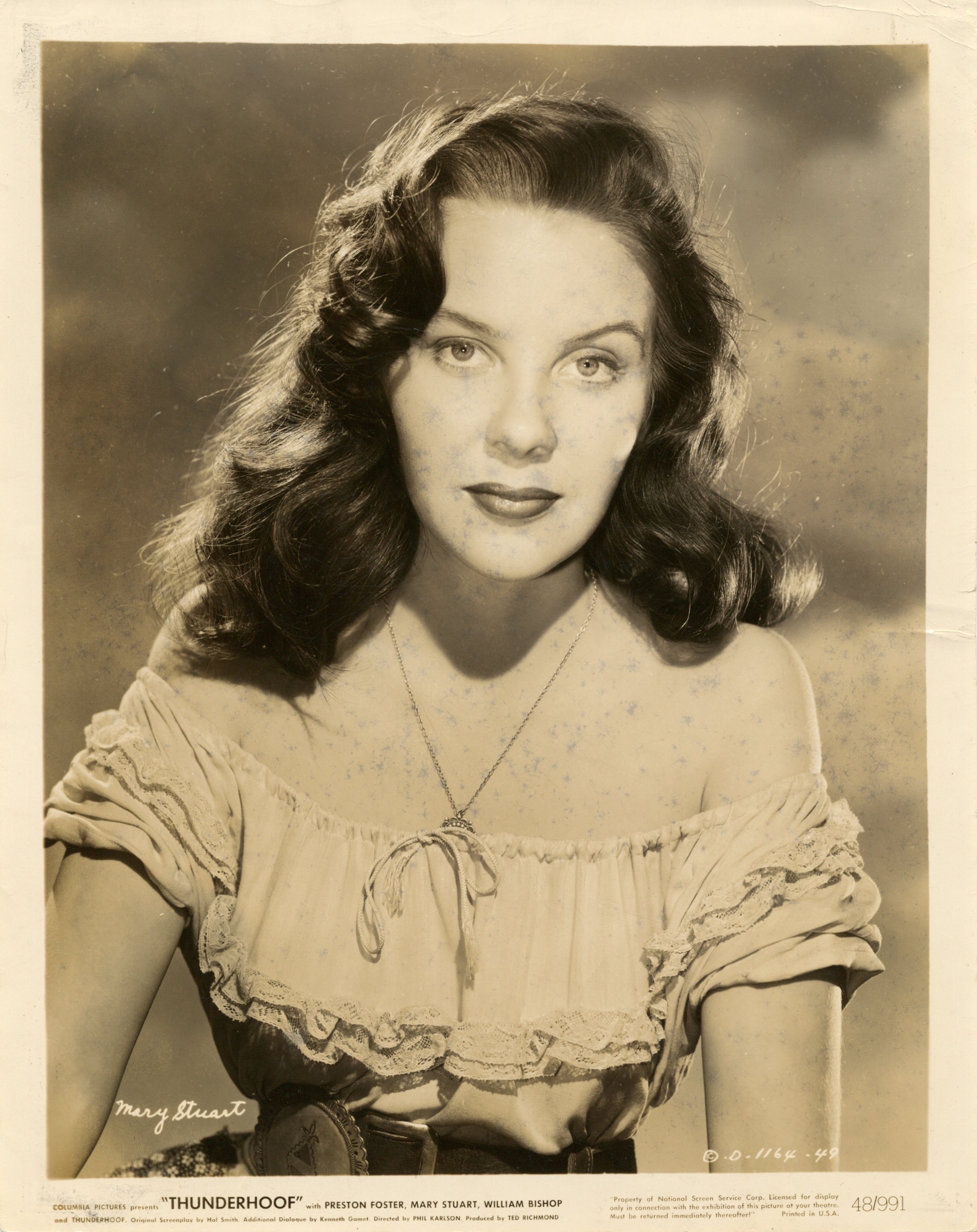
An actress biography provides a structured narrative of a performer's life, tracing their professional milestones, artistic evolution, and cultural impact from early beginnings to established stardom within the entertainment industry.
An actress biography serves as an essential professional document, historical record, and marketing tool within the entertainment industry. Whether compiled for a digital press kit, an official website, an encyclopedia entry, or a casting portfolio, this narrative framework maps a performer's journey through training, breakthrough roles, critical recognition, and sustained public engagement. Understanding how these biographical texts are constructed, verified, and utilized offers valuable insight into both the individual career of a performer and the broader dynamics of the film, television, and theatrical landscapes.
Core Elements of a Comprehensive Performer Profile
A thoroughly researched biography goes beyond a simple chronological list of credits. It contextualizes an artist's body of work within the shifting standards of the entertainment industry, balancing personal background with public achievement.
The foundation of any professional profile is accuracy regarding training, early theatrical or independent experience, and the pivotal projects that defined the trajectory of the career. Writers must distinguish between verified professional credits and promotional embellishments, ensuring that theatrical runs, television series regular roles, and feature film appearances are documented with precise dates and accurate character names.
Beyond dry statistics, a compelling profile weaves these milestones together to explain artistic choices. It highlights recurring collaborations with notable directors, transitions between mediums—such as moving from television to stage or independent film to blockbuster franchises—and the reception of specific performances by critics and audiences alike.
The Evolution of Biographical Documentation in the Digital Age
The methods by which biographical details are gathered, verified, and distributed have transformed dramatically. Historically reliant on printed press kits, physical playbills, and studio press releases, contemporary profiles must navigate a decentralized ecosystem of digital databases, social media channels, and entertainment journalism.
Today, authoritative documentation relies heavily on verified industry databases and primary sources. The following comparison illustrates how different types of biographical repositories serve distinct audiences and professional functions within the media ecosystem.
| Repository Type | Primary Purpose | Key Contents | Verification Standard |
|---|---|---|---|
| Industry Databases | Professional casting and crew verification | Comprehensive credits, agent contacts, union affiliations | Moderate to high; often community or guild-verified |
| Official Press Kits | Media distribution for promotional campaigns | Approved promotional photos, curated synopses, loglines | High; vetted directly by management or studio publicity |
| Archival Encyclopedias | Historical preservation and general reference | Verified birth data, comprehensive filmographies, major awards | Strict editorial oversight, secondary source citations |
| Personal Portfolios | Direct-to-consumer branding and engagement | Sizzle reels, personal statements, direct booking links | Controlled exclusively by the talent or their representatives |
Researching and Verifying Career Milestones
Fact-checking a performer's background requires navigating conflicting reports, unverified fan sites, and promotional exaggerations. Senior researchers and entertainment journalists adhere to rigorous verification standards to ensure that every assertion regarding awards, nominations, education, and early credits withstands scrutiny.
The verification process typically begins with primary documentation, such as official playbills, trade publication announcements from outlets like Variety or The Hollywood Reporter, and official guild or union rosters. When examining awards history, primary validation comes from governing bodies such as the Academy of Motion Picture Arts and Sciences, the Television Academy, or regional theater award committees, rather than secondary aggregator sites that may perpetuate errors.
Navigating Common Discrepancies
Researchers frequently encounter inconsistencies regarding birth dates, educational institutions, and credit attribution. Resolving these discrepancies requires prioritizing official records over unvetted public profiles. When an exact date or credit cannot be independently verified through reliable documentation, standard editorial practice dictates omitting the unverified detail or explicitly framing it as an unconfirmed report.
Structuring the Narrative: Chronological vs. Thematic Approaches
When drafting a profile, the chosen structural framework dictates how the reader absorbs the subject's career arc. While chronological progression remains the standard for encyclopedic entries, thematic organization is frequently deployed for profiles focusing on artistic transformation or cultural influence.
A chronological approach moves methodically from early life and formative training through breakthrough roles to current undertakings. This method offers clarity for readers seeking a straightforward historical account of how a career developed over time.
Conversely, a thematic structure groups achievements around specific motifs—such as a transition from dramatic stage work to action cinema, or an active role in advocacy and production alongside performance. This approach suits profile pieces in literary magazines or long-form journalism, where the goal is analytical insight rather than mere historical cataloging.
Strategic Applications Across Media Platforms
Different platforms demand tailored adaptations of biographical content. A press kit distributed to festival programmers requires a concise, punchy summary highlighting major festival premieres and award recognition. In contrast, an academic retrospective demands meticulous detail, contextualizing performances within broader cinematic movements.
Understanding these platform-specific requirements ensures that the narrative remains effective regardless of where it is published. Publicity teams must balance brevity with substance, ensuring that key artistic achievements are never obscured by excessive stylistic flourish.
Frequently Asked Questions About Actress Biographies
What key components must be included in a professional actress biography?
A professional biography must include verified training credentials, major theatrical or screen credits organized by impact, recognized awards or nominations, and current professional affiliations. It should provide an accurate, chronological account of the performer's career evolution without relying on subjective hyperbole.
How are disputed credits or personal details handled during research?
When details such as exact birth dates or early uncredited roles cannot be verified through primary sources or official trade publications, they should be omitted. Maintaining factual integrity is critical, and writers must avoid repeating unverified claims found on user-edited platforms.
Why is distinguishing between industry databases and promotional press kits important?
Industry databases prioritize comprehensive, objective professional data, whereas press kits are curated by publicity teams to promote a specific current project. Relying on both sources provides a balanced view that combines marketing intent with historical accuracy.
What is the standard length for a professional performance profile?
Length varies significantly by use case. Short executive summaries range from 100 to 250 words for press distribution, while comprehensive profiles or encyclopedic entries often range from 800 to 2,000 words depending on the depth of the career.
How often should an established performer's biographical record be updated?
Records should be updated immediately following major career milestones, such as securing a series regular role, premiering a major feature film at an accredited festival, or receiving significant industry awards and nominations.
Best Practices for Maintaining Historical Accuracy
Maintaining a reliable biographical record requires ongoing vigilance, continuous cross-referencing against primary trade archives, and a commitment to objective reporting. When compiling or updating these narratives, researchers must prioritize verified documentation over public relations narratives, ensuring that the resulting profile remains a trusted resource for industry professionals, historians, and audiences alike.