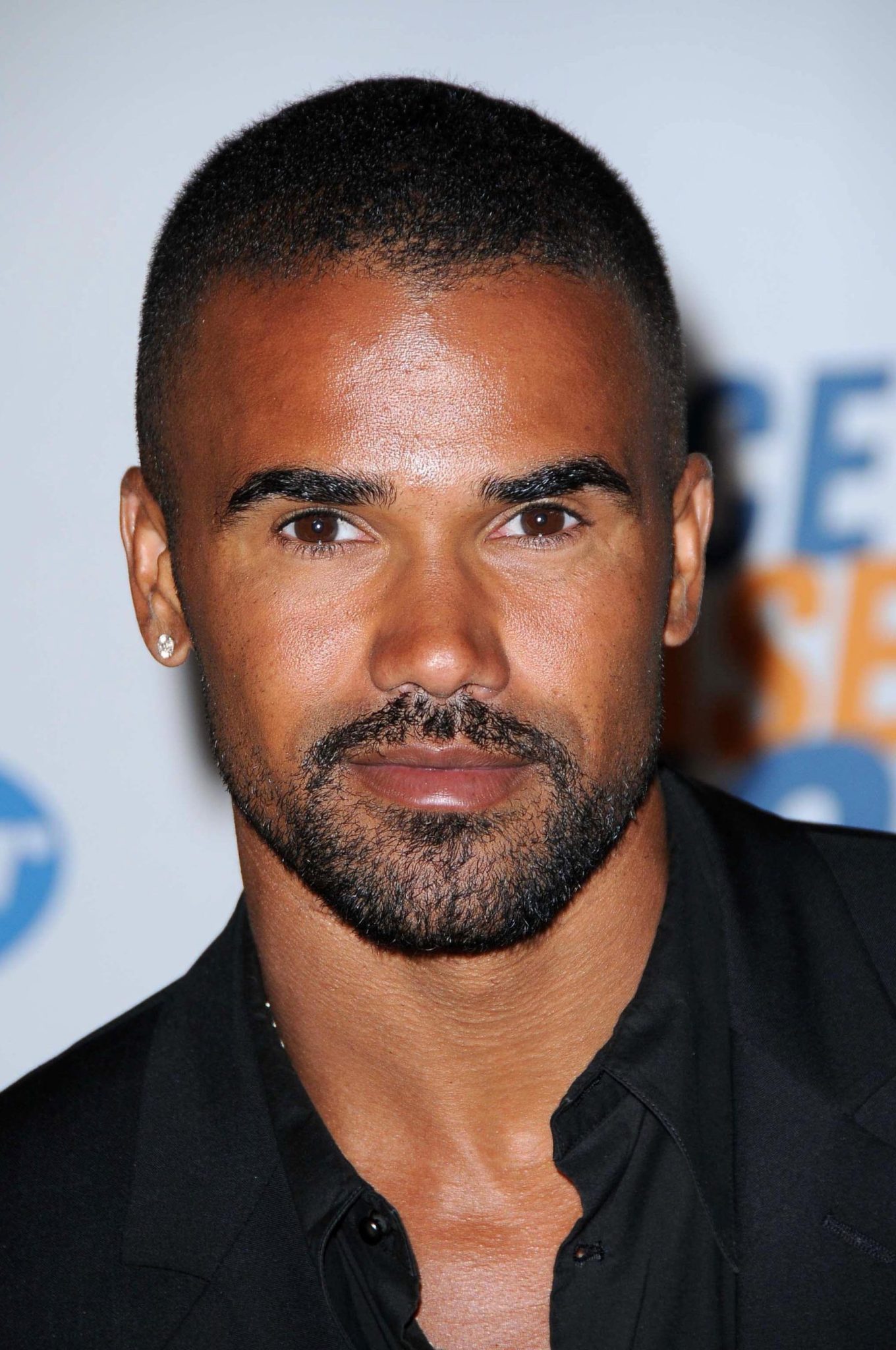
An actor's profile is a curated professional portfolio consisting of high-quality headshots, a structured resume, a compelling demo reel, and accurate physical statistics. In 2026, it serves as your primary digital representative on casting platforms like Actors Access and Spotlight, determining whether you are invited to audition by casting directors and talent agents.
The Anatomy of a High-Impact Professional Headshot
In 2026, the headshot remains the most critical element of an actor's profile. It is the first—and sometimes only—thing a casting director (CD) sees when scrolling through hundreds of submissions. A profile without a high-quality, current headshot is effectively invisible. Current industry standards demand high-resolution digital files, typically delivered in JPEG or TIFF formats, with a focus on "the eyes" to convey personality and range.
Theatrical headshots and commercial headshots serve different purposes. A theatrical shot should lean into the "type" of characters you might play in dramas or films, often utilizing more nuanced lighting and a serious or thoughtful expression. Conversely, commercial shots are typically brighter, featuring "high-key" lighting and a warm, approachable smile, aimed at the advertising market. It is essential to update these photos every 12 to 18 months, or immediately following a significant change in your physical appearance, such as a drastic haircut or weight change.
Technical specifications for 2026 profiles often require a specific aspect ratio, usually 8x10 or 4x5, to ensure the image displays correctly on casting thumbnails. Professional retouching should be minimal; the goal is to look like yourself on your best day, not a filtered or artificial version. Over-retouching leads to "profile drift," where a CD feels misled when you arrive at a call or submit a self-tape that does not match your profile photo.
Building a Strategic Actor’s Resume
An actor’s resume is not just a list of jobs; it is a document of credibility and training. It must be formatted for rapid scanning. Casting directors spend an average of three to five seconds looking at a resume before deciding to click on a reel. Therefore, the hierarchy of information is paramount. Your name, union affiliation (such as SAG-AFTRA or Equity), and contact information (typically your agent’s details) must be at the top.
The body of the resume is divided into categories: Film, Television, Commercials (usually listed as "Available upon request" to avoid brand conflicts), and Theatre. Within these categories, you list the project title, the type of role (Lead, Supporting, Guest Star, Recurring), and the production company or director. In 2026, the "Special Skills" section has gained significant weight due to the search algorithms used by casting portals. Skills should be specific and verifiable. Instead of "Sports," list "Intermediate Equestrian (Western and English)" or "Advanced Stage Combat (Rapier and Dagger)."
Training is the final pillar. Even for seasoned actors, listing ongoing study with reputable coaches or institutions demonstrates a commitment to the craft. This section should include the name of the teacher or studio and the specific technique studied, such as Meisner, Adler, or Practical Aesthetics.
The Modern Demo Reel: Engagement and Technical Standards
The demo reel has evolved from a three-minute montage into a series of short, high-impact "clips." In the 2026 casting environment, the "first ten seconds" rule is absolute. If a CD is not engaged within the first few moments of your reel, they will move on. Your reel should prioritize your most impressive or most recent work, putting your best performance first regardless of the project's prestige.
Each clip should focus on you. Scenes where you are the listener or where you are obscured by a more famous co-star are less effective than a tight medium shot where your emotional transitions are visible. High-definition (1080p or 4K) video is the standard; anything lower suggests a lack of professional investment. Audio quality is equally critical; distorted or muffled dialogue can render a great performance unusable.
For actors without extensive screen credits, "reconstructed scenes" or high-quality self-tapes can serve as placeholders. However, these must be produced with professional lighting and sound to avoid looking amateurish. The goal of the reel is to answer one question: "Can this person act, and what is their screen presence?"
Major Casting Platforms and Digital Footprints
In the current landscape, an actor's profile exists across several primary ecosystems. Depending on your geographic location and career level, you must maintain active profiles on specific sites to be considered for professional work.
| Platform | Primary Market | Key Features | Best For |
|---|---|---|---|
| Actors Access | North America | Breakdown Services integration, Eco-Cast self-tapes. | Film and TV (Union/Non-Union) |
| Casting Networks | Global / Commercials | Extensive commercial breakdowns, media hosting. | Commercials and Print |
| Spotlight | UK / Europe | High barrier to entry, industry-standard in London. | Professional UK/EU Theatre & Film |
| IMDbPro | International | Credits verification, STARmeter ranking, contact info. | Networking and Verifying Credits |
| Backstage | Global | Independent film, regional theatre, student films. | Early-career and Indie projects |
Maintaining a consistent "digital footprint" across these platforms is vital. Your headshots and resume should be identical across all sites to ensure brand consistency. When a talent agent searches for you, they should find a unified professional image that reinforces your "type" and professional standing.
Special Skills and Attributes: The Search Engine Factor
Casting portals in 2026 function as sophisticated search engines. When a CD needs a "Mandarin-speaking actor who can play cello," they use filter tools to narrow down thousands of profiles. If these skills are not explicitly listed in your profile metadata, you will not appear in the results.
This necessitates a strategic approach to the "Attributes" section of your profile. This includes accurate physical measurements—height, weight, eye color, and hair color—but also specific categories like "Local Hire" locations. In a post-2024 production world, being a "local hire" in multiple hubs (such as Atlanta, London, or Vancouver) can significantly increase your booking rate, provided you actually have housing and transport in those cities.
Language proficiency should be graded honestly (e.g., Native, Fluent, Conversational). Falsifying a skill like "Fluent French" can lead to a disastrous audition and a damaged reputation. If you are currently learning a skill, wait until you can perform it under pressure before adding it to your professional profile.
Navigating the Self-Tape Era and Profile Integration
The actor's profile is now inextricably linked to the self-tape. Most casting portals, including Actors Access and Casting Networks, allow actors to upload self-taped auditions directly to their profiles as "private" or "public" media. In 2026, many actors use "slates" or "personality clips" to supplement their profiles.
A personality clip is a short (15-30 second) video of the actor talking naturally to the camera. This helps CDs see the "real you" and gauge your natural essence, which is often masked by the characters in your demo reel. It is a powerful tool for building rapport before an audition is even granted.
Furthermore, your profile should be optimized for mobile viewing. Many casting directors use tablet apps to review submissions during production meetings. Ensuring your videos are compressed correctly—balancing high visual fidelity with fast loading times—is a technical necessity that prevents your profile from being skipped due to technical lag.
Common Pitfalls in Actor Profile Management
Even experienced actors make mistakes that can render their profiles ineffective. One of the most common errors is "cluttering" the profile with outdated or low-quality media. More is not always better. A single, brilliant one-minute reel is far more effective than five minutes of mediocre student film footage.
Another pitfall is the failure to manage "Conflict" information in the commercial section. If your profile shows you are currently in a national commercial for a major soft drink, you will be automatically disqualified from competing brands. Keeping your "Current Conflicts" list updated on Casting Networks is essential for commercial actors.
Lastly, neglecting the "Bio" or "About Me" section is a missed opportunity. While the resume provides the facts, the bio provides the narrative. It should be written in the third person, remain concise, and highlight your most recent high-level achievements or unique background details that make you stand out as a performer.
Strategic Maintenance and Next Actions
An actor's profile is a living document, not a static archive. Professional management requires a "Profile Audit" every quarter to ensure all links are functional, all credits are current, and the media represents your current casting bracket.
- Audit Your Media: Remove any headshots or clips that no longer represent your current age, look, or skill level.
- Update Credits: Add new bookings or training certifications immediately upon completion.
- Check Metadata: Ensure your "Local Hire" cities and "Special Skills" are tagged correctly for search filters.
- Verify Contact Info: Confirm that your representation's information is accurate and that your personal notifications are set to "Instant" for new breakdowns or audition requests.
- Review Platform Subscriptions: Ensure your memberships on Actors Access, Spotlight, or Casting Networks are active so you don't miss time-sensitive opportunities.
By treating your profile as a high-performance marketing tool rather than a mere digital resume, you position yourself to navigate the competitive entertainment landscape of 2026 with professional precision.
FAQ
How often should I update my actor headshots?
You should update your headshots every 12 to 18 months or whenever your physical appearance changes significantly. In 2026, casting directors expect your profile photos to be a near-perfect match for your current self-tape appearance. If you change your hair color, lose or gain significant weight, or age into a new casting bracket, new photos are a requirement to maintain professional credibility.
What is the ideal length for an actor’s demo reel?
The ideal length is between 60 and 90 seconds. In the fast-paced casting environment of 2026, casting directors rarely watch a reel from start to finish. It is better to have three separate, high-quality 20-second clips that can be viewed individually rather than one long, sprawling montage. Always put your most professional and high-stakes footage at the very beginning.
Should I include background (extra) work on my acting resume?
No, professional actors should not include background work on their resumes once they have moved into "Principal" or "Speaking" roles. Including background work can signal to casting directors that you are an amateur. If you are just starting and have no other credits, it is better to focus on your training and any student film or community theatre work instead of listing background appearances.
Do I need a professional website if I have an Actors Access profile?
While not strictly required, a personal professional website serves as a centralized hub for your brand that you own and control. It allows you to host high-resolution media, press kits, and expanded galleries that might not fit on casting portals. In 2026, a simple, clean website (e.g., YourName.com) adds a layer of professional polish and is useful for networking outside of the standard casting platforms.
How do I handle "Special Skills" I haven't used in a long time?
If you cannot perform a skill at a high level with 24 hours' notice, you should remove it from your profile or list it as "Basic." Casting directors may ask you to demonstrate a skill during an audition. If you list "Fluent Spanish" but struggle to read a script in Spanish, it damages your reputation. Be honest and specific about your current capabilities.