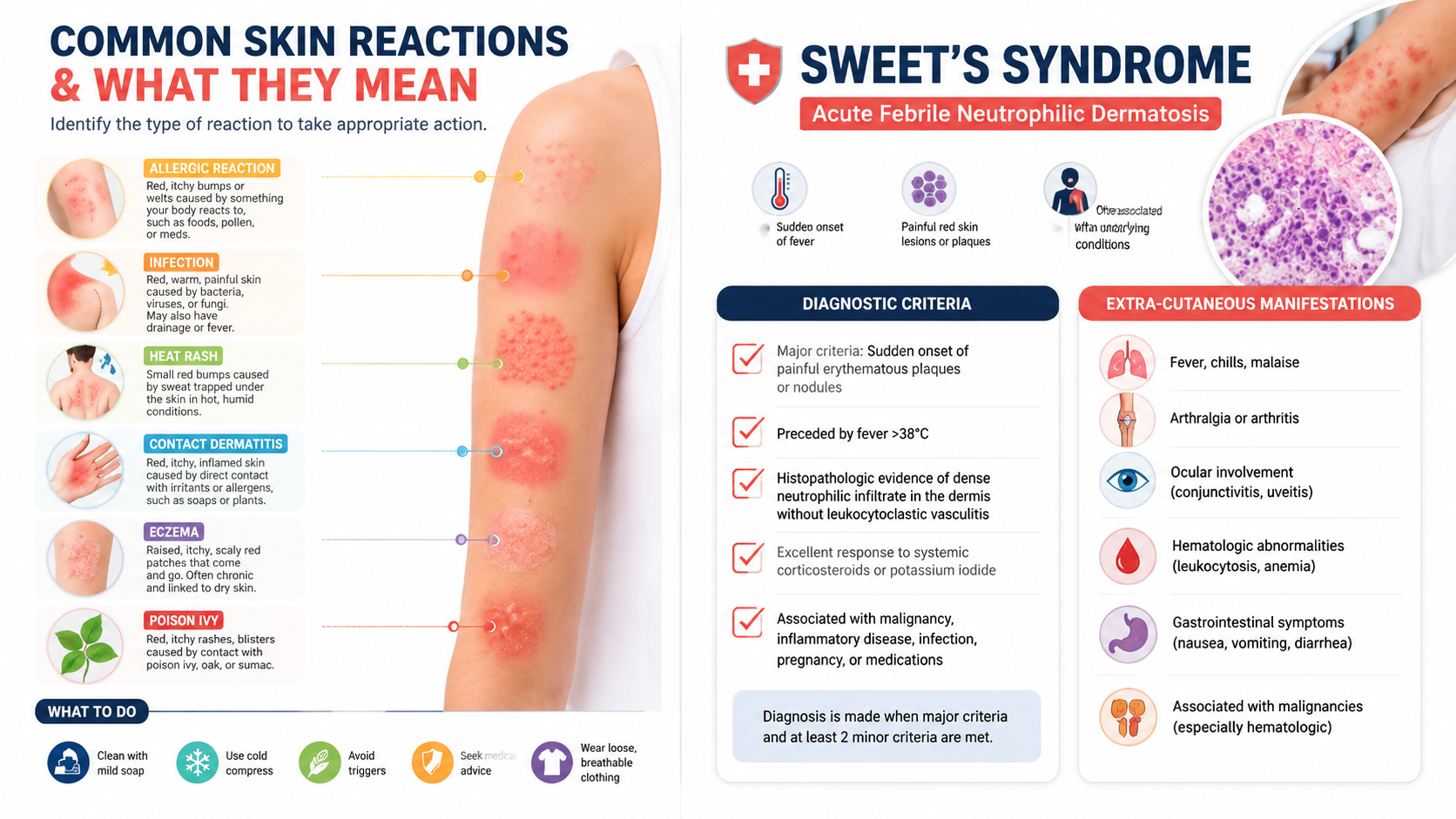
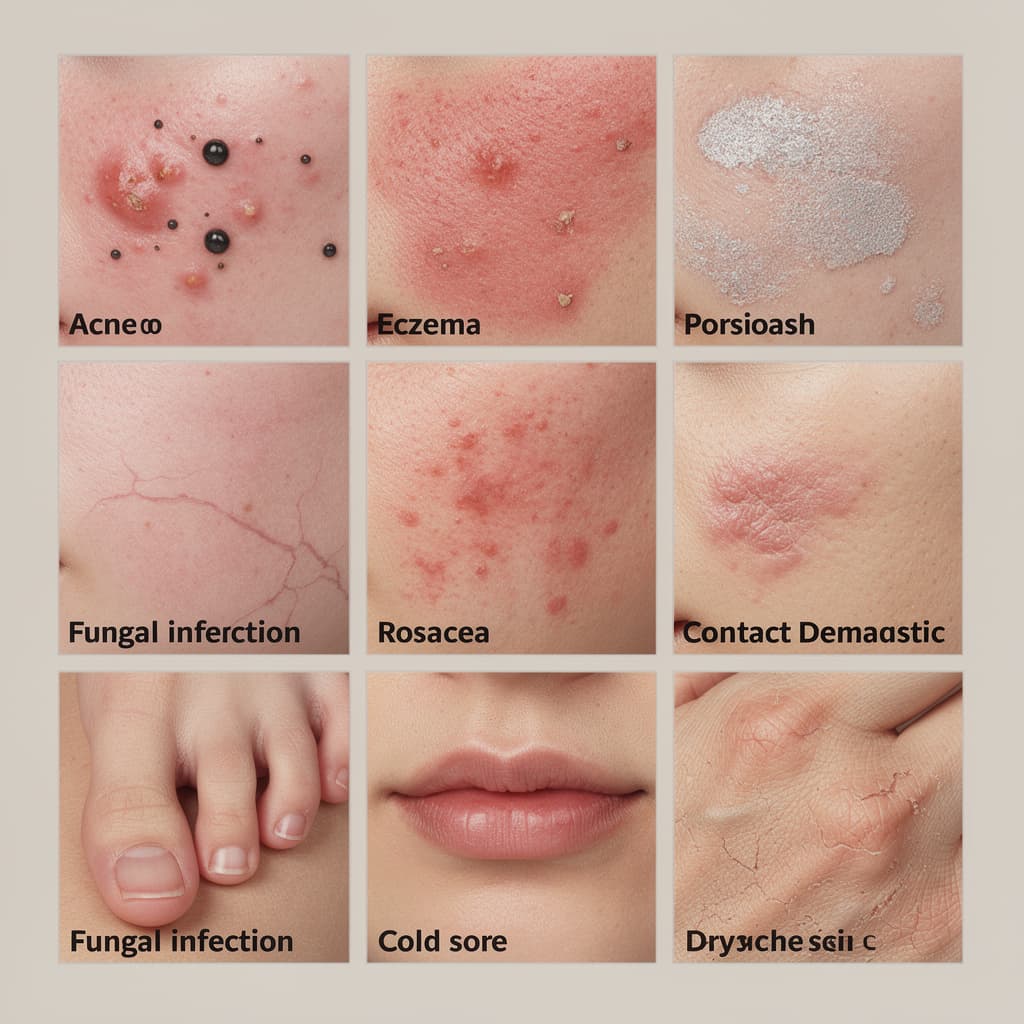
Navigating high-definition cameras, heavy stage makeup, and relentless production schedules presents unique dermatological challenges, especially for actors living with visible, chronic skin conditions. Far from hiding away, many prominent performers openly manage issues like vitiligo, rosacea, acne, and psoriasis. They rely on specialized cosmetic formulas, targeted medical treatments, and disciplined daily skincare routines to protect their skin under studio lights.
The Unique Dermatological Pressures of Film and Television Sets
Working in the entertainment industry exposes an actor's skin to severe environmental and chemical stressors that can easily exacerbate chronic dermatological conditions. High-definition (HD) and 4K camera lenses capture microscopic details, forcing production teams to use high-coverage cosmetics that often clog pores or irritate sensitive barriers. Furthermore, long hours under hot studio lighting cause excessive sweating and dehydration, while frequent makeup applications and removals strip the skin of its natural protective lipids.
For performers with underlying inflammatory skin disorders, these conditions create a persistent cycle of flare-ups. Sweat can trigger stinging and erythema in individuals with rosacea, while heavy occlusive foundations can trap bacteria for those prone to severe acne. Dermatologists working with actors emphasize a barrier-first approach, prioritizing gentle cleansing, intense hydration, and non-comedogenic formulations. Understanding these physiological hurdles explains why specialized skincare management is not merely a vanity choice for actors, but an occupational necessity required to maintain skin health through grueling filming blocks.
Managing Vitiligo in the Spotlight
Vitiligo is an autoimmune condition characterized by the loss of skin pigmentation, resulting in irregular white patches. For high-profile individuals living with the condition, managing its visibility on screen involves a careful balance between medical intervention and professional cosmetic camouflage.
One of the most notable figures to speak openly about vitiligo is supermodel and actress Winnie Harlow. Rather than concealing her depigmented patches, Harlow has embraced them, turning her unique skin pattern into a defining feature of her career. However, for actors who require a uniform skin tone for specific roles or personal preference, dermatological management often includes topical corticosteroids, calcineurin inhibitors, or narrow-band ultraviolet B (NB-UVB) phototherapy to encourage repigmentation during off-seasons. On set, makeup artists utilize airbrush systems, alcohol-based body paints, and waterproof camouflage formulas like Dermablend or Ben Nye to ensure continuity across scenes without irritating sensitive, depigmented areas that lack natural melanin protection against UV radiation.
Navigating Rosacea and Chronic Facial Erythema Under Studio Lights
Rosacea is a common chronic inflammatory skin condition marked by persistent facial redness, prominent blood vessels, and sometimes acne-like pustules. The intense heat from production lighting and emotional stress of performing are classic triggers for rosacea flare-ups, causing sudden vasodilation and flushing.
Actresses like Cynthia Nixon have been vocal about their struggles with adult rosacea, sharing how the condition affects their daily comfort and professional lives. Managing rosacea in the entertainment industry requires strict avoidance of known triggers, combined with prescription topical treatments such as metronidazole, azelaic acid, or brimonidine gel to reduce vascular redness. On set, makeup artists rely on green-toned color-correcting primers to neutralize red undertones before applying foundation. Physical sunscreens containing zinc oxide are also standard practice, as chemical sunscreens can trigger stinging and allergic contact dermatitis in rosacea-prone skin.
Clinical Approaches to Severe Acne and Scarring
Cystic acne and the resulting scarring present significant hurdles for performers who must maintain a consistent facial appearance across continuous shooting schedules. Hormonal fluctuations, stress, and the occlusion caused by heavy theatrical makeup frequently worsen breakouts.
Public figures such as Keke Palmer and Kendall Jenner have shared their transparent journeys with adult acne, demystifying the condition for millions of fans. Their management strategies typically combine dermatological supervision with rigorous clinical treatments. Oral medications, including spironolactone or isotretinoin, are often prescribed under strict medical monitoring for severe, treatment-resistant cases. Topical retinoids and chemical peels help manage cell turnover and prevent clogged pores. When scarring is present, dermatologists may recommend fractional laser resurfacing, microneedling, or dermal fillers between filming cycles to smooth skin texture without interfering with active production timelines.
Comparing Management Strategies for Common Actor Skin Conditions
Different skin conditions demand distinct clinical and cosmetic protocols. The table below outlines how various dermatological issues are typically managed both on and off the set.
| Skin Condition | Primary Clinical Treatment | On-Set Management Strategy | Environmental Triggers | | :ج | :ج | :ج | :ج | | Vitiligo | Topical calcineurin inhibitors, phototherapy | Waterproof airbrush body makeup, high-SPF sun protection | UV radiation, skin trauma (Koebner phenomenon) | | Rosacea | Brimonidine, azelaic acid, metronidazole | Green color-correcting primers, mineral-based foundations | Studio heat, alcohol, spicy foods, stress | | Severe Acne | Retinoids, oral antibiotics, isotretinoin | Non-comedogenic, high-coverage liquid foundations | Heavy occlusive makeup, sweat, hormonal fluctuations | | Psoriasis | Topical corticosteroids, biologics, vitamin D analogues | Gentle hydration layers, flexible patch concealment | Skin injury, cold weather, psychological stress |
Frequently Asked Questions
How do actors prevent makeup from worsening their skin conditions?
Actors prevent makeup damage by utilizing pharmaceutical-grade skincare prep, barrier-repair moisturizers, and strictly non-comedogenic, hypoallergenic cosmetics. Many performers work closely with personal estheticians to perform double-cleansing rituals immediately after wrapping a scene to ensure no pigment or silicone residue remains trapped in the pores overnight.
Can actors use laser treatments while actively filming?
Most ablative laser treatments require weeks of downtime due to peeling, swelling, and redness, making them incompatible with active filming. However, dermatologists often schedule non-ablative lasers, light chemical peels, or LED light therapy during hiatus periods because these procedures cause minimal downtime while controlling inflammation.
Do makeup artists use special products for sensitive skin on set?
Professional makeup artists maintain specialized kits featuring fragrance-free, paraben-free, and mineral-based foundations specifically for actors with reactive skin. These formulas minimize the risk of contact dermatitis and allow for breathable coverage that stands up to high-definition cameras without suffocating the skin barrier.
How do performers protect depigmented skin from UV damage?
Performers with vitiligo must maintain rigorous sun protection protocols because depigmented patches lack natural melanin and burn very easily. Broad-spectrum sunscreens with an SPF of 50 or higher, UPF-rated protective clothing, and UV-blocking films on trailer and car windows are standard preventative measures used year-round.
What role does diet play in managing actors' skin conditions?
While individual triggers vary, many actors adopt anti-inflammatory diets rich in omega-3 fatty acids, antioxidants, and hydration to support skin resilience. Eliminating dairy, refined sugars, and high-glycemic foods is a common dietary adjustment recommended by nutritionists to help reduce systemic inflammation linked to acne and rosacea flare-ups.
Prioritizing Skin Health and Professional Longevity
Maintaining healthy skin under the intense demands of the entertainment industry requires a disciplined partnership between performers, dermatologists, and professional makeup teams. By prioritizing barrier repair, utilizing targeted medical therapies, and employing specialized cosmetic techniques, actors successfully manage visible skin conditions while maintaining demanding production schedules. Anyone navigating similar chronic skin concerns should consult a board-certified dermatologist to develop a personalized management plan tailored to their specific physiological needs and lifestyle.