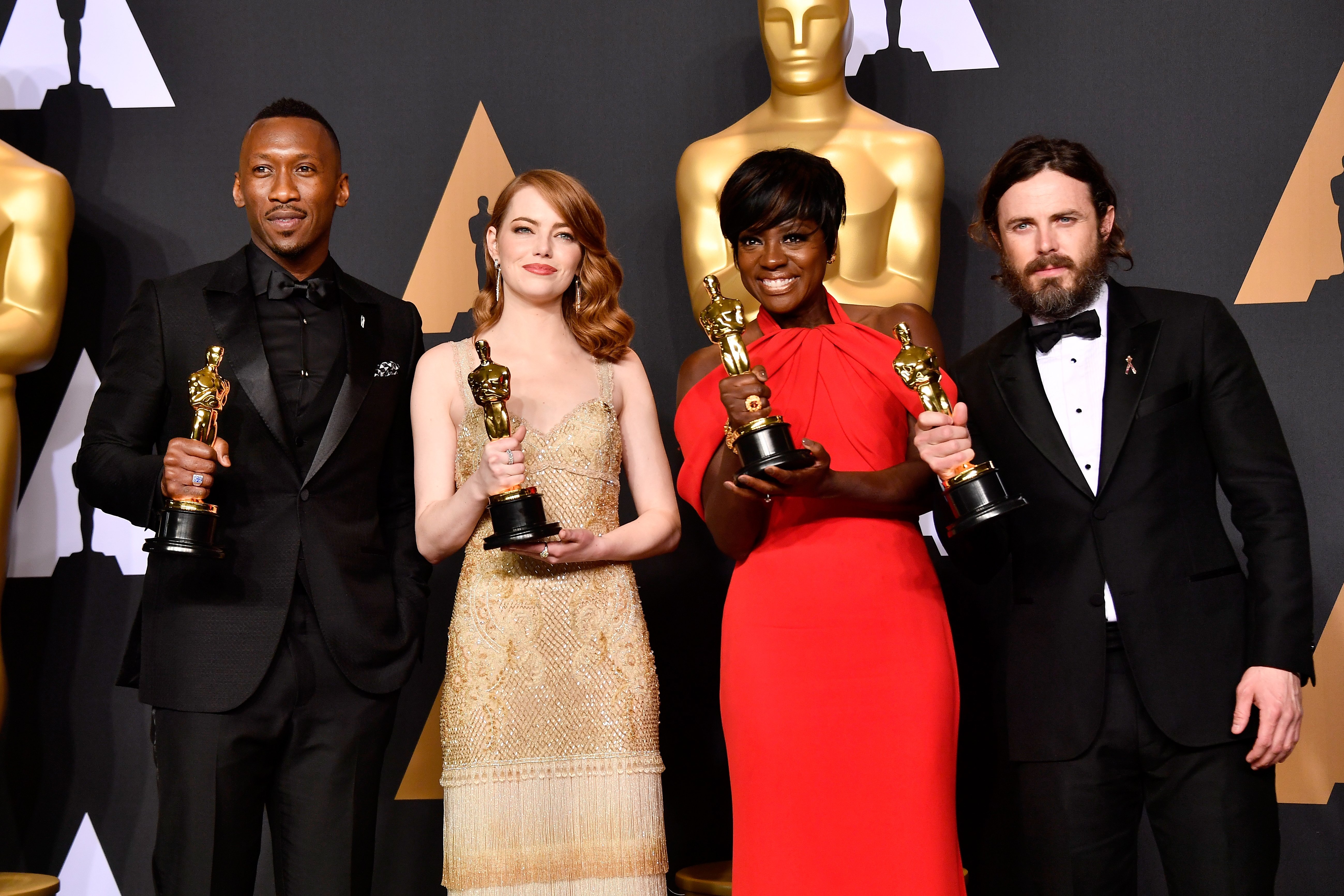
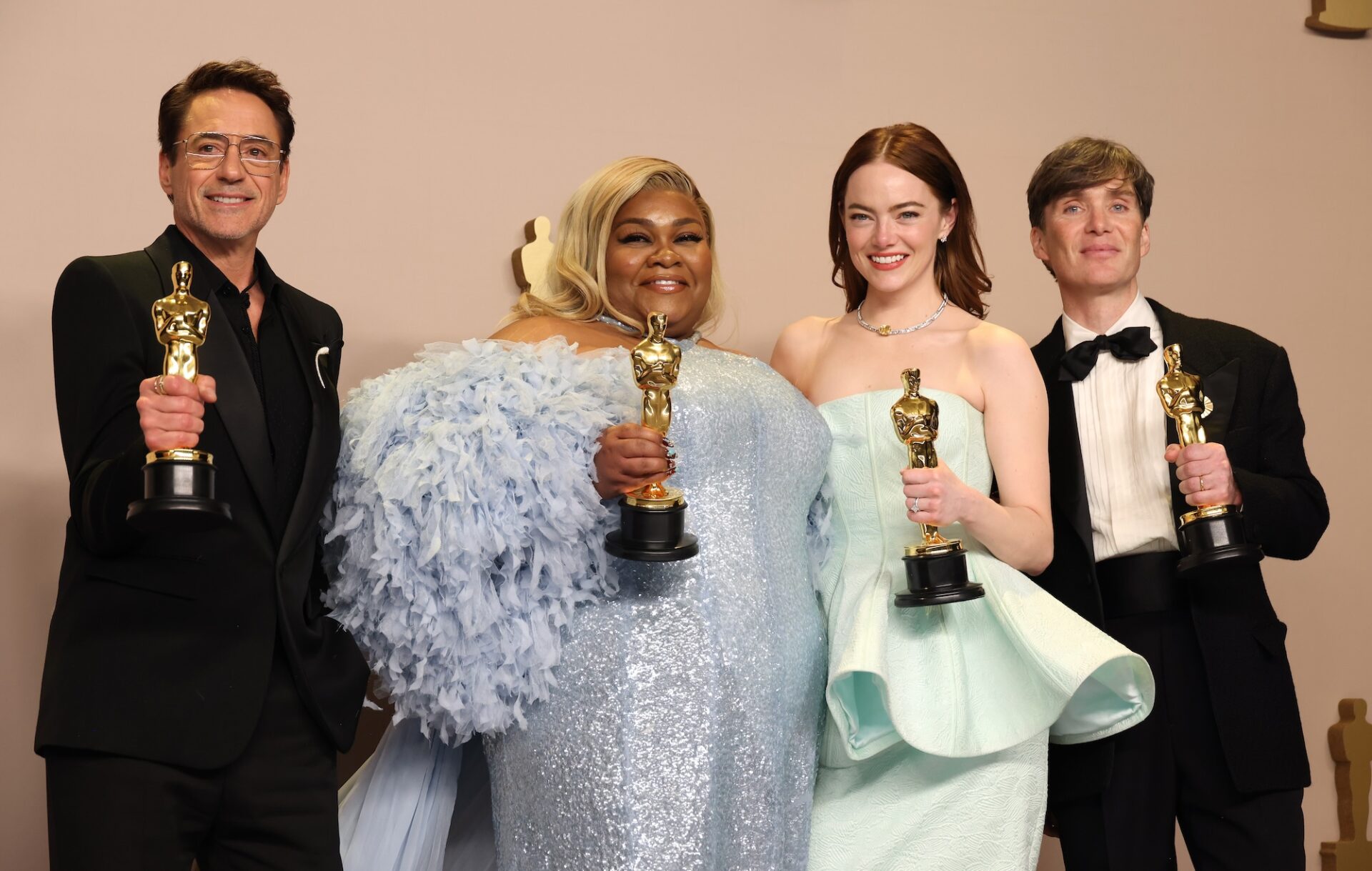
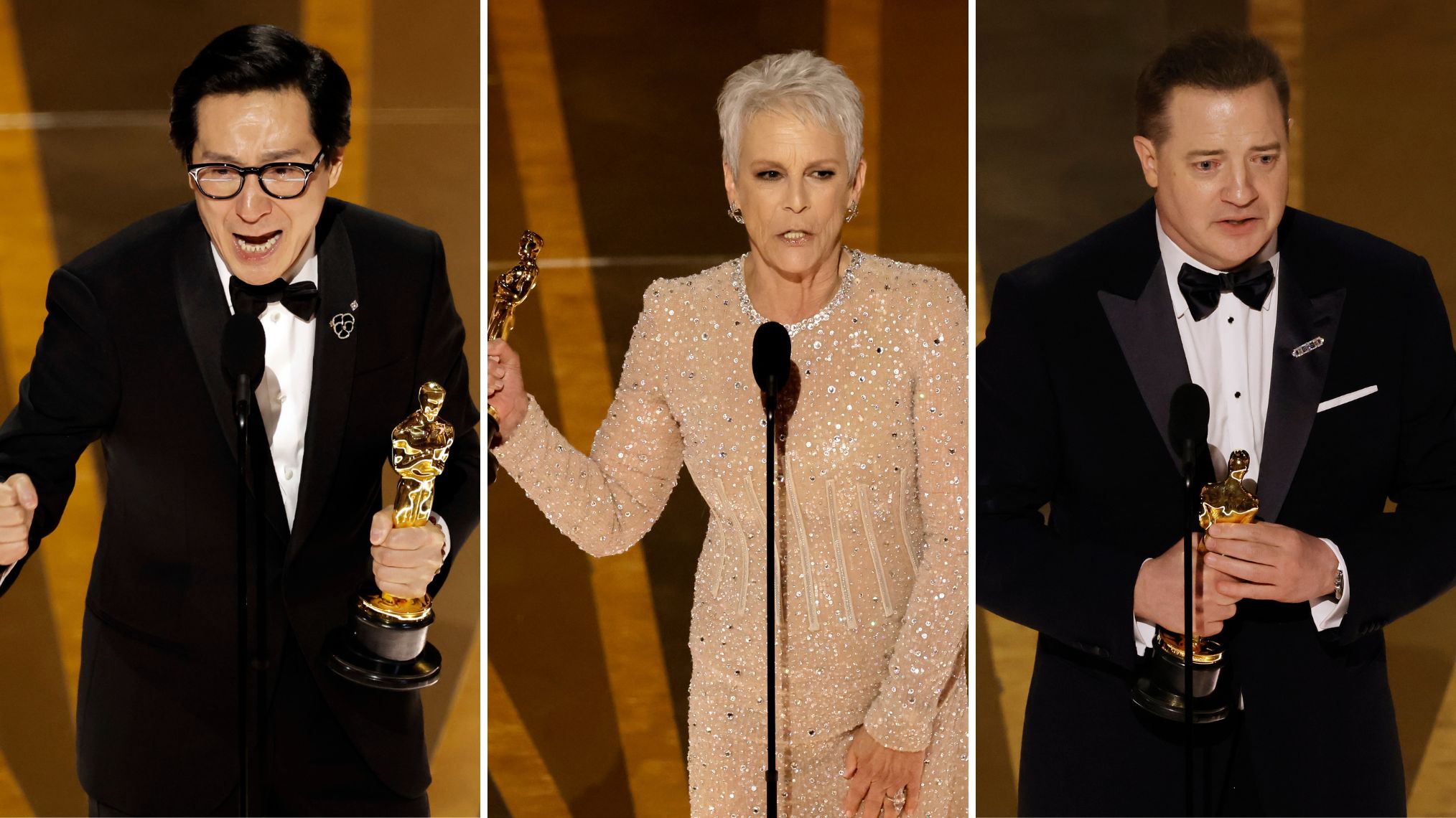
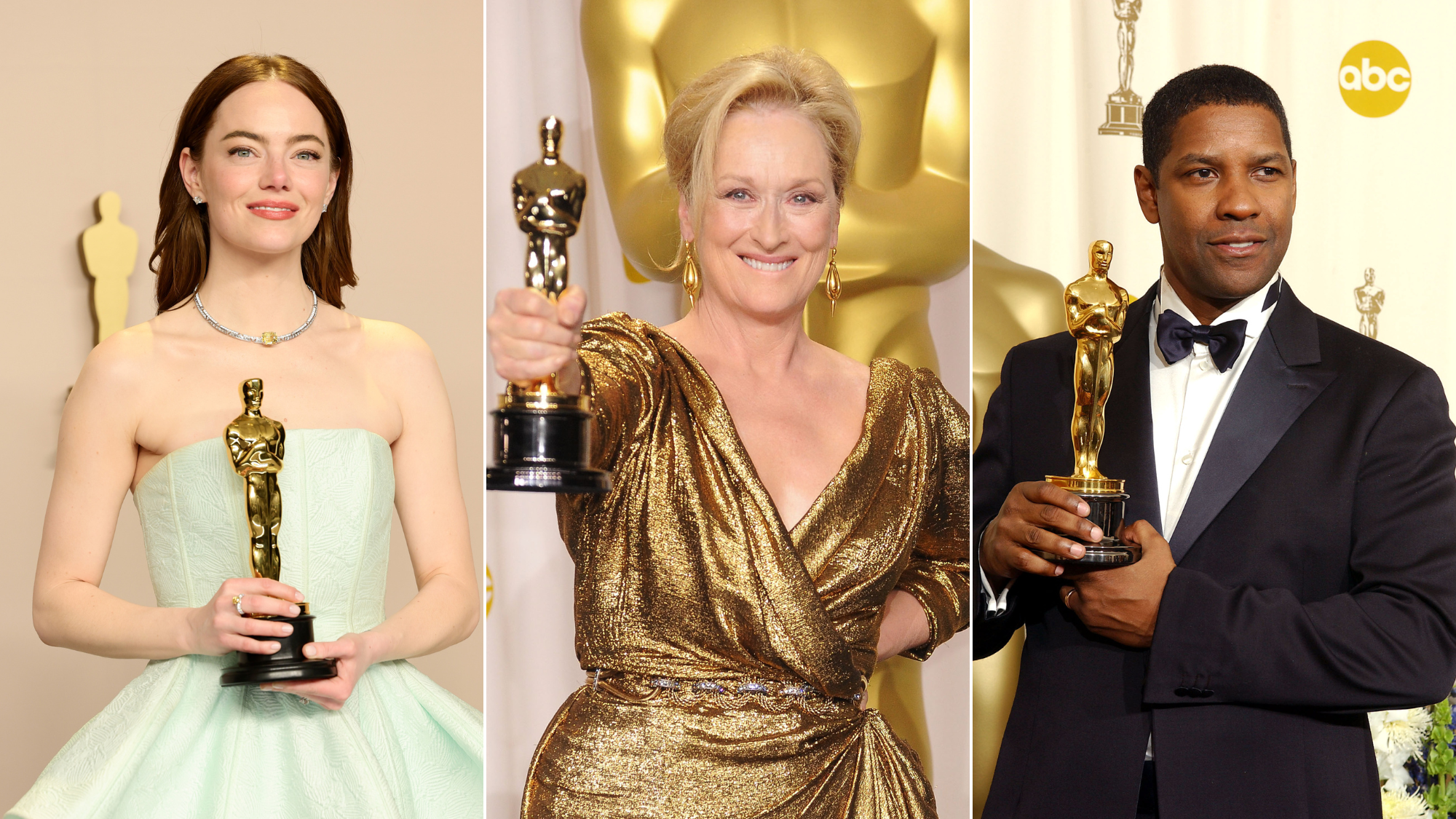
When evaluating cinematic excellence, the Academy Awards—commonly known as the Oscars—stand as the industry's most prestigious benchmark. Understanding who holds the record for the most acting wins requires looking beyond a simple tally to examine the historical context of competitive performance categories, Academy voting habits, and the elite group of performers who have achieved multiple victories.
The Academy of Motion Picture Arts and Sciences (AMPAS) presents competitive acting awards in four distinct categories: Best Actor, Best Actress, Best Supporting Actor, and Best Supporting Actress. While many performers have earned multiple nominations over decades of filmmaking, only a select few have secured three or more competitive Academy Awards. Katharine Hepburn holds the absolute record for the most competitive acting wins by any individual, capturing four Oscars across a legendary career, while a small group of legendary performers have secured three wins.
Understanding Academy Award Categories and Historical Criteria
To fully appreciate the complete winners list of actors with the most Oscars, one must understand how the Academy structures its competitive acting awards. Established in 1929, the Academy Awards initially featured fewer categories before expanding to recognize supporting performances in 1936.
The four primary acting categories are weighted equally in terms of prestige, though historical voting patterns have sometimes favored dramatic heavyweights over comedic performances.
- Best Actor in a Leading Role: Recognizes the male actor who delivers the finest principal performance in a motion picture.
- Best Actress in a Leading Role: Recognizes the female actor who delivers the finest principal performance in a motion picture.
- Best Actor in a Supporting Role: Recognizes the male actor who delivers the finest secondary performance.
- Best Actress in a Supporting Role: Recognizes the female actor who delivers the finest secondary performance.
Eligibility requires a film to have a qualifying theatrical run in Los Angeles County within a specific calendar year and to meet technical submission standards set by the Academy. Performers are nominated through a single-transferable vote system by members of their respective branch—actors voting for actors—while the entire Academy membership votes on the final winners. This peer-review structure explains why career longevity, respected dramatic turns, and industry goodwill often heavily influence final outcomes.
Complete Winners List: Actors with Three or More Competitive Oscars
Achieving multiple Academy Award wins requires a rare combination of raw talent, project selection, and industry durability. Only a handful of performers have won three or more competitive acting Oscars in Academy history. Katharine Hepburn leads this elite tier, followed by a distinguished group of three-time winners who have shaped the landscape of modern cinema.
| Actor / Actress | Total Competitive Wins | Categories Won | Winning Films and Years |
|---|---|---|---|
| Katharine Hepburn | 4 | Best Actress | Morning Glory (1933), Guess Who's Coming to Dinner (1967), The Lion in Winter (1968), On Golden Pond (1981) |
| Meryl Streep | 3 | Supporting Actress, Lead Actress, Lead Actress | Kramer vs. Kramer (1979), Sophie's Choice (1982), The Iron Lady (2011) |
| Daniel Day-Lewis | 3 | Best Actor | My Left Foot (1989), There Will Be Blood (2007), Lincoln (2012) |
| Jack Nicholson | 3 | Lead Actor, Supporting Actor, Lead Actor | One Flew Over the Cuckoo's Nest (1975), Terms of Endearment (1983), As Good as It Gets (1997) |
| Ingrid Bergman | 3 | Supporting Actress, Lead Actress, Lead Actress | Gaslight (1944), Anastasia (1956), Murder on the Orient Express (1974) |
| Walter Brennan | 3 | Supporting Actor | Come and Get It (1936), Kentucky (1938), The Westerner (1940) |
| Frances McDormand | 3 | Best Actress | Fargo (1996), Three Billboards Outside Ebbing, Missouri (2017), Nomadland (2020) |
Analyzing this roster reveals distinct career trajectories. For instance, Walter Brennan achieved his three supporting wins in a remarkably compressed timeframe during Hollywood's Golden Age, a record for male actors that stood alone for decades. Daniel Day-Lewis stands out as the only male actor in history to win three competitive Best Actor trophies, a feat accomplished by committing exclusively to method-driven, highly selective leading roles.
The Undisputed Record Holder: Katharine Hepburn
Katharine Hepburn’s record of four competitive Academy Award wins for Best Actress remains unbroken. What makes Hepburn’s record particularly notable is that she achieved these victories across nearly five decades, adapting from the studio system era of the 1930s into the independent cinema landscape of the 1980s.
Interestingly, despite her record-breaking number of wins, Hepburn famously never attended the Academy Awards ceremony to accept any of her competitive trophies in person. Her first win came for Morning Glory (1933), followed by a long dry spell characterized by critical slumps and theater work, before she mounted a historic career renaissance. She secured her second and third consecutive Oscars for Guess Who's Coming to Dinner (1967) and The Lion in Winter (1968)—sharing the latter win in a historic tie with Barbra Streisand—before capping her film career with On Golden Pond (1981).
Her career blueprint demonstrated that longevity in Hollywood depends on transitioning from glamorous leading lady roles to complex, intellectually demanding character studies that challenge prevailing cultural norms regarding aging women in film.
Two-Time Winners and Notable Nominee Milestones
While winning three or more Oscars places a performer in an exclusive historical tier, a larger group of esteemed actors has won two competitive Academy Awards. This roster includes cinematic icons such as Bette Davis, Marlon Brando, Elizabeth Taylor, Tom Hanks, Cate Blanchett, Denzel Washington, Jane Fonda, and Anthony Hopkins.
When evaluating these two-time winners, nomination volume provides additional context regarding industry esteem. Meryl Streep holds the all-time record for the most acting nominations in Academy history, having amassed over twenty nods despite converting those nominations into three wins. Similarly, actors like Jack Nicholson earned numerous nominations across both leading and supporting categories, demonstrating remarkable versatility.
Key Takeaway: Nomination counts often reflect industry persistence and versatility, whereas multiple wins frequently align with cultural timing, transformative physical or emotional performances, and alignment with the Academy's historical preference for dramatic intensity.
Dual winners also highlight the shifting nature of Hollywood eras. Performers from the mid-20th century studio system operated under exclusive studio contracts that guaranteed a high volume of annual film releases, whereas contemporary actors typically curate independent slates, resulting in fewer total career credits but deeply intensive campaign cycles designed to sway Academy voters.
Common Misconceptions About Oscar-Winning Actors
Discussions surrounding actors with the most Oscars frequently involve misconceptions regarding honorary awards, ties, and cross-category achievements. Clarifying these details ensures historical accuracy when examining Academy records.
- Honorary Oscars Do Not Count Toward Competitive Totals: Performers like Peter O'Toole, Lauren Bacall, and Katharine Hepburn received honorary Academy Awards recognizing their overall career contributions. While prestigious, these are tracked separately from competitive, voted categories.
- Ties Are Extremely Rare: Although the Academy voting process makes ties mathematically possible, they have occurred only twice in acting categories throughout history: Fredric March and Wallace Beery tied for Best Actor in 1932, and Katharine Hepburn tied with Barbra Streisand for Best Actress in 1969.
- Lead vs. Supporting Distinctions: Studios occasionally engage in "category fraud"—campaigning a clearly leading performance in the supporting category to increase the likelihood of a win. However, historic multi-winners generally earned their trophies through undeniable dominance in their designated fields.
Navigating these nuances prevents conflating lifetime achievement recognitions with the rigorous, competitive ballot tallies that define the ultimate acting records.
How Academy Voting Dynamics Impact Multi-Win Careers
The mechanics of how Academy members vote significantly influence which actors secure multiple Oscars. The Academy is divided into specialized branches, meaning actors make up the largest single voting block in the organization. Because actors understand the technical demands of screen performance, they often reward displays of radical physical transformation, emotional vulnerability, or courageous artistic choices.
Furthermore, historical analysis indicates that campaign momentum plays a decisive role. Studios invest millions of dollars in marketing campaigns during awards season—running between November and February—to keep specific contenders top-of-mind for voting members. Actors who win multiple times often possess deep professional networks within the industry, ensuring their work receives serious consideration even in competitive years.
Frequently Asked Questions
Which actor has the most Oscars of all time?
Katharine Hepburn holds the record for the most competitive acting Oscars of all time, winning four Academy Awards for Best Actress. All of her wins were in the leading role category, a record that remains unsurpassed in cinema history.
Has any actor won three Best Actor Oscars?
Daniel Day-Lewis is the only male actor in Academy history to win three competitive Best Actor trophies. He secured these awards for his performances in My Left Foot (1989), There Will Be Blood (2007), and Lincoln (2012).
Who has the most acting nominations in Oscar history?
Meryl Streep holds the record for the most acting nominations in Academy Awards history, having earned over twenty nods across her extensive film career, resulting in three competitive wins.
Do honorary Academy Awards count toward competitive records?
No, honorary or Academy Honorary Awards do not count toward competitive acting totals. Competitive wins require a performer to be nominated and selected through the official voting ballots distributed to Academy members for specific annual releases.
How many actors have won two Academy Awards?
Dozens of performers have won two competitive Academy Awards. This distinguished group includes legendary figures such as Marlon Brando, Elizabeth Taylor, Tom Hanks, Cate Blanchett, Jodie Foster, and Michael Caine.
What is the difference between a leading and supporting Oscar?
The leading actor and actress categories recognize principal performers who carry the narrative core of a film. The supporting categories recognize secondary performers whose contributions enhance the central plot and character dynamics without anchoring the entire production.
Verifying Future Records and Next Actions
For film enthusiasts tracking contemporary awards season developments, verifying official Academy statistics requires consulting primary records maintained by the Academy of Motion Picture Arts and Sciences. As active performers continue to rack up nominations, monitoring upcoming cinematic releases and guild award precursors—such as the Screen Actors Guild (SAG) Awards—provides reliable early indicators of which actors may soon join the elite multi-winner registry. Reviewing historical voting trends, tracking category placements, and examining the rigorous criteria utilized by voting branches remain the most effective methods for analyzing ongoing Oscar history.