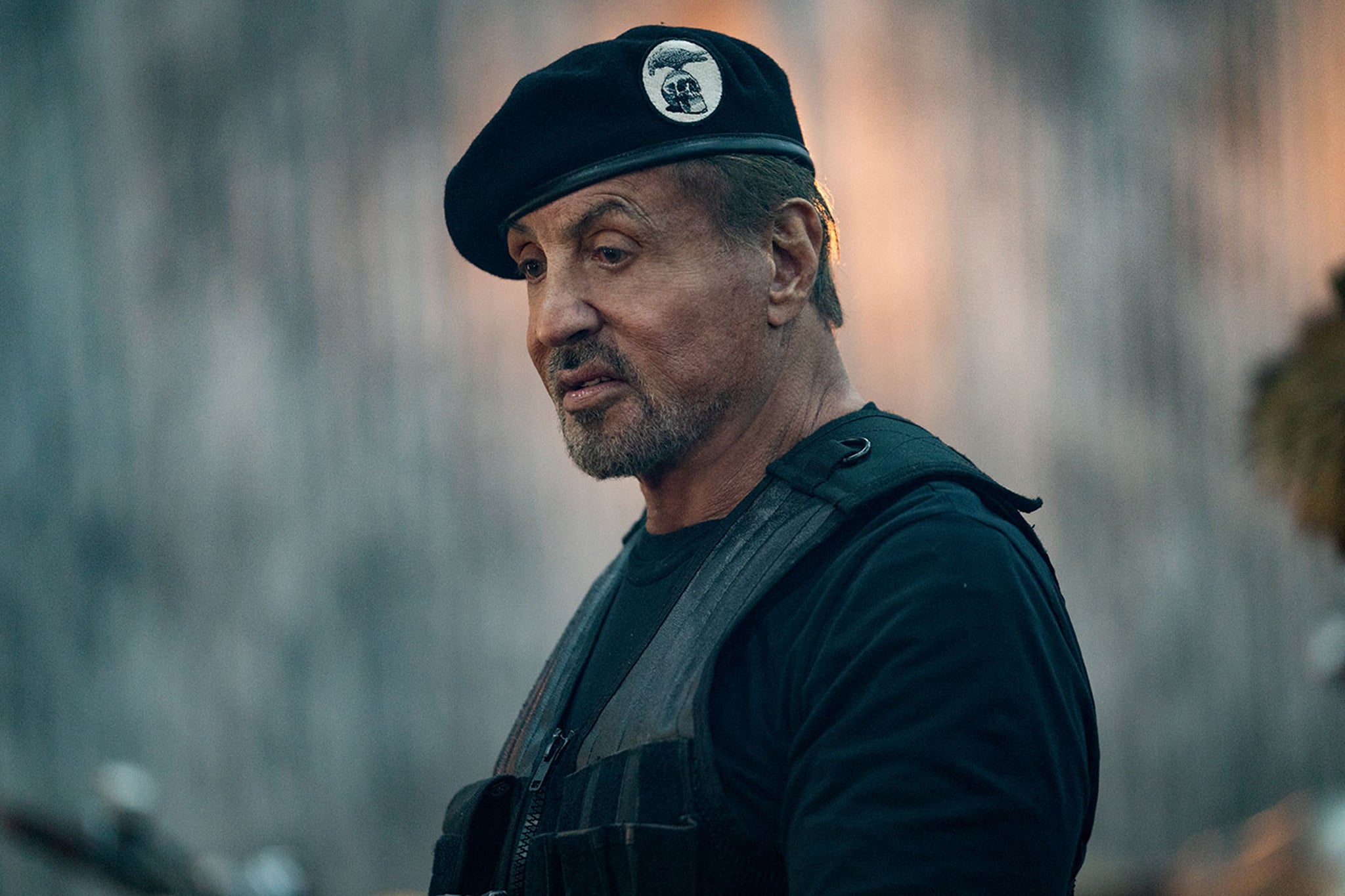
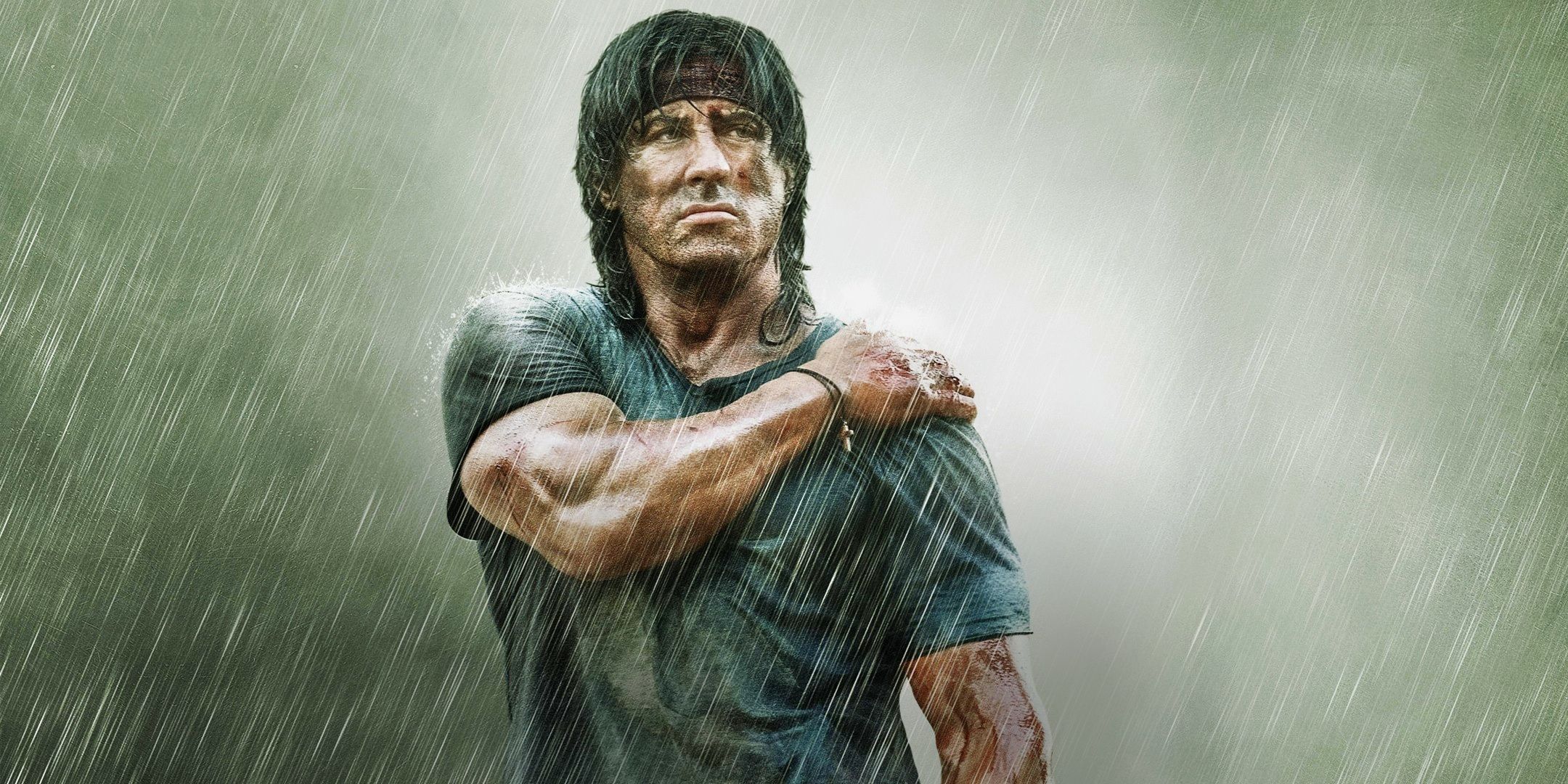
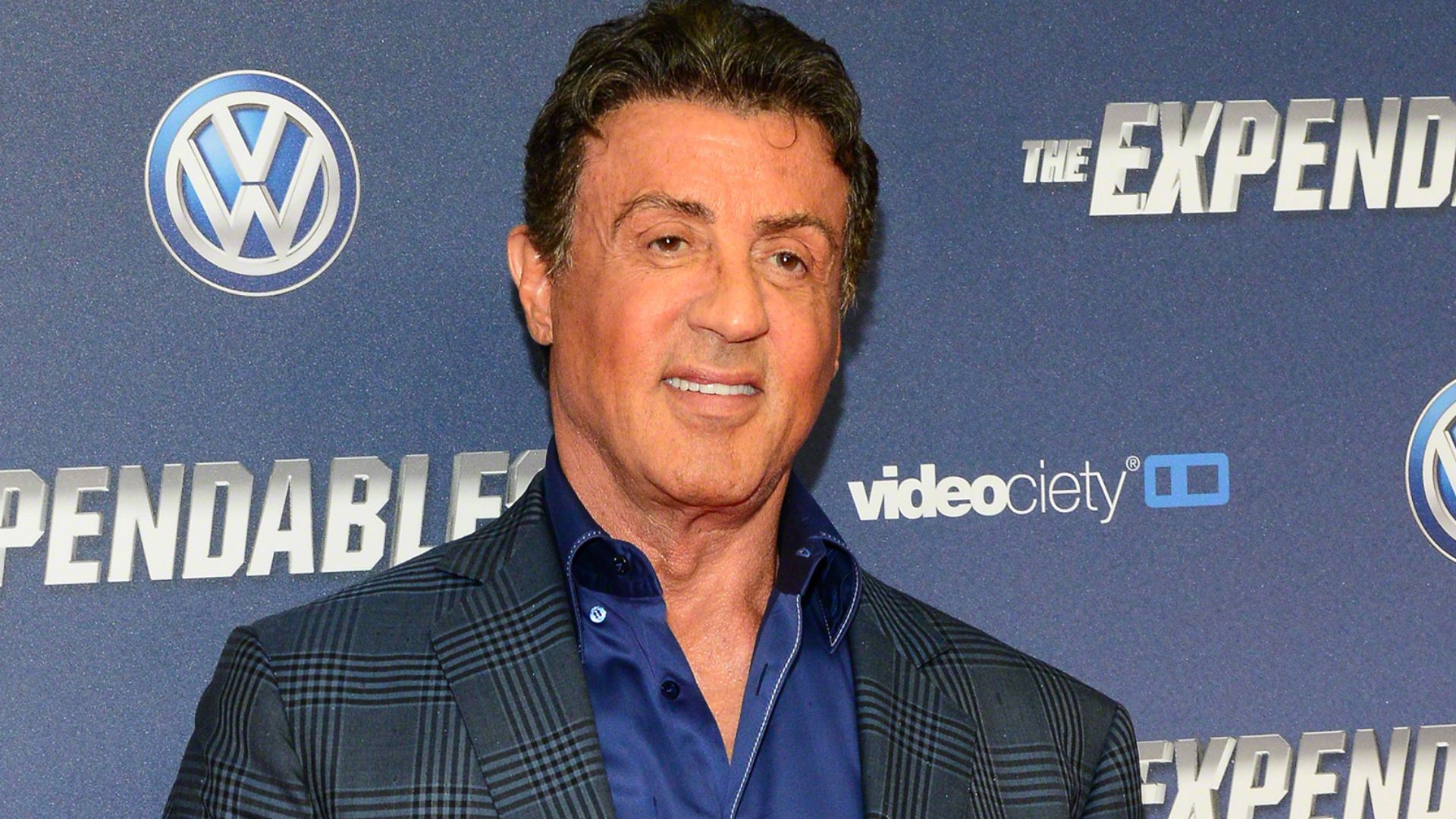
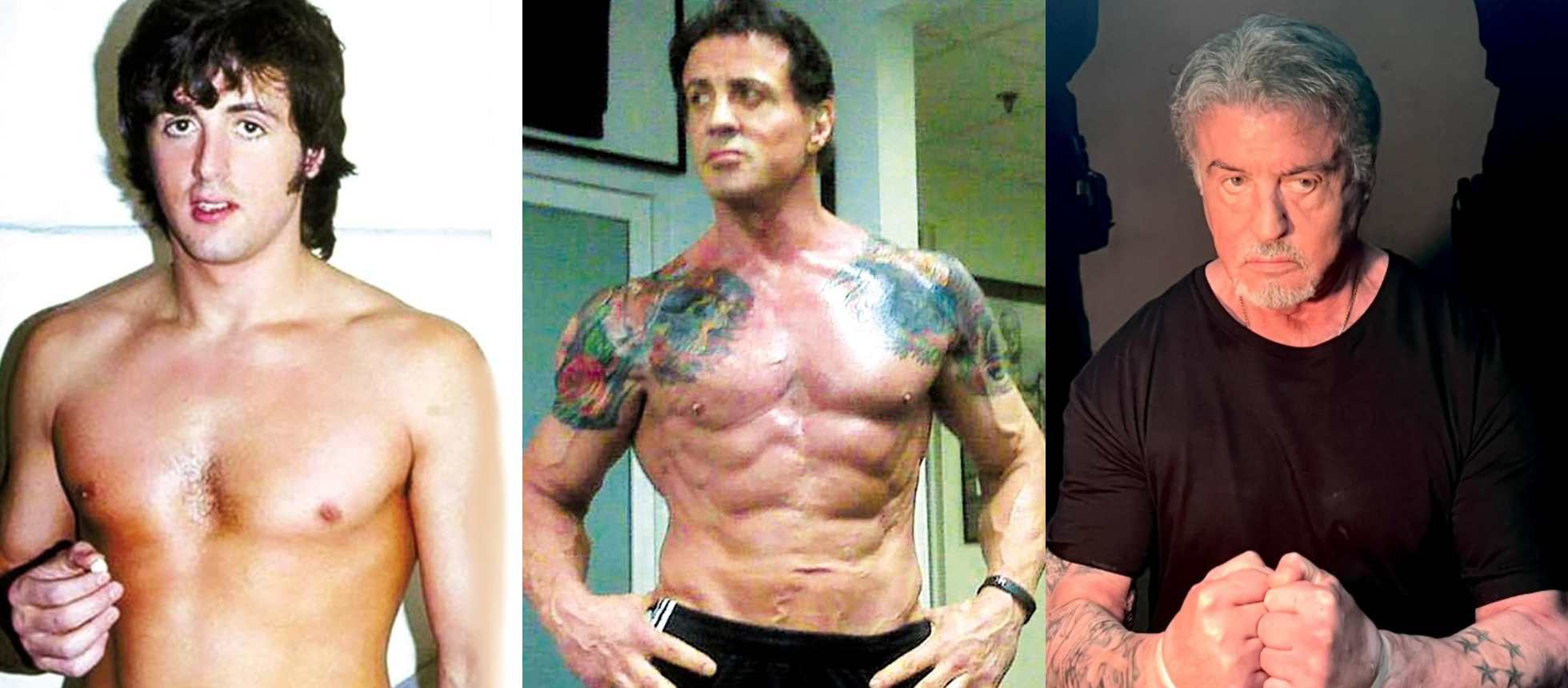
Actors like Sylvester Stallone are defined by a unique combination of physical presence, underdog charisma, and a "one-man army" persona that balances raw grit with emotional vulnerability. While many performers lead action films, true peers to Stallone—such as Arnold Schwarzenegger, Jason Statham, and Dwayne Johnson—are those who have built entire cinematic legacies around the "ultimate action hero" archetype.
The Sylvester Stallone blueprint is not merely about muscle; it is about the "damaged warrior" who overcomes insurmountable odds through sheer willpower. Whether it is the blue-collar resilience of Rocky Balboa or the haunted intensity of John Rambo, Stallone set a standard for leading men that prioritized physical storytelling and the myth of the individual. In 2026, as we look back at the evolution of the genre, several actors stand out as the spiritual and physical successors to this legendary mantle.
Defining the Stallone Archetype: Physicality and Heart
To understand which actors are like Sylvester Stallone, one must first deconstruct what makes Stallone a unique entity in Hollywood history. Unlike many of his contemporaries, Stallone was a creator of his own mythos. He wrote Rocky because he was an outsider who refused to take "no" for an answer, a trait that bled into almost every character he played.
The "Stallone Hero" typically possesses three core traits:
- Vulnerability: He is often beaten down, bleeding, or emotionally scarred before his eventual triumph.
- Physicality: A commitment to a rugged, hyper-masculine physique that serves as a visual shorthand for discipline and strength.
- The Underdog Narrative: Even when playing a super-soldier, there is a sense that the character is fighting against a corrupt system or a more powerful establishment.
In the decades following the 1970s, very few actors managed to capture this specific "working-class hero" energy while maintaining the status of a global action icon. However, those who did became the pillars of the genre.
The Golden Era Rivals: Schwarzenegger and the 80s Icons
The most immediate comparison to Sylvester Stallone is, and will always be, Arnold Schwarzenegger. During the 1980s and 90s, the two engaged in a legendary box-office rivalry that defined the "Action Hero" era. While Stallone brought a more soulful, dramatic weight to his roles, Schwarzenegger provided the larger-than-life, almost indestructible spectacle.
Schwarzenegger’s roles in Commando, The Terminator, and Predator mirrored Stallone’s Rambo in their depiction of the lone warrior. However, the "Arnold" style was often more focused on quips and overwhelming power, whereas Stallone’s work focused on the struggle. Despite these differences, they share the same DNA: they are the architects of the modern blockbuster franchise.
Bruce Willis also emerges as a key figure in this category. With Die Hard, Willis introduced the "relatable" action hero—someone who gets hurt, complains, and isn't necessarily a bodybuilder. This mirrored the vulnerability Stallone brought to Rocky, proving that the ultimate action hero didn't have to be a superhero; he just had to be the last man standing.
Modern Successors: Carrying the Torch in the 21st Century
As the genre moved into the 2000s and beyond, a new generation of actors adopted the Stallone methodology of franchise-building and physical dedication.
Jason Statham: The Gritty Specialist
Jason Statham is perhaps the closest modern equivalent to the "no-nonsense" Stallone of the 1980s. Emerging from the British indie scene, Statham’s roles in The Transporter, Crank, and The Mechanic showcase a stoic, physically capable hero who often operates outside the law. Like Stallone, Statham performs many of his own stunts and maintains a level of physical authenticity that resonates with fans of old-school action. His inclusion in The Expendables franchise alongside Stallone was a symbolic passing of the torch.
Dwayne "The Rock" Johnson: The Franchise Revitalizer
Dwayne Johnson captures the "larger-than-life" aspect of the Stallone/Schwarzenegger era. Johnson’s career is built on a foundation of extreme physical discipline and an innate ability to connect with a global audience. While his roles often lean more toward family-friendly spectacle than Stallone’s grittier fare, his presence in the Fast & Furious series and San Andreas reinforces the idea of the "unbreakable man" who can move mountains (sometimes literally) to protect his family.
Vin Diesel: The Architect of Modern Mythology
Vin Diesel’s career mirrors Stallone’s in a specific way: he is a producer and creator who builds worlds. Just as Stallone has Rocky and Rambo, Diesel has Fast & Furious and Riddick. Diesel leans heavily into the "tough guy with a heart of gold" trope, emphasizing the importance of loyalty and "family," a theme that was central to Stallone’s Rocky sequels and Creed.
Comparison of Ultimate Action Hero Metrics
The following table compares the career characteristics of actors who most closely align with the Sylvester Stallone model of the "Ultimate Action Hero."
| Actor | Primary Archetype | Signature Franchise | Key Trait | Physical Style |
|---|---|---|---|---|
| Sylvester Stallone | The Resilient Underdog | Rocky, Rambo | Emotional Depth | Gritty / Boxing-based |
| Arnold Schwarzenegger | The Indestructible Force | Terminator, Predator | Charismatic Power | Bodybuilding / Heavy Arms |
| Jason Statham | The Stoic Professional | The Transporter | Combat Precision | Martial Arts / Tactical |
| Dwayne Johnson | The Modern Titan | Fast & Furious | Universal Appeal | Powerhouse / Wrestling |
| Bruce Willis | The Everyman Hero | Die Hard | Relatability | Scrappy / Brawling |
| Tom Cruise | The Death-Defying Icon | Mission: Impossible | Stunt Commitment | High-Octane / Athletic |
The "One-Man Army" Philosophy: Grit and Stoicism
Beyond the household names, a subset of actors has specialized in the "one-man army" subgenre that Stallone popularized with First Blood. This style of filmmaking requires an actor who can carry a film almost entirely on their own, often with minimal dialogue but high physical stakes.
Keanu Reeves redefined this for the modern era with John Wick. While Reeves’ background is more varied, his commitment to "Gun-fu" and tactical training echoes the weapon-specialist nature of John Rambo. The John Wick series revitalized the "revenge" action movie, proving that audiences still crave the narrative of a single, highly skilled individual taking on a sea of enemies.
Similarly, Scott Adkins has become the king of the modern direct-to-action market. Though he lacks the theatrical box-office numbers of Stallone, his dedication to martial arts and the "tough guy" persona has earned him a cult following. Adkins represents the "pure" action star—someone whose value is tied directly to their physical prowess and ability to sell a fight scene, much like the action stars of the 1980s.
Evolution of the Action Hero: From Muscle to Tactical
By 2026, the definition of an "actor like Sylvester Stallone" has shifted slightly. While the massive physiques of the 80s remain popular, there is an increased emphasis on tactical realism. Stallone himself adapted to this, moving from the shirtless warrior of Rambo: First Blood Part II to the tactical team leader in The Expendables and the aging mobster in Tulsa King.
Modern heroes like Chris Hemsworth (Extraction) and Henry Cavill (The Ministry of Ungentlemanly Warfare) blend traditional Stallone-esque physicality with modern military tactics. They represent the "Tactical Hero"—someone who is physically imposing but relies as much on high-tech weaponry and strategic planning as they do on their fists. This evolution ensures that the archetype Stallone helped create remains relevant in a world where audiences demand more complex choreography and realistic combat scenarios.
Why These Stars Still Resonate in 2026
The enduring popularity of actors like Sylvester Stallone lies in the fundamental human desire to see an individual overcome adversity. In an era of superhero films dominated by CGI and capes, the Stallone-style hero offers something grounded and tangible. When you watch a Stallone movie—or a movie starring his successors like Statham or Johnson—you are watching a human being (however heightened) push their limits.
This "human-centric" action is what keeps these franchises alive. Even as Stallone has moved into his 80s, his influence is felt in every gritty reboot and every new "tough guy" who steps onto the screen. The ultimate action hero is not just someone who can win a fight; they are someone who refuses to stay down.
Frequently Asked Questions
Who is the modern equivalent of Sylvester Stallone?
The most accurate modern equivalent is Jason Statham. Statham shares Stallone’s grit, his background in physical athletics, and his preference for "old-school" action where the hero relies on their hands and basic weaponry. Like Stallone, Statham has built a career as a reliable, tough-as-nails leading man who often plays characters with a strict moral code, even if they operate outside the law.
Did Sylvester Stallone do his own stunts?
Stallone is famous for doing a significant portion of his own stunts, which often led to serious injuries. During the filming of Rocky IV, a punch from Dolph Lundgren sent him to intensive care, and he broke his neck while filming The Expendables. This commitment to physical authenticity is a hallmark of the "ultimate action hero" and is a trait shared by modern stars like Tom Cruise and Keanu Reeves.
Which actor has the most similar career path to Stallone?
Vin Diesel has a very similar career trajectory. Like Stallone, Diesel was a struggling actor who took his career into his own hands by writing and directing his own short films and features (such as Multi-Facial and Strays). Both actors are known for creating and producing their own massive franchises and have built a persona around being a "tough guy" with a deep, gravelly voice and a focus on loyalty.
How did the "Action Hero" archetype change since the 1980s?
The archetype has shifted from the "invincible muscle-man" to the "vulnerable professional." While 80s heroes like Rambo were almost mythological figures, modern heroes are often portrayed as having more technical skill and tactical awareness. However, the core of the character—the lone individual fighting for a cause—remains identical to the template Stallone established decades ago.
What are the must-watch movies for fans of Stallone-style action?
For those seeking the "Stallone vibe," the essential watch list includes The Terminator (Schwarzenegger), The Transporter (Statham), Fast Five (Johnson/Diesel), John Wick (Reeves), and Commando (Schwarzenegger). These films capture the essence of the "ultimate action hero" through high-stakes combat, physical dominance, and iconic leading performances.
Exploring the Action Legacy Further
If you are looking to dive deeper into the world of action cinema, focus on the "Founder Franchises." Watching the evolution from First Blood (1982) to The Expendables 4 provides a roadmap of how the genre has aged and adapted. For a modern perspective, follow the work of directors like Chad Stahelski or Sam Hargrave, who prioritize the physical performance of their actors, keeping the Stallone tradition of "real" action alive for new generations.