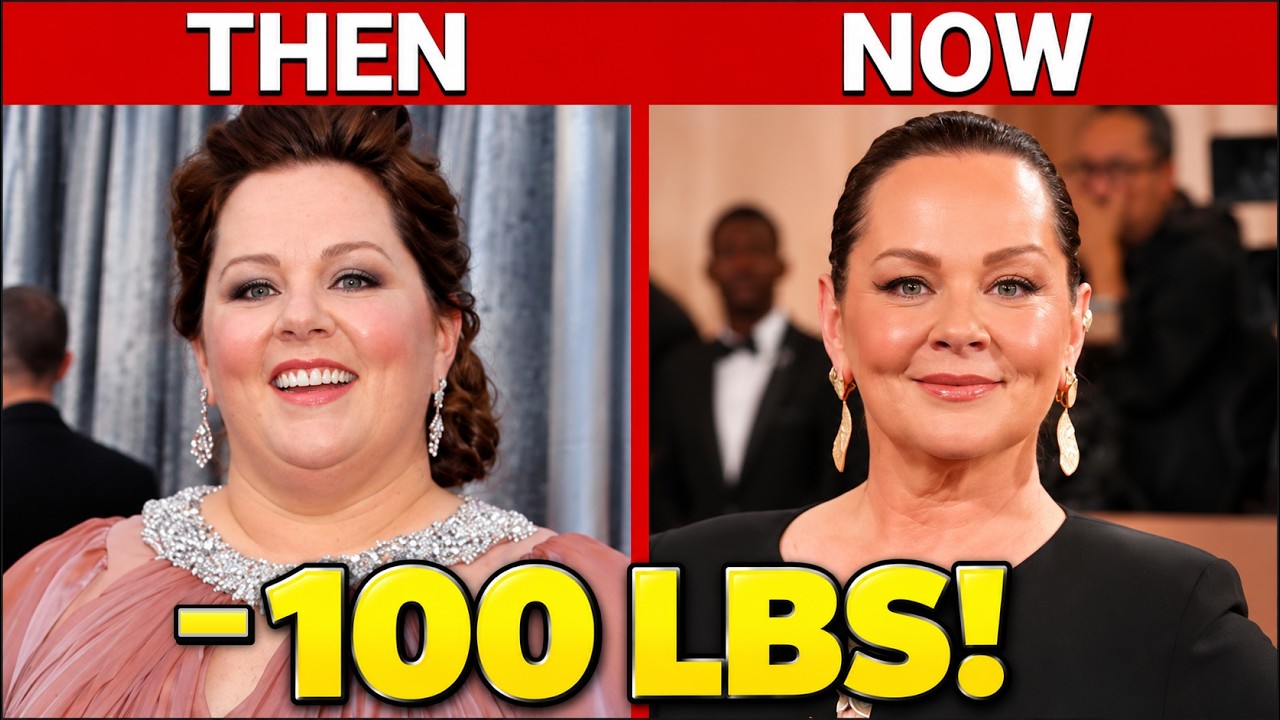
Hollywood actors often gain significant weight for roles to achieve maximum character authenticity, a process rooted in deep method acting. These transformations, involving increases of 30 to 70 pounds, help performers inhabit a character’s physicality, though they often come with significant health risks and require intense medical supervision.
Physicality has always been a cornerstone of the actor’s craft, but the "transformative" performance—specifically involving weight gain—has become a hallmark of prestige cinema. While audiences are often captivated by the "before and after" photos, the reality behind these changes involves a complex mix of high-calorie diets, metabolic shifts, and psychological endurance. By 2026, the industry has begun to balance this dedication to realism with a greater focus on actor longevity and the advanced use of high-fidelity prosthetics.
The Philosophy of the Physical Transformation
The drive for an actor to "get fat" for a role is rarely about the weight itself; it is about the elimination of the "self" to make room for the "other." This tradition is largely rooted in the Stanislavski system and later the "Method" popularized by Lee Strasberg. Actors believe that if they can change their physical footprint—how they walk, how they breathe, and how they perceive their own space—the emotional truth of the character will follow naturally.
In the mid-20th century, these changes were often subtle. However, as cinema moved toward a more gritty, hyper-realistic aesthetic in the 1970s and 80s, the stakes were raised. Producers and directors began to view extreme physical commitment as a sign of an actor's "seriousness." For the actor, gaining weight is often seen as a way to "lose" their movie-star vanity. When a traditionally fit or "beautiful" actor allows their body to soften or expand, it signals to the Academy and critics that they have prioritized the art over their personal brand.
This commitment creates a unique visceral reaction in the audience. Seeing a familiar face transformed by weight gain creates a sense of "prestige" around the film. It suggests that the story being told is so important that the performers were willing to sacrifice their own health and appearance to tell it accurately.
Legendary Male Transformations: From Method to Metabolism
Men in Hollywood have a long history of utilizing weight gain as a tool for dramatic storytelling. These transformations often involve "dirty bulking," a process of consuming massive amounts of calories regardless of nutritional value, to reach a target weight in a short pre-production window.
Robert De Niro in Raging Bull (1980)
Robert De Niro’s portrayal of Jake LaMotta remains the gold standard. To play the older, washed-up version of the boxer, De Niro gained approximately 60 pounds. He famously traveled to Northern Italy and ate his way through the country to achieve the necessary look. The production actually shut down for several weeks just so De Niro could gain the weight. The result was a performance so physically jarring that it earned him an Academy Award and set a precedent for every method actor who followed.
Christian Bale in Vice (2018)
Christian Bale is perhaps the most famous "yo-yo" gainer and loser in modern history. After dropping to a skeletal weight for The Machinist, he bulked up for Batman, but his most "surprising" transformation was for the role of Dick Cheney in Vice. Bale gained roughly 45 pounds by eating a steady diet of pies. Unlike his earlier transformations, Bale consulted a nutritionist for Vice to ensure his heart could handle the strain, reflecting a shift toward "safer" weight gain practices that became industry standard by the 2020s.
Vincent D’Onofrio in Full Metal Jacket (1987)
Vincent D’Onofrio holds one of the most extreme records in Hollywood history. To play Private Pyle, he gained 70 pounds, surpassing De Niro’s Raging Bull record. The weight gain fundamentally changed his gait and his posture, contributing to the character's tragic, lumbering presence. However, D'Onofrio has since spoken about the physical toll it took, including a major knee injury caused by the sudden excess weight on his frame.
Female Actors and the "Brave" Narrative of Weight Gain
When female actors gain weight for roles, the media narrative often shifts toward "bravery," reflecting the intense societal pressure on women in Hollywood to maintain a specific physique. However, the actors themselves often approach it with the same clinical dedication as their male counterparts.
Charlize Theron in Monster (2003) and Tully (2018)
Charlize Theron is a two-time veteran of significant weight gain. For her Oscar-winning role as Aileen Wuornos in Monster, she gained 30 pounds, largely by eating donuts and potato chips. Years later, for Tully, she gained 50 pounds to play a mother struggling with postpartum life. Theron has been vocal about the "mental health" toll of the latter transformation, noting that the sugar-heavy diet led to a bout of depression—a common side effect of rapid metabolic shifts that is often overlooked in the "glamour" of Hollywood transformations.
Renée Zellweger in Bridget Jones’s Diary (2001)
Renée Zellweger’s transformation into Bridget Jones was one of the most talked-about events of the early 2000s. She gained nearly 30 pounds by following a 4,000-calorie-a-day diet. What made her transformation unique was the public's obsession with her "return" to her original size, highlighting the intense scrutiny female actors face when they deviate from the Hollywood "ideal."
The Physiological and Psychological Cost of Rapid Weight Gain
Gaining weight for a role is not as simple as "getting to eat whatever you want." For professional actors, it is a disciplined, often uncomfortable process that can have long-lasting health implications. Medical professionals warn that rapid weight gain—especially when fueled by processed sugars and saturated fats—can lead to several acute and chronic issues.
- Insulin Resistance: Sudden spikes in caloric intake can cause the body to struggle with blood sugar regulation, potentially leading to Type 2 diabetes if the weight is maintained or cycled frequently.
- Cardiovascular Strain: The heart must work significantly harder to pump blood through a larger body. Many actors report increased blood pressure and heart palpitations during their gaining phases.
- Joint and Bone Stress: The skeletal system is often not prepared for an additional 40 to 60 pounds in a three-month window. This leads to chronic back pain, knee issues, and foot problems.
- Psychological Impact: There is a documented link between high-sugar/high-fat diets and mood swings. Actors like Charlize Theron and Jared Leto have reported feelings of lethargy, irritability, and "brain fog" during their transformations.
By 2026, many production companies have begun mandating "health insurance riders" for actors undergoing extreme transformations. These require the actor to be under the constant care of a cardiologist and a registered dietitian to mitigate the risk of long-term metabolic damage.
Comparing Famous Weight Gain Transformations
The following table highlights some of the most significant weight-gain transformations in cinema history, detailing the amount gained and the specific methods used.
| Actor | Movie | Estimated Weight Gain | Primary "Diet" Method |
|---|---|---|---|
| Vincent D'Onofrio | Full Metal Jacket | 70 lbs | High-calorie fats and starches |
| Jared Leto | Chapter 27 | 67 lbs | Microwaved chocolate ice cream mixed with olive oil |
| Robert De Niro | Raging Bull | 60 lbs | Pasta and French cuisine |
| Charlize Theron | Tully | 50 lbs | In-n-Out burgers and 2:00 AM mac & cheese |
| Christian Bale | Vice | 45 lbs | Endless pies and specialized nutrition plan |
| Russell Crowe | Body of Lies | 63 lbs | Cheeseburgers and sedentary lifestyle |
| Renée Zellweger | Bridget Jones | 28 lbs | Pizza, donuts, and high-sugar snacks |
The Shift Toward Prosthetics and Digital Effects in 2026
As we move through 2026, the trend of "getting fat" for a role is undergoing a significant transformation of its own. The "Bale-esque" era of extreme physical cycling is being replaced by a more sustainable approach. This shift is driven by two main factors: actor safety and the "uncanny valley" being bridged by technology.
The Evolution of the "Fat Suit"
Modern prosthetics are no longer the bulky, stiff "suits" of the past. Utilizing medical-grade silicone and digital skin-scanning, makeup artists can create "fat appliances" that move, breathe, and sweat exactly like human skin. Brendan Fraser’s performance in The Whale (2022) served as a turning point, proving that an actor could deliver a deeply empathetic, physically realistic performance without actually endangering their cardiovascular health.
Digital Augmentation
In 2026, "AI-driven physical augmentation" allows post-production teams to subtly add mass to an actor’s frame in a way that looks entirely natural. This allows an actor to gain a moderate, safe amount of weight (perhaps 15 pounds) while the visual effects team handles the remaining "transformation." This hybrid approach preserves the actor's facial performance while protecting their long-term health.
Frequently Asked Questions
Do actors get paid more to gain weight for a role?
Not explicitly. While there is rarely a "weight gain bonus" in a contract, actors who undergo these transformations are often high-tier stars who negotiate massive base salaries. The "value" of the weight gain is usually seen in the potential for award nominations, which can significantly increase an actor's "quote" (their future asking price) for subsequent films.
Who holds the record for the most weight gained for a movie?
Vincent D’Onofrio is widely cited as the record holder for his 70-pound gain for Full Metal Jacket. While others have come close (Jared Leto at 67 lbs), D'Onofrio's transformation remains the most significant in terms of raw poundage relative to his starting weight.
How do actors lose the weight so quickly after filming?
Actors have access to resources the general public does not, including personal chefs, world-class trainers, and sometimes even medical interventions. Their "job" for three to six months after filming is simply to lose the weight. This involves intense cardiovascular training and strictly controlled, low-calorie diets that are difficult to maintain without professional support.
Is it safer to use prosthetics instead of gaining weight?
Generally, yes. Medical professionals almost universally agree that the strain of gaining and losing 50+ pounds is damaging to the human body. Prosthetics carry no metabolic risk, although they can be physically demanding for the actor to wear for 12–14 hours a day under hot studio lights.
Why do some actors still choose to gain weight instead of using suits?
Many actors feel that prosthetics act as a "barrier" between them and the character. They argue that the physical discomfort of the extra weight—the way it changes their breathing, heart rate, and fatigue levels—provides a layer of "truth" to their performance that cannot be faked with silicone or CGI.
Viewing Transformations Through a Modern Lens
When watching a film where an actor has undergone a surprising transformation, it is important to look beyond the spectacle of the weight gain. Audiences should consider the craft of the performance itself: how does the actor use their new physicality to tell the story? Does the weight change the character's internal life, or is it merely a costume?
As the industry moves toward 2027, expect to see fewer "extreme" gains and more sophisticated blends of physical preparation and digital artistry. The goal remains the same—to tell a compelling, believable story—but the methods are becoming more humane. For those interested in the craft of acting, these transformations serve as a testament to the lengths performers will go to bridge the gap between fiction and reality.