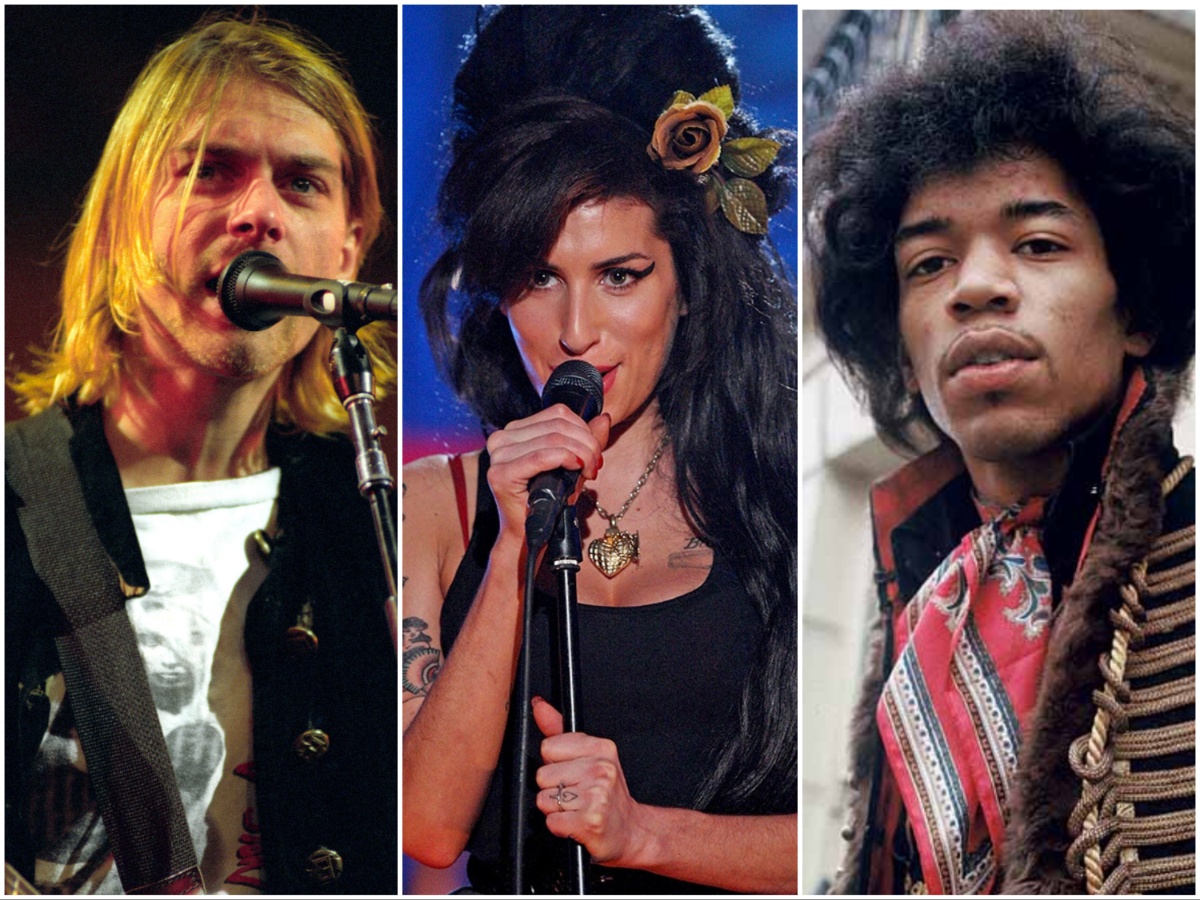
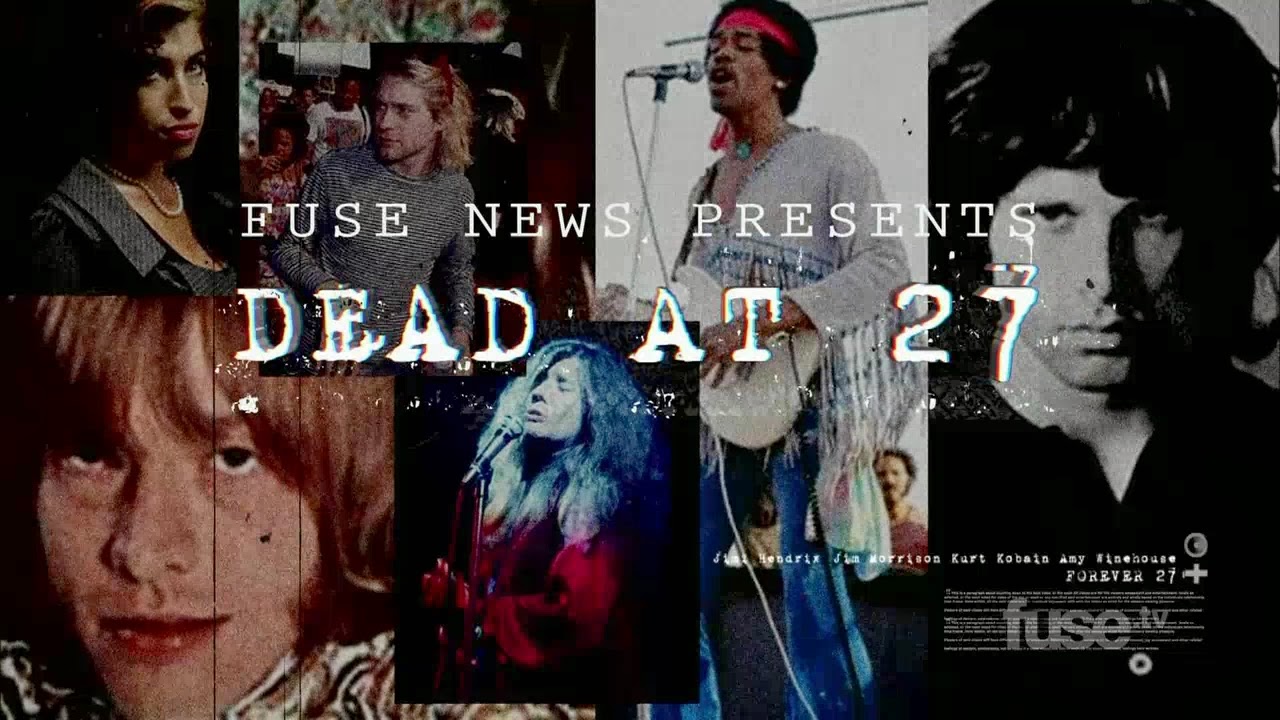
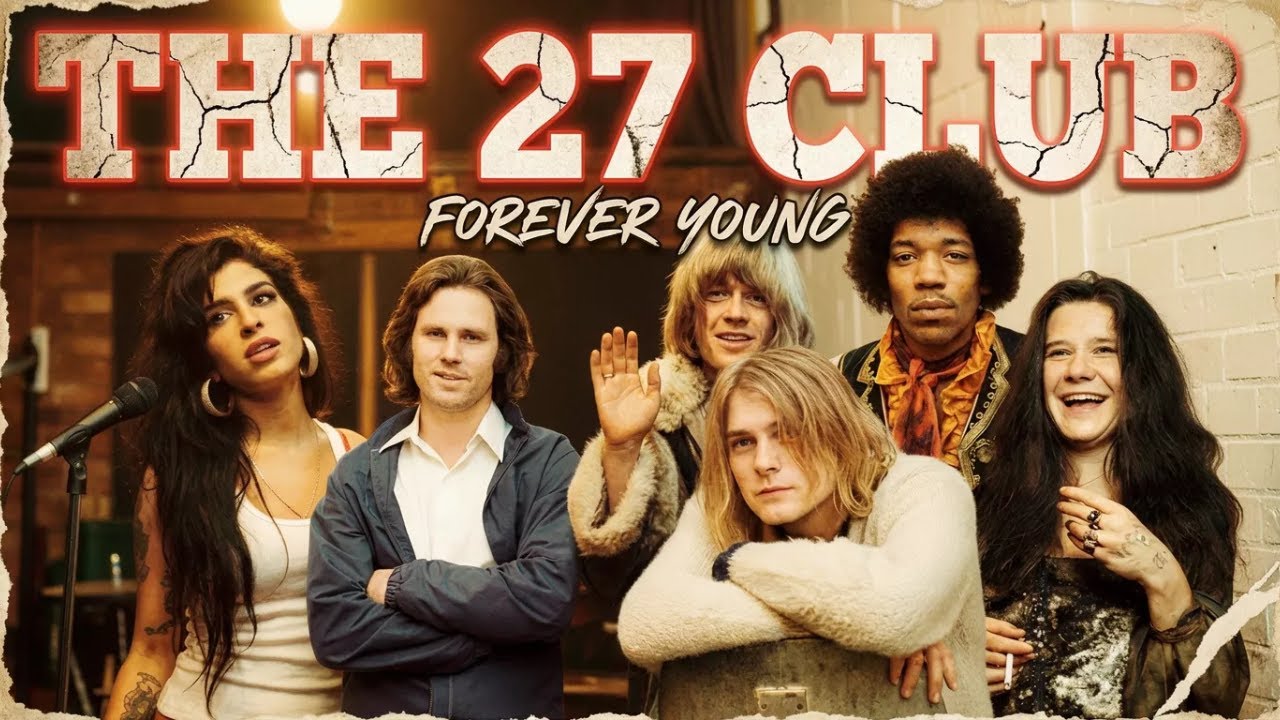
The 27 Club refers to a cultural phenomenon involving a group of influential artists—primarily musicians, but also actors and artists—who passed away at the age of 27. While the term is most frequently associated with rock legends like Jimi Hendrix and Kurt Cobain, several high-profile actors are also members of this tragic group, having lost their lives just as their professional potential was reaching its zenith.
The concept of the 27 Club began as a statistical curiosity in the early 1970s following the deaths of several high-profile musicians within a short period. Over time, it has evolved into a somber cultural shorthand for the "lost potential" of youth. In the world of cinema, the inclusion of actors like Anton Yelchin and Jonathan Brandis has expanded the conversation beyond the "sex, drugs, and rock 'n' roll" stereotype, highlighting issues ranging from tragic accidents to the immense mental health pressures faced by young performers in Hollywood.
The Origins and Cultural Mythos of the 27 Club
The 27 Club did not enter the public consciousness as a formalized concept until the early 1970s. Between 1969 and 1971, the world lost Brian Jones, Jimi Hendrix, Janis Joplin, and Jim Morrison—all at the age of 27. When Kurt Cobain passed away in 1994 at the same age, the media solidified the "27 Club" as a recurring trope in pop culture.
While the club is often romanticized, sociologists and psychologists view it through a more clinical lens. The age of 27 often coincides with a period of significant life transition. In astrological circles, this is frequently linked to the "Saturn Return," a period occurring between ages 27 and 30 that is said to bring intense personal upheaval and the need for major life decisions. In the context of the entertainment industry, 27 is often the age where child stars struggle to transition into adult roles, or where early-career success leads to a peak in lifestyle-related risks.
For actors, the 27 Club represents a specific type of tragedy: the permanent "freezing" of an image. Unlike actors who age with their audience, those who die at 27 remain eternally young in the public imagination, their filmographies serving as a permanent "what if" for fans and critics alike.
Anton Yelchin: The Modern Face of the 27 Club in Cinema
The most prominent modern addition to the list of actors who died at 27 is Anton Yelchin. Yelchin was a prolific and highly respected actor known for his intellectual depth and versatility. His death on June 19, 2016, sent shockwaves through Hollywood, not because of the typical industry pitfalls of substance abuse, but because of a freak, preventable accident.
Yelchin was discovered by friends pinned between his Jeep Grand Cherokee and a brick pillar outside his home in Studio City, California. The vehicle had rolled down his steeply inclined driveway. It was later revealed that the vehicle was part of a recall involving "e-shift" transmissions that lacked the tactile feedback necessary for drivers to realize the car was in neutral rather than park.
A Career Cut Short
Before his death, Yelchin had already amassed a filmography that many actors double his age would envy. He was best known to global audiences as Pavel Chekov in the Star Trek reboot franchise. However, his work in independent films like Alpha Dog, Like Crazy, and Green Room showcased a performer capable of intense vulnerability and grit. As of 2026, Yelchin’s legacy continues to be celebrated through documentaries like Love, Antosha, which highlight his lifelong battle with cystic fibrosis—a condition he kept largely secret during his career, making his professional output even more remarkable.
Jonathan Brandis: The Pressures of the Child Star
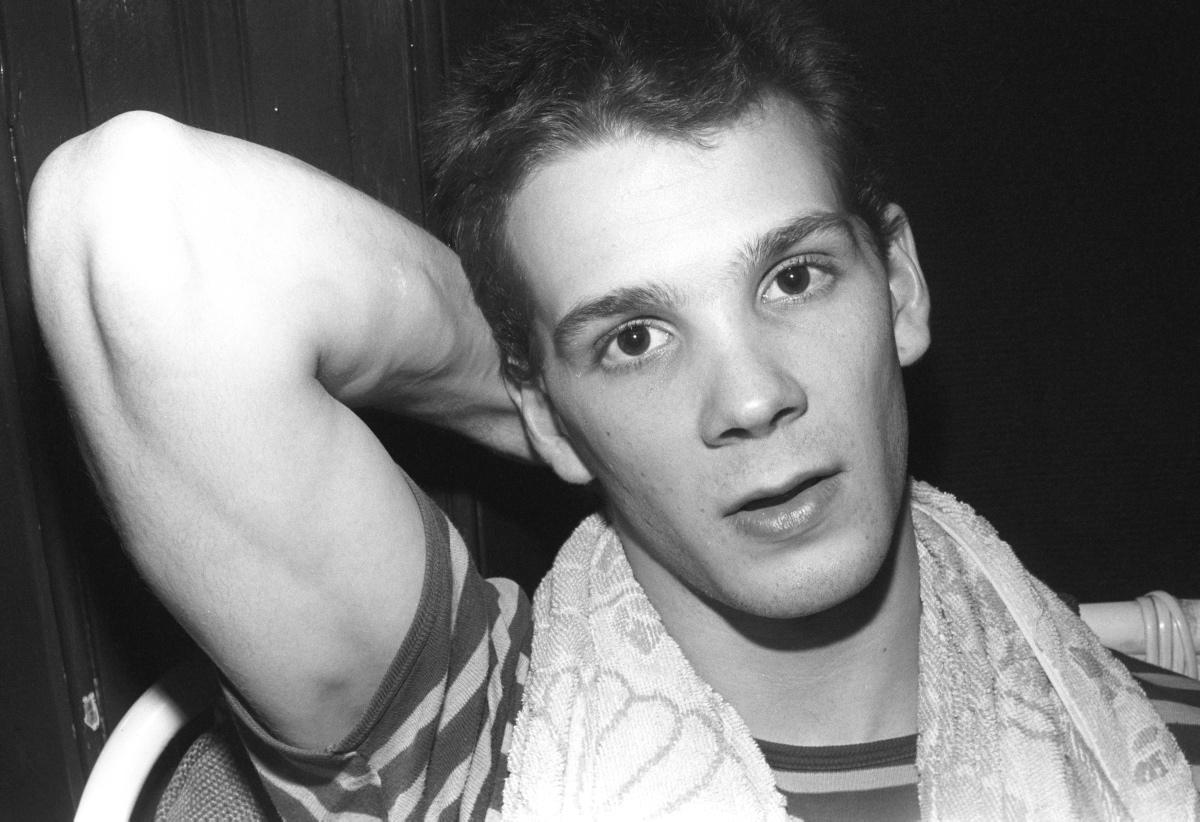
The inclusion of Jonathan Brandis in the 27 Club serves as a haunting reminder of the difficulties faced by child and teen actors navigating the transition to adult stardom. Brandis was a major heartthrob in the early 1990s, starring in The NeverEnding Story II: The Next Chapter, Ladybugs, and the hit sci-fi series seaQuest DSV.
By his mid-20s, however, Brandis found his career cooling. The industry that had embraced him as a teenager was proving difficult to penetrate as an adult lead. On November 12, 2003, Brandis died by suicide at the age of 27. His death prompted a larger discussion about the mental health support systems (or lack thereof) for young performers whose identities are inextricably linked to their level of fame.
Brandis’s story is often cited as a cautionary tale regarding the "fame cycle." At 27, he was at an age where the discrepancy between past success and current professional stagnation can become overwhelming. His death remains a cornerstone of the 27 Club discussion because it underscores the psychological toll of the Hollywood machine.
Crossover Artists: Jean-Michel Basquiat and Others
While predominantly known as a neo-expressionist painter, Jean-Michel Basquiat is frequently included in discussions regarding the 27 Club in cinema due to his significant presence in the New York film and art scene of the 1980s. Basquiat starred in the film Downtown 81 (originally titled New York Beat), which captured the post-punk era of Manhattan.
Basquiat died of a heroin overdose on August 12, 1988, at age 27. His inclusion in this group highlights the "multihyphenate" nature of many club members. Whether through acting, music, or visual art, these individuals often operated at a high intensity that defined the cultural zeitgeist of their era.
Other Notable Figures
While fewer in number than musicians, other actors and performers often associated with the 27 Club include:
- Andrea Absolonová: A Czech diver and actress who died in 2004 from a rare brain tumor.
- Ghanshyam Nayak: Though he lived a full life, many mistakenly look for international television stars in this age bracket during retrospectives.
- Grand L. Bush: Often misidentified in lists, though he is alive; this highlights the misinformation that often surrounds "cursed" celebrity lists.
Comparison of Notable 27 Club Members Across Media
To understand the scope of the 27 Club, it is helpful to look at the professional backgrounds and causes of death of its most famous members.
| Name | Primary Field | Notable Work | Year of Death | Cause of Death |
|---|---|---|---|---|
| Anton Yelchin | Acting | Star Trek, Green Room | 2016 | Accidental (Asphyxia) |
| Jonathan Brandis | Acting | seaQuest DSV, Ladybugs | 2003 | Suicide |
| Jean-Michel Basquiat | Art/Acting | Downtown 81 | 1988 | Drug Overdose |
| Kurt Cobain | Music | Nirvana | 1994 | Suicide |
| Amy Winehouse | Music | Back to Black | 2011 | Alcohol Poisoning |
| Jimi Hendrix | Music | Electric Ladyland | 1970 | Drug-related |
| Janis Joplin | Music | Pearl | 1970 | Heroin Overdose |
The "Saturn Return" and Psychological Perspectives
In seeking to explain why 27 appears so frequently in tragic celebrity deaths, many look toward psychology and sociology rather than fate. The late 20s are a period of neurological maturation; the prefrontal cortex—the part of the brain responsible for complex decision-making and impulse control—finishes developing around age 25.
For celebrities, this biological milestone often arrives at the same time as a career crossroads. The "child star" image is no longer viable, and the "mature actor" status is not yet fully earned. This creates a period of high instability. Furthermore, the grueling schedules of film sets and the isolation of fame can exacerbate underlying mental health issues or lead to increased substance use as a coping mechanism.
Statistical studies, including a notable 2011 study published in the British Medical Journal, have suggested that while 27 is not mathematically "deadlier" than other ages for famous people, the clustering of high-profile deaths at that age creates a powerful cognitive bias. We notice the 27s more because we have a name for the group.
Analyzing the Impact on Modern Film Industry Standards
The deaths of actors like Anton Yelchin have led to tangible changes in how the industry operates. Yelchin’s death, specifically, brought intense scrutiny to automotive safety and product liability. It forced a conversation about how "user error" is often a result of poor design, leading to more rigorous safety standards for electronic gear shifts in vehicles.
Furthermore, the tragic end of Jonathan Brandis’s life contributed to a growing movement within the Screen Actors Guild (SAG-AFTRA) to provide better mental health resources for members. In 2026, the emphasis on "onset wellness" and mental health coaching for young performers is a direct response to the legacy of those lost to the pressures of the industry during their 20s.
Frequently Asked Questions
Who is the most famous actor in the 27 Club?
Anton Yelchin is widely considered the most famous actor in the 27 Club. His roles in massive franchises like Star Trek and his reputation as a "rising legend" in the independent film scene made his accidental death in 2016 a defining moment for the modern interpretation of the club.
Is the 27 Club a real statistical phenomenon?
Scientifically, no. Multiple studies have shown that there is no significant "spike" in mortality exactly at age 27 for famous individuals compared to other ages in their 20s and 30s. However, the cultural significance of the "27 Club" remains high because the deaths at this age often involve iconic figures at the peak of their creative influence.
Why is 27 considered a significant age for artists?
Culturally, 27 is seen as the end of youth and the beginning of true adulthood. In astrology, the "Saturn Return" occurs during this window, signifying a time of reckoning and major life changes. Psychologically, it is a period where many individuals face a "quarter-life crisis," which can be amplified by the unique stresses of fame.
Are there any female actors in the 27 Club?
While the most famous female members are musicians like Janis Joplin and Amy Winehouse, the club includes several actresses and performers from international cinema and various entertainment niches, such as Czech actress Andrea Absolonová. The list is often updated as researchers look back at Golden Age Hollywood stars who may have been overlooked.
How did the 27 Club get its name?
The term was popularized by the media following the death of Kurt Cobain in 1994. Fans and journalists noticed that he died at the same age as 1970s icons like Jimi Hendrix, Janis Joplin, and Jim Morrison, leading to the creation of the "club" label.
Supporting Mental Health in the Arts
The tragedy of the 27 Club serves as a reminder that behind the glamour of the film industry lies a high-pressure environment that can be particularly dangerous for young talent. If you or someone you know is struggling with the pressures of a high-stress career or mental health challenges, it is vital to seek professional support. Organizations like the Entertainment Community Fund (formerly The Actors Fund) provide specialized services for those in the performing arts.
The best way to honor the legacy of actors who died at 27 is to support the work they left behind. By watching their films and recognizing their contributions to the craft, we ensure that their creative output—rather than the circumstances of their death—remains their primary legacy.