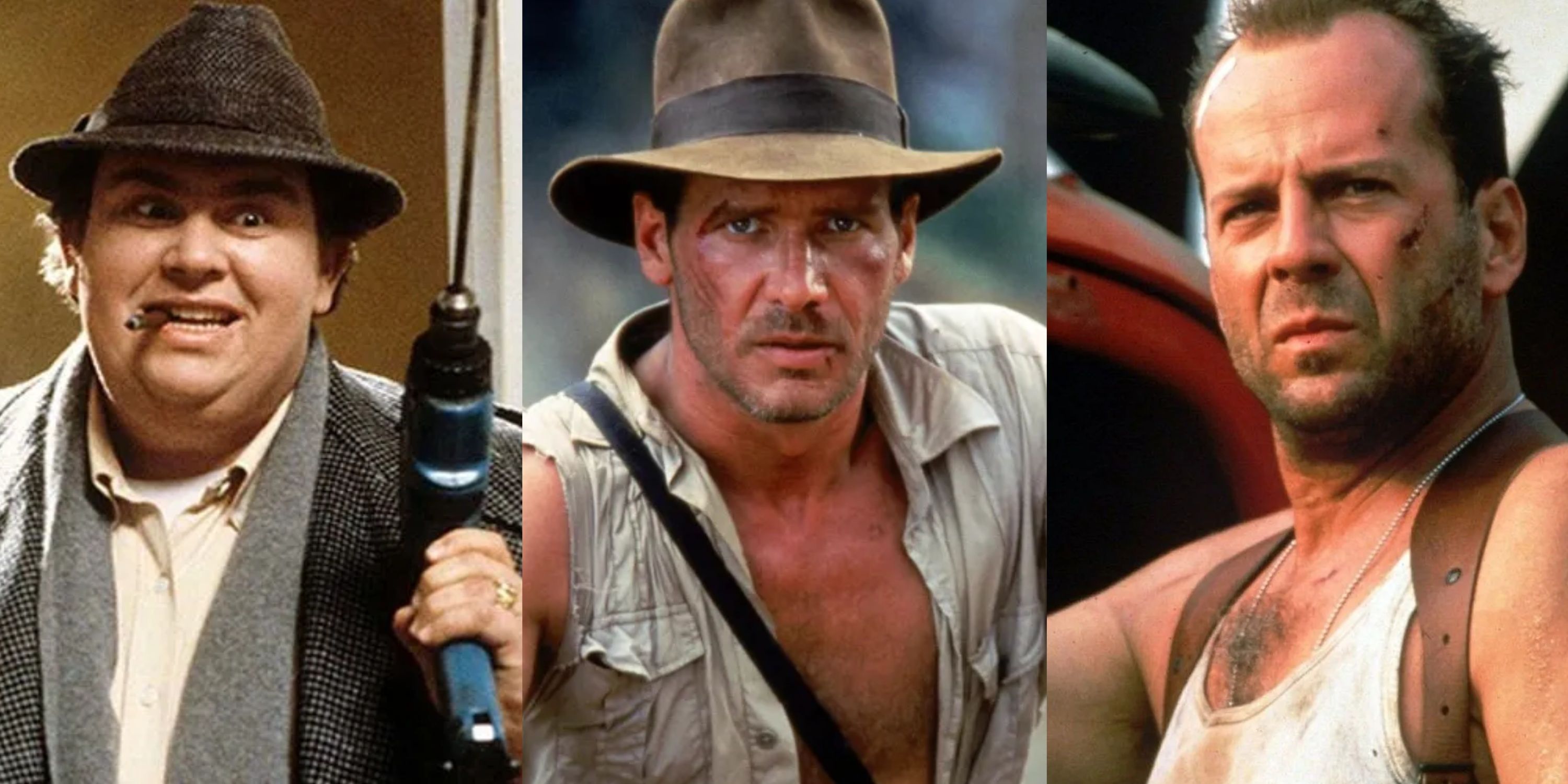
The relationship between actors and cinema is a specialized discipline that distinguishes screen performance from all other forms of dramatic art. In the cinematic landscape of 2026, this craft demands a fusion of traditional emotional truth and high-tech adaptability, as performers navigate virtual sets, digital scanning, and the nuances of high-definition lenses that capture every microscopic facial flicker.
The Transformation of Screen Acting Through the Decades
Cinema acting has undergone a radical transformation since the silent era, moving from the exaggerated gesticulations required to convey meaning without sound to the hyper-naturalism favored by modern audiences. In the early 20th century, actors transitioned from the stage to the screen, often struggling with the transition because the camera required a "reduction" in scale. The introduction of synchronized sound in 1927 forced a second evolution, prioritizing vocal delivery and diction.
By the mid-20th century, the rise of "The Method"—popularized by practitioners at the Actors Studio—revolutionized cinema. This approach encouraged actors to draw from personal emotional experiences, creating a gritty, psychological realism that defined the "Golden Age" of the 1970s. In 2026, we see the culmination of these historical shifts. Today’s cinema actors must balance the internal emotional work of the Method with the external technical requirements of a production environment that is increasingly non-linear and digitally driven.
The modern actor in cinema is no longer just a vessel for a character but a collaborator in a complex visual effects pipeline. While the goal remains to tell a human story, the environment in which that story is told has shifted from physical locations to sophisticated virtual production stages.
Technical Nuances: Acting for the Camera vs. The Stage
The primary distinction in "actors cinema" lies in the proximity of the audience. In a theater, an actor must project their voice and physical presence to the back of the house. In cinema, the camera is the audience, and it is often inches from the actor's face.
The Power of the Close-Up
In cinema, the "close-up" is the actor’s most potent tool. This requires a mastery of stillness. On screen, blinking at the wrong moment or a slight tension in the jaw can communicate more to an audience than a three-minute monologue. Actors must learn to "think" the character’s thoughts, trusting that the camera will capture the subtext in their eyes. This internal process is often referred to as "acting in the gaps"—the moments between dialogue where the character's internal life is most visible.
Hitting Marks and Eyelines
Technical precision is a prerequisite for cinematic success. An actor must be able to hit a "mark" (a specific spot on the floor) without looking down, ensuring they remain in focus and correctly lit. Furthermore, the concept of the "eyeline" is critical. Often, during a conversation, the other actor may not be present, or the camera angle requires the actor to look at a piece of colored tape on a matte box instead of a human face. Maintaining emotional intensity while staring at a piece of equipment is a fundamental skill in the 2026 cinematic toolkit.
Technology’s Impact on the Actor’s Role in 2026
As of 2026, the integration of Artificial Intelligence (AI) and Extended Reality (XR) has fundamentally altered the day-to-day work of cinema actors. These changes are not merely cosmetic; they affect legal rights, performance techniques, and the very definition of a "performance."
Performance Capture and Digital Twins
Performance capture (MoCap) has evolved from a niche tool for fantasy creatures into a standard practice for many genres. Actors now frequently perform in "volume" stages (LED wall environments) or gray suits covered in sensors. The challenge here is the lack of physical props or costumes to ground the character. An actor must use their imagination to visualize a digital world that will only be added months later in post-production.
Furthermore, the creation of "Digital Twins" has become a standard contractual point. Following the landmark labor negotiations of the mid-2020s, actors now have specific protections regarding how their digital likenesses are used. In 2026, many actors license their digital scans for background work or dangerous stunts, allowing them to focus their physical presence on the core dramatic scenes.
Navigating the "Volume" and Virtual Production
Virtual production—exemplified by technologies like the Unreal Engine and large-scale LED volumes—has replaced traditional green screens in many high-budget films. For the actor, this is a positive development. Unlike the sterile environment of a green screen, the "Volume" provides real-time visual feedback. If a scene takes place at sunset on a Martian landscape, the actor can actually see the orange light reflecting off their skin and the horizon in the distance. This immersive environment helps bridge the gap between stage acting and screen acting by providing a tangible sense of place.
Comparison of Performance Mediums in 2026
The following table outlines the primary differences in requirements and environments for actors across different screen and live mediums in the current 2026 landscape.
| Feature | Feature Cinema | Streaming/TV Series | Stage (Theater) | Virtual Reality (VR) |
|---|---|---|---|---|
| Performance Scale | Minimalist/Internal | Naturalistic | Large/Projected | 360-Degree/Continuous |
| Technical Focus | Eyelines & Marks | Pace & Dialogue | Vocal Projection | Spatial Awareness |
| Rehearsal Time | Moderate to Low | Very Low (High Speed) | High (Weeks/Months) | Moderate |
| Audience Proximity | Variable (Extreme Close-Up) | Close to Medium | Distant | Intimate/Interactive |
| Production Environment | Virtual or Location | Permanent Sets | Live Stage | 3D Captured Space |
The Path to Professional Cinema Acting
Breaking into the world of cinema acting in 2026 requires more than just talent; it requires a strategic understanding of the digital ecosystem. The traditional "discovery" story is largely a myth of the past, replaced by a data-driven and highly professionalized entry process.
Training and Education
While many actors still attend prestigious conservatories, there is an increasing emphasis on camera-specific training. Programs now include modules on:
- Self-Tape Mastery: Since nearly all initial auditions are remote, actors must be proficient in lighting, sound, and editing their own audition clips.
- VFX Literacy: Understanding how to interact with non-existent digital elements.
- Business Management: In 2026, actors are often treated as "S-Corps" or independent brands, requiring knowledge of social media presence and digital rights management.
Representation and Casting
The role of the talent agent remains vital, but casting directors now utilize AI-assisted databases to filter for specific physical traits, languages, or specialized skills (like combat training or dance). An actor’s "showreel" is their most important asset. In 2026, these reels are often interactive or hosted on platforms that allow casting directors to see an actor’s performance in various lighting conditions and emotional ranges.
Economic Realities and Labor Protections
The financial landscape for actors in cinema has shifted significantly. With the dominance of global streaming platforms and the decline of the traditional theatrical window for mid-budget films, residual structures have been redesigned.
Under the current SAG-AFTRA agreements of 2026, actors receive more transparent data regarding viewership, which directly impacts their "success-based" residuals. Additionally, "AI-Protections" are a cornerstone of every contract. These clauses ensure that an actor’s voice or likeness cannot be used to train generative AI models without explicit consent and additional compensation.
For the majority of working actors, "cinema" is no longer just big-budget Hollywood movies. It includes independent films, high-end "cinematic" streaming series, and even interactive narrative experiences. Diversifying one's skill set to include voice-over for high-end gaming—which now rivals cinema in production value—is a common strategy for maintaining a steady income.
Common Challenges in Modern Screen Acting
Even seasoned professionals face hurdles in the 2026 cinema environment. One of the most persistent issues is the "fragmented performance." Films are rarely shot in chronological order. An actor might film the climax of a movie on day one and the character's introduction on day thirty. Maintaining an emotional "arc" requires meticulous script analysis and a close relationship with the script supervisor to ensure emotional continuity.
Another challenge is the physical toll of modern production. While virtual production reduces travel, the intensity of working under high-output LED lights and the physical demands of motion capture suits can be draining. Actors must maintain peak physical condition and mental resilience to handle 12-to-14-hour shoot days that are often technically repetitive.
Frequently Asked Questions
Do I need to live in Los Angeles or London to be a cinema actor in 2026?
While these cities remain major hubs, the "Global Production Model" of 2026 means significant work is found in Atlanta, Vancouver, Seoul, and Budapest. Because initial casting is almost entirely digital via self-tapes, an actor can start their career from anywhere, though they must be prepared to travel for the actual production.
How has AI changed the audition process?
Casting directors use AI to scan thousands of submissions for specific criteria, but the final "shortlist" is still curated by humans. Some studios use "AI-matching" to see how an actor’s facial structure might look when aged or transformed into a creature, which helps them make decisions for genre-heavy films.
Is theater training still relevant for cinema acting?
Yes. Many of the most successful cinema actors in 2026 still cite theater as the foundation of their craft. Theater builds the stamina, vocal control, and character-building skills that allow an actor to sustain a performance through the stop-and-start nature of a film set.
What is a "Digital Consent Rider"?
This is a legal attachment to a standard acting contract in 2026. It specifies exactly how a studio can use an actor’s digital data. It prevents the unauthorized creation of "deepfakes" and ensures the actor is paid if their digital likeness is reused in a sequel or spin-off.
How much can a new cinema actor expect to earn?
For union members (SAG-AFTRA), daily and weekly minimums are strictly enforced. In 2026, a "day player" on a major production can expect a significant daily rate, but the real challenge is the gaps between jobs. Most actors supplement their income with commercials, voice-over, or teaching until they reach a level of consistent "series regular" or "lead" status.
Developing Your Cinematic Identity
The final step for any aspiring or working actor is to define their "type" while remaining flexible enough to surprise audiences. In 2026, "actors cinema" is looking for authenticity over perfection. The advent of ultra-high-definition 8K and 12K cinematography means that audiences can see through "staged" acting more easily than ever before.
To succeed, you must focus on the "Inner Life." Spend as much time observing human behavior in the real world as you do studying scripts. The most successful actors are those who can bring a sense of lived-in reality to even the most fantastic or digital environments. Start by mastering the self-tape, understanding your technical eyelines, and staying informed about the evolving legal landscape of digital rights.