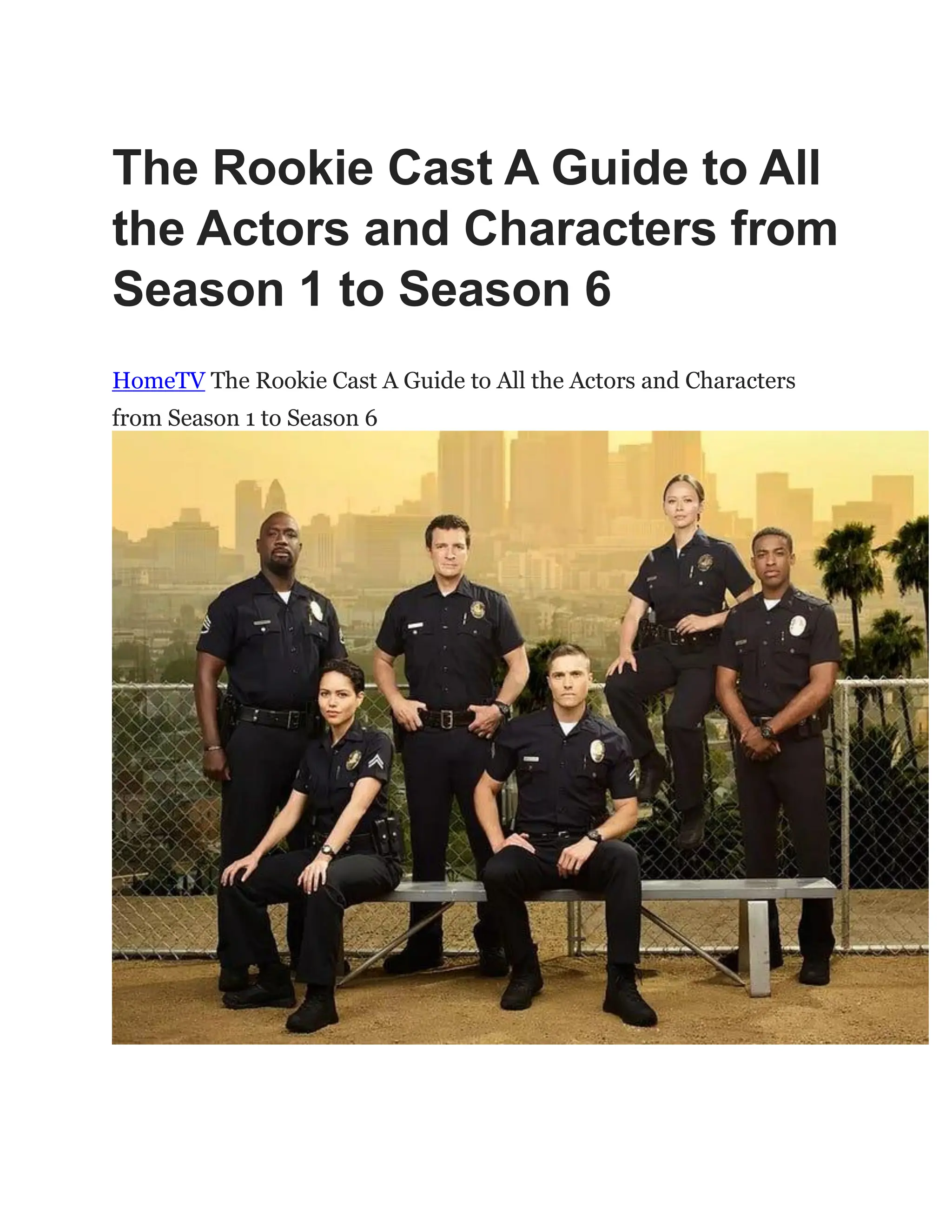
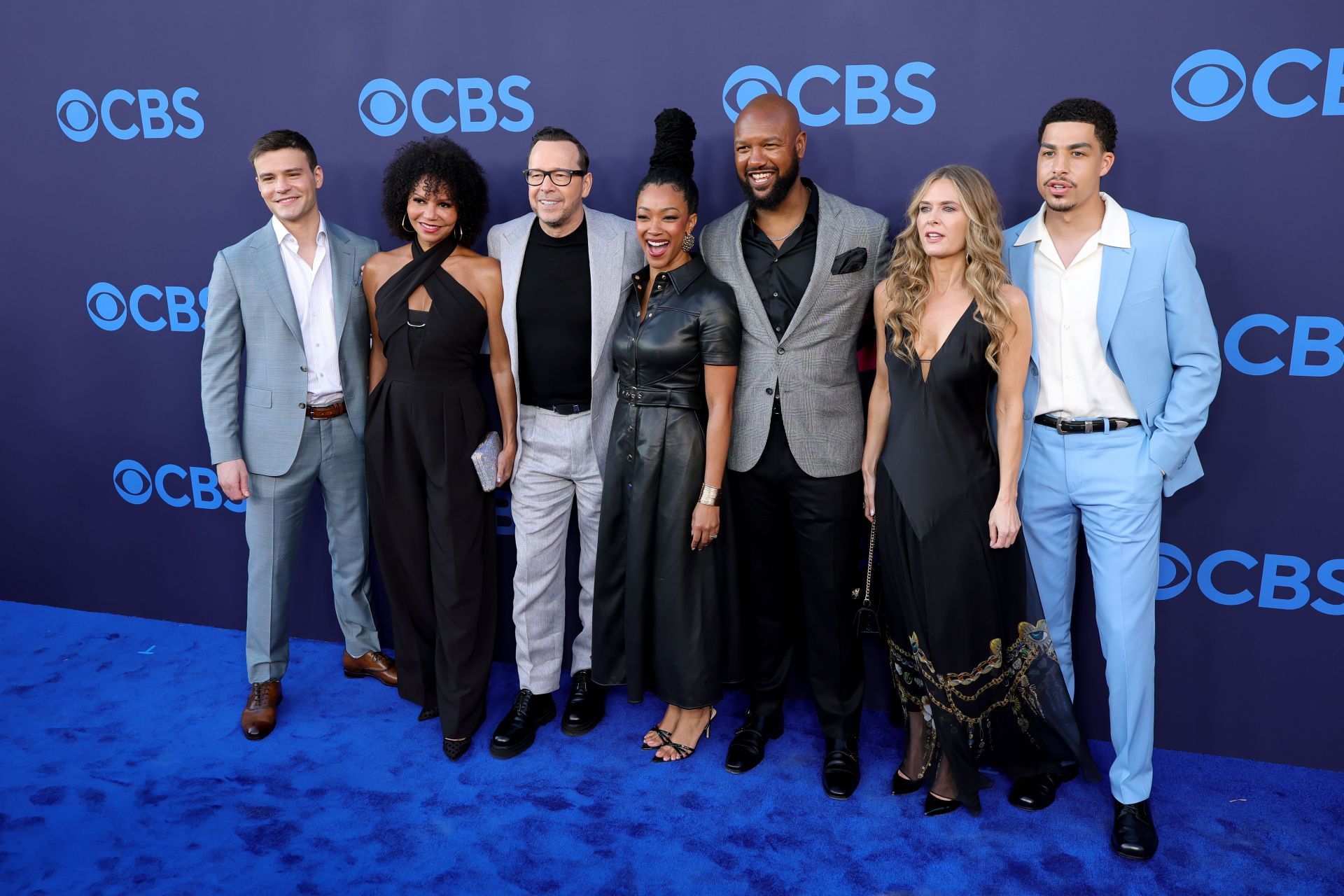
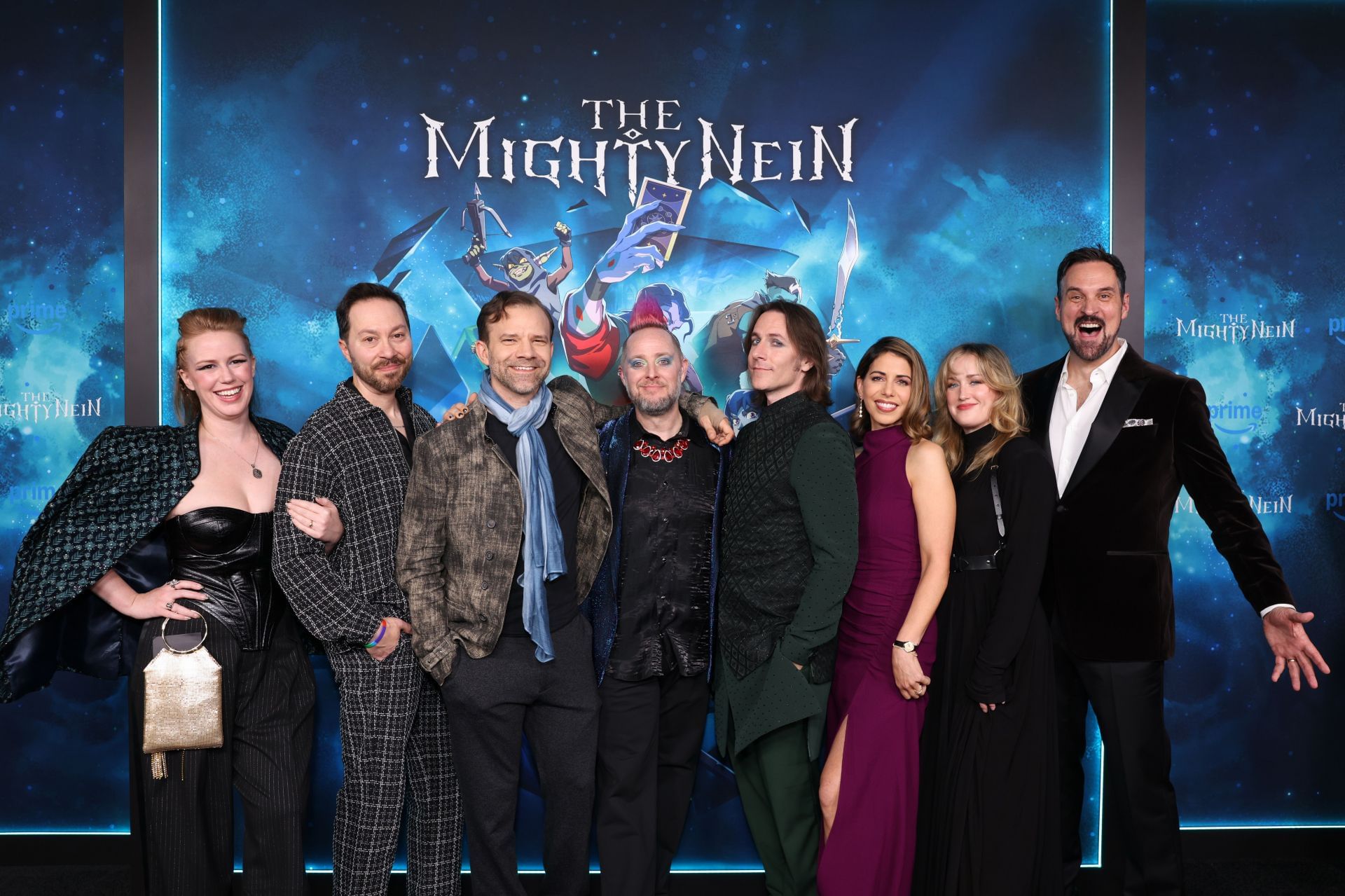
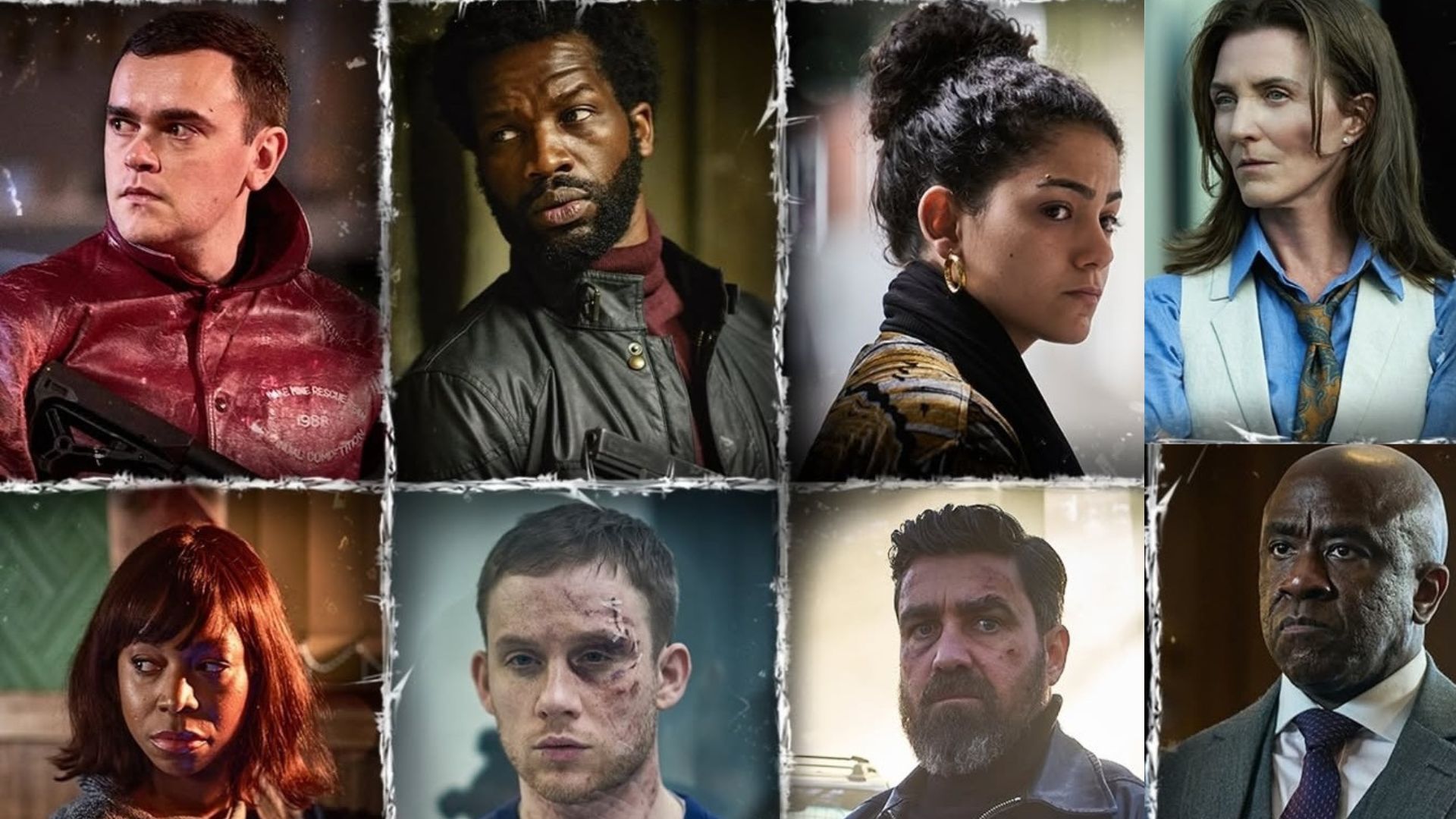
The relationship between actors and characters is a sophisticated creative process where performers use psychological techniques, physical training, and script analysis to embody a fictional persona. This transformation bridges the gap between written text and emotional reality, requiring a combination of technical skill, empathy, and professional collaboration to produce a believable performance.
The Foundation of Character Creation: From Script to Persona
Every compelling performance begins with the text. In the professional landscape of 2026, the script remains the primary blueprint, but the actor’s interpretation is what provides the architecture for a living, breathing human being. This process starts with script analysis, a technical breakdown where the actor identifies the character’s "super-objective"—what they want more than anything else in the story—and the "intent" behind every specific line of dialogue.
Actors look for clues in the stage directions and the dialogue of other characters to piece together a backstory. This often involves "filling in the blanks" for periods of the character's life not explicitly covered in the script. By establishing a character's history, trauma, and triumphs, the actor creates a psychological foundation that informs how the character reacts to the events of the plot. This internal work ensures that when an actor steps onto a set or stage, their reactions are not merely dictated by the script but are organic responses born from the character's established worldview.
The collaboration between the actor and the director is also vital during this phase. While the actor builds the internal life, the director provides the external context, ensuring the character fits within the stylistic world of the production. Whether it is a gritty realist drama or a heightened satirical comedy, the actor must calibrate their performance to the tone established by the creative team.
Professional Acting Methodologies: The Tools of Transformation
To achieve the "truth" required in modern performance, actors typically train in one or more established methodologies. These systems provide a structured approach to the chaotic process of human emotion. While the "Method" is perhaps the most famous, several distinct schools of thought dominate the industry in 2026.
The Stanislavski System
Developed by Constantin Stanislavski in the early 20th century, this system is the root of most modern Western acting. It emphasizes "given circumstances"—the total set of conditions (social, physical, and environmental) in which the character exists. Stanislavski encouraged actors to use their "inner monologue" to maintain the character's thoughts even when they aren't speaking.
The Meisner Technique
Sanford Meisner’s approach focuses on the "reality of doing." The core of this technique is the repetition exercise, which trains actors to get out of their own heads and focus entirely on their scene partner. By reacting truthfully to what the other person is actually doing in the moment, the actor avoids "indicating" (faking an emotion) and instead achieves spontaneous, authentic behavior.
Method Acting (Strasberg)
Lee Strasberg’s "Method" took Stanislavski’s ideas further by focusing on "affective memory." This requires actors to recall personal sensory experiences from their own lives to trigger the emotions required for a scene. While controversial due to the potential psychological toll on the performer, it remains a powerful tool for achieving high-intensity emotional realism.
The Chekhov Technique
Michael Chekhov, a student of Stanislavski, focused on the "psychological gesture." He believed that physical movements could trigger emotional states. By finding a singular, archetypal movement that represents a character’s internal struggle, an actor can "unlock" the character through their body rather than just through intellectual analysis.
Physical and Psychological Immersion: Achieving Authenticity
The transformation into a character is rarely just an internal shift; it often requires significant physical and vocal changes. In 2026, the industry places a high value on "total immersion," where an actor’s physicality is indistinguishable from the character’s requirements.
Vocal work is a primary component of this transformation. Actors work with dialect coaches to master specific accents, but vocal training goes beyond just pronunciation. It involves changing the resonance, pitch, and tempo of speech to reflect a character's age, social class, and health. A character who is high-strung and anxious might speak with a shallow breath and a higher pitch, while a character of great authority might speak from the diaphragm with a slower, more deliberate cadence.
Physicality also includes movement psychology. Actors study how different body types and personalities move through space. This might involve learning a new skill—such as horseback riding, sword fighting, or a specific craft—to ensure that the character’s movements look lived-in and natural. The goal is to eliminate the "actor’s gait" and replace it with a movement pattern that reflects the character's life experiences, such as a limp from an old injury or the rigid posture of a military veteran.
| Technique/Approach | Primary Focus | Best Used For | Notable Proponents |
|---|---|---|---|
| Stanislavski | Inner Life & Circumstance | Realistic Drama | Marlon Brando, Ellen Burstyn |
| Meisner | Spontaneity & Interaction | High-Stakes Dialogue | Lupita Nyong'o, Tom Cruise |
| Strasberg (The Method) | Emotional Memory | Intense Psychological Roles | Al Pacino, Lady Gaga |
| Chekhov | Physical Archetypes | Stylized or Epic Performance | Anthony Hopkins, Clint Eastwood |
| Adler | Imagination & Sociology | Period Pieces/Epic Scope | Robert De Niro, Mark Ruffalo |
The Strategic Casting Process: Matching Talent to Archetype
The process of connecting an actor to a character is the responsibility of casting directors, who serve as the bridge between the production's needs and the talent pool. In the current industry environment, casting has evolved into a data-informed yet deeply artistic discipline.
Casting begins with a "breakdown," a document sent to agents detailing the character's age, ethnicity, personality traits, and role in the story. However, casting is rarely about finding a literal match for a physical description. Instead, casting directors look for "essence"—the underlying energy an actor brings that matches the character’s soul. This is often tested through chemistry reads, where potential leads are paired together to see if their onscreen relationship feels authentic.
In 2026, casting also accounts for "audience sentiment" and "marketability," but there is a stronger-than-ever emphasis on authentic representation. There is a prevailing industry standard that characters with specific cultural, physical, or neurological identities should be portrayed by actors who share those lived experiences. This shift has not only improved the quality of performances by bringing genuine nuance to roles but has also expanded the range of characters seen in mainstream media.
The Evolution of Performance: Digital Characters and Motion Capture
As we progress through 2026, the definition of an "actor" and a "character" continues to expand into the digital realm. Motion capture (mocap) and performance capture have become standard tools, allowing actors to play characters that are physically impossible in the real world—from alien species to de-aged versions of themselves.
In these roles, the actor wears a specialized suit with markers that track their movements and facial expressions. This data is then mapped onto a 3D digital model. Contrary to the misconception that this is "animation," the emotional core of the character remains entirely the actor's responsibility. The challenge for the actor is to maintain a high level of emotional truth while working in a "volume" (a sparse, high-tech stage) without traditional costumes or sets to lean on.
Furthermore, the rise of "digital twins" and AI-assisted performance has introduced new ethical and creative layers. Actors now negotiate the rights to their "digital likeness," ensuring they maintain control over how their image is used in future character iterations. Despite these technological leaps, the fundamental requirement remains the same: the audience must believe in the character’s humanity, regardless of whether that character is made of flesh or pixels.
The Psychology of "De-rolling" and Career Longevity
One of the most discussed aspects of the actor-character relationship in 2026 is the psychological impact of intense roles. The process of "de-rolling"—stepping out of a character’s mindset and returning to one's own identity—is now recognized as a vital professional skill.
When an actor spends months inhabiting a character who experiences extreme grief, anger, or trauma, the brain's stress response systems can become taxed. Industry health standards now frequently include "intimacy coordinators" and "onset therapists" to help actors navigate the emotional demands of a script. Actors use rituals, such as physically changing out of a costume or practicing mindfulness, to signal to their subconscious that the performance has ended.
Managing the "actor-character" divide is also essential for career longevity. Actors often face the risk of "typecasting," where the industry only sees them as a specific type of character based on a previous successful role. To combat this, successful actors intentionally seek out "counter-type" roles—characters that are the polar opposite of their most famous work—to demonstrate their range. This constant negotiation between the actor's public persona and their fictional characters is what defines a lasting career in the entertainment industry.
Frequently Asked Questions
What is the difference between an actor and a character?
An actor is the professional individual who performs, whereas the character is the fictional persona created by the writer. The actor uses their body, voice, and emotions as tools to portray the character's journey, but the two remain distinct entities.
Do actors have to "become" their characters to be good?
No. While "Method" actors strive for deep immersion, many world-class performers use technical approaches (like the Meisner or Chekhov techniques) that allow them to portray deep emotion without losing their own sense of self. Effective acting is about the illusion of being the character, not necessarily a literal transformation.
How do actors memorize so much dialogue?
Memorization is a developed skill that involves "active discovery." Most actors find that by understanding the character’s motivations and the "beats" of a scene, the lines become a natural extension of the thought process. They often use mnemonic devices, repetition, or recording the other characters' lines to practice.
What is a "character actor"?
A character actor is a performer who specializes in playing unique, eccentric, or highly specific roles rather than leading "protagonist" types. They are often known for their versatility and ability to disappear into vastly different personas across different projects.
Can a character exist without an actor?
In literature, yes. In performance media like film, TV, and theater, a character requires a "vessel." Even in fully animated films or AI-generated content, the character's movements and "voice" are usually derived from a human actor's performance to ensure emotional resonance.
Advancing Your Understanding of Performance Craft
To truly appreciate the complexity of the actor-character relationship, one should observe the "meta-work" involved in a production. Reading published screenplays while watching the corresponding performance can reveal the subtle choices an actor makes that aren't on the page. For those interested in the industry, following the Screen Actors Guild (SAG-AFTRA) or the British Actors' Equity Association provides insight into the professional standards and protections that govern how actors bring characters to life in 2026. Whether you are an aspiring performer or a dedicated cinephile, recognizing acting as a technical discipline rather than just "talent" is the first step toward a deeper engagement with the art of storytelling.