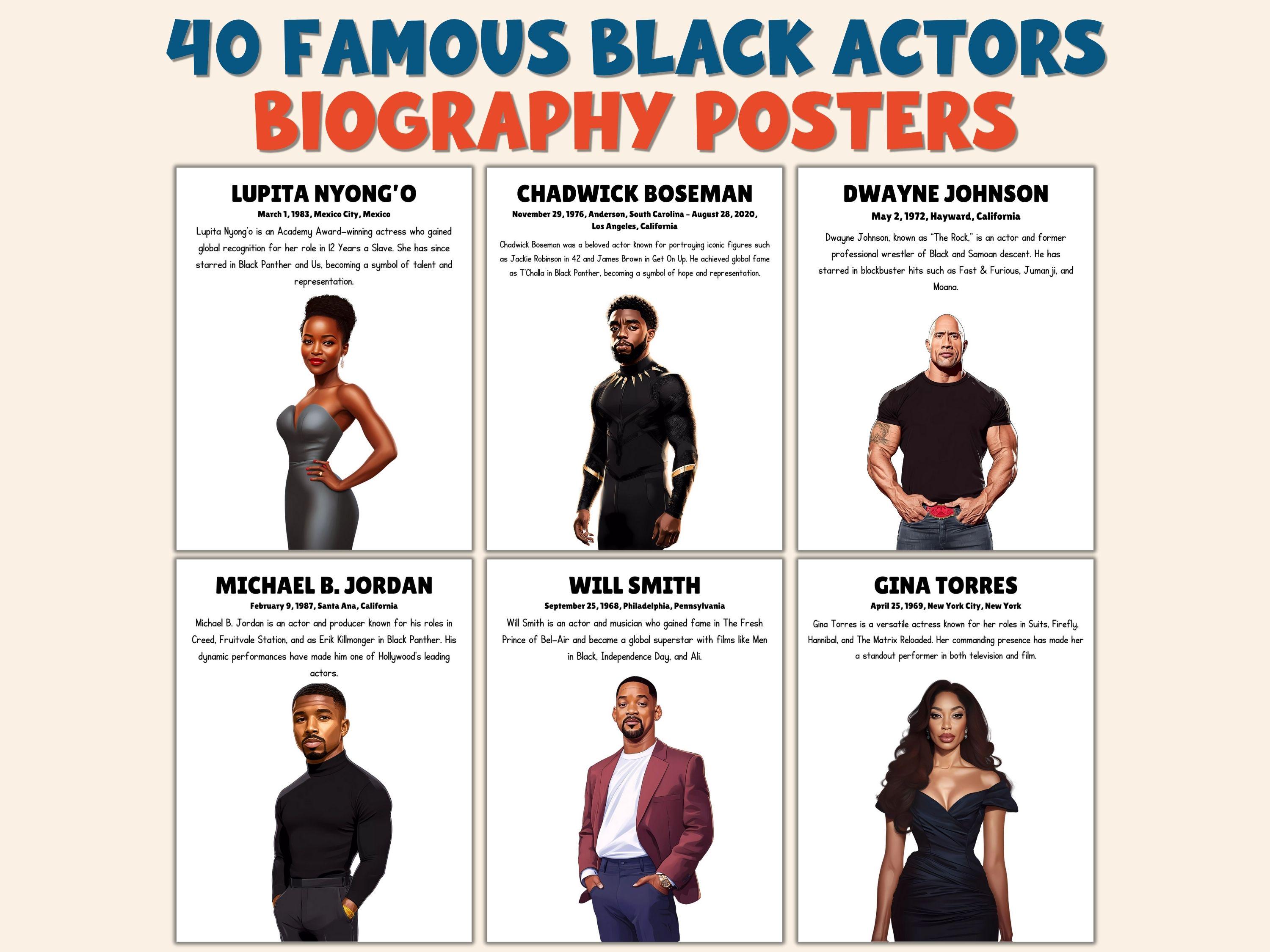
A professional actor biography is a concise, narrative-driven summary of a performer’s career highlights, formal training, and unique artistic identity. Unlike a bulleted resume, the biography provides a cohesive story that markets an actor to casting directors, agents, and producers. In 2026, an effective biography must bridge the gap between traditional credits and a modern digital presence, ensuring a performer stands out in a data-driven casting landscape.
The Strategic Importance of the Actor Biography
In the high-stakes environment of modern entertainment, an actor’s biography serves as more than just a list of accomplishments; it is a vital component of a personal brand. While a resume provides the raw data of "what" an actor has done, the biography explains "who" the actor is. Casting directors often use biographies to get a sense of a performer’s professional trajectory and reliability. A well-constructed bio can signal that an actor is prepared for the rigors of a professional set or stage, highlighting not just the roles they have played, but the prestigious institutions where they studied and the reputable directors with whom they have collaborated.
Furthermore, as the industry in 2026 relies heavily on algorithmic searching within casting databases like IMDbPro, Casting Networks, and Spotlight, the biography is a prime location for relevant keywords. Terms related to specific skill sets—such as "stunt coordination," "classical Shakespearean training," or "fluent in Mandarin"—allow performers to surface in highly specific searches. A biography that is both human-readable and SEO-optimized ensures that the actor is visible to both the human eye and the digital filter.
Essential Components of a Modern Actor Biography
To meet the standards of current industry gatekeepers, an actor's biography should follow a logical structure that prioritizes the most impressive information. A "buried lead" can result in a casting director moving on before they reach the most relevant details.
The Professional Hook and Current Status
The opening paragraph should immediately establish the actor's current professional standing. This includes their most recent high-profile project, any notable awards or nominations, and their primary "type" or niche. For example, rather than stating "John is an actor living in New York," a more effective opening would be: "John Doe is a New York-based actor recently seen in the critically acclaimed HBO Max series The Last Frontier." This establishes immediate credibility and provides a frame of reference for the reader.
Career Highlights and Representative Credits
Following the introduction, the biography should delve into significant past work. It is essential to curate this list rather than providing an exhaustive history. Actors should focus on "contract-level" credits—recurring roles in television, lead or supporting roles in feature films, or major regional and Broadway theater credits. If an actor is early in their career, they should focus on the quality of the productions and the prestige of the theater companies or independent film festivals where their work has been showcased. Mentioning collaborations with known directors or showrunners can also provide "social proof" of an actor's talent.
Training and Educational Pedigree
For many casting directors, an actor’s training is a primary indicator of their technical skill and work ethic. This section should highlight degrees from notable conservatories or universities, such as Juilliard, Yale School of Drama, RADA, or NYU Tisch. Beyond formal degrees, ongoing study with renowned coaches or at established studios like The Groundlings, Stella Adler Studio of Acting, or the Lee Strasberg Theatre & Film Institute should be included. Mentioning specific techniques (e.g., Meisner, Chekhov, or Stanislavski) can also help casting directors understand the actor's process and compatibility with a project’s style.
Structuring Biographies for Different Platforms
An actor does not need just one biography; they need a "bio suite" tailored to different lengths and platforms. The requirements for a theatrical playbill are vastly different from those of an IMDb profile or a personal website.
The IMDbPro and Casting Database Bio
On platforms like IMDbPro, the biography can be more extensive. This is often the first place an agent or producer looks when researching a performer. In 2026, these bios should include links to demo reels and be written in the third person to maintain a professional, encyclopedic tone. It is acceptable here to include a brief "personal" section at the end, mentioning hobbies or philanthropic work, which can sometimes serve as a conversation starter in the audition room.
The Playbill or Program Bio
Theatrical biographies are notoriously constrained by character counts. These must be punchy and focused almost entirely on credits and a "special thanks" section (customary in theater). Because theater audiences read these during intermission, they should be engaging but professional.
The Short-Form "Micro-Bio"
Social media platforms like Instagram or LinkedIn require a "micro-bio." This is usually 150 characters or less and should focus on the most impressive current credit and a link to the actor’s official website or electronic press kit (EPK).
Comparison of Actor Biography Types
| Feature | The Micro-Bio | The Industry Standard | The Full EPK Bio |
|---|---|---|---|
| Word Count | 50 – 75 words | 150 – 250 words | 500+ words |
| Primary Use | Social Media / Programs | Agency Sites / Casting Portals | Personal Websites / PR |
| Focus Area | Current project & top credit | Career highlights & training | Full narrative & personal brand |
| Perspective | Third Person | Third Person | Third or First Person |
| Key Inclusion | High-level "Hook" | Professional pedigree | Philosophical approach & backstory |
Tone, Style, and Narrative Voice
While the majority of professional biographies are written in the third person, the tone can vary based on the actor's "brand." A comedic actor might inject a small amount of humor, whereas a classical dramatic actor should maintain a more formal, sophisticated tone.
Regardless of the niche, "fluff" should be avoided. Phrases like "John has a passion for the arts" or "Sarah has wanted to be an actress since she was five years old" are considered amateurish and take up valuable space. Instead, let the credits and training speak for that passion. Use active verbs: "He portrays," "She headlined," or "They collaborated." This creates a sense of momentum and professional activity.
Accuracy is paramount. In 2026, the industry is more interconnected than ever, and "padding" a biography with exaggerated credits or unverified training can lead to being blacklisted by casting offices. If a role was "understudy," it should be listed as such, rather than implying it was a principal role.
Adapting the Biography for the 2026 Digital Landscape
The industry has moved toward a "living biography" model. Static PDFs are no longer sufficient. In 2026, actors are encouraged to include interactive elements in their digital biographies, such as:
- QR Codes: For physical headshots or resumes, a QR code can link directly to a digital bio with an embedded reel.
- Hyperlinked Credits: In digital versions (such as a website bio), linking a project title to its IMDb page or a trailer allows the reader to immediately verify and view the work.
- Multilingual Variations: For actors working in international markets, having biographies available in multiple languages is a significant advantage.
- AI Search Optimization: Using natural language that describes "vibe" or "essence" (e.g., "The quirky best friend" or "The brooding antagonist") helps modern AI-assisted casting tools match actors to character descriptions.
Common Pitfalls to Avoid
Even seasoned performers often make mistakes that can undermine their professionalism. Avoiding these specific errors will ensure the biography remains a powerful marketing tool:
- Over-Listing Background Work: Unless a performer is just starting out, "Extra" or "Background" work should never be included in a professional biography. It can actually devalue the performer in the eyes of a principal casting director.
- Outdated Information: A biography that lists a "current" project from 2023 when it is now 2026 suggests that the actor is no longer active. Updates should occur at least every six months.
- The "Laundry List" Effect: Avoid simply listing credits in a sentence. "He was in Show A, Show B, Show C, and Show D." Instead, group them: "His television credits include guest star appearances on Show A and Show B, as well as a recurring role on the Netflix drama Show C."
- Neglecting Special Skills: Many actors forget to include unique, high-level skills that could lead to a specific casting. If you are a certified scuba diver, a competitive fencer, or fluent in a rare dialect, these should be mentioned in the final paragraph of a standard bio.
Frequently Asked Questions
Should I write my own biography or hire a professional?
While many actors write their own bios, hiring a professional entertainment copywriter can be beneficial. A writer can provide an objective perspective on which credits are the most impressive and ensure the tone aligns with current industry standards. If writing your own, always have a trusted agent or peer proofread it for tone and clarity.
How often should an actor's biography be updated?
A biography should be updated as soon as a significant new credit is booked or a major training program is completed. At a minimum, a "maintenance check" should be performed every six months to ensure all links work and the "current" projects mentioned are still relevant.
Is it okay to include personal information, like hobbies?
In a full-length biography for a website or IMDb, a small amount of personal information (1–2 sentences) is acceptable. It helps humanize the performer. However, in short-form bios like those for Playbills, personal information should be omitted in favor of professional credits.
Should I include awards I won in high school or college?
Once an actor has professional credits, high school and most college awards should be removed unless they are from a highly prestigious national competition (e.g., The Princess Grace Award or the Kennedy Center American College Theater Festival). Focus instead on professional recognitions like SAG-AFTRA honors or regional theater awards.
Should my biography be in the first or third person?
The industry standard remains the third person ("She is," "He performed"). This allows the biography to read like an objective professional profile. The first person ("I am," "I performed") is generally reserved for personal blogs or specific "About Me" sections on social media.
Next Steps for Improving Your Bio
The most immediate action an actor can take is to conduct an audit of their current digital presence. Start by comparing your IMDbPro bio, your agency website profile, and your personal website. If the information is inconsistent across these platforms, it can create confusion for casting directors.
Gather your most recent three credits and your most prestigious training credential. Rewrite your opening paragraph to include these "power items." Once the draft is complete, read it aloud; a biography should flow naturally and sound like a professional introduction. Finally, ensure that any digital version of your biography includes a direct link to your current demo reel, as the primary goal of the biography is to compel the reader to actually watch you act.