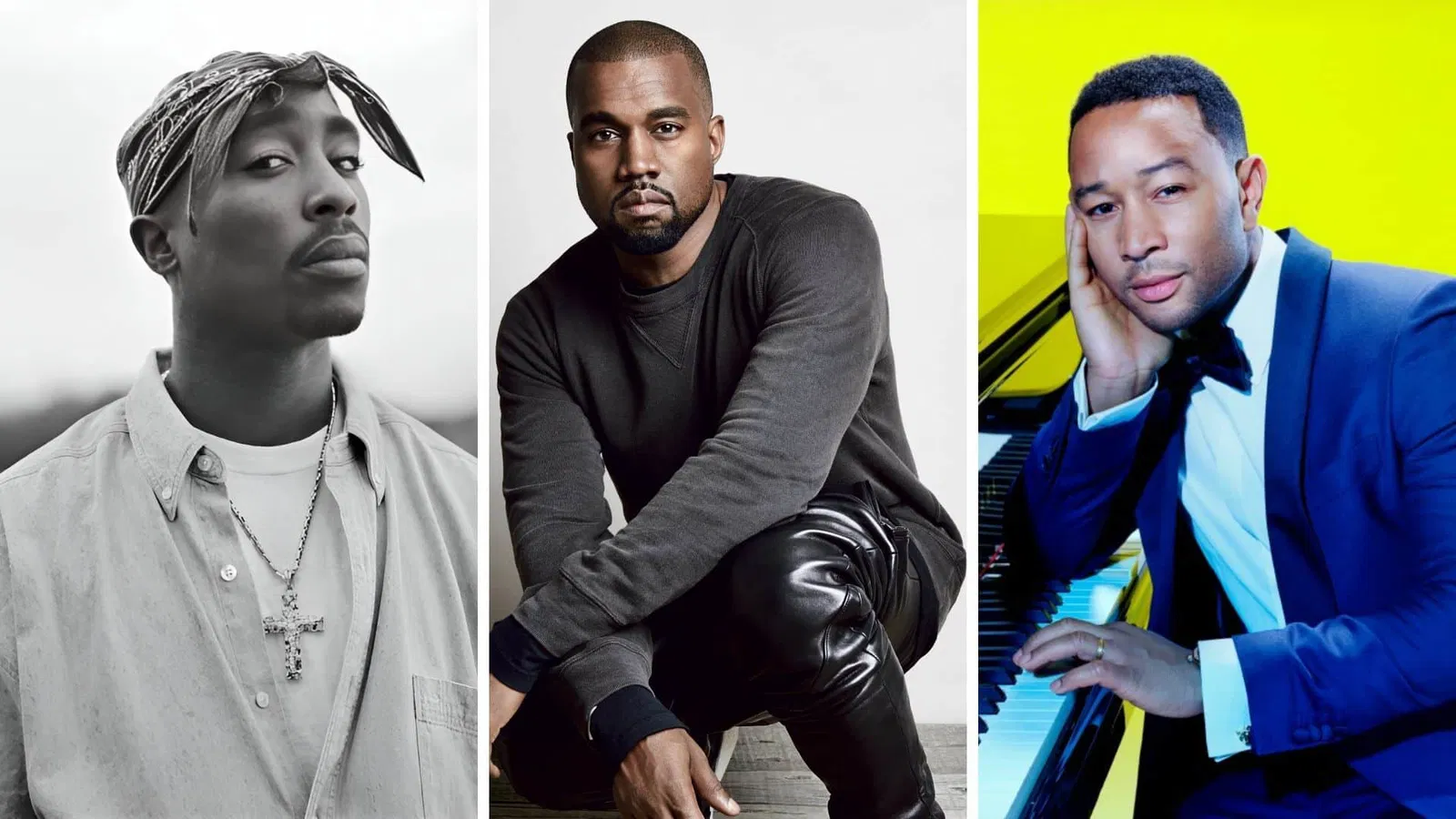
An actor and singer, often referred to as a "dual-threat" or multi-hyphenate performer, is a professional who maintains high-level proficiency in both dramatic performance and vocal music. This career path involves balancing the technical demands of vocal health with the emotional and physical requirements of acting across stage, screen, and digital media.
The landscape for performers who bridge the gap between acting and singing has undergone a significant transformation. In 2026, the industry no longer views these skills as separate silos but as integrated components of a "total performance" brand. Whether a performer is aiming for the Broadway stage, the recording studio, or the cinematic screen, the ability to transition seamlessly between dialogue and melody is a primary asset in an increasingly competitive global market.
Defining the Dual-Threat Performer: Prerequisites and Scope
To succeed as both an actor and a singer, a performer must possess a foundational mastery of two distinct yet overlapping disciplines. While many actors can "carry a tune" and many singers can "deliver a line," a professional multi-hyphenate is expected to meet industry standards in both. This requires a commitment to lifelong training and a deep understanding of how these two art forms intersect.
The prerequisites for this career path generally fall into three categories: technical proficiency, versatility, and stamina. On the acting side, a performer must understand script analysis, character development, and the technical nuances of performing for different mediums (the intimacy of a camera versus the projection required for a 2,000-seat theater). On the singing side, mastery involves vocal technique, breath control, pitch accuracy, and the ability to interpret lyrics as a form of storytelling.
In 2026, the scope of work for an actor and singer includes:
- Musical Theater: The traditional home of the "triple threat," where singing and acting are fundamental.
- Film and Television: Including musical biopics, live-action musical adaptations, and "diegetic singing" roles where a character performs within the story.
- Voiceover and Animation: A booming sector where actors are frequently required to sing in character for series and video games.
- The Recording Industry: Actors who release original music or singers who transition into dramatic roles, often leveraging their existing fanbases.
The Intersection of Craft: How Acting and Singing Complement Each Other
The most successful actors and singers do not treat their skills as separate tools; they use them to inform one another. An actor who is also a trained singer often has a better grasp of rhythm, phrasing, and the "music" of spoken dialogue. Conversely, a singer who is a trained actor can navigate a song with greater emotional depth, treating the lyrics as a monologue set to pitch.
The Actor’s Approach to Song
When an actor approaches a song, they begin with the "who, what, where, and why." They analyze the lyrics to find the character's objective and the obstacles in their way. This prevents the performance from becoming purely "vocal gymnastics" and ensures the audience connects with the emotional truth of the piece. In 2026, casting directors increasingly prioritize "acting the song" over technical perfection, seeking performers who can convey vulnerability and narrative progression through their vocal choices.
The Singer’s Approach to Dialogue
A singer’s background provides them with a keen ear for resonance and cadence. This is particularly useful in classical theater or Shakespearean performance, where the "music" of the language is paramount. Singers also tend to have better breath support, which translates to superior vocal projection and the ability to sustain long, complex monologues without vocal fatigue.
Structural Career Paths in the Modern Industry
Navigating a dual career requires a strategic approach to representation and branding. A performer must decide which "hyphen" leads their career at any given time. While some manage to maintain a 50/50 split, most find that one discipline often serves as the gateway to the other.
The Broadway to Screen Pipeline
Many of the most celebrated multi-hyphenates began their careers in theater. The rigorous demands of performing eight shows a week provide a "boot camp" for vocal and physical stamina. Successful theater performers often transition into television and film, where their disciplined background allows them to handle long shooting days and complex character arcs with ease.
The Recording Artist Crossover
For established singers, moving into acting is often a matter of brand expansion. However, in 2026, the "stunt casting" of singers in dramatic roles has evolved into a more serious pursuit. High-profile vocalists are increasingly seeking rigorous acting training to ensure their transition into film is met with critical acclaim rather than just commercial success. This path requires a careful selection of roles that challenge their public persona.
The Voice and Digital Media Niche
The rise of immersive gaming and high-fidelity animation has created a specialized niche for actors who can sing. In these roles, the performer must be able to maintain a specific character voice while executing complex musical arrangements. This sector offers significant longevity and lower physical "wear and tear" compared to live touring or stage work.
Technical Training and Vocal Maintenance
The physical toll of being an actor and singer is substantial. Maintaining a professional-grade voice while simultaneously using it for hours of spoken rehearsal requires a strict regimen of vocal hygiene and physical fitness.
| Aspect of Training | Actor/Singer Focus | Industry Standard (2026) |
|---|---|---|
| Vocal Technique | Focus on "mix" and "belt" safety. | Regular sessions with a certified vocal pedagogue. |
| Acting Method | Meisner, Stanislavski, or Hagen. | Ability to adapt "method" to fast-paced TV sets. |
| Physicality | Core strength and alignment. | Focus on Alexander Technique or Yoga for tension release. |
| Vocal Hygiene | Hydration and "vocal rest" periods. | Use of nebulizers and strict avoidance of vocal strain. |
| Digital Literacy | Home studio recording and self-taping. | Proficiency in DAWs (Digital Audio Workstations) like Logic or ProTools. |
In 2026, the integration of technology into training is standard. Performers use biofeedback apps to monitor vocal fold inflammation and AI-driven rehearsal tools to practice harmonies or run lines. However, these tools are supplements to, not replacements for, the foundational work of a human coach.
Business and Branding Strategy for Multi-Hyphenates
Managing two careers means managing two sets of professional relationships. A performer may have a theatrical agent for stage and screen work and a separate music manager for their recording career. Coordination between these parties is essential to avoid scheduling conflicts and to ensure a cohesive brand image.
Managing the "Union" Landscape
In the United States, an actor and singer must navigate multiple unions, including SAG-AFTRA (for film, television, and radio) and Actors' Equity Association (AEA) (for live theater). In 2026, the lines between these jurisdictions have blurred as digital streaming and "live-captured" performances become more common. Understanding the residual structures and work rules of each union is a prerequisite for financial stability.
The Digital Footprint
A performer’s digital presence must reflect their dual capabilities. In the current market, a "self-tape" audition often requires a performer to showcase both a dramatic monologue and a 32-bar song cut within the same submission. Maintaining a high-quality portfolio that demonstrates range in both disciplines is the most effective way to secure high-level representation.
Common Challenges and Operational Limitations
Despite the advantages of being a multi-hyphenate, the path is fraught with specific challenges. The most significant is vocal fatigue. When an actor is filming a high-intensity dramatic scene that requires shouting or heavy emotional labor, their singing voice may suffer. Conversely, a grueling concert tour can leave a performer with "vocal fry," making them unsuitable for certain acting roles that require a clear, resonant speaking voice.
Another limitation is the "pigeonholing" effect. The industry often tries to categorize performers into a single box. An actor who is "too musical" may find it difficult to be cast in gritty, realistic dramas, while a singer who is "too much of an actor" may struggle to find a unique identity in the pop music market. Overcoming these perceptions requires a deliberate choice of projects that showcase different facets of the performer’s talent.
Frequently Asked Questions
Do I need to be a professional-level singer to be a successful actor?
No, not every actor needs to be a professional singer. However, having "vocal utility"—the ability to hold a pitch and sing basic melodies—significantly increases your casting opportunities, especially in commercials, animation, and indie films. For those aiming for musical theater, professional-level singing is mandatory.
Is it better to focus on one craft before trying to do both?
Most experts recommend establishing a solid foundation in one area while continuing to train in the other. If you are a naturally gifted singer, use that as your "in" to the industry while taking acting classes to bolster your dramatic skills. If you are a trained actor, work on your vocal technique privately until you are confident enough to audition for musical roles.
How do I maintain my voice while doing a play with a lot of screaming?
Vocal health in high-intensity acting requires specific "vocal combat" training. Actors are taught to use their resonance and breath support to create the sound of a scream or shout without actually straining the vocal folds. Using "steamers" and maintaining strict vocal rest between performances is also essential in 2026's professional environments.
Are there specific agents for people who do both?
Most major talent agencies (such as CAA, WME, or UTA) have separate departments for theater, film/TV, and music. A multi-hyphenate performer will often have a "point agent" who coordinates with the other departments to ensure the performer is being submitted for all relevant opportunities. Small-to-mid-sized boutique agencies may have "crossover" agents who specialize in multi-hyphenate talent.
How has AI changed the career of an actor and singer in 2026?
AI has become a tool for rehearsal and voice preservation. Performers now "bank" their voices legally to protect against unauthorized AI clones. Additionally, AI tools are used to help performers learn complex musical scores or translate their scripts into different languages for international projects, though the core emotional performance remains a human-driven task.
Strategic Recommendations for Aspiring Performers
For those looking to build a sustainable career as an actor and singer in the current landscape, the focus should be on versatility and technical resilience. The performers who thrive are those who can adapt to the shifting demands of the industry without compromising their artistic integrity or physical health.
First, invest in high-quality vocal pedagogy that focuses on "functional" singing—the ability to move between genres (e.g., pop, rock, legit theater) safely. Second, seek out acting training that emphasizes "truth in performance," which will serve you whether you are in front of a camera or a live audience. Finally, take control of your digital presence. In 2026, you are the CEO of your own performance brand; ensuring that your materials clearly communicate your dual expertise is the fastest way to attract the right professional team and secure longevity in a demanding but rewarding industry.