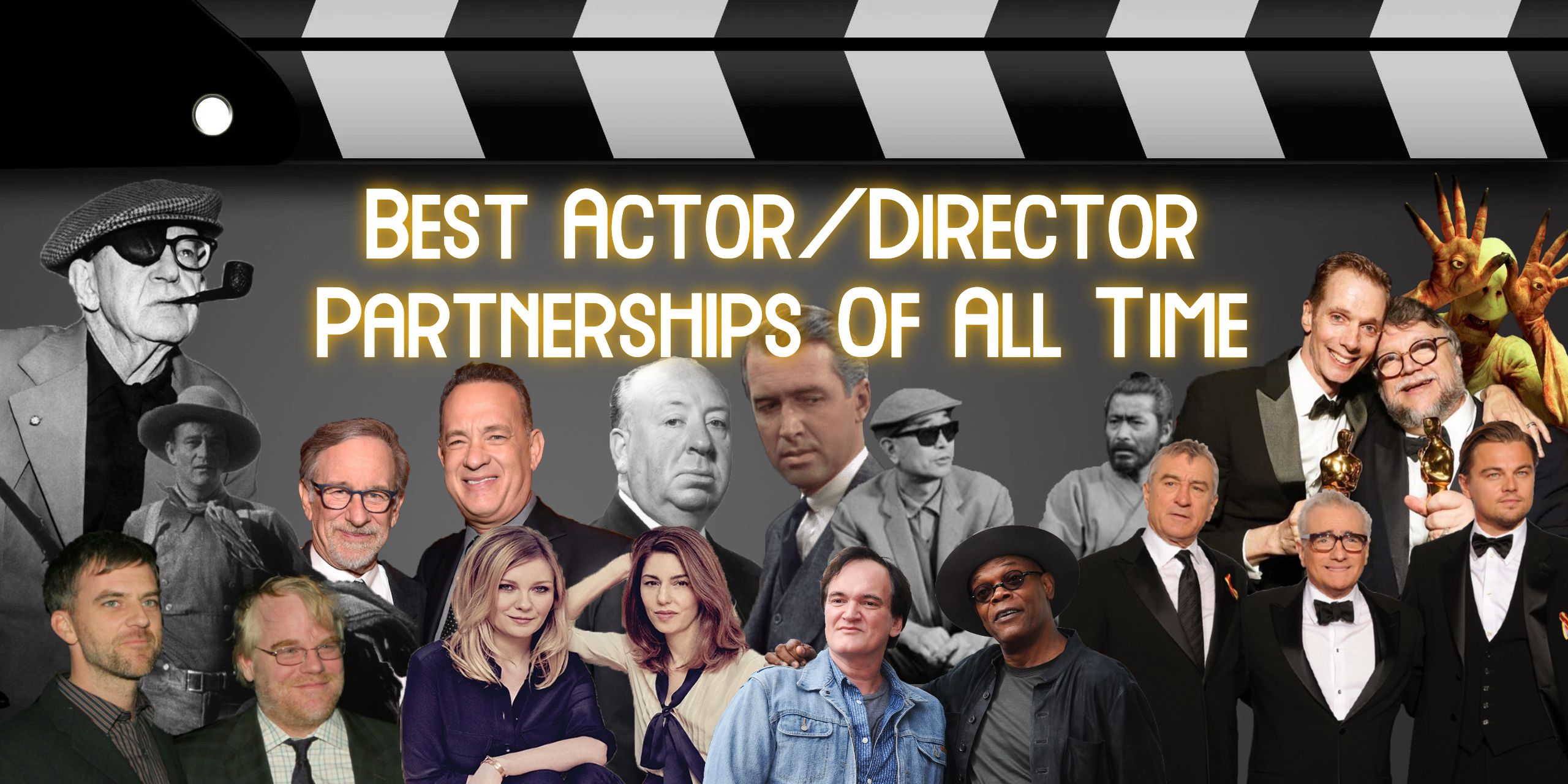
Actor partnerships are collaborative alliances between two or more performers designed to maximize creative output, increase industry leverage, and secure greater financial control over production. In 2026, these partnerships range from informal recurring on-screen duos to formal joint-venture production companies that allow actors to transition from talent-for-hire to high-level industry stakeholders and intellectual property owners.
The Evolution of the Actor Partnership in the Modern Industry
The concept of the actor partnership has shifted significantly from the mid-20th century to the landscape of 2026. Historically, partnerships were often orchestrated by studios—think of the legendary pairings like Spencer Tracy and Katharine Hepburn or Jack Lemmon and Walter Matthau. These were largely creative arrangements designed to capitalize on undeniable on-screen chemistry. However, as the "Studio System" gave way to the "Star System," and eventually to the current "Creator-Producer" era, the nature of these alliances transformed.
Today, an actor partnership is rarely just about shared screen time. It is a strategic business decision. High-profile performers are increasingly pooling their "star power" to form production entities. This shift is driven by the desire for creative autonomy and a larger share of the backend profits. By 2026, the trend of actors acting as their own studios has reached a peak, with many partnerships focusing on acquiring literary rights, developing original scripts, and negotiating "first-look" deals with major streaming platforms.
The primary driver for these partnerships is the mitigation of risk. In a volatile entertainment market, sharing the burden of development costs and administrative overhead allows actors to take bigger creative swings. Furthermore, a partnership often provides a "brand multiplier" effect, where the combined audience reach of two stars is significantly greater than the sum of their individual parts.
Types of Professional Actor Partnerships
Understanding the different structures of actor partnerships is essential for any performer considering a long-term collaboration. These arrangements are generally categorized by their legal formality and their primary objectives.
Creative Duos and Recurring Collaborations
This is the most common form of partnership, often beginning organically. Two actors find that their performance styles complement each other, leading to multiple projects over several years. While these may not always involve a shared legal entity, they are maintained through mutual professional agreements and a shared public brand. The value here lies in "shorthand" communication; the actors understand each other's rhythms, which reduces production friction and enhances the final product.
Joint Production Companies
This is the most formal and legally complex version of an actor partnership. Notable historical examples like Ben Affleck and Matt Damon’s Artists Equity have paved the way for current 2026 models. In this structure, actors form an LLC or a Corporation to house their development projects. They share the costs of hiring development executives, assistants, and legal counsel. This allows them to move from being "employees" on a set to being the "employers" who own the master recording or the copyright of the film.
Brand and Digital Alliances
In the digital-first environment of 2026, actor partnerships often extend into social media and lifestyle branding. Performers may partner specifically for digital content series, podcasts, or co-branded entrepreneurial ventures (such as spirits, clothing lines, or tech startups). These partnerships leverage the actors' combined follower bases to bypass traditional media gatekeepers and speak directly to their audience.
Legal and Financial Frameworks for Partnerships
When actors move beyond casual collaboration into formal business structures, the legal framework becomes the most critical component. A handshake deal is insufficient for the complexities of the 2026 entertainment industry.
The Operating Agreement
For any joint production company, a robust Operating Agreement is the foundational document. This contract must clearly define:
- Equity Splits: How much of the company does each partner own? This is not always 50/50; it often depends on the capital or "sweat equity" contributed by each party.
- Decision-Making Power: Who has the final say on greenlighting a project? Many partnerships fail because they lack a tie-breaking mechanism.
- Revenue Distribution: How are the "back-end" points and licensing fees distributed? This includes defining what happens to residuals and ancillary income from merchandise or international distribution.
Intellectual Property (IP) Ownership
One of the primary reasons actors partner is to own IP. The partnership agreement must specify how rights are handled if the partnership dissolves. If the duo develops a script together and then parts ways, who retains the right to produce that script? Standard 2026 contracts often include "buy-sell" provisions or "shotgun clauses" to handle these scenarios fairly.
| Partnership Type | Primary Goal | Legal Complexity | Risk Level | Key Advantage |
|---|---|---|---|---|
| Creative Duo | Artistic Synergy | Low (Project-based) | Low | Enhanced Performance Quality |
| Joint Production Co. | IP Ownership | High (LLC/Corp) | High | Creative Control & Equity |
| Brand Alliance | Market Expansion | Medium (Licensing) | Medium | Diversified Income Streams |
| Digital Venture | Audience Retention | Medium (Agencies) | Low/Medium | Direct-to-Consumer Growth |
Navigating Creative Synergy and Conflict
While the financial benefits of actor partnerships are clear, the creative dynamics are often the most difficult to manage. Successful partnerships rely on a balance of shared vision and complementary skill sets.
Defining Roles
In many successful 2026 partnerships, one actor may take the lead on the business and development side (the "producer-actor"), while the other focuses on the artistic direction and talent recruitment. Clearly defining these roles prevents the "too many cooks in the kitchen" syndrome. For instance, if one partner is better at navigating studio politics and the other is a master of script analysis, the partnership gains a competitive edge.
Managing the "Star" Ego
The entertainment industry is notoriously ego-driven. A partnership requires a degree of humility and a "team-first" mentality that can be difficult to maintain under the pressure of fame. Regular "state of the union" meetings are a common practice among long-term partners to address grievances before they become terminal. In 2026, many high-level duos actually employ "partnership coaches" or mediators to facilitate difficult conversations regarding billing, salary parity, and creative credit.
Strategic Career Advantages of Partnering
Why should an actor choose a partnership over a solo career path? The advantages in the 2026 market are multifaceted, involving negotiation leverage and career longevity.
- Negotiation Leverage: A "package deal" involving two bankable stars is significantly more attractive to a studio or streamer than a single actor. Partners can demand higher budgets, better marketing spend, and more favorable release windows because they represent a more secure investment.
- Resource Pooling: Developing a film or series is expensive. By sharing the costs of options, screenwriters, and pitch materials, actors can maintain a larger slate of projects. This "volume" approach increases the likelihood of a "hit."
- Creative Longevity: Partnerships can help actors transition through different phases of their careers. If one partner's "type" becomes less marketable, the partnership's production arm allows them to remain relevant by moving behind the camera or into character roles within their own productions.
- Shared Accountability: The isolation of stardom can lead to poor decision-making. A partner provides a "sanity check," offering honest feedback on scripts and career moves that a paid assistant or agent might be hesitant to provide.
Common Pitfalls and How to Avoid Them
Despite the benefits, many actor partnerships end in litigation or public fallout. Understanding the common failure points is essential for prevention.
- Financial Opacity: Disagreements often arise when one partner feels the other is not contributing equally to the "overhead" or when expenses are not clearly tracked. Using independent, third-party business managers is the standard solution in 2026.
- Brand Dilution: If one partner becomes involved in a scandal, the other's brand can be tarnished by association. Modern partnership contracts often include "morality clauses" that allow for the swift legal separation of entities if one partner’s actions significantly damage the joint venture's value.
- Unequal Workloads: Over time, one partner may become more active in the business than the other. If the profit split remains equal despite an unequal workload, resentment builds. Setting "milestone-based" equity or performance bonuses can help mitigate this.
What is the difference between a creative duo and a business partnership?
A creative duo is primarily focused on the on-screen chemistry and collaborative performance, often governed by project-specific contracts. A business partnership, such as a joint production company, is a permanent legal entity where actors share ownership of assets, intellectual property, and financial liabilities regardless of whether they appear on screen together.
How do actor partners handle profit sharing?
In 2026, most formal partnerships use a "waterfall" payment structure. First, the initial investment and overhead costs are recouped. Then, a portion of the profits is reinvested into the company for future development. Finally, the remaining net profits are distributed to the partners based on their equity percentage defined in the Operating Agreement.
Can a partnership exist without a production company?
Yes. Many actors maintain a "first-look" partnership where they agree to offer each other roles in their respective projects before looking elsewhere. This is often managed through their respective agencies (like WME, CAA, or UTA) and does not require a shared legal entity, though it lacks the tax and IP benefits of a formal company.
What happens to a partnership if one actor wants to retire?
This is typically handled through a "Buy-Out" agreement. The retiring partner’s share of the company and its IP is valued by an independent appraiser, and the remaining partner is given the first option to purchase that share over a set period.
Are actor partnerships more common in film or television?
In 2026, they are equally common across both. However, television (including streaming) often sees more "Executive Producer" partnerships because the long-term nature of a series provides a more stable revenue stream for a joint production company compared to the "one-off" nature of feature films.
Formalizing Your Creative Alliance
If you are considering an actor partnership, the first step is not a script or a meeting with a studio, but a meeting with a specialized entertainment attorney. You must move beyond the excitement of a shared vision and address the "what-ifs" of professional collaboration. Start by drafting a "Term Sheet" that outlines your shared goals, financial contributions, and exit strategies.
Once the legal foundation is laid, focus on building a small, agile team—a trusted business manager and a shared development executive. In the competitive landscape of 2026, the most successful actor partnerships are those that operate like lean tech startups: data-driven, strategically aligned, and focused on owning the means of production rather than just being a face on the poster.