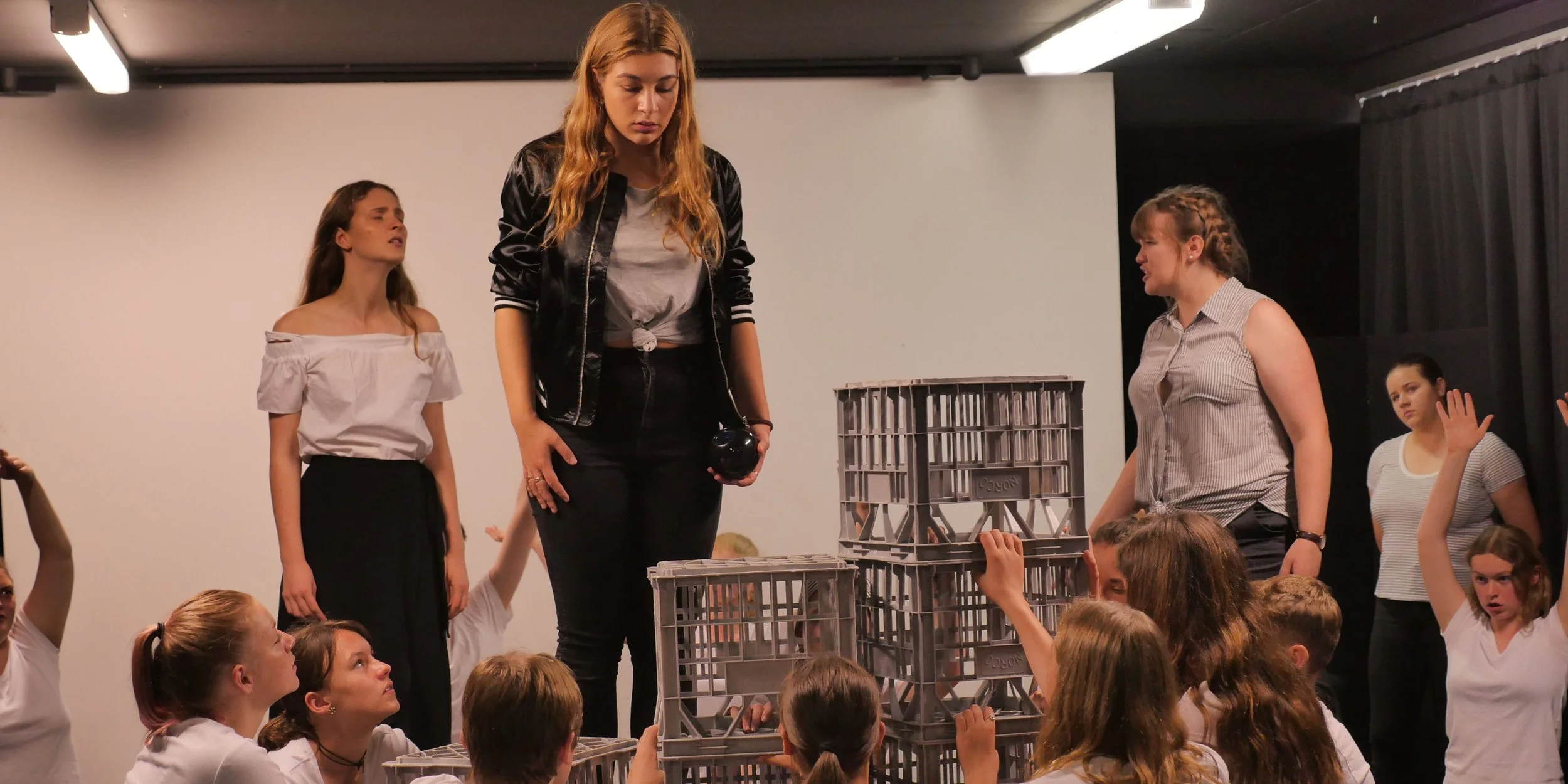
Actor movement training is a specialized discipline that empowers performers to use their bodies as expressive, versatile, and healthy instruments. It bridges the gap between internal emotional life and external physical expression, teaching actors to inhabit a character’s unique physical life while maintaining their own physical longevity and creative readiness.
In the contemporary performance landscape of 2026, movement training has evolved from a secondary "extra" into a foundational pillar of actor training, standing alongside voice and scene study. Whether preparing for a minimalist stage play, a high-budget action film, or a high-fidelity motion capture session, an actor’s ability to control their physical presence is their most vital tool.
The Fundamental Purpose of Movement in Acting
The primary goal of actor movement training is the development of a "neutral" body. This does not mean a body devoid of personality, but rather one free from the habitual tensions, idiosyncratic postures, and physical "blind spots" that every person carries from their daily life. By stripping away these personal habits, an actor creates a blank canvas upon which a character’s specific physical traits can be painted.
Movement training addresses the psycho-physical connection. This concept, championed by practitioners from Constantin Stanislavski to Michael Chekhov, posits that the body and the mind are inextricably linked; a physical action can trigger an emotion just as easily as an emotion can trigger a physical reaction. By mastering movement, actors gain a reliable, repeatable "in" to the character’s emotional state that does not rely solely on psychological memory or fleeting inspiration.
Furthermore, movement training is a matter of safety and sustainability. Acting can be physically demanding, requiring repetitive motions, intense fight sequences, or the assumption of uncomfortable postures for hours. Professional training provides the biomechanical knowledge necessary to perform these tasks without risking chronic injury.
Core Methodologies and Physical Techniques
The world of actor movement is diverse, drawing from various historical traditions and modern scientific understandings of the body. Most professional training programs utilize a combination of the following systems to provide a well-rounded physical education.
Laban Movement Analysis (LMA)
Developed by Rudolf Laban, this system is one of the most widely used tools for character development. It categorizes movement based on four components: Space (Direct or Indirect), Weight (Heavy or Light), Time (Sudden or Sustained), and Flow (Bound or Free).
By combining these elements, actors can explore the "Eight Efforts": Punch, Float, Glide, Slash, Dab, Wring, Flick, and Press. For example, a character who is authoritative and intimidating might move with "Heavy, Direct, and Sudden" qualities (the Punch), whereas a character who is elusive or anxious might inhabit "Light, Indirect, and Free" qualities (the Flick).
The Alexander Technique and Feldenkrais Method
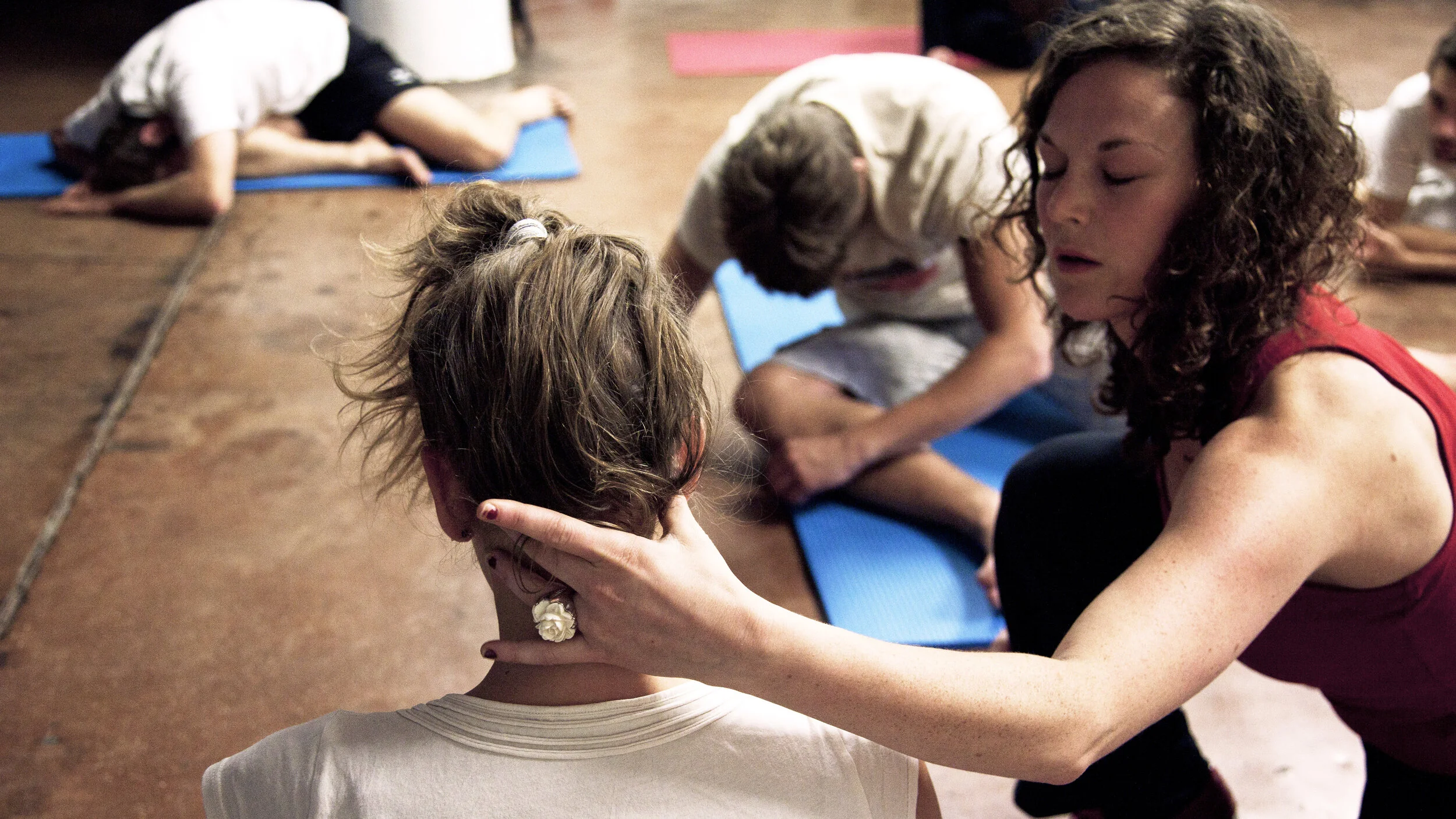
These are somatic practices focused on body awareness and the removal of unnecessary tension. The Alexander Technique teaches actors to recognize "misuse" of the body—such as the tendency to collapse the spine or tighten the neck—and replace it with "primary control," a state of poised ease. The Feldenkrais Method uses "Awareness Through Movement" lessons to rewire the nervous system, helping actors find more efficient and varied ways to move. These techniques are essential for actors who find that physical tension blocks their emotional expression or restricts their vocal resonance.
Lecoq and Physical Theatre
Jacques Lecoq’s pedagogy focuses on the "body’s intelligence." Central to his work is the "Neutral Mask," which helps actors discover a state of total presence and readiness. Lecoq training often involves the study of the "elements" (fire, water, air, earth), animals, and materials to see how their physical properties can be translated into human movement. This is particularly useful for creating highly stylized or non-naturalistic characters.
Meyerhold’s Biomechanics
Vsevolod Meyerhold’s Biomechanics is a highly athletic system that treats the actor’s body like a machine. It focuses on the "pre-action" (otkaz), the action itself, and the "reaction" (tochka). This training builds incredible physical discipline, coordination, and an understanding of rhythm and tempo on stage. While less common in its pure form today, its principles influence much of modern physical theater and ensemble work.
Specialized Training for Modern Media Environments
As we move through 2026, the demand for specialized physical skills has expanded beyond traditional stagecraft. Actors are now expected to be proficient in technical movement environments that didn't exist a few decades ago.
- Motion Capture (MoCap) and Performance Capture: In MoCap, an actor’s movement is translated onto a digital skeleton. This requires a heightened sense of "physical legibility." Because the sensors may not capture every subtle facial twitch, the actor must communicate intent through their silhouette and gross motor movements. Training often includes learning how to exaggerate certain movements without losing the "truth" of the performance.
- Stage Combat and Stunt Coordination: This is a distinct subset of movement training that focuses on the illusion of violence. Actors must learn the safety protocols for unarmed combat, swordplay, and firearms, ensuring that they can perform high-intensity sequences repeatedly without harming themselves or their partners.
- Intimacy Coordination: While often viewed as a separate department, intimacy coordination is deeply rooted in movement training. It involves the choreography of physical contact to ensure it is consensual, safe, and narratively effective. Movement specialists are increasingly involved in helping actors navigate the "physicality of intimacy" with the same precision as a fight scene.
Comparison of Major Movement Disciplines
The following table compares several foundational movement techniques to help performers determine which might best serve their current needs.
| Technique | Primary Focus | Key Benefit | Ideal For |
|---|---|---|---|
| Laban (LMA) | Character Psychology through Physics | Precise character building | Screen and Stage Actors |
| Alexander Technique | Posture and Tension Release | Vocal freedom and longevity | Musical Theatre and Classical Actors |
| Lecoq | Play, Mask, and Elements | Physical imagination and presence | Physical Theatre and Comedy |
| Grotowski | "The Poor Actor" / Stripping Obstacles | Emotional and physical breakthrough | Experimental and Intense Drama |
| Suzuki Method | Lower Body Strength and Focus | Groundedness and "will" | Large-scale Stage Performances |
| Viewpoints | Ensemble and Space Awareness | Spontaneity and timing | Devised Theatre and Improvisation |
Developing a Personal Movement Practice
For the actor, movement training is not a "one and done" course; it is a lifelong practice. To maintain the physical instrument, professional actors typically follow a structured approach to their daily maintenance.
- Daily Alignment and Release: Most actors begin their day with 15–20 minutes of somatic work, such as "constructive rest" (from Alexander Technique) or floor-based stretching. This checks the body for any new tensions acquired during sleep or stress.
- The "Neutral" Warm-up: Before a rehearsal or performance, an actor must move from their personal body to a neutral body. This involves waking up the joints, engaging the core, and centering the breath.
- Specific Character "Drop-ins": Once neutral, the actor uses their movement training to "drop into" the character’s physicality. This might involve walking in the character’s "center" (e.g., a character who leads with their chin versus one who leads with their pelvis) or doing a quick Laban effort exploration to find the character's tempo for a specific scene.
- Cool Down: After intense physical work, a cool down is necessary to return the body to its own habitual state, preventing the "carrying home" of a character's physical tensions.
Common Challenges and Troubleshooting
Many actors encounter "plateaus" in their physical training. One common issue is intellectualization, where an actor thinks about the movement so much that they become stiff or mechanical. The solution is usually to return to "play" or "improvised movement" to re-engage the body’s natural impulses.
Another challenge is the fear of looking "silly." Movement training often requires actors to crawl, make strange noises, or mimic animals. Overcoming this "ego-barrier" is essential. Professional movement coaches emphasize that the studio is a laboratory for exploration where "failure" is merely a data point.
Finally, actors often struggle with inconsistency. Physical habits are deeply ingrained in the nervous system. Changing a habitual posture takes months of daily awareness, not just a weekly class. Consistency is the only way to achieve permanent change in the body’s "default" setting.
The Role of the Movement Director
In professional productions, the Movement Director (different from a Choreographer) is responsible for the overall physical world of the play or film. They work with the director to create a cohesive "physical language" for the ensemble. For example, in a production of The Great Gatsby, the Movement Director ensures that everyone in the cast moves with the specific weight and social etiquette of the 1920s.
They also help individual actors troubleshoot specific physical problems. If an actor is playing a character with a physical disability or a different age, the Movement Director ensures that this is portrayed authentically and safely, avoiding clichés while maintaining the actor’s physical health.
FAQs about Actor Movement Training
Do I need to be a dancer to excel in movement training?
No. While dance provides great coordination, actor movement training is about "theatrical truth" rather than aesthetic form. Many great physical actors are not dancers; they are simply people with a high degree of body awareness and the ability to use their physicality to tell a story.
How often should an actor train their body?
Physical training should be daily, but it doesn't always have to be intense. A 10-minute alignment check is often more valuable than a three-hour session once a week. For skill-based training (like combat or MoCap), twice-weekly sessions are generally recommended to maintain proficiency.
Can movement training help with stage fright?
Significantly. Stage fright is a physical response (the fight-or-flight reflex). Movement training teaches actors how to ground themselves, regulate their breath, and use that "nervous energy" as fuel for the performance rather than letting it paralyze the muscles.
Is movement training relevant for voice actors?
Yes. The voice is a physical product. Tension in the hips, neck, or shoulders directly affects the resonance and range of the voice. Even in a recording booth, the physical posture of a character changes the "sound" of the performance.
How has movement training changed with AI and 2026 technology?
In 2026, movement training often includes "Digital Literacy." Actors learn how to work with AI-assisted performance capture, where their movements might be blended with procedural animations. Understanding the physics of movement helps actors work with these technologies rather than being replaced by them.
Next Steps for Improving Your Physicality
If you are looking to advance your movement skills, the first step is to identify your current physical habits. Recording yourself performing a scene and watching it on mute can reveal repetitive gestures or postural collapses you weren't aware of.
From there, consider enrolling in a somatic-based class (Alexander or Feldenkrais) to build a foundation of ease. Once you have a "neutral" base, seek out specialized workshops in Laban or Lecoq to expand your expressive range. Remember, in the professional world of 2026, the actors who get hired—and stay hired—are those who have mastered their body just as much as their lines.