Actor death verification is the rigorous process of confirming a public figure’s passing through corroborated reports from law enforcement, medical examiners, or authorized legal representatives. In 2026, this multi-tiered system relies on official death certificates, statements from talent agencies, and vetting by established trade publications to distinguish factual events from viral digital hoaxes.
The Verification Pipeline: From Incident to Official Announcement
The process of verifying an actor's death follows a specific "chain of custody" for information. This sequence is designed to prioritize the privacy of the deceased’s family while ensuring the public and the industry receive accurate data. In most jurisdictions, the first point of verification is the medical professional or law enforcement officer at the scene. Once a death is pronounced, the local Medical Examiner or Coroner’s office takes jurisdiction.
Public confirmation rarely happens immediately. There is a "next-of-kin notification" period, which is legally and ethically mandated. Journalists at major outlets like the Associated Press or Reuters typically wait for a "confirmed by family" or "confirmed by representative" tag before publishing. In the high-stakes environment of 2026 media, where AI-generated misinformation is prevalent, "primary source" verification usually requires a statement from a known publicist, a talent agency (such as CAA or WME), or a verified social media post from an immediate family member.
The speed of social media often clashes with these protocols. However, the industry standard remains unchanged: a report is not considered "verified" until a primary source—someone with legal standing or direct medical knowledge—provides a record. For actors who are members of SAG-AFTRA, the union also plays a role in the backend verification for pension and health benefits, though they rarely act as the first point of public announcement.
Primary Sources of Truth in the Entertainment Industry
When a report of an actor’s death surfaces, professional researchers and the public should look to specific "sources of truth." These entities have established vetting processes that significantly reduce the risk of reporting a hoax.
Trade Publications
Outlets such as Variety, The Hollywood Reporter, and Deadline Hollywood are the gold standards for entertainment news. These publications have direct lines to talent management and PR firms. They rarely rely on social media rumors and will typically cite "a representative for the actor" as their source. If a death is not reported by at least two of these major trades within a few hours of a viral rumor, the information should be treated with extreme skepticism.
Medical Examiner and Coroner Records
For deaths occurring in major hubs like Los Angeles, New York, or London, the local government records are the ultimate legal proof. In California, for example, the Los Angeles County Department of Medical Examiner provides a public searchable database for cases. While detailed autopsy reports may take months to finalize, the initial "Case Status" confirms the identity and the fact of death.
The Social Security Death Index (SSDI)
While less useful for breaking news due to reporting delays, the SSDI remains a critical tool for historical verification and estate management. It provides a permanent record of the death of any individual with a Social Security number. However, in 2026, privacy regulations have made recent entries less accessible to the general public, often requiring a specific legal or genealogical interest to access full records.
Technical Methods for Spotting Celebrity Death Hoaxes
In 2026, the rise of sophisticated AI and deepfake technology has made "actor death verification" more complex. Bad actors often create "tribute videos" or simulated news broadcasts to drive traffic to malicious websites. To verify the truth, one must employ technical and logical checks.
- URL Inspection: Many hoaxes are hosted on sites that mimic legitimate news outlets (e.g., "cnn-reports.com" instead of "cnn.com"). Always check the root domain.
- The "Breaking News" Cross-Check: If a major actor has passed away, it will be the lead story on CNN, BBC, and The New York Times simultaneously. If only one obscure website is reporting it, the "news" is likely false.
- Metadata and Timestamp Analysis: Hoaxes often reuse old footage or photos. Using reverse image search tools (like Google Lens or TinEye) can reveal if the "death scene" photo is actually from a movie set or a previous event.
- Official Social Media "Blue Check" Status: While the verification systems on platforms like X (formerly Twitter) and Instagram have evolved, the official accounts of the actor or their agency remain a primary channel for statements. A lack of activity or a lack of a statement on these official hubs is a major red flag.
Comparison of Verification Tiers
Understanding the difference between a "rumor" and a "verified fact" requires looking at the source's proximity to the individual. The following table outlines how different types of reports should be weighed.
| Verification Tier | Source Type | Reliability | Typical Delay |
|---|---|---|---|
| Tier 1: Legal | Medical Examiner / Death Certificate | 100% | 24–72 Hours |
| Tier 2: Primary | Family Statement / Talent Agency / Publicist | 99% | 2–12 Hours |
| Tier 3: Trade | Variety, The Hollywood Reporter, AP | 95% | 1–4 Hours |
| Tier 4: Secondary | Major News Outlets (re-posting trades) | 90% | 2–6 Hours |
| Tier 5: Social | Viral Posts / Unverified Accounts | < 5% | Immediate |
Legal and Estate Implications of Verification
Verification is not just for public knowledge; it has profound legal consequences. Once an actor’s death is verified, several legal mechanisms are triggered, particularly regarding the Right of Publicity.
In jurisdictions like California, the Celebrity Rights Act (Civil Code Section 3344.1) protects an actor’s name, voice, signature, and likeness for 70 years after their death. This means that "verifying" the death is the starting point for the estate to begin managing posthumous endorsements, digital recreations, and film royalties.
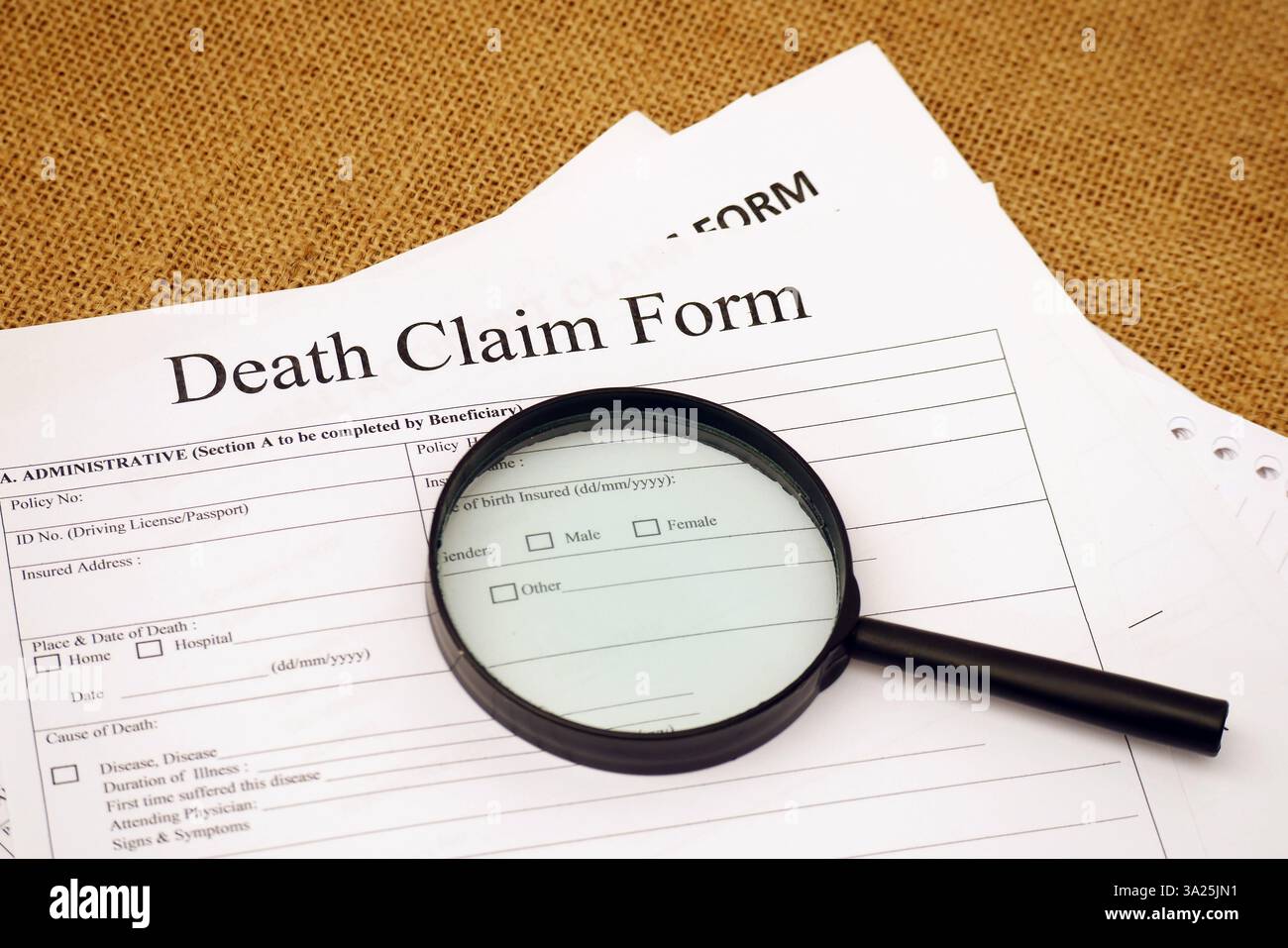
For productions currently in progress, verification triggers "cast insurance" claims. If a lead actor passes away, the production company must provide legal proof of death to insurance carriers to recover losses associated with filming delays, recasting, or the cancellation of the project. This requires an official death certificate, which is the only document that carries the necessary legal weight for multi-million dollar insurance payouts.
Furthermore, SAG-AFTRA utilizes death verification to manage the distribution of residuals to beneficiaries. The union maintains a "Trusts & Estates" department specifically for this purpose. Without a verified death record, royalties can be held in escrow for years until the legal status of the actor is clarified.
Digital Legacy and Posthumous Social Media Management
In 2026, an actor’s "digital ghost" is a major part of the verification conversation. Most major social media platforms now have "Memorialization" protocols.
- Instagram/Facebook: Once a death is verified via a link to an obituary or news article, the account can be memorialized. The word "Remembering" is added next to the person's name.
- X (Twitter): The platform typically deactivates accounts upon the request of verified family members to prevent hacking or unauthorized use of the profile.
- Legacy Contacts: Many actors now designate "Legacy Contacts" who are given limited access to manage the account after death verification is submitted to the platform.
The transition from an "active" account to a "memorialized" one is often the final public step in the verification process. It signals to the fanbase that the news is official and that the account is no longer being operated by the actor or their live PR team.
FAQ
How long does it usually take for an actor's death to be officially confirmed?
Confirmation typically takes between 2 and 12 hours after the event occurs. This delay is primarily due to the "next-of-kin" notification process, as authorities and publicists ensure that family members are informed privately before a public statement is released to the media.
Why do celebrity death hoaxes happen so frequently?
Death hoaxes are usually driven by "engagement farming" or malicious intent. In 2026, bot networks and AI tools can generate realistic-looking news stories to drive traffic to websites that generate ad revenue or distribute malware. Celebrities are high-value targets because their names generate massive search volumes.
Can a death certificate be accessed by the public?
In many U.S. states, death certificates are public records, but access is often restricted. While anyone can usually request a "fact of death" verification, "certified copies" containing sensitive information like the Social Security number or cause of death are typically restricted to immediate family members, legal representatives, or those with a documented financial interest.
What should I do if I see a report of an actor's death on social media?
The best practice is to "wait and cross-reference." Do not share the post until you see it confirmed by a Tier 1 or Tier 2 source, such as a major news organization (BBC, AP) or an industry trade publication (Variety). If the only source is a TikTok video or an unverified X account, it is likely a hoax.
How does SAG-AFTRA handle the death of a member?
SAG-AFTRA requires a copy of the death certificate to process final residuals and death benefits. They also update their membership database to ensure that the estate of the actor continues to receive payments for past work. The union also provides resources for the family regarding the management of the performer's professional legacy.
Professional Recommendation for Information Consumers
When navigating the news of an actor's passing in 2026, the most reliable action is to prioritize institutional reporting over algorithmic feeds. Social media algorithms prioritize "relevance" and "velocity," which often favors sensationalism over accuracy. To ensure you are viewing verified information, maintain a list of bookmarked industry trades and official government portals.
If you are a professional (such as a journalist or estate researcher), always wait for the death certificate filing or a formal statement from the decedent’s legal counsel before taking any action that involves financial or legal commitments. For fans and the general public, the appearance of a "memorialized" status on official social media profiles remains the most accessible and accurate indicator that the verification process has been completed by the platforms' internal trust and safety teams.