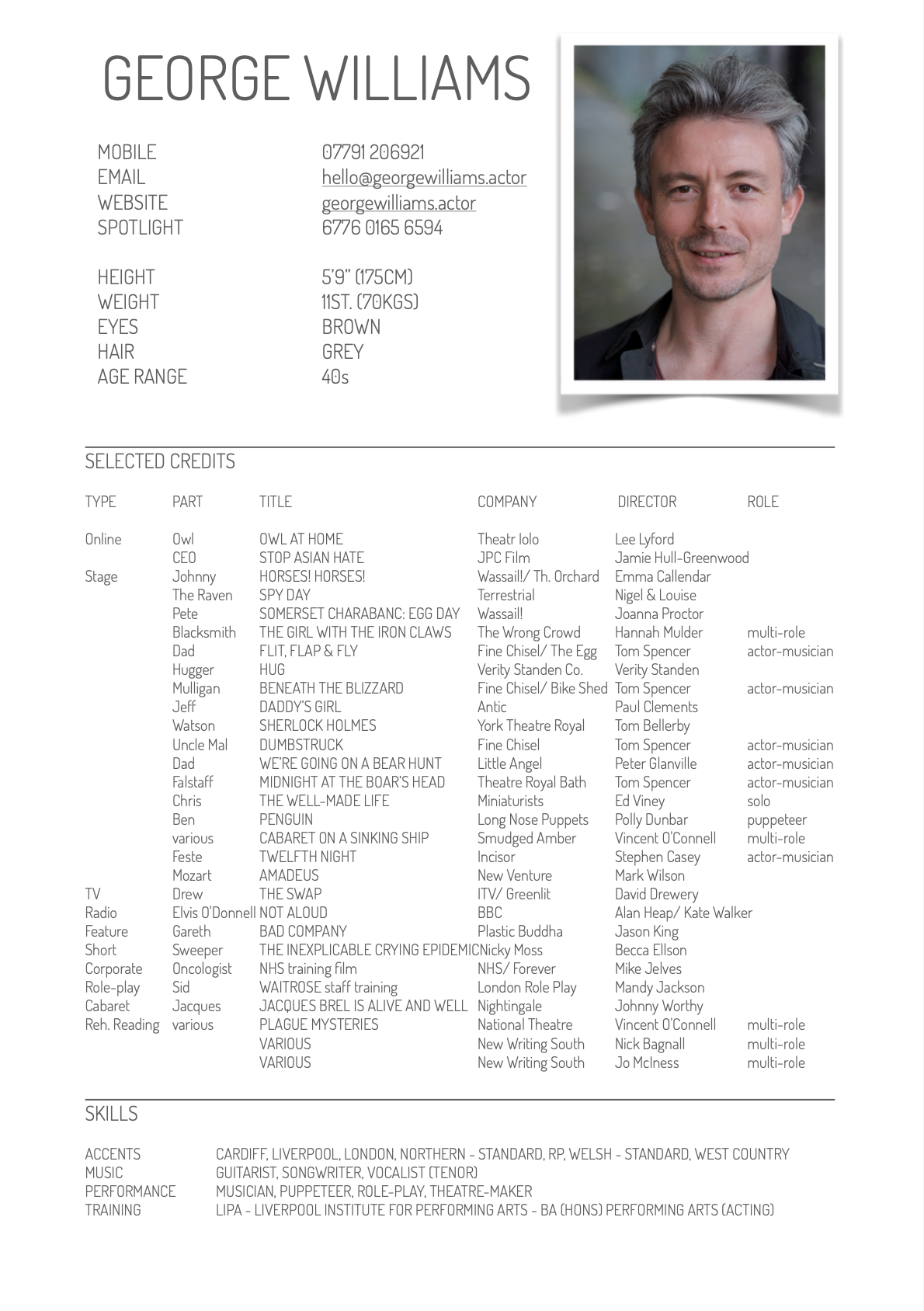
Actor credits are the official public acknowledgement of a performer's contribution to a film, television, or theatrical production. Beyond mere recognition, these credits serve as the industry's professional currency, determining an actor's "quote" (market value), eligibility for union benefits, and legal entitlement to residual payments throughout the lifecycle of a project.
The Hierarchy of On-Screen Billing
In the entertainment industry, the order and placement of actor credits are rarely accidental; they are the result of intense contractual negotiations. This hierarchy, often referred to as "billing," dictates how the public and the industry perceive an actor's status. The most coveted position is "Top Billing," where the actor’s name appears first in the opening credits and on promotional materials like posters (the "billing block").
Main Titles and Single Card Billing
For lead performers, "Single Card" billing is the gold standard. This means the actor's name appears alone on the screen during the opening sequence. This is a significant mark of prestige and often carries specific contractual requirements regarding font size and duration. For example, a lead actor may stipulate that their name must be at least 100% of the size of the title of the film.
"With," "And," and Special Billing
As an actor's career progresses, they may move into "Special Billing" categories. You will often see credits formatted as "With [Actor Name]" or "And [Actor Name] as [Character]." These are typically reserved for established stars or veteran actors who are playing supporting roles but whose stature warrants a distinction from the rest of the supporting cast. These credits usually appear at the very end of the opening titles, providing a "capping" effect that draws the viewer's attention.
Guest Stars and Co-Stars
In television, the distinction between a "Guest Star" and a "Co-Star" is both a matter of prestige and pay scale. A Guest Star is generally a significant role in a specific episode, often billed in the opening credits or on a single card at the start of the show. Co-Stars, conversely, are typically smaller roles—often called "day players"—and their credits almost always appear in the closing scroll, frequently grouped with other performers.
The Role of Unions and SAG-AFTRA Regulations
For professional productions in the United States, actor credits are strictly governed by the Screen Actors Guild-American Federation of Television and Radio Artists (SAG-AFTRA). The union's Basic Agreement outlines the minimum requirements for how performers must be credited, ensuring that producers do not omit essential contributors.
The Credit Arbitration Process
If a dispute arises regarding how credits are assigned—common in projects with large ensemble casts or complicated production histories—SAG-AFTRA provides a framework for arbitration. The union reviews the performer's contract and the actual screen time/contribution to determine the appropriate billing. This protects actors from "credit stripping," where a producer might attempt to remove a credit to avoid paying residuals or to favor another performer.
Requirements for Opening vs. Closing Credits
Guild rules specify that if a performer is signed to a "Standard Way" contract for a feature film, their credit must appear in the legal billing block of the film’s advertisements if it also appears in the opening titles. In 2026, as streaming platforms continue to dominate, these rules have expanded to include metadata tagging, ensuring that an actor's name is searchable within the platform’s interface, even if the "Skip Intro" feature bypasses the physical opening credits.
Digital Databases and the Professional Record
While on-screen credits are the legal record, digital databases have become the functional record for the industry. Platforms like IMDb (Internet Movie Database) and its professional counterpart, IMDbPro, serve as the primary verification tool for casting directors and agents.
The Impact of the EIDR
The Entertainment Identifier Registry (EIDR) is a global registry for assets in the entertainment industry. In the modern era, actor credits are often linked to a unique EIDR ID. This technical backend ensures that an actor's filmography is accurately tracked across different languages, regions, and distribution platforms. For actors, ensuring their EIDR-linked credits are accurate is crucial for the automated calculation of residuals in international markets.
Managing Your Professional Profile
Actors must take a proactive role in managing their digital credits. Inaccuracies on IMDb or specialized databases like Casting Networks can lead to missed opportunities. Verified credits act as a "proof of work" that validates an actor's experience level (e.g., "Must be SAG-eligible" or "Must have 3+ Guest Star credits").
Economic Implications: Residuals and Quotes
The importance of actor credits extends far beyond ego; it is directly tied to financial compensation. In the industry, an actor’s "quote" is the salary they commanded on their last significant project. Credits serve as the evidence used by agents to negotiate higher quotes for future work.
Residual Tiers
Residuals are long-term payments made to performers when a production is reruns, sold into syndication, or streamed. The specific credit an actor receives often dictates their share of the residual pool. For example, a performer credited as a "Series Regular" on a television show receives a significantly different residual structure than a "Recurring Guest Star," even if they appeared in a similar number of episodes.
Most Favored Nations (MFN) Clauses
In ensemble casts, agents often negotiate "Most Favored Nations" clauses regarding credits. This means that if any actor in a certain tier (e.g., the five main supporting actors) receives a specific type of billing—such as a single card or a specific font size—all actors in that tier must receive the same treatment. This ensures parity and prevents one actor from being promoted over others of equal contribution.
Summary of Actor Credit Categories
The following table summarizes the standard tiers of actor credits found in modern film and television contracts as of 2026.
| Credit Tier | Placement | Typical Contractual Requirement | Career Impact |
|---|---|---|---|
| Lead / Starring | Opening Titles (First) | Single Card, 100% Title Size | Maximum; establishes "Star" quote. |
| With / And | Opening Titles (Last) | Single Card or Special Position | High; denotes veteran/prestige status. |
| Guest Star | Opening or Start of Show | Single Card or Shared Lead Card | Moderate; qualifies for higher pay scales. |
| Recurring | End Credits (First Group) | Name in "Crawling" or Static Block | Builds "Series Regular" eligibility. |
| Co-Star | End Credits | Grouped List | Entry-level professional recognition. |
| Cameo | Varies | Often Uncredited or "Special" | Highly variable; usually for established stars. |
| Voice / Motion Capture | End Credits | Specific department grouping | Essential for specialized guild benefits. |
Common Challenges and "Credit Creep"
The industry has seen a phenomenon known as "credit creep," where the number of individuals receiving high-level billing has increased. This often happens in big-budget franchise films where multiple "leads" are fighting for prominence.
The Fight for Single Cards
As casts grow larger, the opening title sequence can become cluttered. Producers often try to group actors onto shared cards (two or three names on screen at once). Actors with significant leverage will fight to remain on a single card, as shared cards are perceived as a lower tier of professional standing.
Uncredited Roles
Occasionally, an actor may choose to remain uncredited. This occurs most often with high-profile cameos where the surprise element is part of the marketing, or when an actor does a "favor" for a director on a small project and doesn't want to affect their high market quote. However, for most actors, being uncredited is a disadvantage, as it does not count toward guild "vesting" periods for health and pension benefits.
AI and Digital Doubles
By 2026, the use of AI and digital performance capture has necessitated new types of credits. SAG-AFTRA now requires specific billing for performers who provide the "base" for a digital double. These credits are vital for ensuring that the human performer behind a CGI character receives the appropriate financial and professional recognition.
Frequently Asked Questions
What is the difference between "billing" and "credits"?
While often used interchangeably, "billing" refers to the promotional order and style of the names (used in posters and trailers), whereas "credits" refers to the comprehensive list of everyone who worked on the film, usually seen in the end scroll. Billing is almost always a subset of the credits and is more heavily negotiated.
Can a producer take away an actor's credit after filming?
Under SAG-AFTRA rules, a producer cannot arbitrarily remove a credit if the actor has performed the work according to their contract. If a role is completely cut from the film, the actor may still be entitled to a "Special Thanks" or a "Scenes Deleted" credit depending on their contract, though they usually still receive their full salary.
Why do some actors have their names above the title of the movie?
"Above-the-title" billing is the highest form of recognition in the industry. It signifies that the actor's name is a primary draw for the audience. Historically, this was reserved for the world's biggest stars (e.g., Tom Cruise, Meryl Streep). Contractually, this often means the actor's name must appear before the film's title in all advertising.
How do "vocal" or "stunt" credits work?
Stunt performers and voice actors have specific credit requirements. Stunt coordinators often receive a separate credit in the main titles, while individual stunt performers are listed in the end credits. Voice actors in animated features are now frequently given "Starring" billing, reflecting the growth and prestige of the animation sector.
Does the order of names in the end credits matter?
Yes. Generally, the order in the end credits follows the order of appearance or the importance of the role. For casting directors looking at a performer's history, seeing a name near the top of the "supporting cast" list in the end credits indicates a more substantial role than one at the bottom.
Practical Recommendation: Managing Your Professional Identity
For actors navigating the industry in 2026, your credits are your resume. To protect your career trajectory, you should follow these steps:
- Audit Your Contracts: Ensure your agent has negotiated specific billing terms, especially regarding "Single Card" vs. "Shared Card" status.
- Monitor Industry Databases: Regularly check your IMDbPro and EIDR records. If a credit is missing or categorized incorrectly (e.g., "uncredited" when you were actually a Guest Star), use the site’s contribution tools or contact your union representative to rectify the error.
- Screen-Cap Your Credits: Whenever a project you worked on is released, take a high-resolution screenshot or "rip" of your name on screen. This serves as a physical backup of the credit in case of digital alterations in future distributions.
- Understand Residual Triggers: Review your "Earnings Statements" from SAG-AFTRA to ensure the residuals you receive align with the credit you were given. A discrepancy here often points to a clerical error in how the production reported the credits to the guild.