Actor connections represent the professional network linking performers to casting directors, agents, and peers within the entertainment industry. These relationships facilitate career advancement by providing access to unlisted roles, professional referrals, and social proof. Strategically managing these connections via platforms like IMDbPro is essential for navigating the modern film and television landscape.
The Anatomy of Professional Actor Connections
In the entertainment industry, connections are rarely a flat web; they function as a hierarchical and lateral ecosystem. To understand how actor connections influence a career, one must distinguish between vertical and horizontal networking. Vertical connections involve relationships with those in positions of power, such as established casting directors, high-level talent agents, and executive producers. These individuals act as gatekeepers, and a single connection here can fundamentally alter an actor’s career trajectory.
Horizontal connections, conversely, are relationships with peers—fellow actors, assistant directors, and independent filmmakers who are at a similar career stage. In 2026, horizontal networking has become more critical than ever. The peers an actor works with on a low-budget independent short film today are the showrunners and award-winning leads of tomorrow. These lateral bonds create a support system where information about upcoming projects is shared long before it reaches public casting calls.
Furthermore, the concept of "social proof" plays a vital role. When an actor is connected to reputable professionals, that reputation transfers by association. Casting directors are more likely to take a risk on an unfamiliar face if that performer has worked repeatedly with a director they trust. This "chain of reliability" is the backbone of the industry, reducing the perceived risk for producers who are investing millions of dollars in a production.
The Six Degrees Phenomenon and the Oracle of Bacon
The cultural fascination with actor connections is best exemplified by the "Six Degrees of Kevin Bacon." This concept, based on the "six degrees of separation" theory, suggests that any actor can be linked to Kevin Bacon through their film roles in six steps or fewer. This is not merely a party game; it is a practical application of graph theory within the film industry. The Oracle of Bacon, hosted by the University of Virginia, uses the IMDb database to calculate the "Bacon Number" of millions of actors, showcasing how tightly knit the global acting community truly is.
As of 2026, the average Bacon Number for the nearly 2 million actors in the database remains remarkably low, typically hovering around 3.0. This interconnectedness is a result of the industry's collaborative nature. A single large-ensemble production, such as a major superhero franchise or a sprawling streaming series, can link hundreds of actors together, who then disperse into other projects, creating a massive, interconnected lattice.
For a working actor, understanding this connectivity is a strategic advantage. By analyzing the "degrees of separation" between themselves and a target director or production company, an actor can identify potential intermediaries. If an actor wants to work with a specific director, they might look for a former co-star who has worked with that director previously, seeking a "warm introduction" rather than a cold submission.
Essential Tools for Managing and Researching Actor Connections
In the digital-first environment of 2026, managing professional relationships requires more than a simple contact list. Several platforms have become industry standards for mapping and maintaining these vital links.
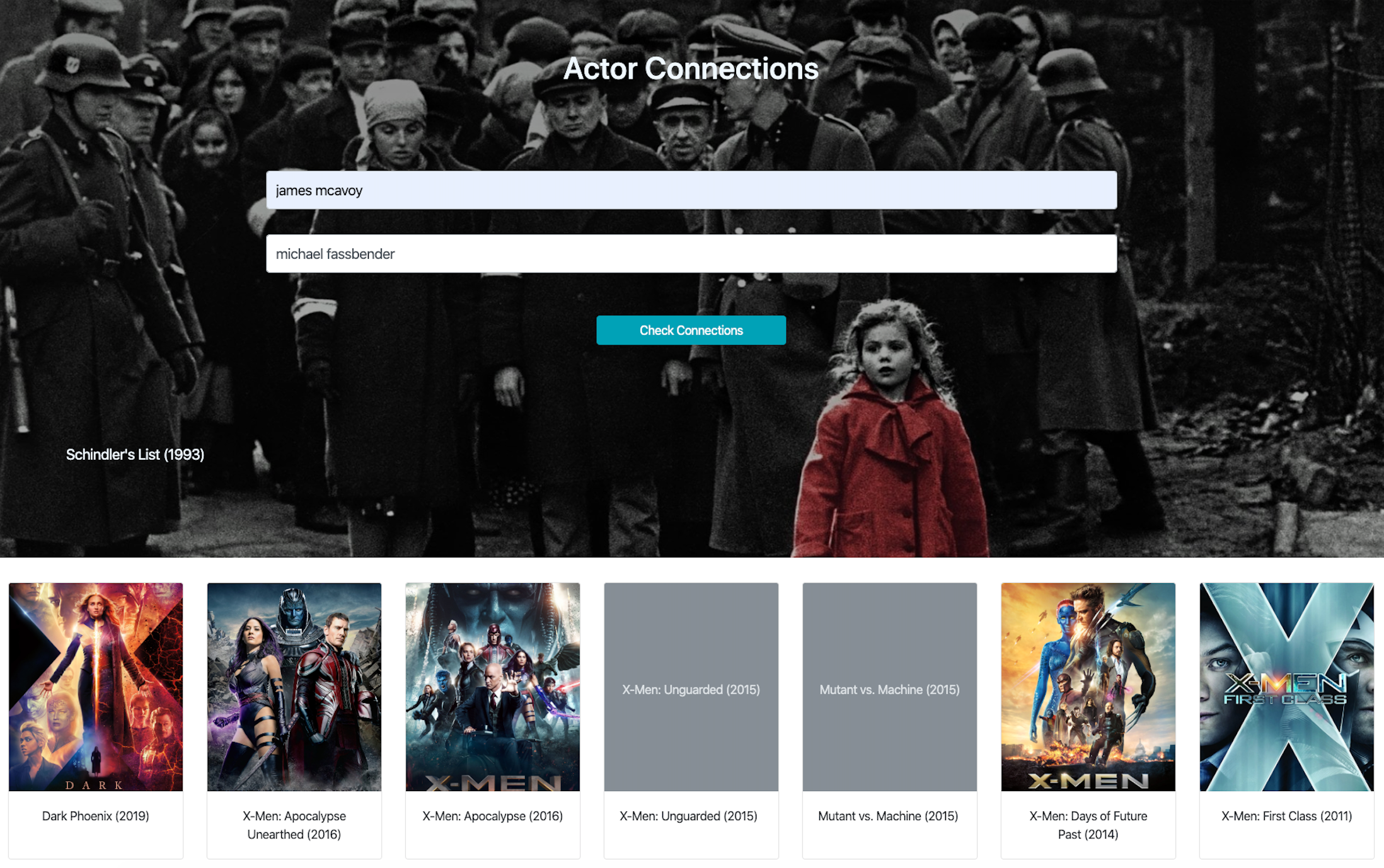
IMDbPro remains the most significant tool for connection mapping. Its "Shared Credits" and "Common Credits" features allow users to see exactly how two people in the industry are linked. For example, an actor can input their own name and the name of a casting director to see if they have any mutual colleagues. This data is invaluable for preparation before an audition or a general meeting, allowing the actor to mention shared acquaintances naturally.
LinkedIn has also seen a surge in usage among the "above-the-line" talent and production staff. While actors primarily use casting-specific sites, producers and directors use LinkedIn to vet a performer’s professional conduct and mutual connections. A well-maintained LinkedIn profile serves as a professional landing page that emphasizes the actor's network beyond their headshot and reel.
Additionally, niche platforms like Backstage and Casting Networks provide the infrastructure for the initial connection between talent and casting. These sites are the primary funnels through which connections are born, especially for those without high-level representation.
Strategic Networking: Building Genuine Industry Relationships
Building actor connections is often misunderstood as a transactional process. However, the most enduring connections are built on genuine professional respect and shared creative goals. In 2026, the most successful actors utilize a multi-faceted approach to networking that emphasizes "giving" before "asking."
- Film Festivals and Industry Events: Events like Sundance, TIFF, and Cannes remain premier venues for building connections. The key is to move beyond the red carpet and attend panels, workshops, and smaller mixers where actual conversations can happen.
- Table Reads and Workshops: Participating in table reads for developing scripts is an excellent way to connect with writers and directors. These low-stakes environments allow creators to see an actor’s work ethic and talent firsthand, often leading to future casting when the project receives funding.
- Alumni Networks: Many actors overlook the power of their drama school or university alumni associations. These networks provide a built-in level of trust and a common language that can bypass the initial barriers of a cold approach.
- The "Set as a Networking Event": Every day on set is an opportunity to build dozens of connections. Actors who are professional, punctual, and kind to the crew—including production assistants and grips—build a reputation that spreads. In the film industry, "word of mouth" regarding an actor’s behavior on set is a powerful currency.
Comparing Industry Platforms for Networking
Choosing the right platform to manage actor connections depends on the current stage of one's career and specific goals. The following table compares the leading services used in 2026.
| Platform | Primary Use | Key Connection Feature | Est. Monthly Cost (2026) |
|---|---|---|---|
| IMDbPro | Industry Research | Shared Credits / Common Connections | $19.99 - $24.99 |
| Backstage | Casting & Jobs | Direct Messaging with Creators | $15.00 - $20.00 |
| Spotlight (UK) | Professional Vetting | Agency Link & Verified Credits | £15.00 - £18.00 |
| Casting Networks | Audition Management | Talent Scout & Media Hosting | $15.00 - $25.00 |
| Professional Branding | Mutual Connections & Endorsements | Free (Premium available) |
Common Pitfalls in Networking for Actors
While building connections is vital, certain behaviors can be detrimental to an actor’s professional standing. The most common mistake is "transactional networking," where an actor only reaches out to a connection when they need a favor, such as an audition or an introduction. This approach is easily detected and often leads to the actor being blocked or ignored.
Another pitfall is the lack of "connection maintenance." Many actors meet a director or producer, have a great conversation, but fail to follow up in a meaningful way. In 2026, a "meaningful follow-up" doesn't mean pestering someone for work; it means sending a brief, professional note when that person has a new project released or an achievement to celebrate. Keeping the connection "warm" ensures that when an appropriate role does arise, the actor is top-of-mind.
Finally, over-reliance on social media "likes" as a form of networking is a significant error. While engaging with a director's Instagram post can provide some visibility, it does not constitute a professional connection. High-value connections are built through shared work, face-to-face (or high-quality video) interaction, and professional correspondence.
How do I find out who a specific actor is connected to?
The most reliable way to find an actor's connections is through the "Common Credits" or "Collaborations" tool on IMDbPro. By entering two names into the collaboration search, you can see every project they have worked on together, as well as mutual co-stars. This is the professional standard for mapping industry relationships.
What is a "Bacon Number" and why does it matter?
A Bacon Number is a measurement of the degrees of separation between any actor and Kevin Bacon. While it started as a game, it matters because it demonstrates the "Small World" nature of the film industry. A low Bacon Number indicates that an actor is closely linked to the "core" of the industry, which can be a psychological indicator of their professional integration.
Can I build actor connections if I live outside of Los Angeles or London?
Yes, especially in 2026, where remote auditions and digital networking are standard. Regional actors should focus on local film commissions, independent film communities, and "hub" cities like Atlanta, Vancouver, or Berlin. Building a strong local network often serves as the bridge to the major international markets.
Is it appropriate to message a casting director directly on social media?
Generally, no. Most casting directors prefer to be contacted through official channels like their agency's email or casting platforms. Direct messaging (DMing) on personal social media accounts is often viewed as an invasion of privacy. Always check a casting director's specific "submission guidelines" or website before reaching out.
How can I leverage my current connections to get an agent?
The most effective way is through a "talent referral." If a fellow actor who is already represented by an agency recommends you to their agent, your materials are much more likely to be reviewed. Ensure that your referral is from someone who knows your work well and can speak to your professionalism on set.
Next Steps: Implementing a Connection Strategy in 2026
To turn the concept of actor connections into a career-moving reality, you must treat your network as a long-term asset. Begin by auditing your current connections: make a list of every director, producer, and fellow actor you have worked with over the past three years. Ensure you are connected with them on professional platforms like LinkedIn and IMDbPro.
Your next action should be to identify "gap connections"—individuals who are one or two degrees away from you who are working on the types of projects you aspire to join. Instead of asking for a job, look for ways to contribute to the community. Join professional organizations like SAG-AFTRA or the Casting Society (CSA) as an associate if eligible, or attend their public educational events. By consistently showing up as a prepared, professional, and supportive member of the industry, your web of connections will naturally expand, leading to the opportunities that define a sustainable acting career.