Actor compensation is a multi-layered structure comprising base salary (often determined by union "scale" minimums), residuals for reused work, and potential profit participation. In 2026, earnings are governed by union-negotiated contracts that dictate daily rates, streaming bonuses, and protections against unauthorized AI replication, varying significantly based on the performer’s experience and role.
The Foundations of Actor Pay: Union vs. Non-Union Scales
At the core of professional actor compensation is the distinction between union and non-union work. In the United States, the Screen Actors Guild-American Federation of Television and Radio Artists (SAG-AFTRA) sets the industry standard. For union members, "scale" refers to the minimum daily or weekly rate an actor must be paid for a specific type of production. These rates are not arbitrary; they are the result of rigorous collective bargaining and are updated periodically to account for inflation and industry shifts.
Non-union compensation, conversely, is unregulated. Actors in this space often negotiate their own rates, which can vary from a simple "copy, credit, and meal" (unpaid) to several hundred dollars a day for independent projects or local commercials. However, non-union actors lack the benefit of guaranteed residuals, health insurance contributions, and pension credits that define the unionized sector.
In 2026, following the landmark contract negotiations of the previous years, union scale serves as a floor, not a ceiling. While a novice actor might earn exactly scale, established performers use these figures as a starting point to negotiate "overscale" pay. The complexity of these negotiations often necessitates the involvement of talent agents and entertainment lawyers, who ensure that the contract accounts for every possible use of the actor's image and performance.
Salary Breakdown: Base Pay and Tiered Performance Roles
Actor compensation is heavily stratified by the size and nature of the role. Within a standard television or film production, several distinct categories of performers exist, each with its own pay structure.
- Background Actors: Often referred to as "extras," these performers provide the atmosphere for a scene. In 2026, the SAG-AFTRA minimum for background actors remains a vital entry point, usually calculated on an eight-hour day with specific "adjustments" for things like using their own car, wearing specialized wardrobe, or working in inclement weather.
- Co-Stars and Day Performers: These roles usually involve a few lines and a limited number of shooting days. They are paid on a daily basis. For many working actors, "stringing together" day-player roles is the primary source of base income.
- Guest Stars: These are more significant roles, often featured in a single episode of a television series. Guest stars are typically paid on a weekly basis (the "Top of Show" rate), which is significantly higher than a day-performer rate.
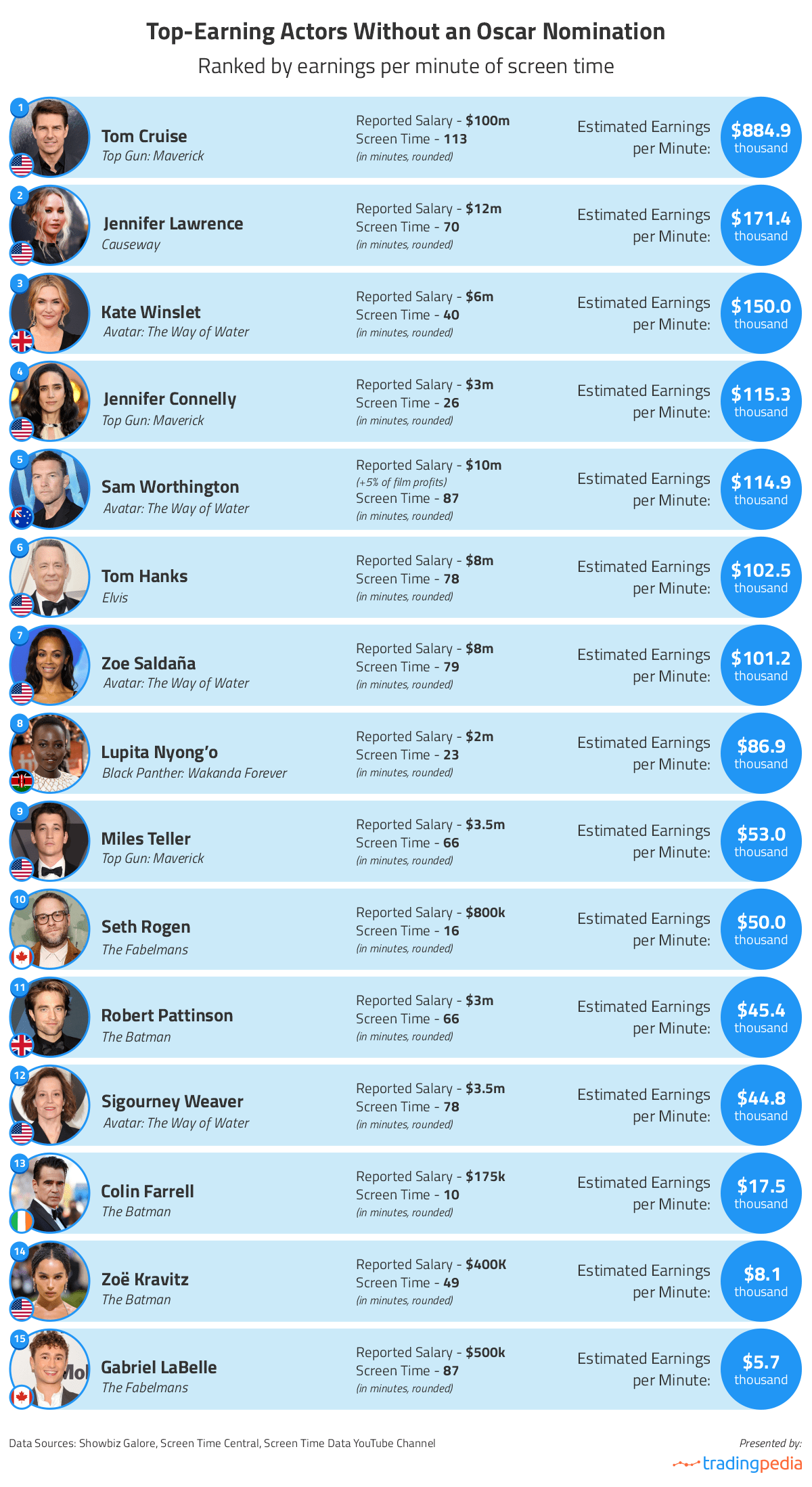
- Series Regulars: These actors are the core cast of a show. Their compensation is negotiated per episode, with a guaranteed number of episodes per season. For high-profile series, these rates can range from $30,000 to over $1 million per episode.
- Lead Actors in Feature Films: Compensation for film leads varies based on the film's budget. Under the SAG-AFTRA Theatrical Agreement, films are categorized by budget tiers (e.g., Ultra Low Budget, Moderate Low Budget), which determines the minimum salary requirements for the cast.
The Evolution of Residuals in the Streaming Era
Residuals are the long-term payments made to actors when a production is reused beyond its initial airing or theatrical release. Historically, residuals were the "safety net" for actors, providing income years after a project was completed when it went into syndication or was sold for home video.
By 2026, the model for residuals has shifted significantly toward streaming platforms (SVoD). Unlike traditional broadcast television, where residuals were based on a "reuse fee" every time an episode aired, streaming residuals are often calculated based on the number of subscribers to the platform and the duration the content remains available.
A major development in 2026 is the implementation of "Success-Based Residuals." Following the industry-wide strikes of 2023, new metrics were established to reward actors when a project performs exceptionally well on a streaming service. This ensures that if a show becomes a global phenomenon, the performers share in the financial upside, much like they did during the era of high-stakes television syndication. These payments are typically processed through the SAG-AFTRA Residuals Department, which tracks thousands of hours of content across global platforms to ensure accurate distribution.
Understanding Gross vs. Net Profit Participation
For high-profile "A-list" talent, base pay and residuals are often supplemented by "points" or profit participation. This is a percentage of the film or show’s earnings, but how that profit is defined is a point of intense legal scrutiny.
First Dollar Gross is the gold standard of actor compensation. It means the actor receives a percentage of every dollar the film earns from the moment it hits theaters, before the studio even recoups its expenses. This is reserved for the industry’s top earners who have significant "box office draw."
Net Profits, often colloquially criticized as "Monkey Points," are a percentage of what remains after all production, marketing, and distribution costs—plus interest—have been deducted. Due to "Hollywood accounting" practices, a film can earn hundreds of millions at the box office and still be "unprofitable" on paper, meaning net profit participants may never see a payout. In 2026, savvy negotiators often push for "Cash Break Zero" definitions, where payments kick in once the studio has literally broken even on its cash outlay, rather than waiting for the complex accounting of net profits to settle.
Deductions and Net Income: The Reality of Take-Home Pay
An actor's gross compensation is never what they actually take home. The infrastructure required to maintain a professional acting career is expensive, and several standard deductions are taken off the top of every check.
| Expense Type | Percentage | Description |
|---|---|---|
| Talent Agency Commission | 10% | Standard fee for finding work and negotiating contracts. |
| Manager Commission | 10% - 15% | Fee for career guidance and overall brand management. |
| Legal Fees | 5% | Usually paid to entertainment attorneys for contract review. |
| Union Dues | ~1.5% - 2% | Calculated based on annual earnings to fund SAG-AFTRA. |
| Federal & State Taxes | 25% - 40% | Varies by jurisdiction; actors are often taxed as high earners. |
| Publicity/PR | Variable | Monthly retainer for stars needing media management. |
After these deductions, an actor might only retain 40% to 50% of their gross salary. For this reason, many established actors form Loan-out Corporations. By incorporating themselves (usually as an S-Corp or LLC), they can receive their pay as a business entity, allowing them to deduct professional expenses—such as acting classes, headshots, travel, and wardrobe—before being taxed on their personal income.
Legal and Contractual Safeguards in 2026
As of 2026, the legal landscape of actor compensation has expanded to include "Digital Replica" protections. With the rise of generative AI, contracts now specifically include clauses regarding the use of an actor's voice and likeness. If a studio wishes to use an AI-generated version of an actor, the compensation must reflect what the actor would have earned had they performed the role in person.
Furthermore, "Holding Fees" remain a critical part of television compensation. If a network "holds" an actor (preventing them from taking other work) while deciding whether to renew a series, they must pay a fee to compensate the actor for that period of exclusivity. These contractual nuances are designed to protect the actor’s ability to earn a living even when not actively on a film set.
The Internal Revenue Service (IRS) also maintains specific guidelines for "Qualified Performing Artists," allowing certain lower-income actors to deduct business expenses even if they do not itemize other deductions. Staying compliant with these tax rules is a full-time job for entertainment accountants, who work to ensure that actors aren't overpaying in the multiple states where they may film during a single year.
FAQ: Common Questions About Actor Compensation
How often do actors receive residuals?
Residuals are typically distributed quarterly or monthly, depending on the production's age and the platform it is airing on. New streaming projects may pay out residuals annually, while older television shows in syndication often send checks more frequently. SAG-AFTRA provides a tracking portal where members can monitor their pending payments.
Do actors get paid if a movie loses money?
Yes. Actors are paid their guaranteed base salary (their "quote") regardless of the film's financial performance. Only those with profit participation (backend points) are affected by a film’s failure to turn a profit. Union rules ensure that base pay is held in escrow or guaranteed by the production company before filming begins.
What is the difference between a "flat fee" and "scale"?
A "flat fee" is a negotiated total amount for a project, common in independent films or for high-level talent. "Scale" is the absolute minimum hourly, daily, or weekly rate allowed by the union. If an actor is "working for scale," they are receiving the lowest possible legal wage for that specific union contract.
Are actors paid for rehearsals and auditions?
Under SAG-AFTRA rules, actors are generally not paid for initial auditions. However, if they are called back for multiple "work sessions" or asked to participate in a "chemistry read," they may be entitled to a minimum payment. Rehearsals are considered work time and must be compensated at the actor's prorated rate.
How has AI affected actor pay in 2026?
AI has introduced a new revenue stream called "AI Usage Fees." Studios must now negotiate separate fees for the right to create a digital replica. These fees are often equivalent to the actor’s daily rate for each day the digital version is "used" in the production, ensuring that technology does not bypass the need for fair compensation.
Navigating Your Compensation Strategy
For those entering the industry or managing a developing career in 2026, understanding the math of actor compensation is as important as the craft itself. To maximize earnings and financial stability, actors should prioritize the following actions:
- Monitor Your Residuals: Use the union’s online tracking tools to ensure you are receiving payments for every platform where your work is shown. Discrepancies are common as content moves between global distributors.
- Understand Your Tiers: Before signing a contract, verify the production's budget tier. Knowing if a film is "Ultra Low Budget" or "Modified Low Budget" allows you to know your exact minimum rights and whether the production is required to provide pension and health contributions.
- Consult a Specialized Accountant: Given the complex nature of multi-state tax filings and the benefits of loan-out corporations, working with a CPA who specializes in the entertainment industry is essential to protecting your net income.
- Audit Your Deductions: Regularly review your agency and management statements. Ensure that commissions are only being taken from commissionable earnings (for example, some travel stipends and per diems are non-commissionable).
By treating acting as a business and staying informed on the latest SAG-AFTRA agreements, performers can ensure their compensation reflects their contribution to the industry’s ongoing success.